10 Foods That Don’t Truly Expire (Despite the Date on the Package)
Honey
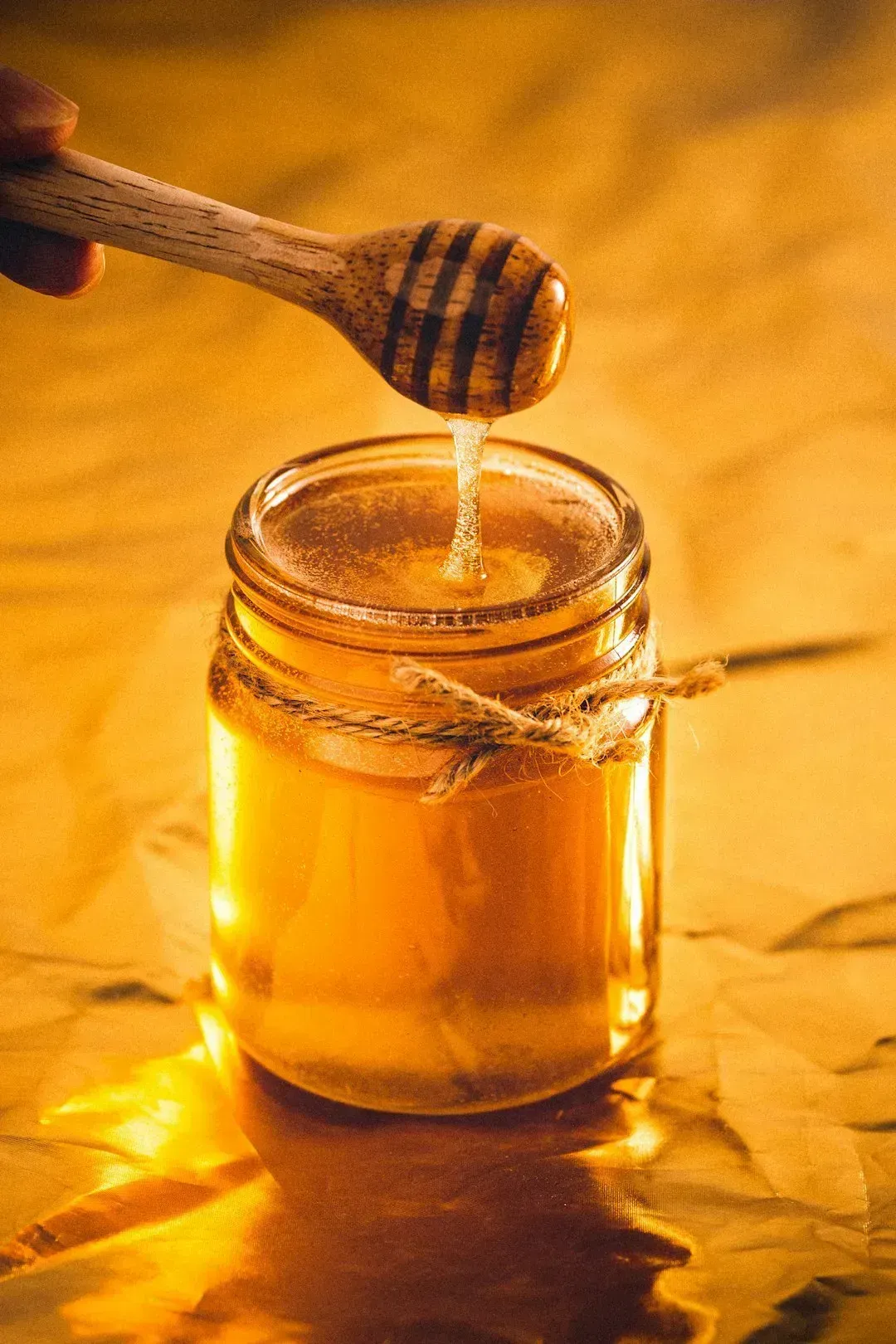
Archaeologists have discovered jars in Egyptian tombs sealed more than 3,000 years ago that are still perfectly edible. Let’s be real, that’s the kind of shelf stability most of us dream about. The water content of honey is a key factor in why it doesn’t spoil, with only 17% water content, much lower than that of bacteria or fungi. Honey’s pH level ranges from 3.2 to 4.5, making it highly acidic. This incredibly hostile environment essentially starves microorganisms before they can even think about growing.
Bees add an enzyme called glucose oxidase to nectar, which results in the production of hydrogen peroxide. Here’s the thing: that hydrogen peroxide acts as a natural antimicrobial agent. A jar of honey’s seal is the final factor key to honey’s long shelf life – if you leave it out, unsealed in a humid environment, it will spoil. Store it properly in a sealed container, and it will outlive you, your grandchildren, and probably their grandchildren too.
White Rice
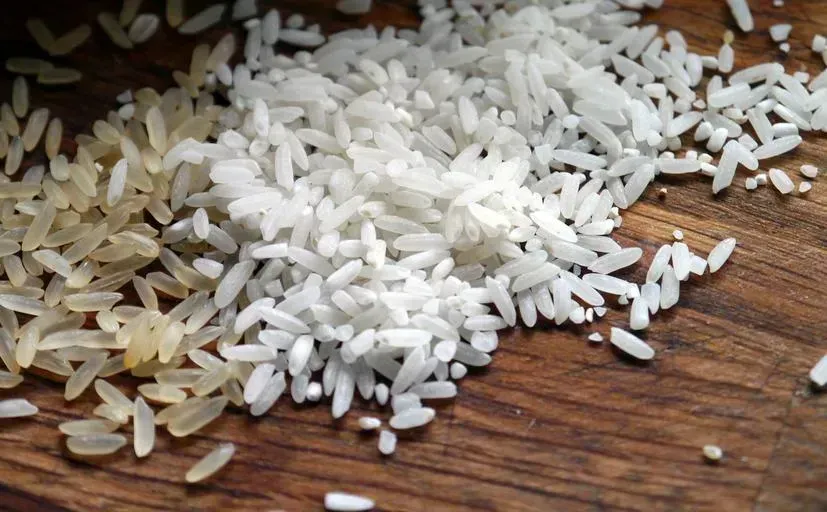
White, wild, Arborio, jasmine and basmati rice all have an indefinite shelf life when kept free from contaminants. Rice stored at a constant 70°F with oxygen absorbers will store well for up to 10 years, and in cooler storage areas rice sealed in oxygen-free containers can be stored for up to 30 years. The trick is that white rice goes through a milling process that removes the oil-rich bran layer.
Brown rice is not milled or polished, so it has a higher oil or fat content, and therefore may become rancid more quickly than white rice. Honestly, if you’re stocking a pantry for the long haul, white rice is your friend. Just keep it in an airtight container away from moisture and pests, and you’ll have a reliable food source that could theoretically last decades.
Dried Beans
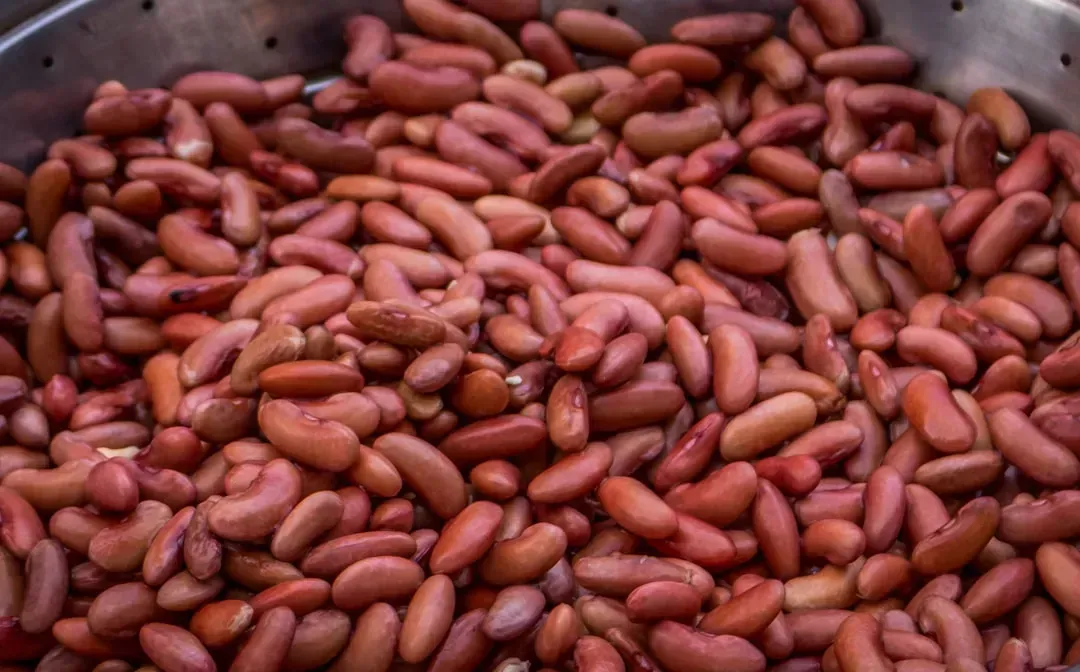
According to the United States Agency for International Development, if stored properly in a cool, dry place, dried beans have a minimum shelf life of one year, keeping indefinitely, and after two to three years, the beans will start losing their nutritional value. Packaged and stored correctly, dry beans will remain edible for 25 to 30 years. I know it sounds crazy, but it’s true.
Dried beans retain best quality for 2 to 3 years but stay pretty good for more than twice as long as long as you keep them away from moisture and safe from pantry bugs. The older they get, the longer they’ll need to soak and cook, which can be a bit annoying. If beans are stored in food grade packaging, sealed buckets, reduced oxygen packaging or heavier plastic Mylar bags, they can be kept for ten years or more.
Salt
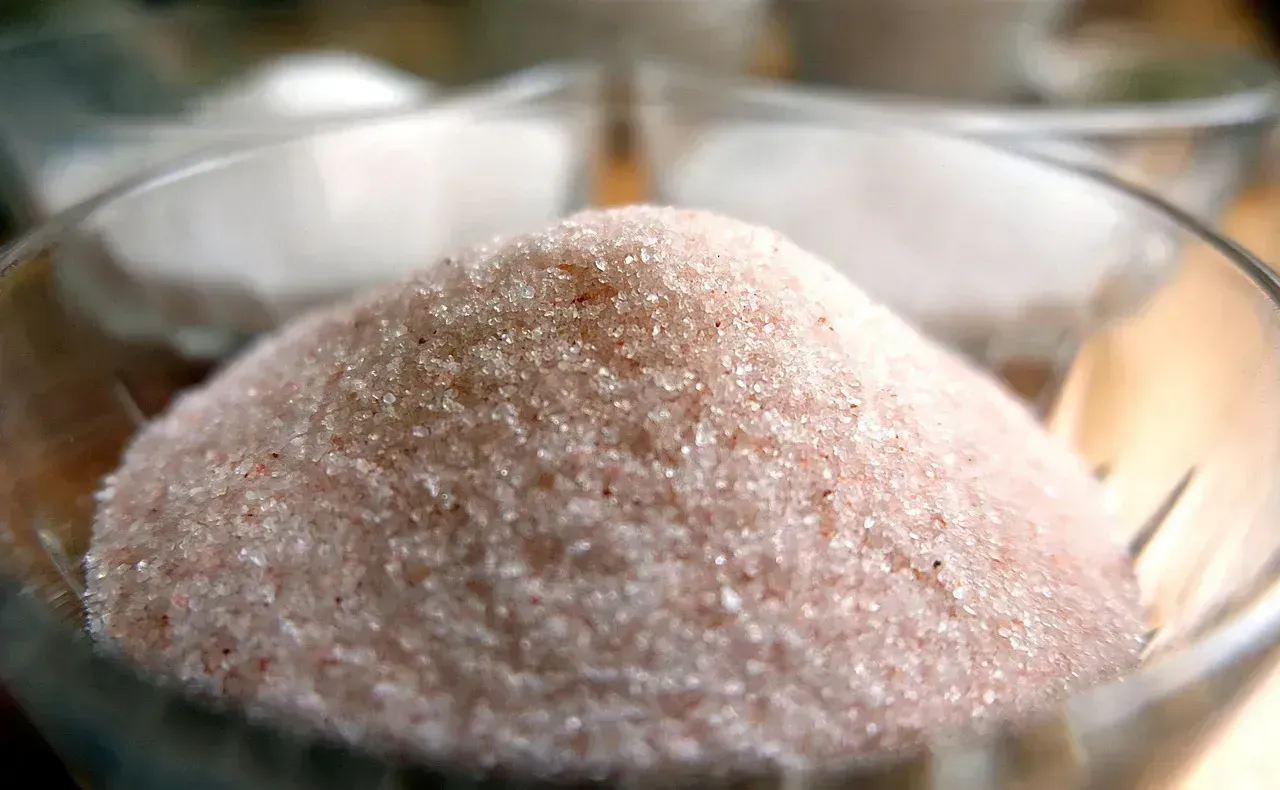
Salt itself doesn’t expire because it is a naturally occurring mineral, and bacteria, mold, or other microorganisms cannot grow on it – unlike fresh produce, which rots over time, salt is inert and does not degrade. Given that sodium chloride is a mineral taken from the earth, its permanence should come as no surprise. Think about it: salt has been sitting in the ground for millions of years before we even mined it.
There’s a catch though. Morton Salt points out that adding iodine to table salt reduces the shelf life, so if your container says iodized salt, expect it to only last about 5 years. Pure salt doesn’t contain water, which means it never goes bad, and it’s toxic to most microbes. Keep plain salt in a cool, dry place in an airtight container, and it will last forever.
White Vinegar
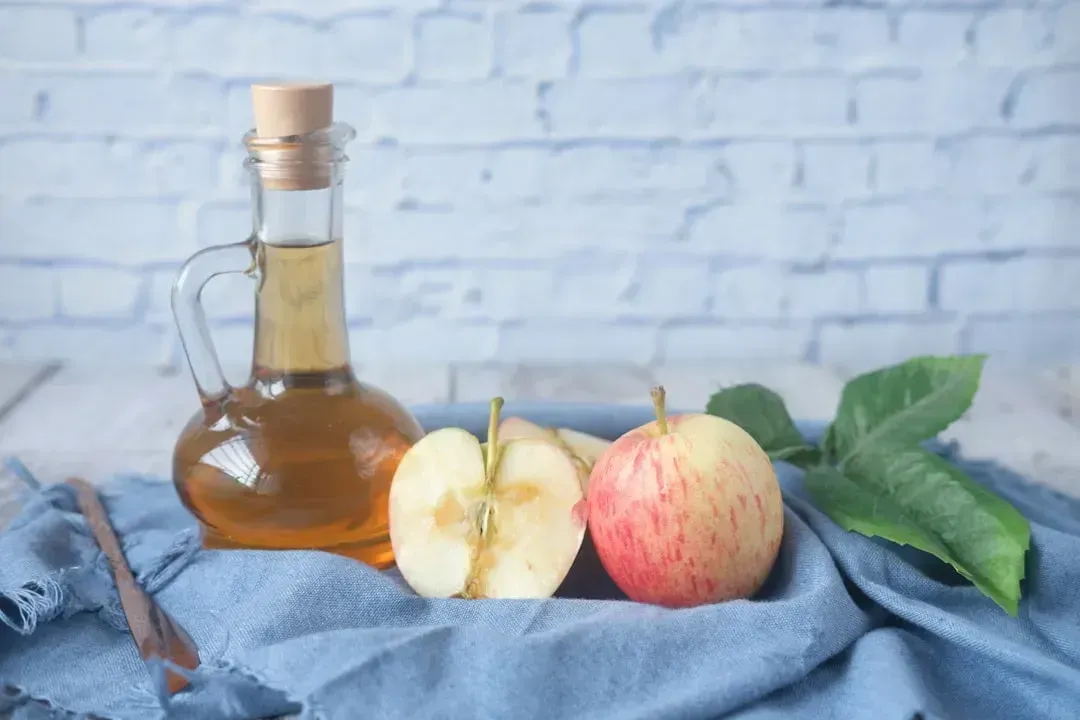
Because it’s an acid, vinegar has a nearly infinite shelf life, according to The Vinegar Institute. That means the big bottle of white distilled vinegar sitting in your pantry will remain unchanged to the very last drop. Vinegar is a fermented product that doesn’t spoil due to its high acidity – the fermentation process involves yeast converting sugars into alcohol, which is then further fermented by Acetobacter bacteria to produce vinegar, and this high acidity makes it self-preserving.
Bacteria can technically grow on vinegar once it’s exposed to air – if you ever see cloudy sediment in yours, strain it off and move along, it’s still good. Other types like balsamic, apple cider, and rice vinegars last for years but aren’t quite as invincible as white vinegar. Still, for cleaning, cooking, and everything in between, white vinegar is basically immortal.
Pure Vanilla Extract
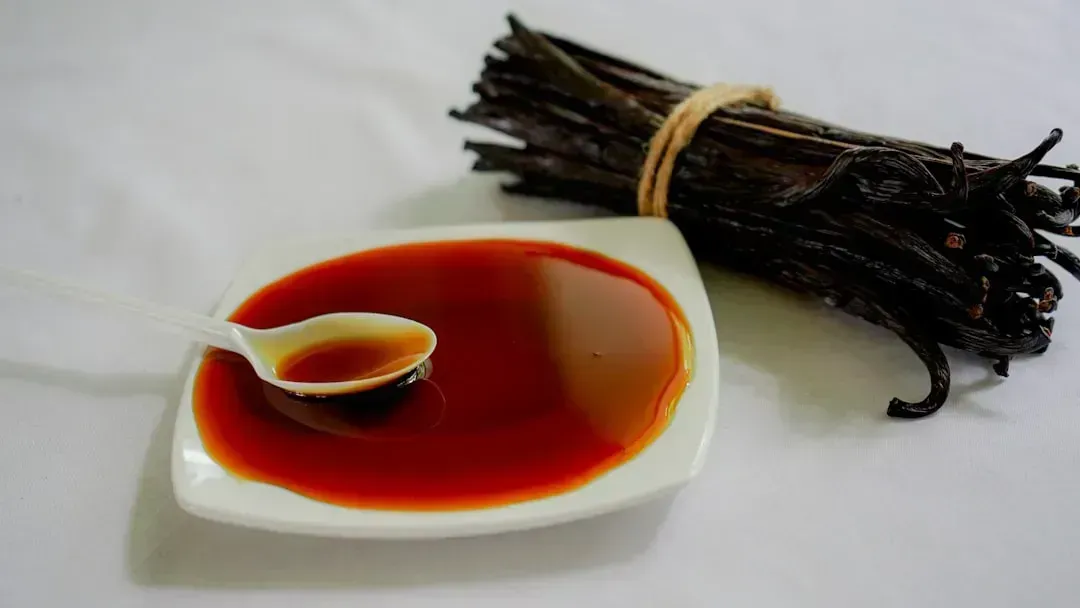
The pure, 100 percent vanilla extract that flavors all our favorite desserts lasts basically forever thanks to its alcohol content. Real vanilla extract doesn’t spoil thanks to its high alcohol content, and over time it can actually develop a deeper flavor. Keep it in a cool, dark cabinet and you’re good to go for years, maybe even decades.
Imitation vanilla extract has a drastically shorter shelf life – while real vanilla is created by soaking vanilla beans in alcohol which acts as a preservative, the flavoring dupe is made from vanillin, and on the shelf, imitation vanilla lasts just six to 12 months before beginning to degrade. It’s hard to say for sure, but the real stuff is worth the investment if you want something that lasts.
Sugar
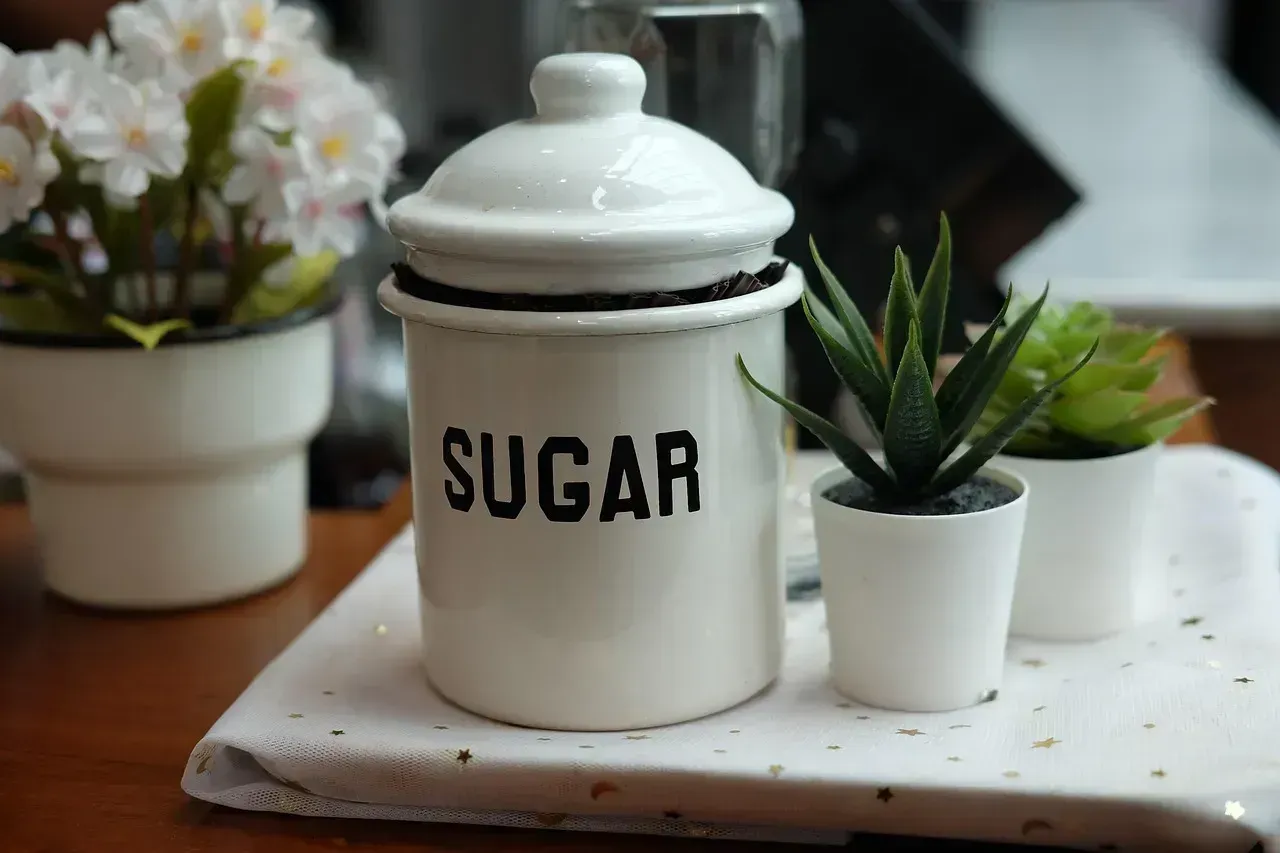
White, brown or powdered sugar never spoils because it doesn’t support bacterial growth. Granulated sugars are so inhospitable for bacteria that they’re often the primary ingredient used to preserve jellies, jams, and canned fruits. The real challenge isn’t spoilage but preventing it from becoming rock-hard when exposed to moisture.
Powdered and granulated sugar are best kept in airtight containers to keep moisture at bay, and retailers are required to stamp bags with dates, but manufacturers say that even hardened brown sugar is still edible once it has been softened. Even with its ability to last indefinitely, food storage experts say sugar is best consumed within two years of opening. Store it properly, and sugar will outlast nearly everything else in your pantry.
Instant Coffee
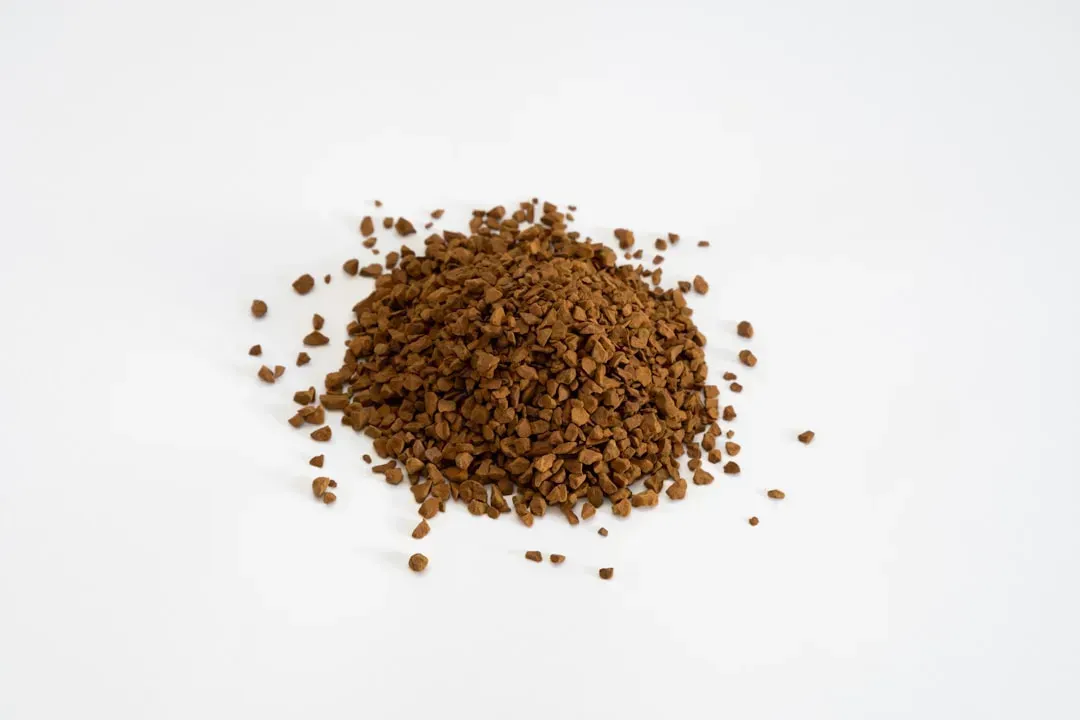
Instant coffee has a very low moisture content, so unopened jars or packages of it can last years, and fresh coffee grounds and whole beans won’t necessarily go bad either if they stay dry. That plastic container of Maxwell House sitting in your cabinet might be older than you think, but it’s probably still perfectly safe to use.
The flavor might not be as robust as when you first bought it, but in a pinch, old instant coffee will still give you that caffeine fix. Fresh coffee beans and grounds can eventually lose their aromatic oils and go stale, which affects taste more than safety. Keep everything sealed tight and away from moisture, and you’ll have emergency caffeine for years.
Cornstarch
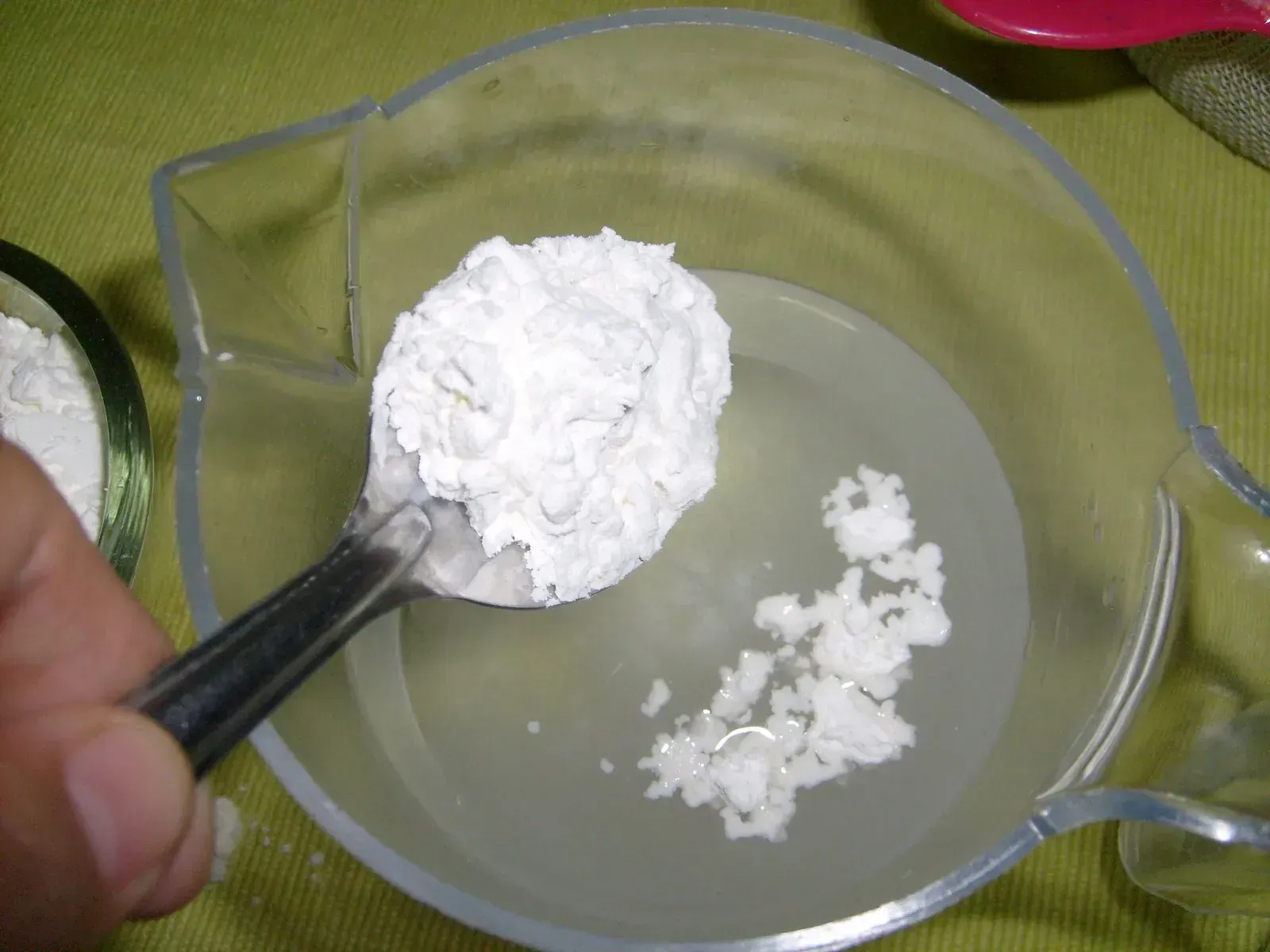
Cornstarch will keep indefinitely if it’s kept dry and free from contaminants. Cornstarch is a powdery ingredient that will stay good indefinitely – to ensure it stays uncontaminated, store it in an airtight container away from light and heat. It’s one of those ingredients you might not use often, but when you need it for thickening sauces or gravies, it’s nice to know it’s there.
Moisture is the enemy here. If water gets into your cornstarch, it can clump or even develop mold, which would be the only real reason to toss it. Otherwise, a box of cornstarch from five years ago is just as good as one you bought yesterday. What do you think about it? Did you expect these foods to last so long?
Dried Pasta
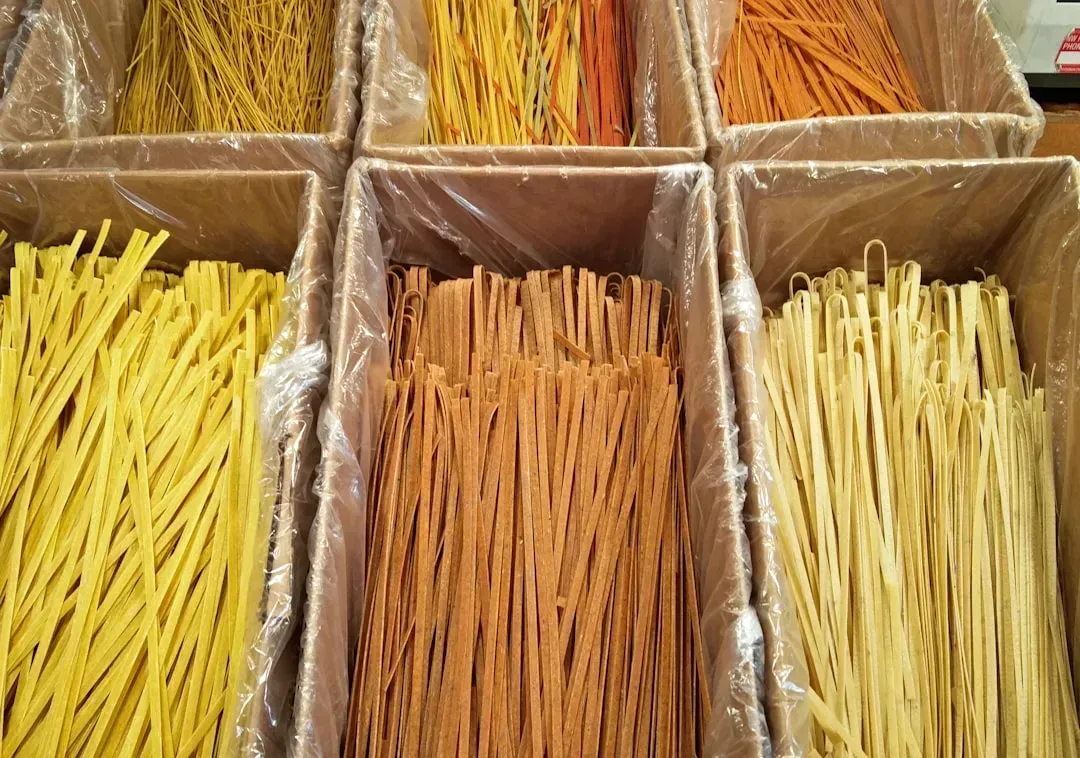
Dried pasta kept in an airtight container lasts up to three years – if you buy pasta in a sealed plastic bag, you can store it as-is in the pantry, but pasta that comes in a cardboard box or pasta you’ve opened should be transferred to a sealed container so it lasts as long as possible. Three years might not seem like forever, but it’s still impressively long for something so versatile.
Let’s be real: dried pasta is one of the most reliable pantry staples you can have. It’s cheap, it’s easy to cook, and it pairs with basically anything. Store it properly in a cool, dry place, and you’ll always have the foundation for a quick meal. Honestly, pasta is one of those foods that makes you feel prepared, even when life gets chaotic.