Ghost Mansions: Why 5-Bedroom “Forever Homes” Are Becoming Unsellable for Boomers
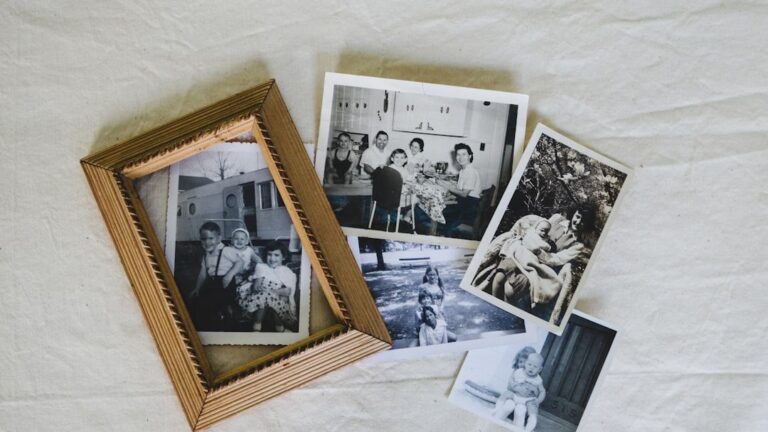
Picture this: sprawling homes in leafy suburbs, built for big families and bustling holidays. Five bedrooms. Four bathrooms. Kids’ toys scattered across yards large enough to play baseball. These were the forever homes, the crown jewels of an entire generation’s hard-won success.
Now? They’re sitting empty, echoing with silence. The children have moved across the country. The grandkids visit maybe twice a year. What once symbolized achievement has quietly transformed into something else entirely – a burden that refuses to sell.
The Reality Nobody Expected: Boomers Can’t Move

More than six out of ten baby boomer homeowners now say they plan to live in their homes for the rest of their lives, never intending to sell. That percentage jumped seven points from just the year before. Let’s be real – these aren’t homeowners happily aging in place because they love their sprawling estates. Over half prefer to age in place, nearly half point to their paid-off mortgage, and more than a third simply don’t want to start over at their older age.
The math is brutal. Roughly nine out of ten homes owned by boomers won’t hit the market until at least the 2030s. Millions of millennials and Gen Z buyers may not be able to afford those homes, or they may not want them at all – preferring smaller homes in walkable communities instead – potentially leaving a housing glut that could grow as high as 15 million by 2040.
Young Buyers Don’t Want What Boomers Are Selling
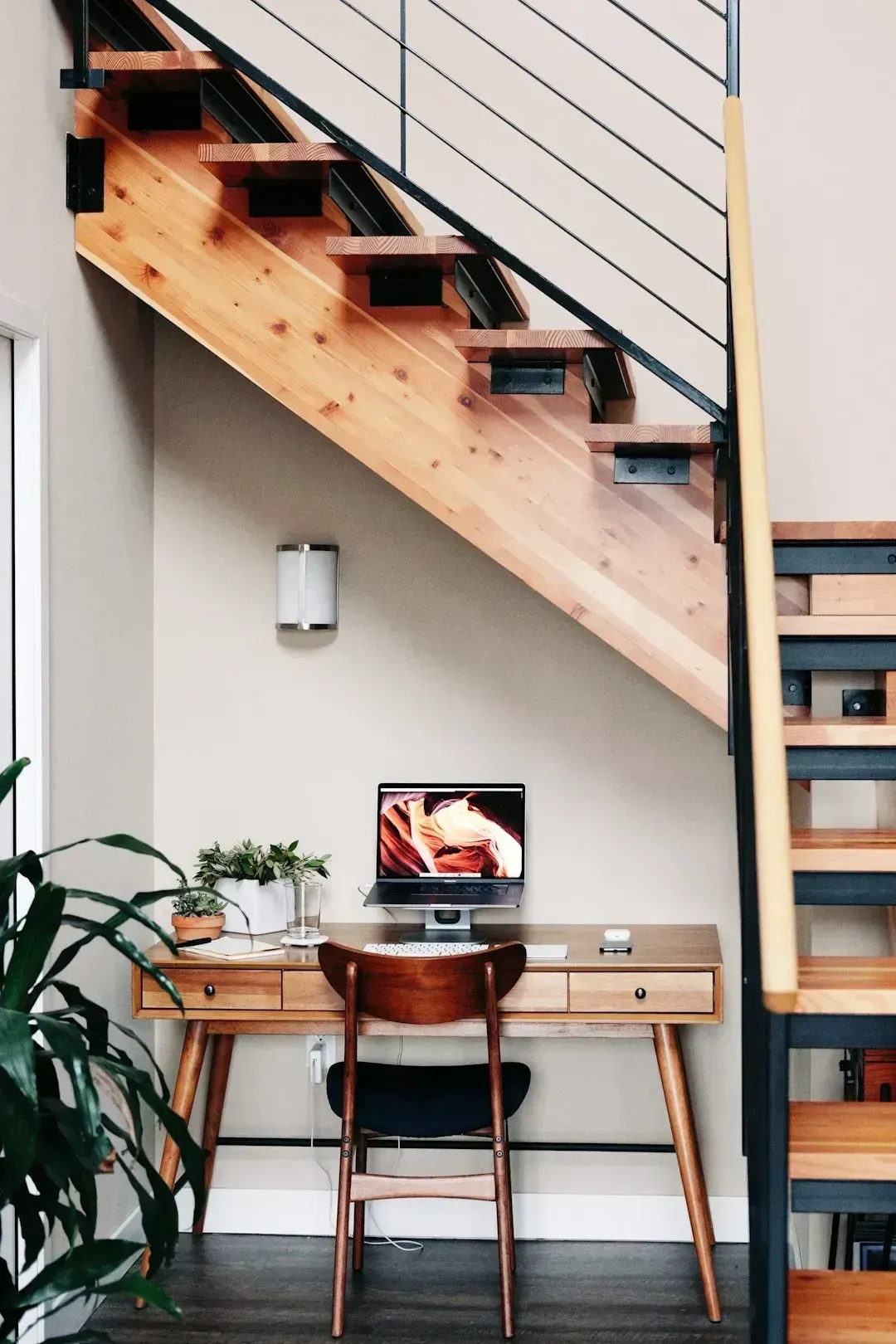
A 2024 Redfin analysis found that baby boomers are twice as likely to own large homes as millennials. Baby boomer empty nesters own twice as many of the country’s three-bedroom-or-larger homes, compared with millennials with kids. Here’s the kicker though – millennials aren’t scrambling to buy those extra bedrooms.
A majority of millennial homebuyers say they would prefer to buy a smaller home with better features and products than a larger one with fewer features. The median home size dropped from 2,200 square feet in 2023 to 2,150 square feet in 2024 – the lowest in 15 years. Millennials often prioritize smaller, energy-efficient homes over larger, traditional options, valuing functionality, sustainability, and affordability.
What used to be a status symbol now feels like an albatross to younger generations saddled with student debt and sky-high living costs.
The Price Tag Problem: Homes Are Overvalued and Undersold
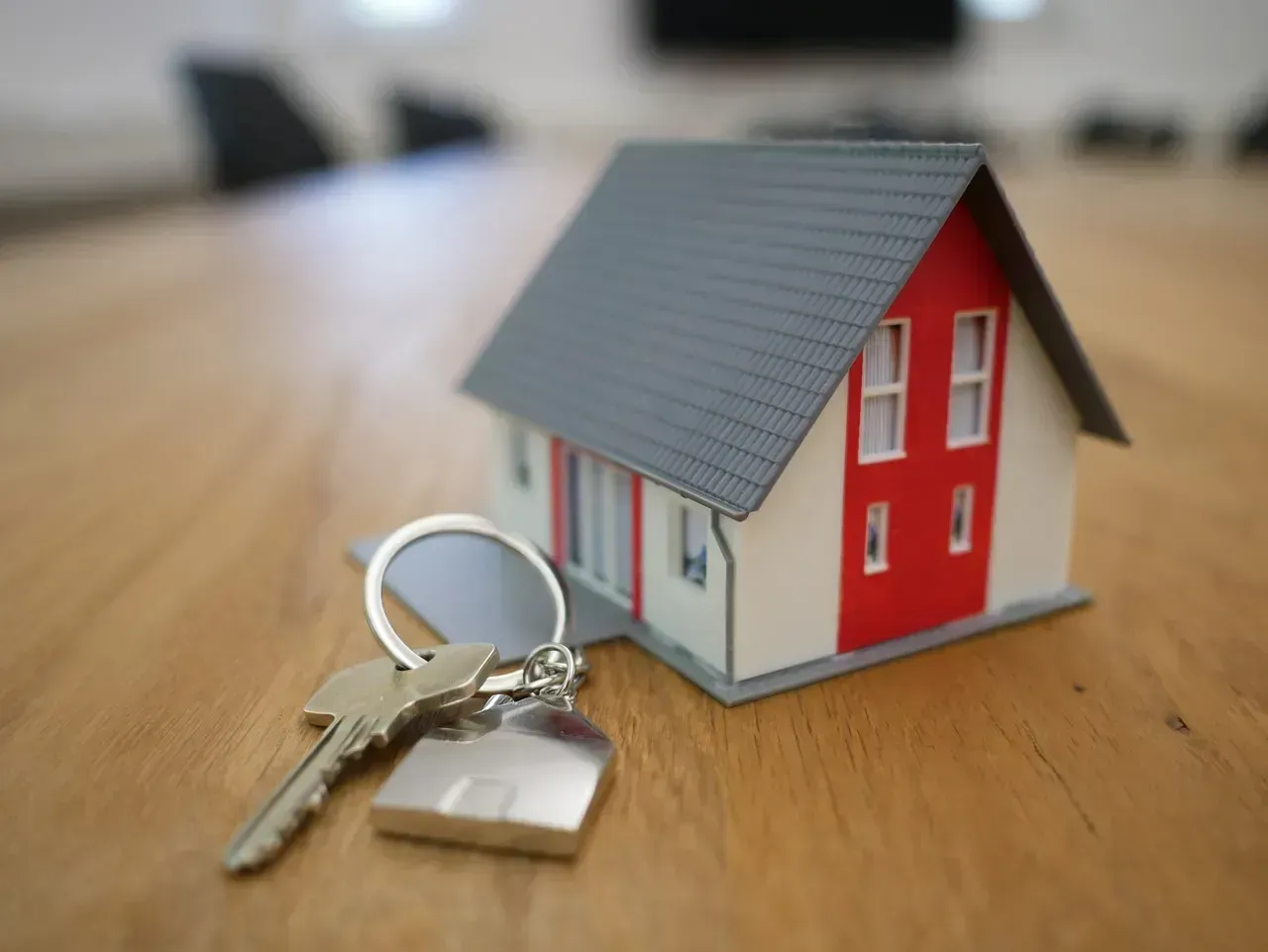
Nearly two-thirds of boomers who own homes expect to profit more than $100,000 when selling their home, while 40% expect to clear $200,000 or more. Those expectations clash violently with market realities. Most seniors will be able to sell their homes, but it may become especially difficult in smaller, distant and slow- or non-growing markets.
The median time for Miami houses on the market in 2024 was 69 days, which is longer than all other major U.S. cities. In Austin, Texas, home sales slowed considerably in 2024, and listings sat on the market for a median period of 66 days. These aren’t random cities – these are places boomers flocked to, betting on appreciation that hasn’t materialized as they’d hoped.
Many sellers haven’t adjusted their expectations or home prices to match, with many asking for listing prices that reflect those they saw during the 2020 pandemic.
Trapped by Their Own Equity
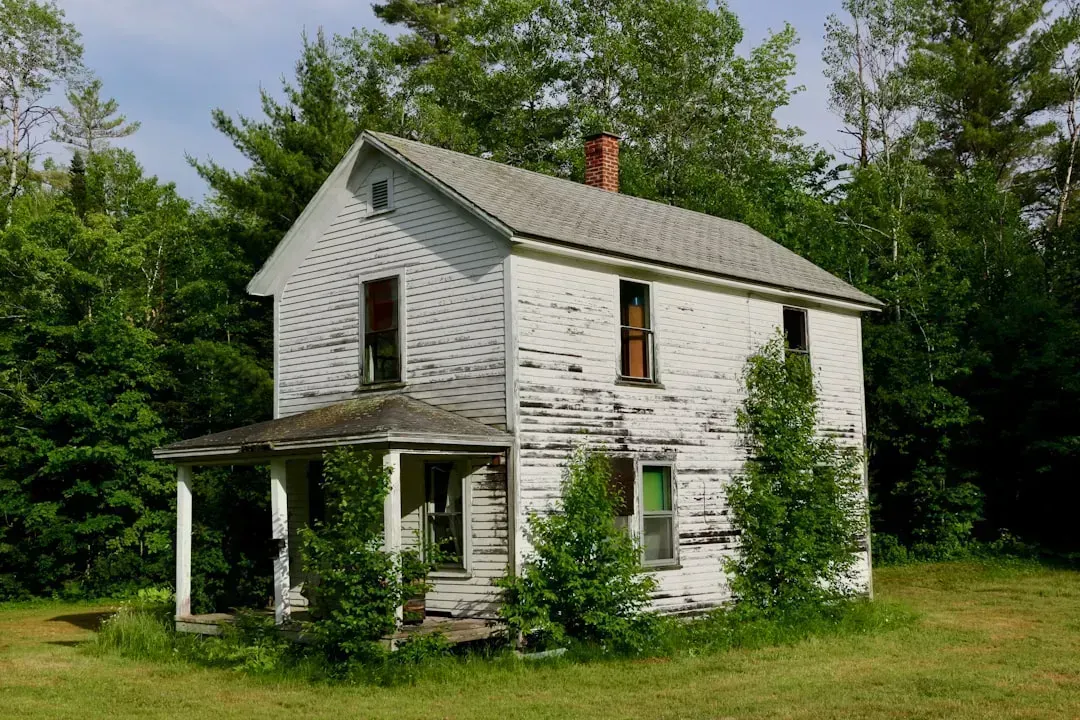
Median homeowner tenure in recent years is at a historically high level, having almost doubled from 6.5 years in 2005 to 11.9 years in 2024. The typical seller in 2025 had lived in their home for 11 years before selling – a record high. It’s hard to say for sure, but many boomers seem stuck – not by desire, but by financial calculus.
On a national basis about 9 million homeowners over the age of 65 exceed the single filer capital gains exclusion limit. Selling means triggering massive tax bills. Some baby boomers would like to downsize from their large homes, but say it doesn’t make financial sense. Some baby boomers find that when they want to downsize, there are no smaller options in their neighborhoods, which means when older adults decide their current homes are too big, they basically have to move out of their neighborhoods.
This isn’t just about money – it’s about identity. Almost half of current boomer homeowners would consider themselves failures if they didn’t own a home.
The Ghost Mansion Future
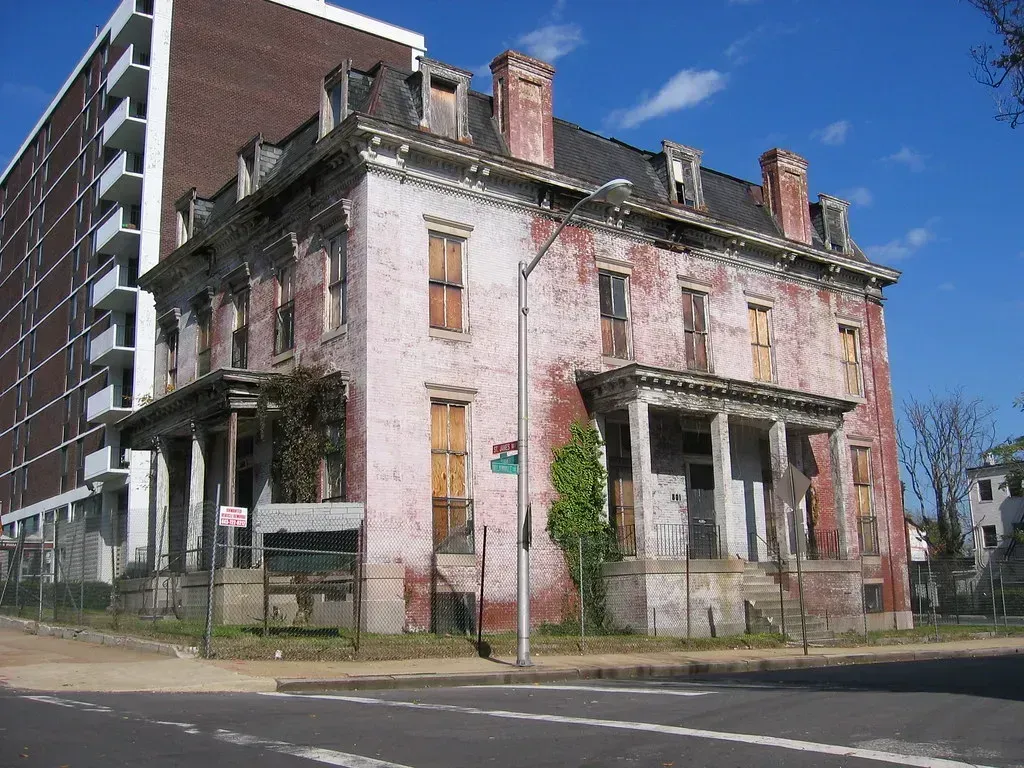
A wave of downsizing and declining homeownership rates among baby boomers is expected to bring more than 9 million homes onto the market in the next decade. That might sound like relief for housing-starved millennials, except there’s a mismatch problem. The median expected tenure in a purchased home is now 15 years, with 28% of buyers declaring it’ll be their “forever home” and that they never intend to move.
Younger buyers want walkable neighborhoods, smart thermostats, and energy efficiency. They don’t want five-bedroom maintenance headaches in car-dependent suburbs. Millions of millennials and members of Generation Z may not want those homes, opting for smaller homes in walkable communities instead of distant suburbs.
So what happens to all those grand homes built for sprawling families that no longer exist? They sit. They wait. They become monuments to a version of the American Dream that’s quietly fading.
The irony is almost poetic. Boomers worked their entire lives to afford these houses. Now they’re trapped inside them, watching the market shift beneath their feet, unable or unwilling to move. These aren’t forever homes anymore – they’re expensive cages with too many empty rooms. What do you think – will boomers eventually adjust their expectations, or are we watching an entire housing segment freeze in place?