7 Restaurant Red Flags Chefs Say Mean You Should Walk Out
Walking into a restaurant can feel like stepping into a mystery. Sometimes the menu looks perfect, the vibe seems right, yet something feels off. Trusting your gut matters more than you think when dining out. Industry professionals who’ve spent decades in kitchens know exactly what signals danger, poor hygiene, or just plain bad management.
These red flags aren’t about snobbery or being overly picky. They’re about your health and your wallet. Let’s be real, nobody wants to spend money on a meal that could make them sick or leave them disappointed. Here’s what chefs and restaurant insiders watch for, and what should send you straight back out the door.
The Bathroom Tells You Everything
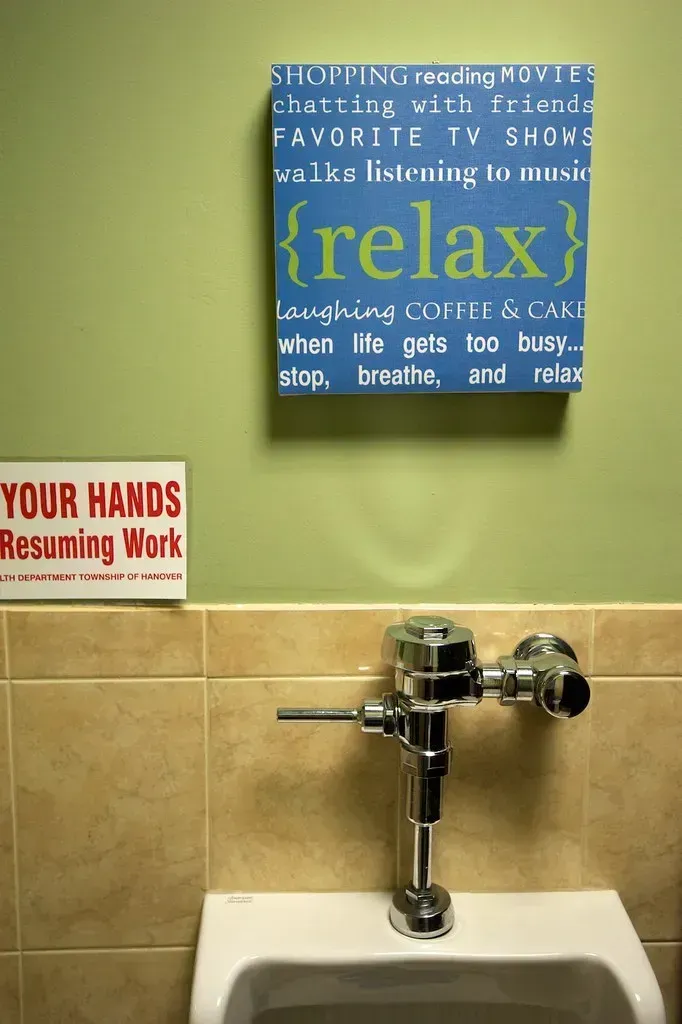
You’ve probably heard it before: a dirty bathroom is the best indicator that a restaurant isn’t safe to eat at. If the toilets are gross, the garbage is overflowing, toilet paper or paper towels are running low, and the sink and mirror are covered in grime, that’s a really bad sign. Think about it this way. If a restaurant can’t take care of the most visible unhygienic room in the building, one that every customer sees, what’s happening behind closed doors in the kitchen?
The absence of soap in the dispensers is a critical health violation that impacts everyone in the building, because staff members cannot wash their hands effectively without soap, which puts every diner at risk. This is a basic supply that should be checked hourly by the management team.
Sticky Surfaces and Grimy Menus
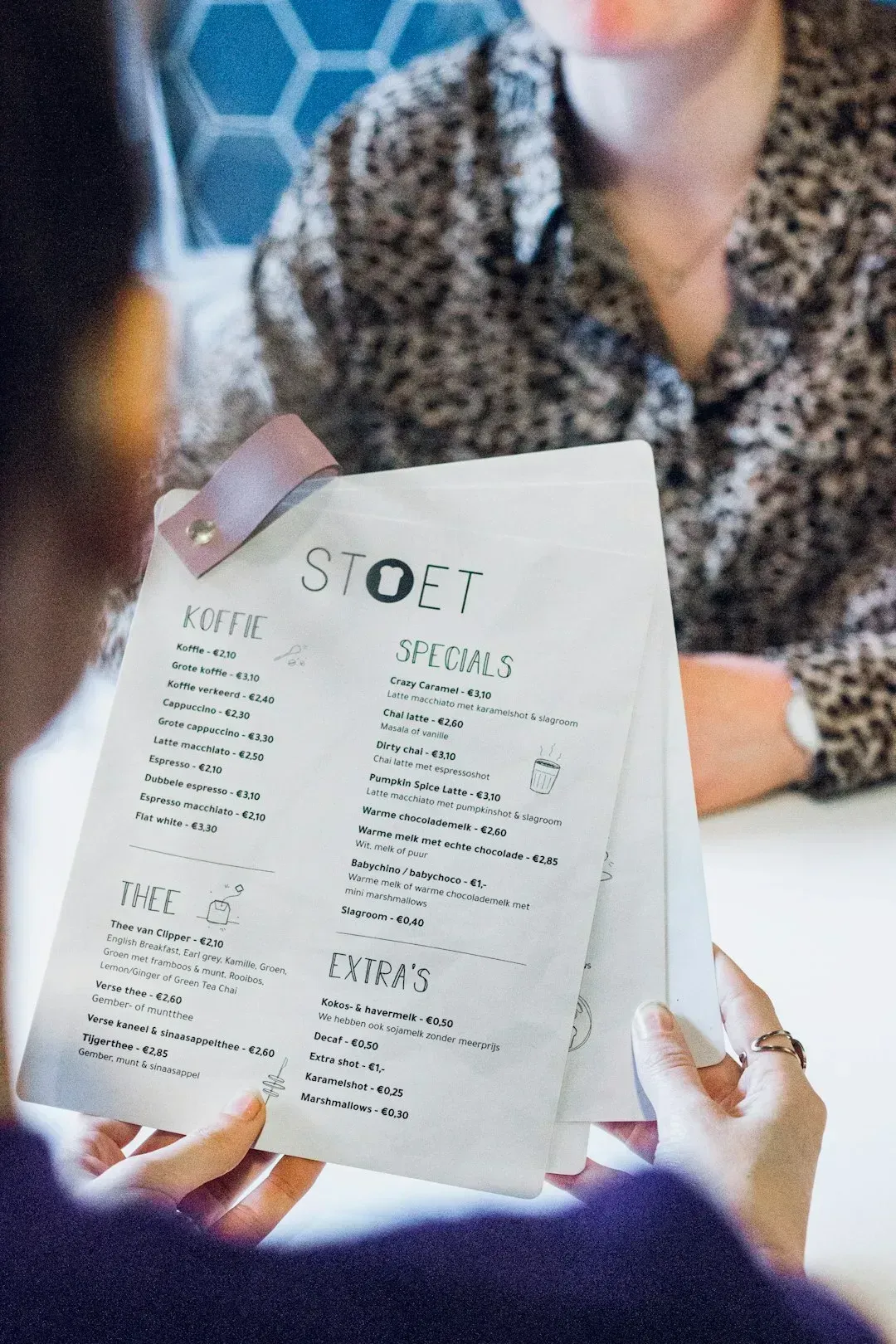
Is your table, menu, seat, or condiments sticky? They can’t be both clean and sticky at the same time. Honestly, this is one of those things you notice immediately but might dismiss as minor. It’s not minor. Menus in bad shape that are stained, sticky, or otherwise damaged aren’t a good sign. Hundreds of people have held that same menu, and if they’re not cleaned or replaced on a very regular basis, that means you’re picking up germs from anyone else who’s touched it.
Ketchup or mustard bottles that stick to your hands haven’t been wiped down during the shift, and these high-touch objects transfer bacteria between every table that uses them. I know it sounds crazy, but those small details reveal how much the staff cares about cleanliness across the board.
The Restaurant Is Completely Empty During Peak Hours
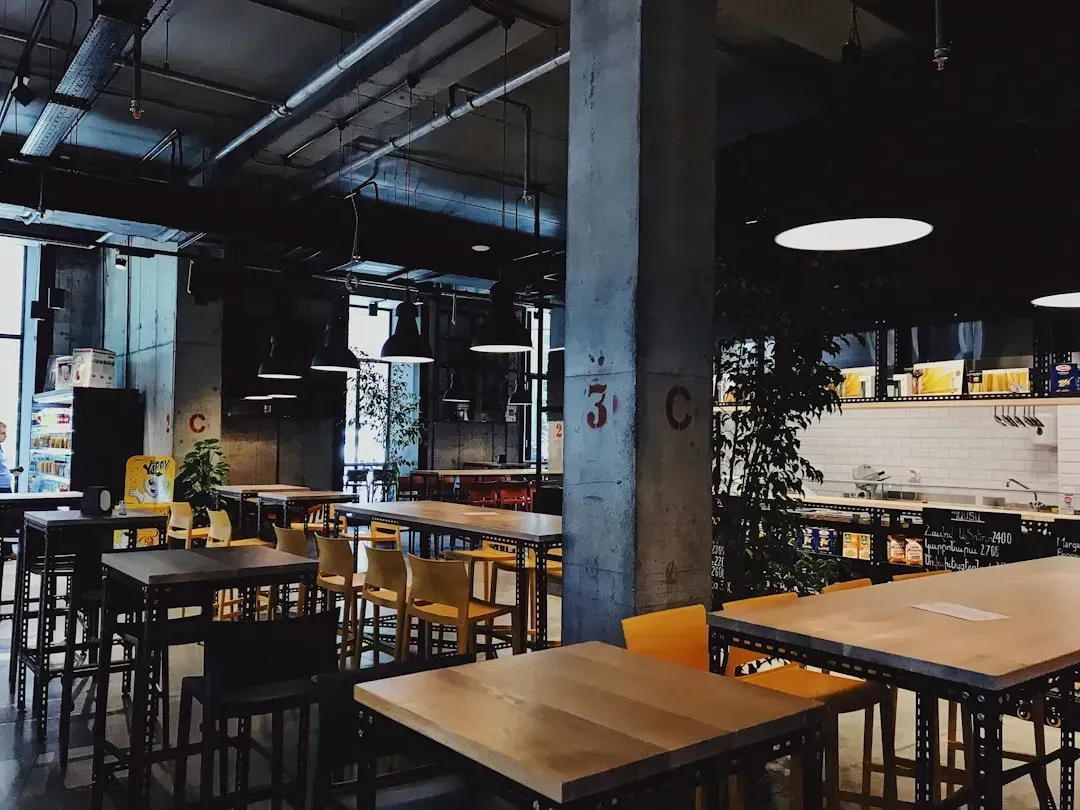
Context matters, but beware of dining rooms that are empty at peak hours, as consistently empty restaurants often point to a loss of community trust whether from poor service, declining quality or mismanagement. A restaurant with low traffic could also have slower food rotation, leading to fewer fresh ingredients. Let’s get real here. Locals know which places serve good food and which ones to avoid. They vote with their wallets.
A restaurant with no cars outside during peak dinner hours is a significant warning regarding its reputation, because locals generally know which establishments offer good value and safe food, and low turnover leads to stagnant inventory which means ingredients may not be fresh.
An Overly Huge Menu Spanning Multiple Cuisines

A mile-long menu with offerings of Italian, Chinese, and Mexican food is a clear sign that the restaurant didn’t master any single cuisine and they rely on frozen and pre-packaged ingredients. Nobody can do everything well. If a restaurant offers dozens of dishes, how often is each one ordered, and the ingredients from your dish may have been sitting in the back of the freezer for months, because the restaurant lacks a specialty at all.
Chain restaurants, or ones with huge menus, may cut down on family fights at the table, but it also means skimping on fresh ingredients, and chefs typically stay away from large chains because everything is usually brought in frozen once or twice a week.
Visibly Sick or Unkempt Staff Handling Food
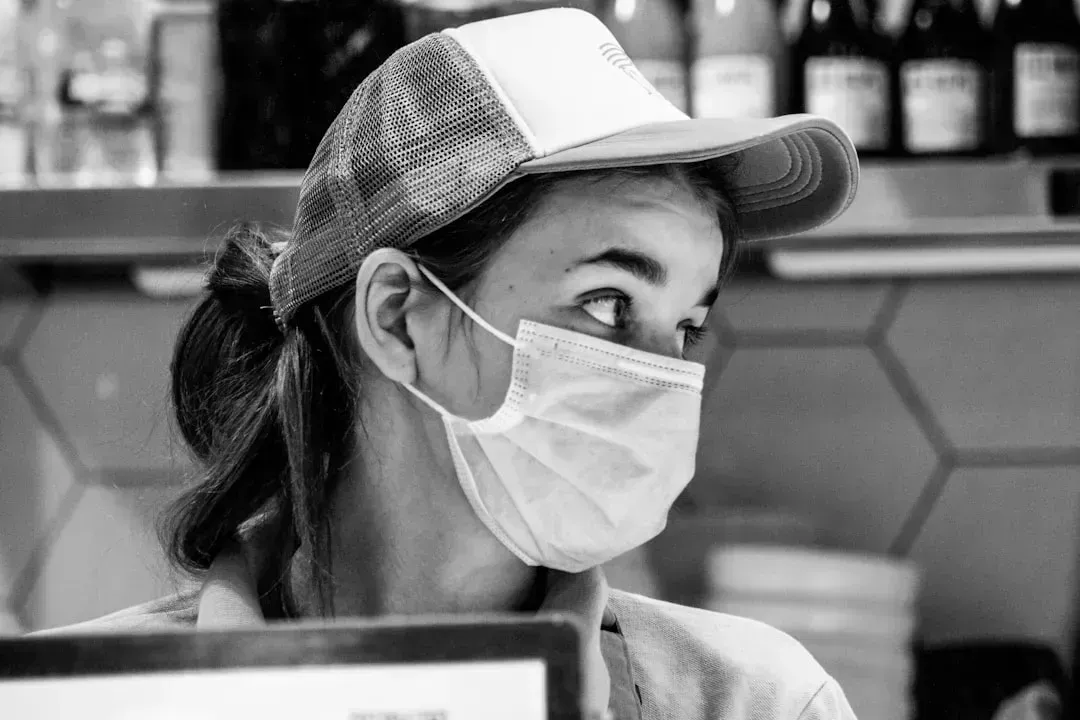
A sick employee is a walking health hazard, and if you see your server coughing, sneezing, or looking sick, it’s a red flag. Servers or kitchen staff who are visibly coughing or sneezing pose a direct threat to public health, because management forces sick employees to work when they prioritize staffing levels over customer safety, and food acts as a vector for viruses when handled by infected individuals.
Nobody likes to walk into a restaurant to be greeted by grubby servers, because unpleasant body odors and dirty hands are more than enough to put most folks off their food, posing the risk of contamination. If the staff’s hygiene is low, then expect the establishment’s overall food safety to be low too.
Foul Smells or Overpowering Bleach Odors
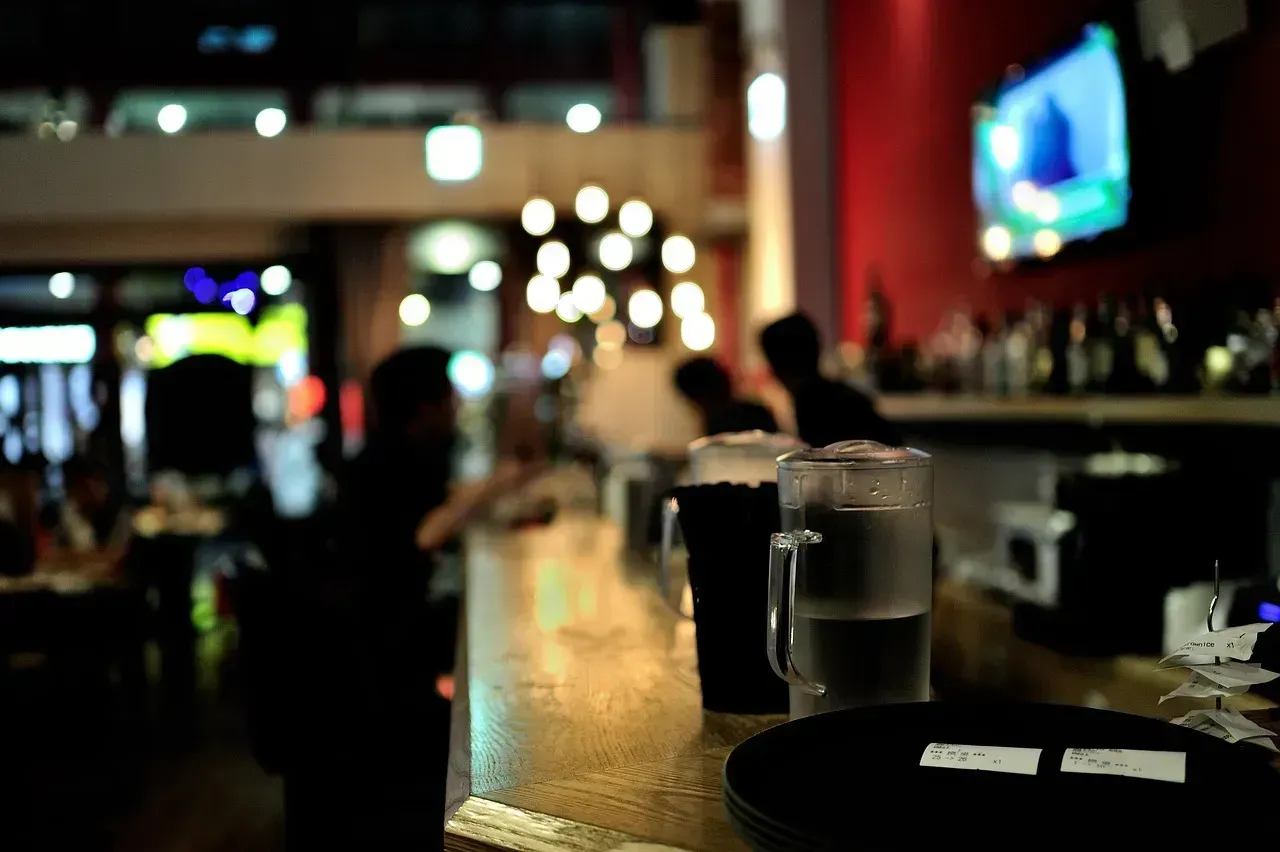
When you set foot inside a restaurant, take a sniff, and if it smells like garbage, grease, or anything unpleasant, leave. Strange smells are warning signs that something’s going wrong with food storage, waste management, or general hygiene. Overpowering bleach or cleaning product odors during service hours suggests that they are covering up another smell, and this could also mean that the staff is cleaning during meal prep, which is a health code violation because your food could get contaminated with unwanted chemicals.
Here’s the thing. A restaurant should smell like food cooking, maybe some pleasant spices or baked goods. Anything else is suspicious. Your nose knows when something isn’t right, so trust it.
Dirty Exterior and Exterior Neglect
If you get out of your car and come face to face with open dumpsters, trash and cigarette butts on the ground, you may want to keep driving. Dirty windows and doors are also a sign the restaurant isn’t focused on cleanliness, and that may carry over into the areas where your food is prepared. First impressions count for a reason. Take a look at your surroundings, including the parking lot and entrance, and notice anything filthy like overflowing dumpsters, trash littering the ground, and even dirty windows, which are clear signs that an establishment isn’t focused on cleanliness.
Did you know that roughly about seven out of ten diners are deterred by health code violations when choosing a restaurant? That statistic from recent years proves how seriously people take these warning signs. Nobody should risk their health just for a meal. If management can’t keep the front entrance clean, imagine what’s happening in the back where nobody can see.
What do you think about these red flags? Have you ever walked out of a restaurant because something felt off?