I Switched Back to Gas After Driving Electric – Here’s What I Discovered
Let’s be real, the conversation around electric vehicles has gotten louder than ever. For years, we’ve been told that going electric is the future, the smart move, the responsible choice. So naturally, when I made the leap to an EV a couple of years back, I felt like I was joining some exclusive club of forward-thinking drivers. The quiet hum of the motor, the instant torque, the smug satisfaction at the gas pump I no longer needed. It was intoxicating at first.
Then reality set in. After living with an electric car through multiple seasons, road trips, and everyday errands, I found myself back at a traditional dealership, signing papers for a gas-powered vehicle. It wasn’t an impulsive decision or buyer’s remorse in the typical sense. It was the result of real-world friction that I simply couldn’t ignore anymore. Here’s what I learned from both sides of this automotive divide.
The Charging Infrastructure Problem Nobody Talks About Honestly
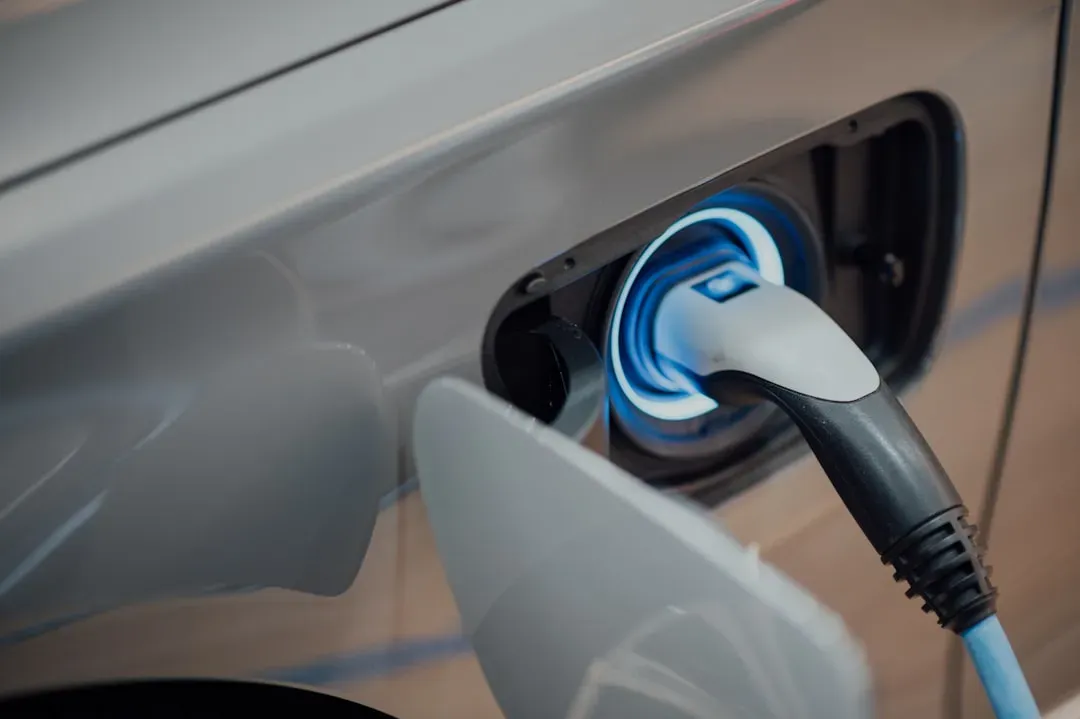
Nearly half of U.S. EV owners say they may switch back to internal combustion engines, according to a McKinsey survey from 2024, and charging infrastructure is the biggest culprit. Of electric vehicle drivers likely to purchase an ICE as their next vehicle, 35% cite the lack of adequate public charging infrastructure as the basis for their decision. Here’s the thing: when you live in a major city or suburb with a garage, home charging works beautifully. You plug in overnight, wake up to a full battery, and you’re golden for your daily commute.
The problem emerges when you venture beyond your comfort zone. Drivers can successfully recharge their cars using non-residential EV equipment only 78% of the time, Harvard Business School research revealed in 2024. That means roughly one in five charging attempts fails. Imagine pulling into a gas station and having a one-in-five chance the pump won’t work. You’d lose your mind.
In the U.S., 60% of urban residents live less than a mile from the nearest public charger, compared to 41% of suburban residents and 17% of rural residents. Taking a weekend trip to visit family in a rural area became an exercise in obsessive route planning. I’d check PlugShare, ChargePoint, and Google Maps, cross-referencing which stations were operational, only to arrive and find half the chargers broken or occupied for hours. The anxiety was exhausting.
Range Anxiety Is Real, Despite What the Brochures Promise
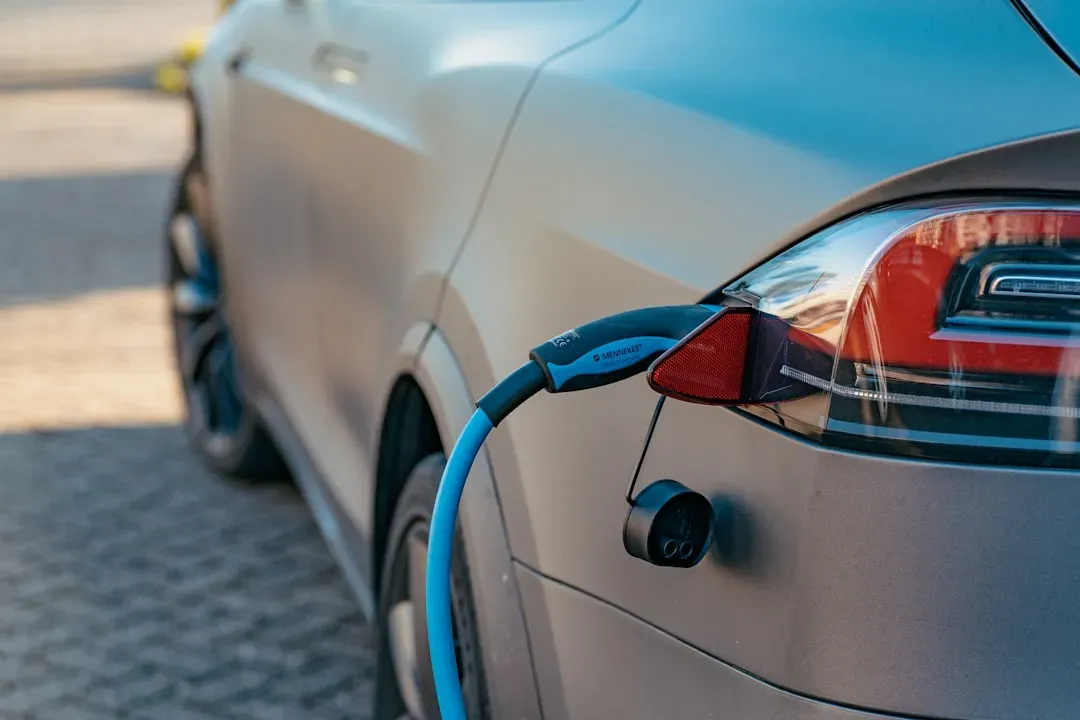
Before I bought my EV, the salesperson assured me that range anxiety was “mostly psychological” and would disappear once I got used to the car. More than two-thirds of prospective EV owners said they haven’t bought one yet because of range anxiety, a Recurrent study found. Turns out, that anxiety has a basis in reality.
My EV had an EPA-rated range of around 280 miles. Sounds great on paper. In practice, highway driving at 75 mph in cold weather would slash that to about 180 miles. Sub-freezing weather can temporarily shave 20–40% off range, especially for short trips. Winter became a nightmare. Every trip required mental math: Can I make it there and back? Where can I charge if I can’t?
For someone for whom it’s going to be the charging component, or maybe the range wasn’t good enough, or battery degradation, 35% cite the lack of adequate public charging infrastructure. The combination of unpredictable range and unreliable charging turned what should have been relaxing drives into stressful missions. Gas cars don’t make you think this hard. You drive until the tank is low, pull into any station, and five minutes later you’re back on the road.
The Hidden Costs That Surprised Me
Everyone fixates on the sticker price of EVs, which has come down considerably. What caught me off guard were the ancillary expenses. The cost of a replacement battery could be as much as $20,000, and while my battery was fine, the looming possibility of that expense made me uneasy about long-term ownership. Insurance premiums were noticeably higher than my previous gas car, partly because repair costs for EVs can be astronomical.
Then there’s depreciation. EVs’ residual values have depreciated two to three times faster than those of ICE vehicles, according to a 2024 PwC analysis. When I looked at trade-in values after just two years, I was shocked. The car had lost nearly half its value. Meanwhile, used gas cars were holding their worth much better. That’s real money disappearing from your investment.
In Q2 2024, 39.4% of EVs utilized as a trade-in were used to purchase or lease a new ICE vehicle, Edmunds reported. I wasn’t alone in this realization. The financial calculus simply didn’t favor keeping the EV once I factored in depreciation, insurance, and the potential future cost of battery replacement versus a reliable gas car with predictable maintenance costs.
What I Actually Miss About My Electric Car
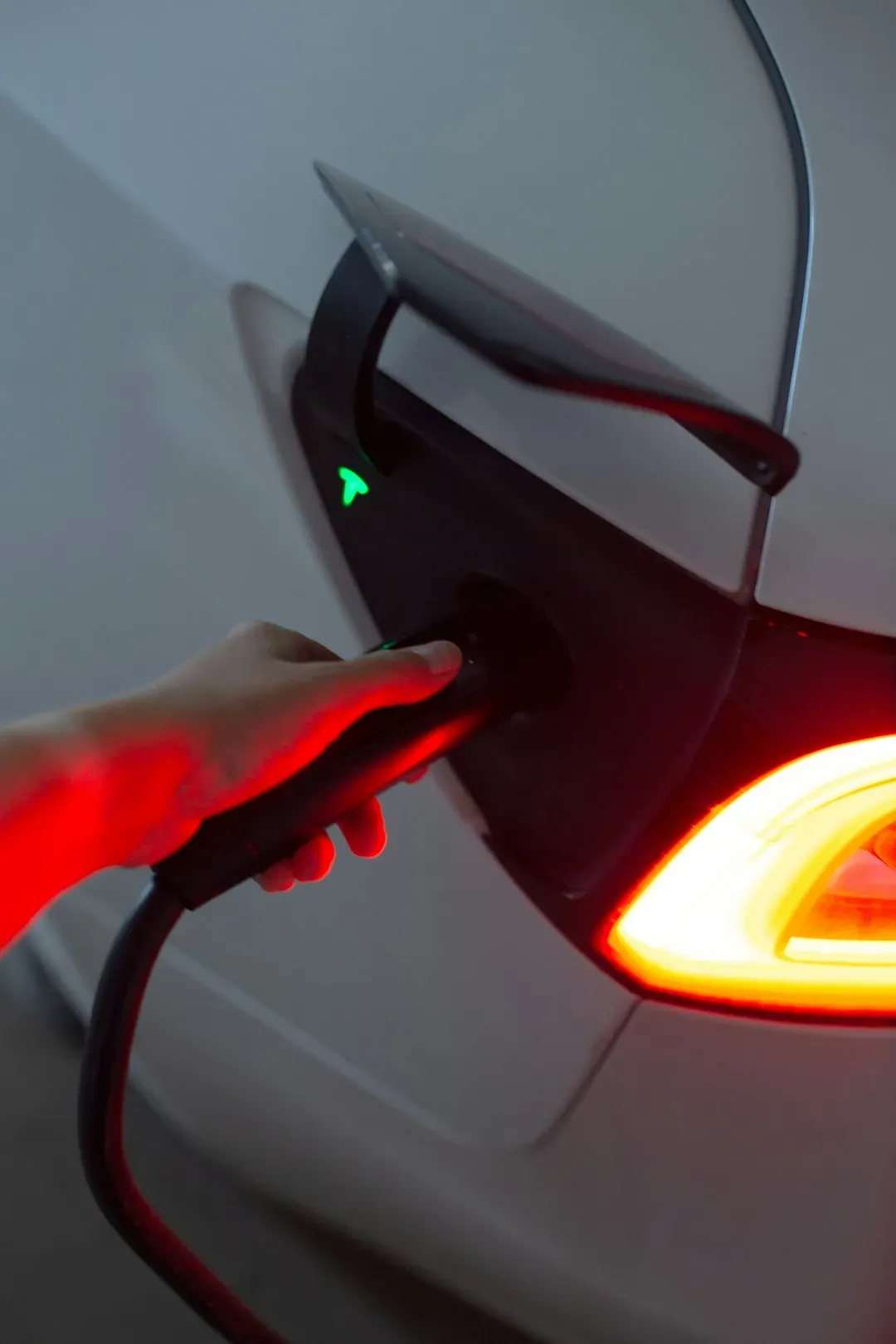
Switching back wasn’t all relief and vindication. Honestly, there are aspects of EV ownership I genuinely miss. The silence is profound. No engine rumble, no vibration at stoplights, just serene quiet. The acceleration from a standstill is addictive; electric motors deliver instant torque that makes merging onto highways effortless and fun.
Over 90% of EV drivers plan to buy another electric vehicle after trading in a gas car, meanwhile, only 1% said they would return to an ICE vehicle, a Global EV Alliance survey from late 2024 found. Those are wildly different numbers from the McKinsey study, which suggests that experience matters tremendously. For people with ideal circumstances like home charging, short commutes, and minimal long-distance travel, EVs are fantastic.
I also miss not visiting gas stations. There was something liberating about waking up to a “full tank” every morning. Maintenance was simpler too: no oil changes, fewer brake replacements thanks to regenerative braking, and generally less mechanical complexity. If charging infrastructure were better and range more consistent, I might have stuck it out. The core technology is impressive.
The Bigger Picture: Where EV Adoption Really Stands
McKinsey & Co.’s Mobility Consumer Pulse for 2024 found that 46% of EV owners in the U.S. said they were “very” likely to switch back to owning a gas-powered vehicle in their next purchase. That’s a staggering figure that challenges the narrative of inevitable, smooth electrification. EVs are projected to account for only 11% of all U.S. light vehicle sales by 2029 as a result of “policy roadblocks,” according to EY’s data, though EVs are on track to reach 32% of U.S. light vehicle sales by 2035.
The divide is stark between early adopters who had ideal charging situations and newer buyers entering the market without those advantages. Among early EV adopters for whom the electric vehicle is their primary mode of transportation, there is more dissatisfaction with the vehicle and a higher likelihood of trading in an EV for ICE, meanwhile, high-income drivers with garages and multiple car options are more likely to be satisfied with their purchase.
This isn’t about being anti-EV or resistant to change. It’s about the gap between promise and reality. Charging infrastructure remains a critical barrier to widespread EV adoption, though there are currently over 76,000 public station locations and 228,000 charging ports across the United States, access is still uneven, especially in rural areas. Until that infrastructure catches up and becomes as reliable as gas stations, many drivers like me will face the same tough choice.
Switching back to gas taught me that the transition to electric isn’t failing because the technology is bad. It’s struggling because the ecosystem supporting it isn’t ready for mass adoption yet. Maybe in another five years, with better infrastructure and improved battery technology, I’ll be ready to go electric again. For now, though, the convenience and predictability of a gas car won the day. Would you make the same choice, or stick with electric no matter what?