Hotel Servers Notice These 6 Things About You the Moment You Sit Down
You might think you’re just grabbing a casual dinner or checking into a hotel restaurant after a long day. What you probably don’t realize is that the server approaching your table has already read you like a book. Within seconds of you sitting down, they’ve gathered clues about your mood, your needs, and even how your meal is likely to unfold.
Hospitality professionals notice body language first, since it can be seen from a distance and helps determine how to approach a person. It’s honestly fascinating how much information gets exchanged before a single word is spoken. So, what exactly are they picking up on?
Your Body Language Speaks Volumes
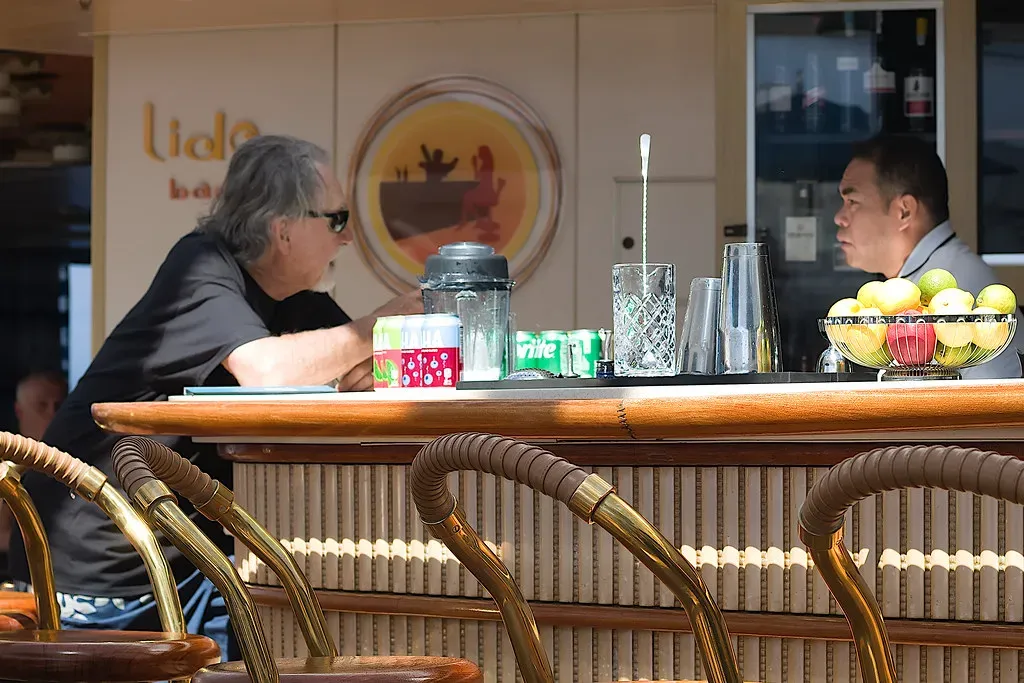
Let’s be real, your posture tells a story before you’ve even glanced at the menu. If you stride quickly to your table, immediately open the menu and avoid eye contact, it signals that you prefer efficiency and minimal interaction, but if you leisurely make your way to your seat and take in your surroundings, you’re likely more outgoing and interested in a social dining experience. Servers pick up on these signals immediately because it helps them calibrate their approach.
Think about it. A guest who rushes in with tense shoulders and a furrowed brow probably isn’t looking for chitchat about the daily specials. Servers continue to watch for cues in facial expressions, posture and the tone of conversations to assess mood and comfort level, which allows hospitality workers to adjust their service pace. This silent communication shapes the entire dining experience.
Your posture reveals whether you’re an introvert with arms crossed and eyes cast downward, or an extrovert with open posture, relaxed shoulders and frequent eye contact. Honestly, I think most of us have no idea how transparent we are. That crossed-arm stance you adopted while waiting? Your server interpreted that as either discomfort or a desire for minimal interaction.
The Composition of Your Dining Group
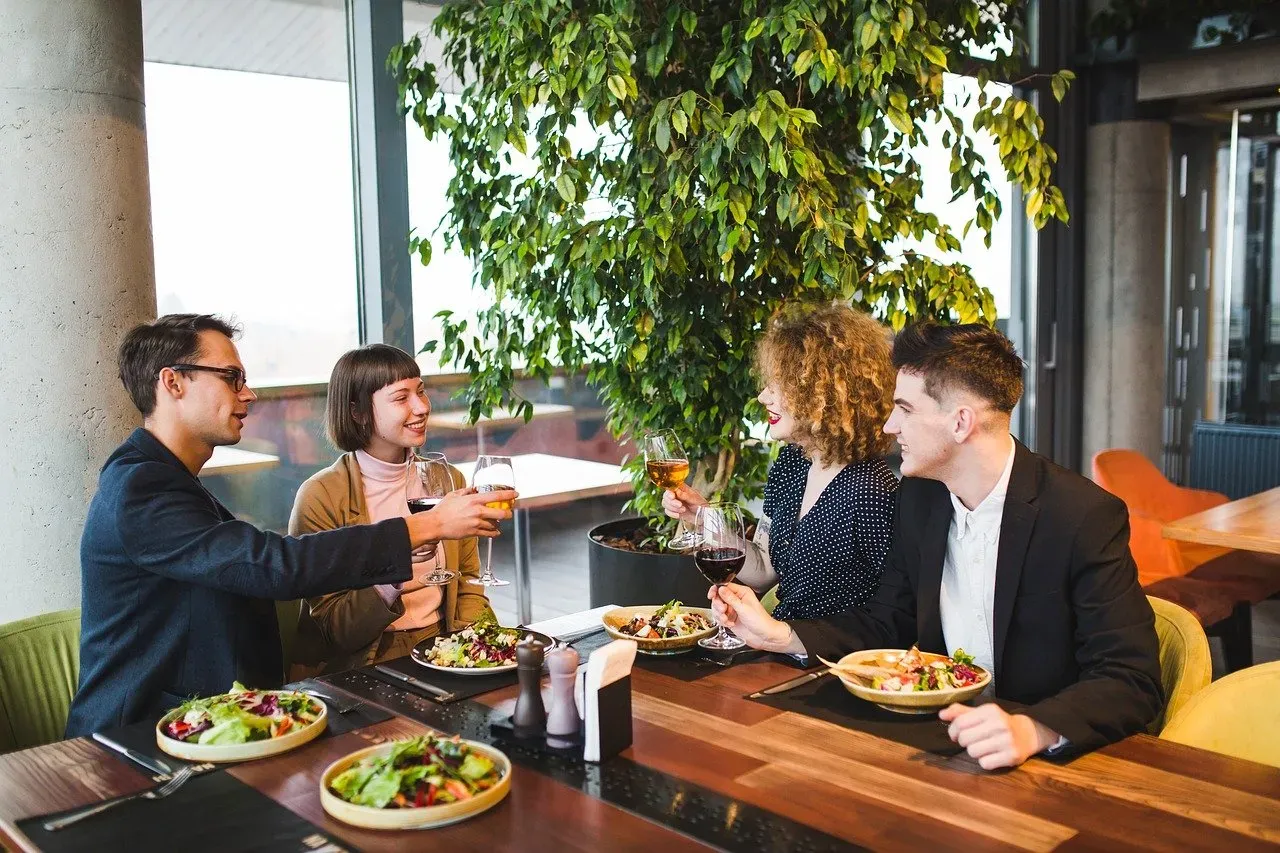
Waiters pay close attention to your dining group as you approach, noting whether you’re alone, with a date or part of a large gathering, as solo diners may appreciate prompt service with minimal interruptions, while a couple on a date might prefer a slower pace, and large lively groups typically need more service overall but less individual attention.
Here’s the thing. A business lunch has completely different energy than a family celebration or a romantic dinner. Servers can often tell the difference within moments. They’re scanning the dynamics, the age range, the formality of dress. All these tiny details paint a picture of what kind of service you’ll need and want.
A table of friends laughing loudly gets approached differently than a quiet couple leaning in close. The server adjusts not just timing, but tone and the level of engagement. It’s almost like they’re performing customized service before you’ve ordered a single drink.
Your Mood and Stress Level
If you’re fidgeting, glancing around or checking your watch, a server may recognize you’re in a rush and speed things up, but if you’re leaning back, smiling and enjoying long conversations, they’ll likely slow the service, letting you savor your experience without feeling rushed. This kind of intuitive adjustment happens constantly in good restaurants.
Pursed lips often indicate tension, an anger signal that could mean the customer is unhappy but doesn’t want to say anything, as some people find it difficult to advocate for themselves and get frustrated instead. Experienced servers can spot this discomfort a mile away. They know when someone’s words say “everything’s fine” but their face screams otherwise.
What’s wild is how servers use this information. You may want to ask one or two follow up questions to try to draw the guest into expressing the problem so you can fix it, or toss an extra or upgrade their way to turn those pursed lips into a smile. It’s proactive problem solving based purely on reading nonverbal cues.
Your Level of Menu Familiarity and Dining Experience
Servers notice right away when people are confused about table etiquette and will try to subtly help them out so they won’t feel embarrassed, especially in upscale settings where business clients do deals. This kind of observation isn’t about judgment. It’s about creating a comfortable experience for everyone, regardless of their background.
Whether you confidently scan the wine list or hesitate over the silverware setup, your server sees it. They notice if you’re squinting at the menu trying to decipher ingredients or if you immediately flip to familiar comfort foods. First impressions form within seven seconds of a guest entering a restaurant, and guests who receive acknowledgment within 10 seconds of entering report 30 percent higher satisfaction rates regardless of wait times.
Honestly, there’s something reassuring about knowing servers are trained to help rather than judge. They want you to enjoy yourself, and part of that means anticipating where you might need gentle guidance without making it obvious.
Your Eye Contact and Engagement Level
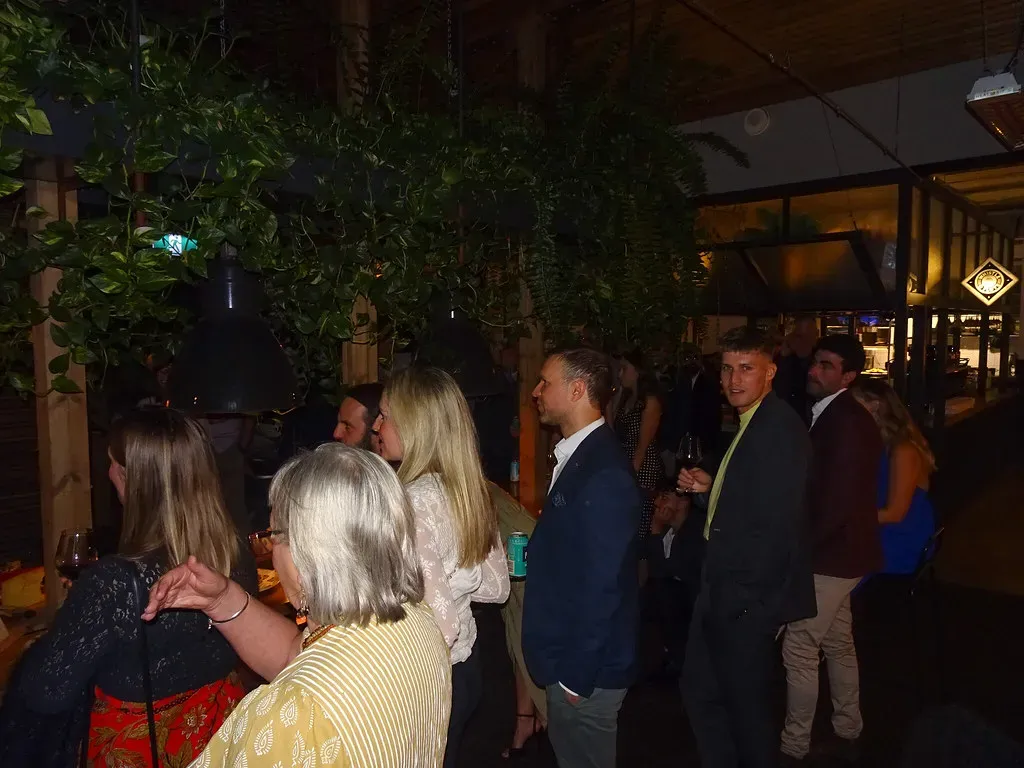
When a guest isn’t looking at you they’re probably not very engaged in the transaction and may be impatient or just uninterested, but if they’re making eye contact in a customer service setting you have their full attention, creating a great opportunity for an upsell. Eye contact is basically the currency of connection in hospitality.
Studies show that appropriate eye contact increases trust by up to 70 percent and makes interactions feel more personal and valued, which in hospitality becomes crucial for business success. I know it sounds almost calculated, but it’s really about creating genuine human connection in a commercial setting.
Servers can tell if you’re distracted, scrolling through your phone, or genuinely present in the moment. That presence influences everything from how detailed their menu explanations will be to whether they’ll suggest that special dessert. Your attention signals what kind of service experience you’re open to receiving.
Small Personal Details That Create Connection
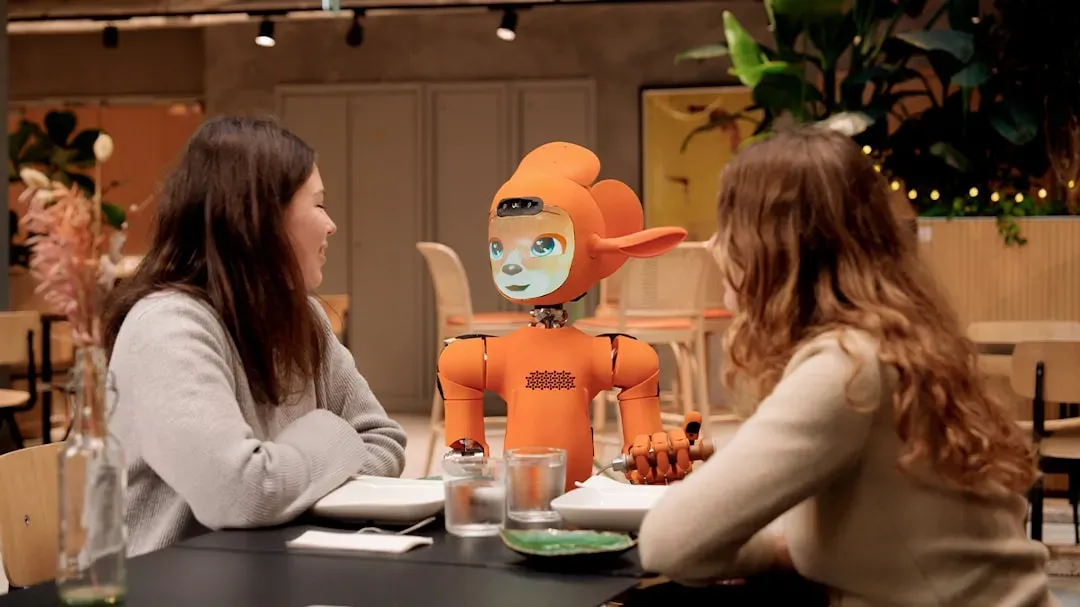
Connection is the name of the game in hospitality, and servers notice little things like a jersey or hat of your favorite sports team, your hairstyle, fancy shoes, jewelry with sayings and charms, and tattoos. These observations aren’t superficial. They’re genuine attempts to find common ground and personalize your experience.
A server might comment on your college sweatshirt or compliment a unique piece of jewelry because they’re trying to establish rapport. Data from the PwC Future of Customer Experience Survey showed that 65 percent of customers identified personalization as a key factor in their experience and are willing to pay up to 25 percent more for a personalized stay. That’s a huge deal in the hospitality industry.
These small acknowledgments transform a transaction into an interaction. They make you feel seen as an individual rather than just another table to turn. And here’s the truth: when servers nail this personalized touch, it completely changes how guests remember their experience.
The next time you sit down at a hotel restaurant, remember that your server has already gathered a remarkable amount of information about you. It’s not invasive observation – it’s skilled hospitality. They’re simply trying to give you exactly the experience you need, even before you know you need it. Pretty impressive when you think about it, right?