12 Grocery Store Tricks Most Shoppers Overlook, Former Employees Say
The Irresistible Smell Isn’t Always Fresh Bread
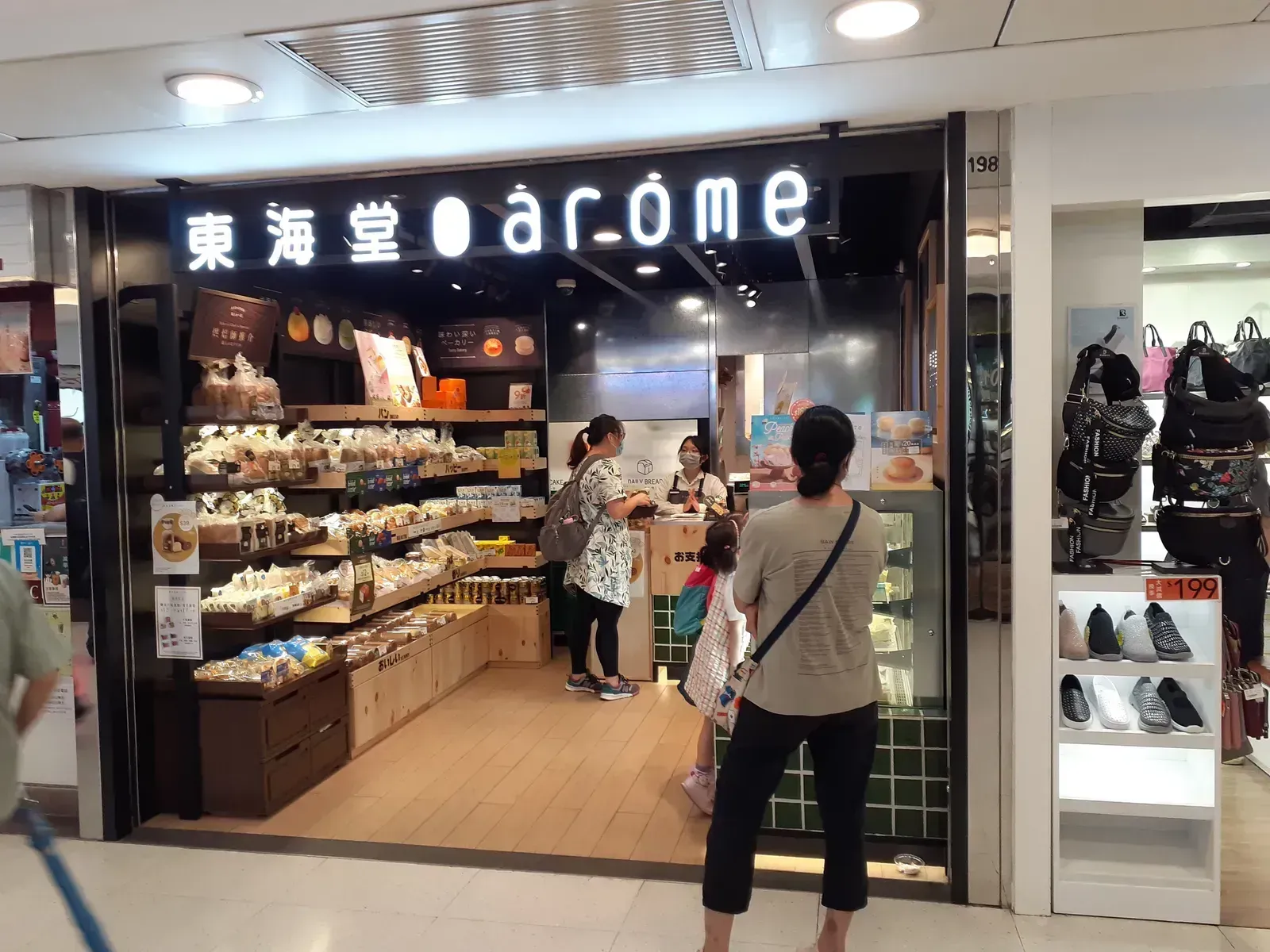
Walk into any supermarket and that wonderful bakery aroma hits you immediately, making you think everything is baked from scratch right there. The truth is that many of those breads, cookies, and pastries arrive frozen or partially baked, and employees simply finish them in ovens on site. The enticing smell from the in-store bakery is often by design, with many items arriving as frozen, pre-made dough or par-baked products. Sure, they’re technically baked fresh, but the whole operation is less rustic kitchen and more industrial efficiency. It’s honestly a pretty clever trick when you think about it.
Eye Level Is Profit Level, Not Best Deal Level
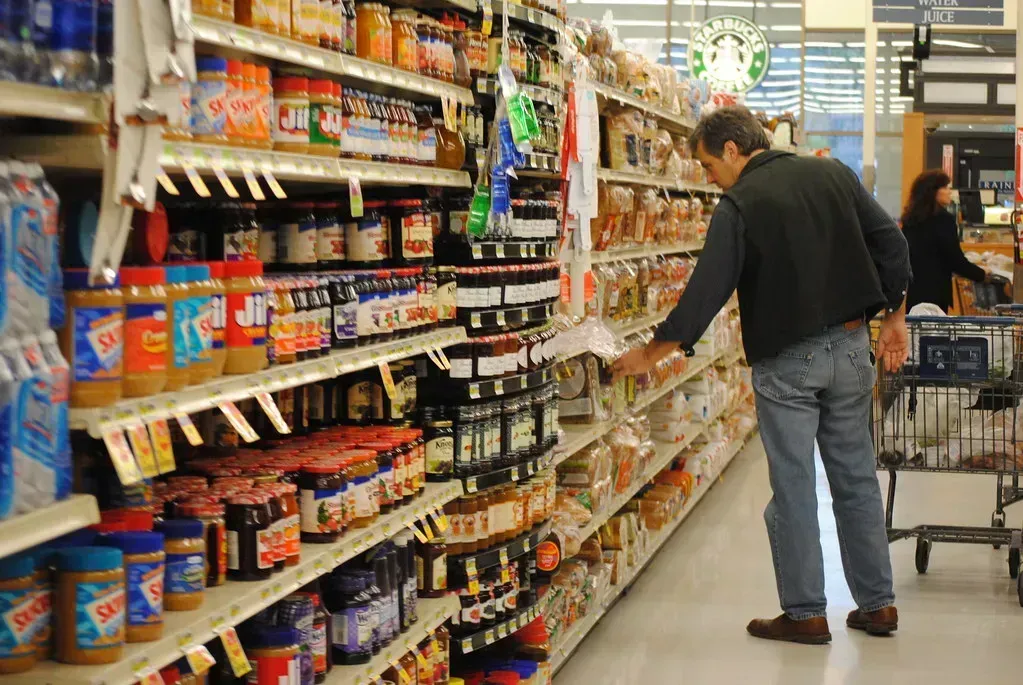
Products placed at eye-level shelves can boost sales by up to 23%, which is precisely why grocery stores don’t put their cheapest items there. Supermarkets place higher-margin products at eye level that they want you to buy, while similar but cheaper products sit a few shelves down. Some stores even strategically position their home brands at eye level despite being the cheapest products, while reserving upper shelves for top brands that are typically the most profitable. Next time you’re shopping, crouch down or look up. The best deals are hiding where you have to work a bit to find them.
Loss Leaders Are Strategic Money Losers
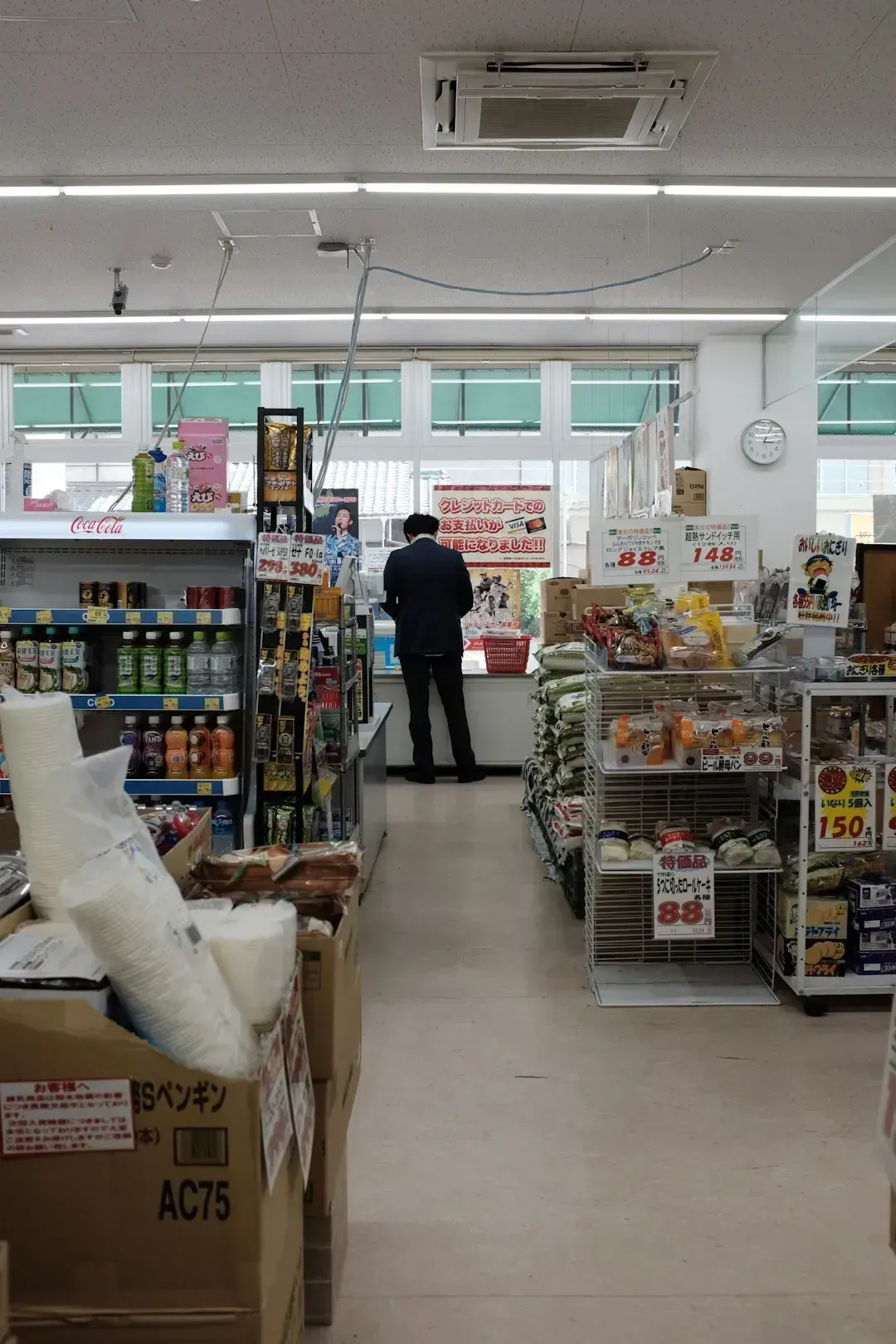
Products like rotisserie chickens, milk and bread are known as loss leaders, items that are sold at or below cost in order to draw customers and drive sales of other more profitable items. Perishable food items are popular loss leaders because grocery stores know customers won’t stockpile them. Those prepared sides like mashed potatoes or mac and cheese bring in great margins for grocery stores. The store might lose a buck on that chicken, but they’ll make it back when you grab three side dishes and a dessert to go with it.
Cart Size Influences How Much You Buy
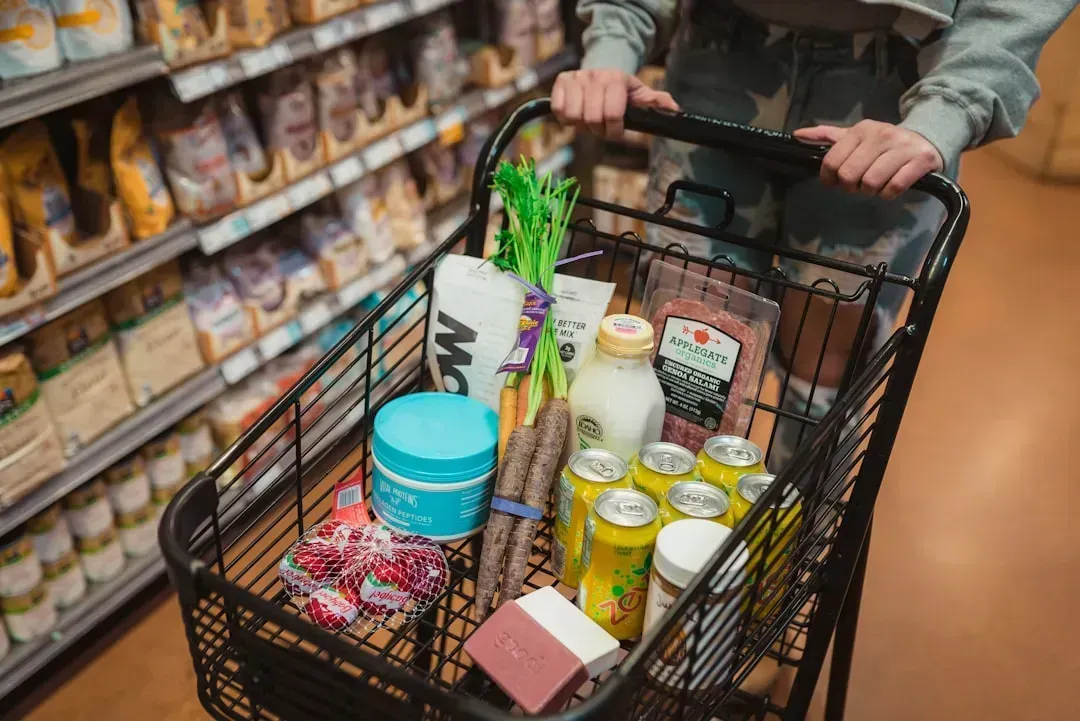
Those oversized shopping carts aren’t just convenient transportation devices but are carefully sized to encourage larger purchases, with former grocery workers revealing that the massive carts create a psychological effect where shoppers feel compelled to fill them up. The bigger the cart, the more you’ll unconsciously assume you need to buy, similar to how a large dinner plate makes you serve yourself larger portions. Stores invest in these rolling giants because they know your normal shopping list looks pitiful rattling around in all that space. It’s a silent nudge to buy more than you planned.
Slow Music Makes You Shop Longer and Spend More
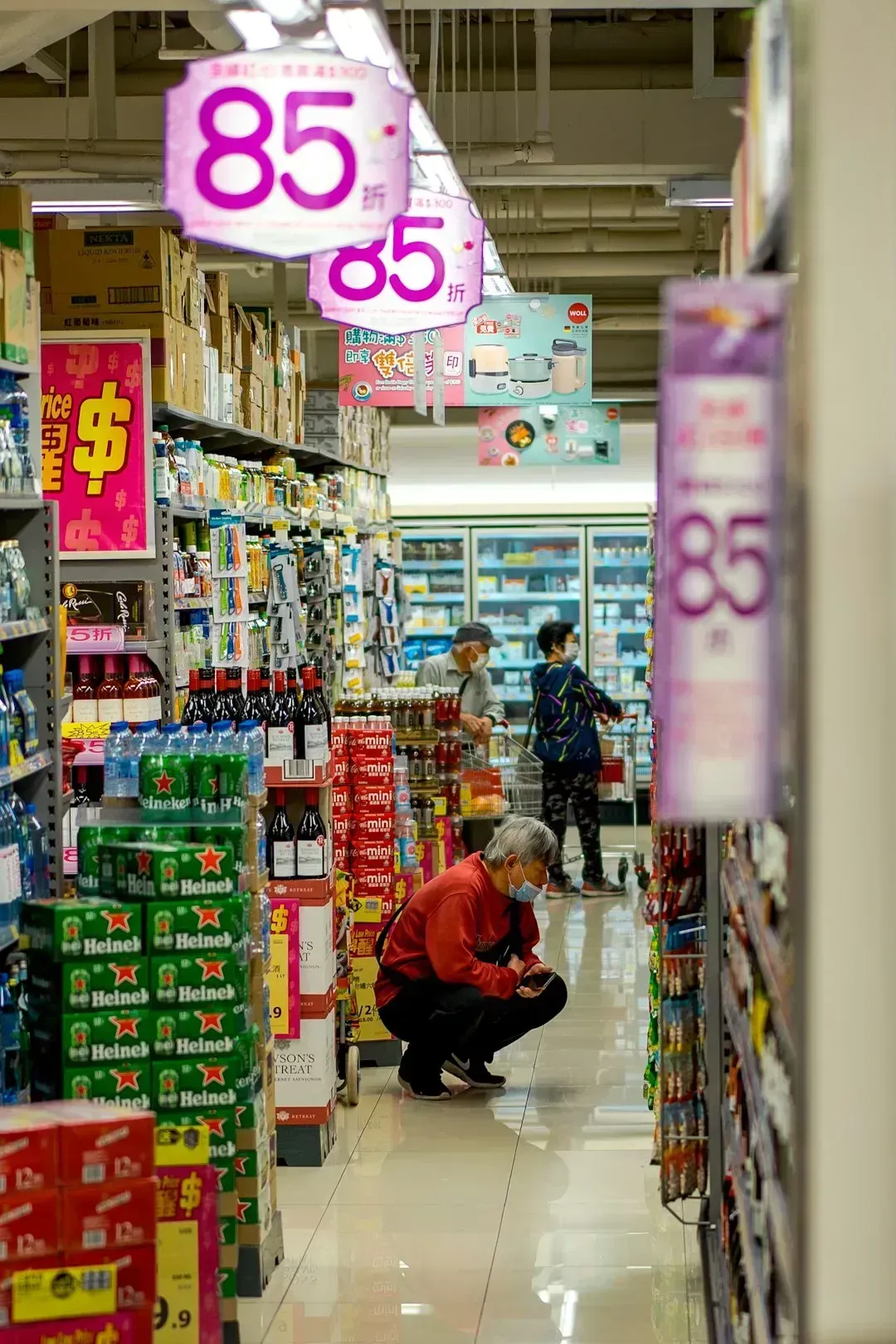
Music with a slow rhythm tends to make you move slower, meaning you spend more time in the store. Former employees reveal that stores play a fairly mild mix of music, from classic to current. The pace is deliberate. Faster tempos during busy hours keep people moving through checkout lines, while slower melodies during off-peak times encourage browsing. Honestly, most of us never consciously notice the background music until someone points it out.
Your Loyalty Card Is Tracking Everything You Buy
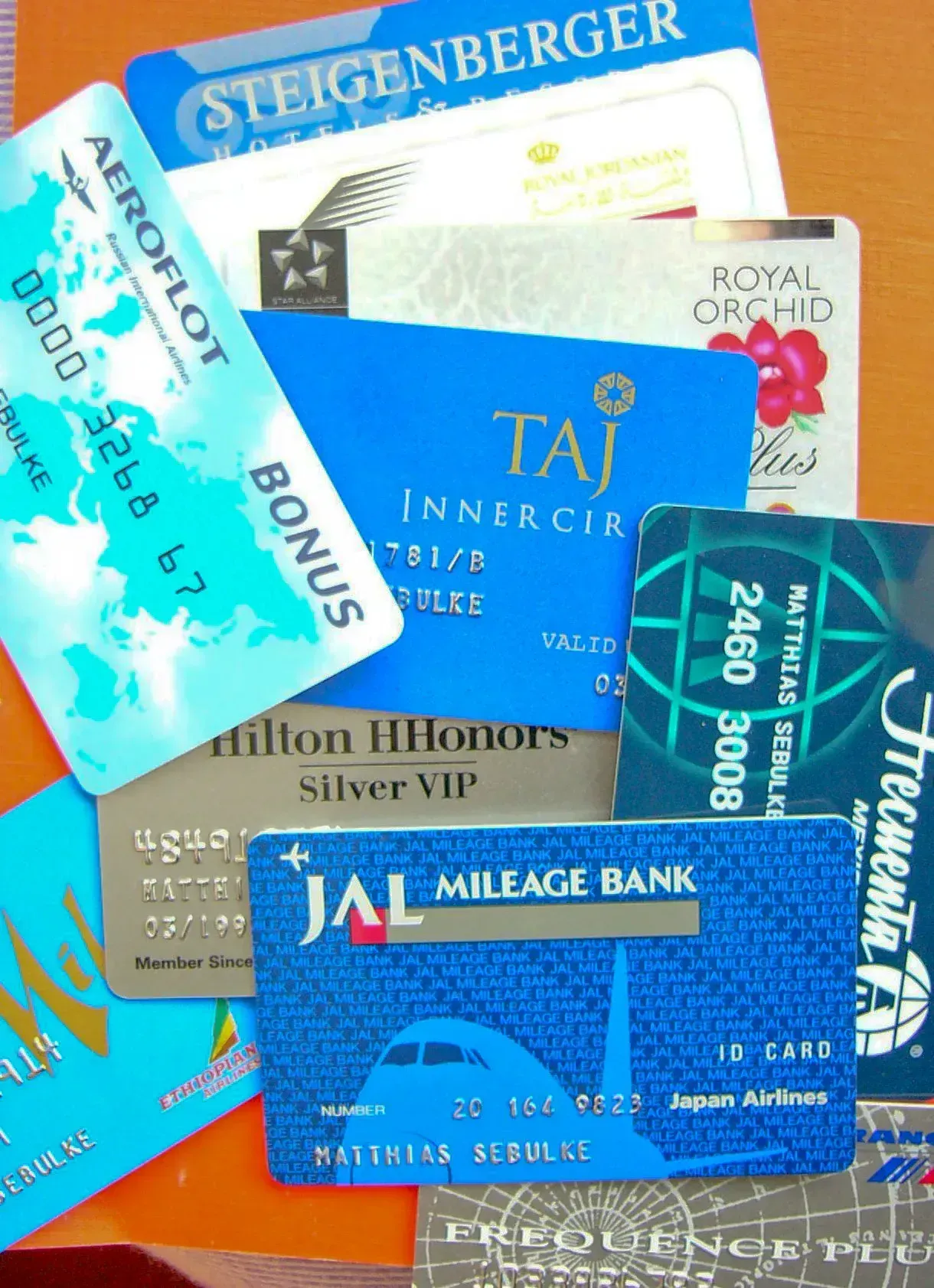
Loyalty programs come at the expense of data collection, with shopping habits being tracked and sometimes sold, as every beep at checkout creates a detailed profile of eating habits, spending patterns, and lifestyle choices. More grocery stores are advertising excellent loyalty programs with plenty of perks just for signing up, from discounts on groceries to helping with the bill at certain gas stations. When something seems too good to be true, you should ask how the person offering you the deal will benefit and what benefit grocery chains have for giving you access to great deals and shortcuts in shopping. Those discounts aren’t free. You’re paying with information about every item you toss in your cart.
The Freshest Milk Is Hidden in the Back
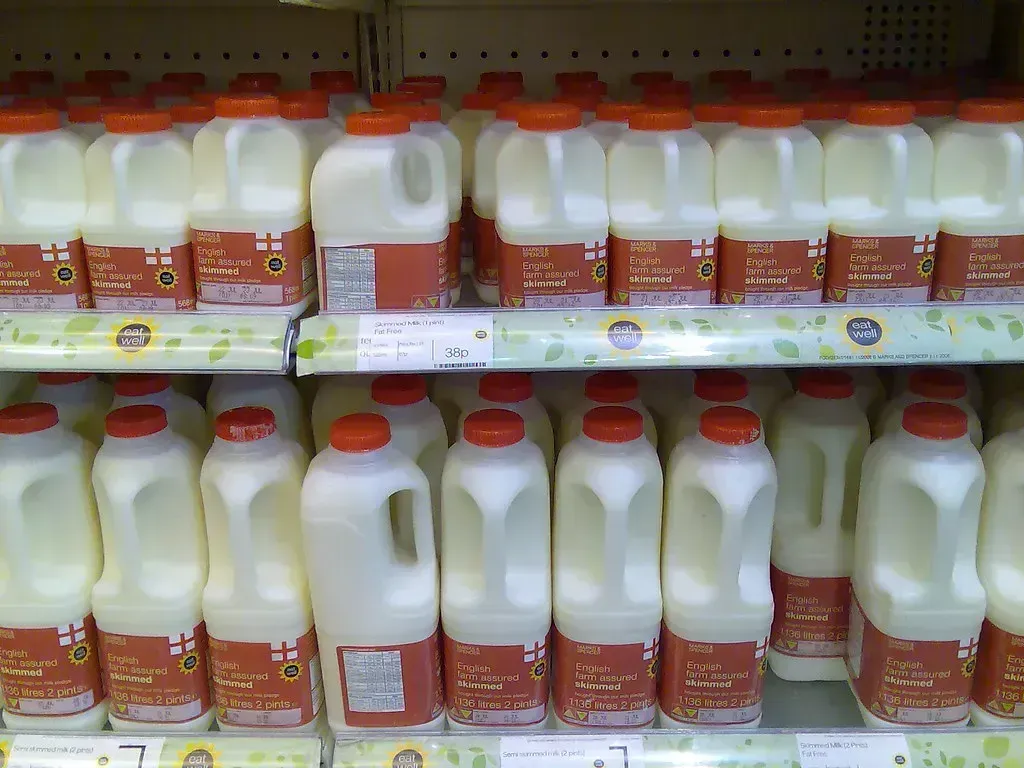
Former dairy department workers know that stores stock shelves from the back, pushing older products to the front. The cartons with the longest expiration dates are almost always sitting behind the ones in front. Reach past the first row and you’ll usually find milk that lasts several days longer. It’s hard to say for sure, but stores probably aren’t thrilled when everyone catches on to this trick. Still, they keep doing it because most shoppers grab and go without checking dates.
Unit Pricing Reveals the Real Bargain
A smaller number on shelf tags tells you the price per ounce, pound, liter, or cookie when you buy that package, breaking down the cost without doing any math, yet most shoppers ignore this completely, with examples showing the big box costing more per pound than the smaller box. Many people believe larger sizes are always the best buy, but that’s absolutely not the case. Those tiny numbers on price tags do all the comparison work for you. Let’s be real, though, scanning every unit price would take forever, so pick your battles on items you buy frequently.
Essentials Are Placed Far From the Entrance
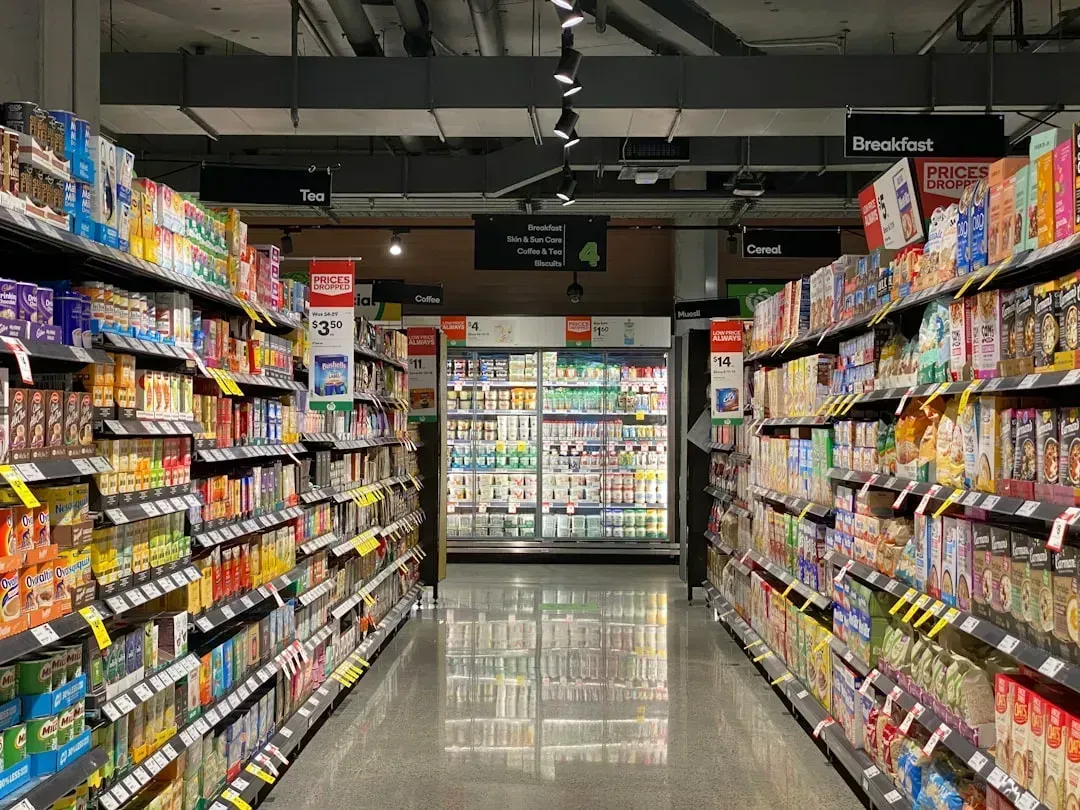
Stores make customers work for what they want by placing staple food like bread, butter, milk, and eggs further into the interior of the store, forcing customers to pass through all the luxury items to get to the basics, with walking through aisles full of temptation enticing them to buy beyond just the essentials. Shoppers may notice that food staples are often placed in the rear of the store which forces them to walk through aisles of other products, a strategy that is important for capturing additional revenue from impulsive shoppers. You came in for milk and somehow left with chips, dip, and a candle.
Produce Has Massive Markups and Wax Coatings
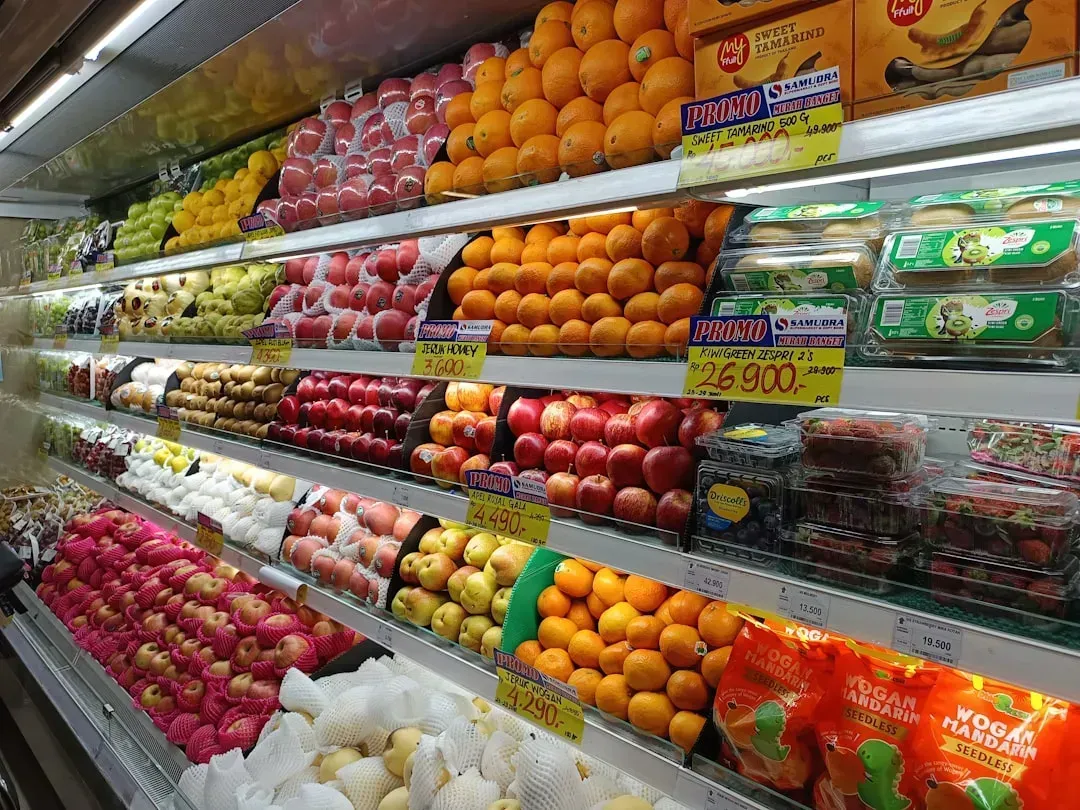
Retailers mark up produce by around 25 to 40 percent, mainly to protect their profit margins from losses due to spoilage, with on average about 20 percent of produce at grocery stores getting thrown out. The wax coating on apples isn’t natural either, with everything from apples to cantaloupes, limes and pineapples being dipped, sprayed or brushed with a glossy, preservative coating that replaces the natural wax removed during initial picking and washing, helping delay ripening, prevent bruises and enhance appearance. That shine makes produce look fresh and appealing, but it’s basically supermarket makeup for fruits and vegetables.
Pre-Cut Produce Costs Way More Than It Should
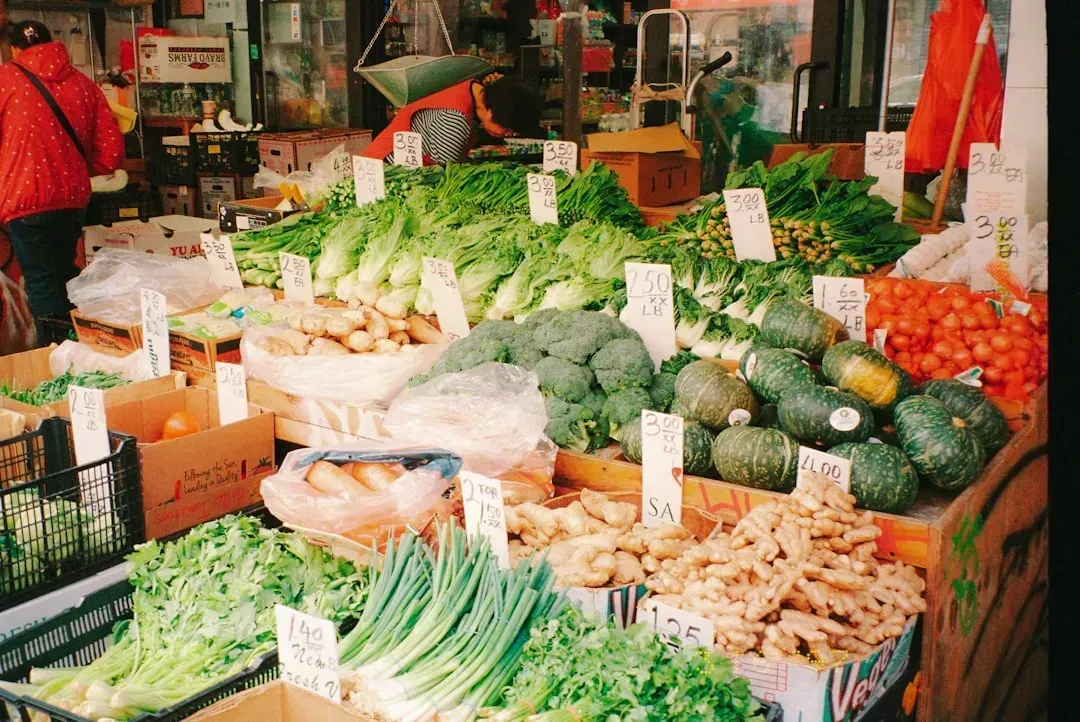
Depending on the dish, you could save up to 90 percent on items like premade salads, hot bar items and ready to eat meals, with the convenience factor coming with an enormous price penalty that most shoppers don’t realize, as former deli workers know that taking five minutes to slice your own vegetables could save you enough money to buy an entire extra meal. The labor cost of cutting an apple doesn’t justify tripling the price, yet customers pay it willingly. Here’s the thing: convenience is expensive, and grocery stores bank on our laziness. Sometimes it’s worth paying for the time savings, but other times you’re essentially buying someone else’s ten seconds of knife work.
Stores Constantly Move Products Around
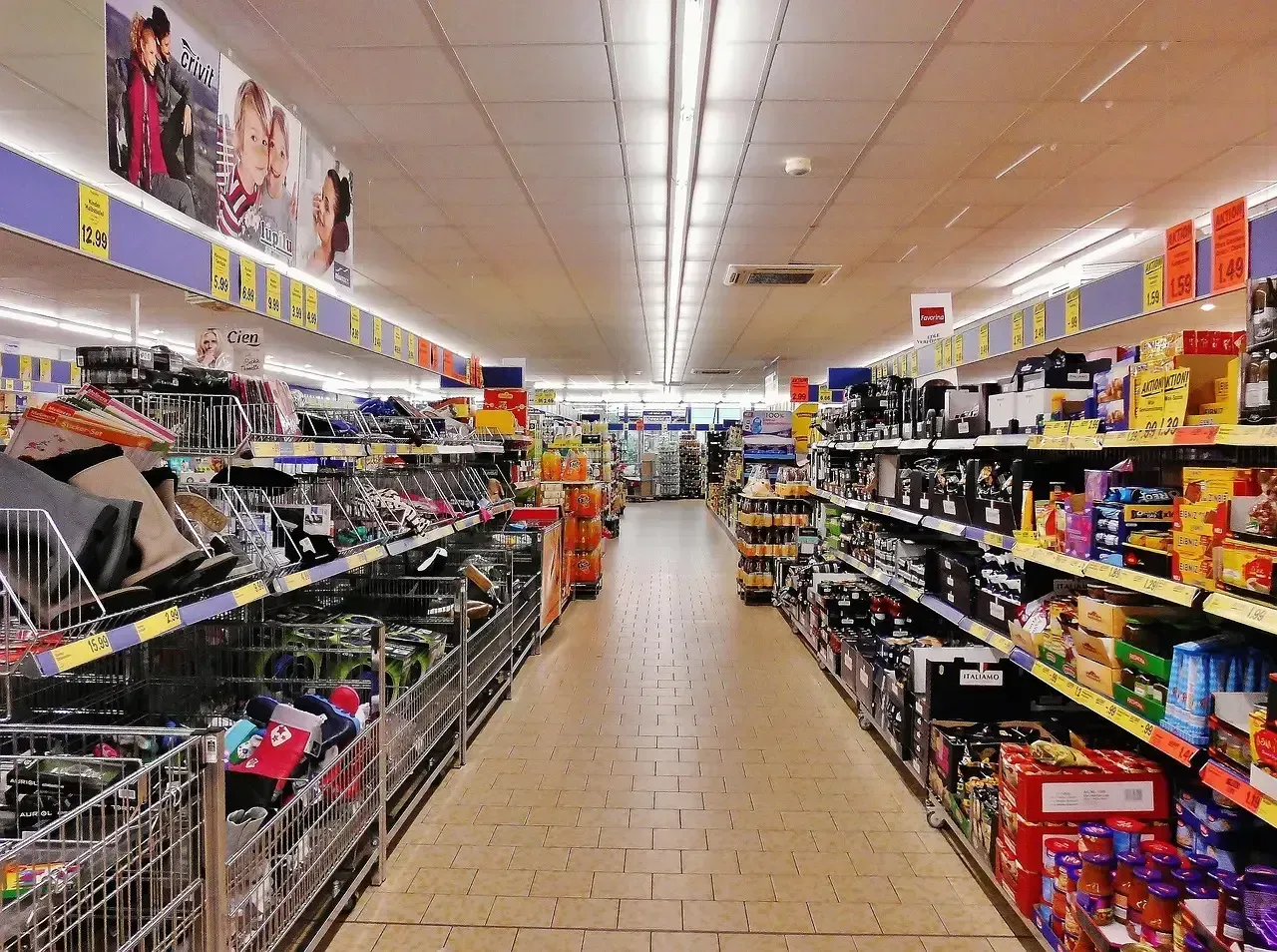
Stores constantly move their stock around, so you won’t necessarily find the peanut butter in the same spot it was last time, with the company touting it as a treasure hunt, but it also knows the more time you spend scanning the shelves, the more likely you are to notice and buy other items. As stores move items around, they pay attention to how they’re selling, and if they do particularly well in one spot, they’ll keep them there. Former employees admit this is intentional. The goal is keeping you searching, which means more exposure to products you didn’t come for. Frustrating? Absolutely. Effective? Unfortunately, yes.