4 Tourist Destinations Where Visitors Report Feeling Unwelcome, Survey Results Reveal
Barcelona, Spain: Water Pistols and Rising Resentment
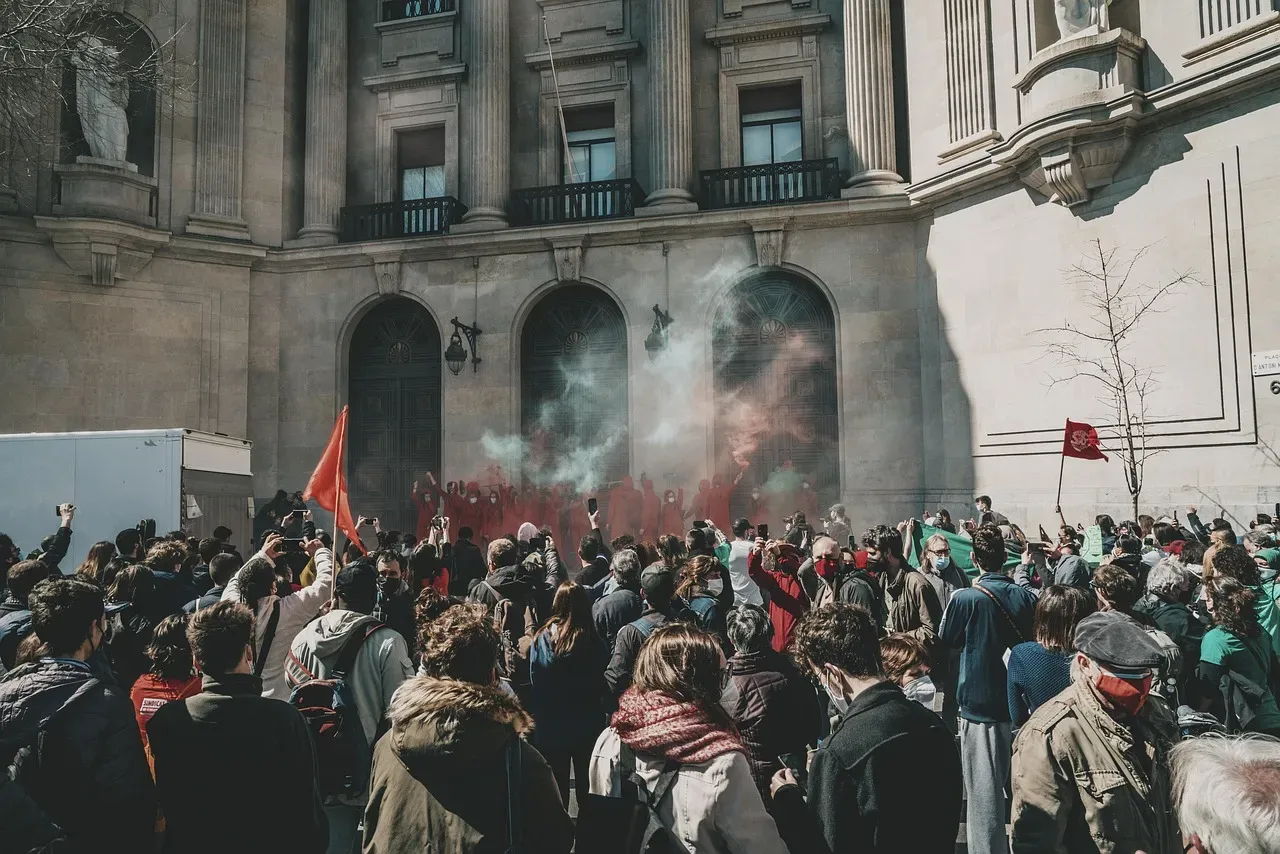
In the summer of 2024, angry locals took their frustration to a new level when they attacked tourists with toy water pistols to protest about being squeezed out of their own city. The scene was shocking yet revealing. People stood along La Rambla, Barcelona’s most famous street, squirting unsuspecting visitors dining at outdoor cafes. The protests reflect deeper frustrations where residents report rent increases of over 30% as more apartments are converted to tourist rentals. This dramatic display was more than just a spectacle for the news cycle.
It’s hard to ignore the economic reality behind the anger. By 2024, official data showed the city welcomed over 12 million visitors each year, which has driven up rents and squeezed out locals from their neighborhoods. The sheer volume of bodies flooding into the city each year has transformed entire districts. Streets that once housed local bakeries and family-run shops now resemble endless rows of souvenir stands and tourist traps. While millions of tourists stayed overnight in Barcelona in 2024, numbers remained high despite local protests.
Venice, Italy: The City That Now Charges You to Enter
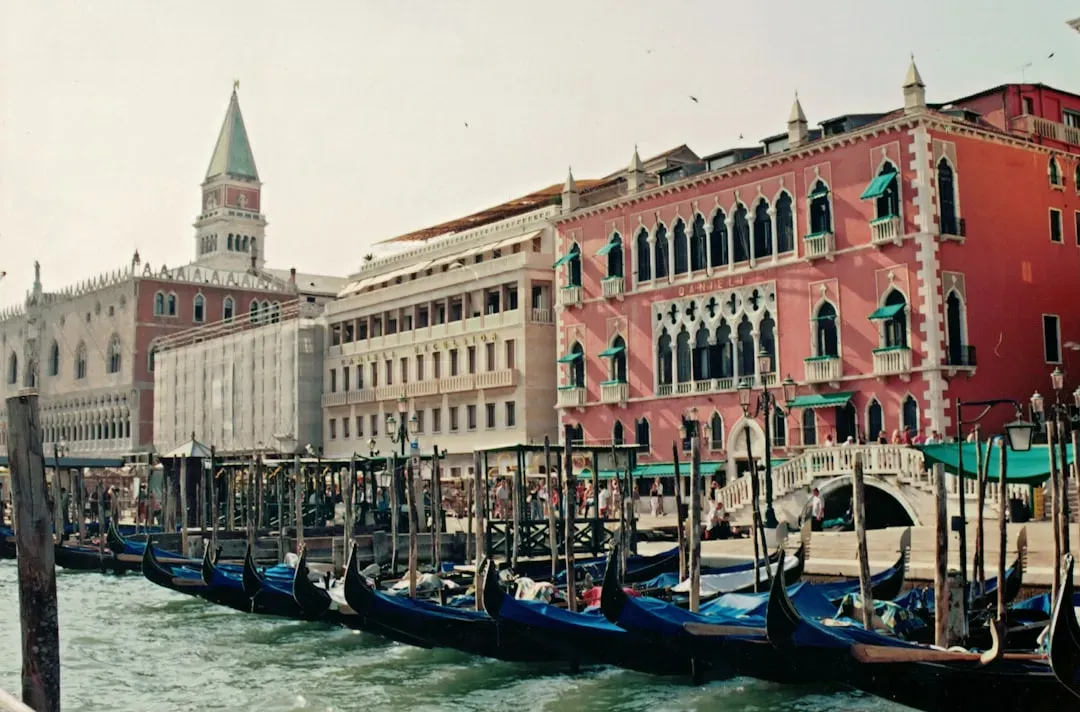
Venice’s relationship with tourism has become so strained that the city now charges visitors just to enter, with the highly controversial Venice Access Fee launching in 2024, charging day-trippers five euros. Think about that for a moment. An ancient city that has welcomed travelers for centuries now makes you pay just to walk through its streets. Critics warn the fee risks turning Venice into a theme park, stripping away authenticity and offering little benefit to locals.
The strain runs much deeper than an entry fee can fix. In Venice, reports indicate that there are now more tourist beds than residents within the city. The mathematics of this crisis are striking when you consider what it means for a living, breathing community. Venetians have essentially been outnumbered in their own home by transient visitors seeking a selfie with a gondola. Some say the city is drowning, though not from the rising waters everyone talks about.
Germany: Where Bureaucracy Meets Cold Shoulders
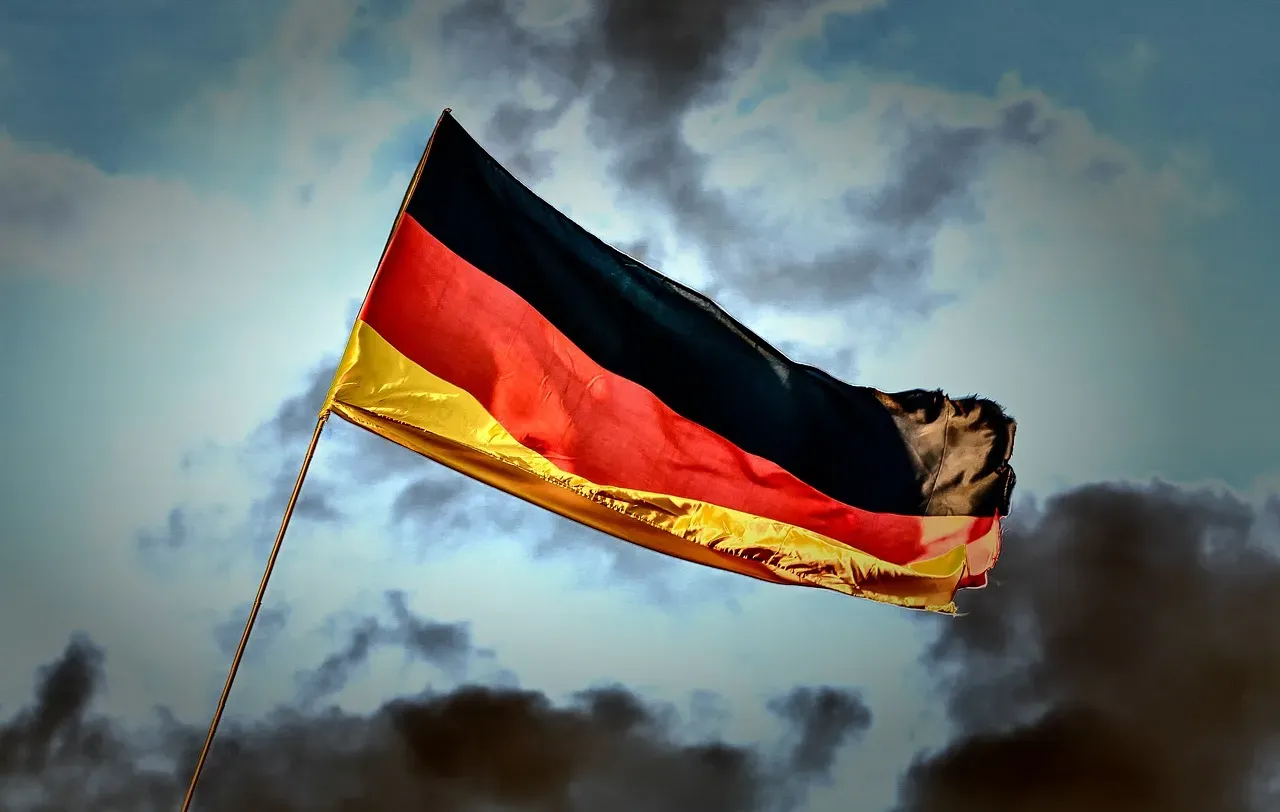
The stereotype of the unfriendly German persists, with Germany ranking among the lowest for friendliness in international surveys, where not even two out of five respondents perceive Germans as friendly towards foreigners. This perception isn’t just about a cultural misunderstanding or language barriers. More than three out of five respondents said they find it difficult to make friends with locals here, with just over a third being satisfied with their social life in Germany. The formality extends beyond simple interactions into every aspect of daily life.
The rigid bureaucratic system and formal culture contribute significantly to this perception of unwelcome attitudes. Honestly, it’s a place where efficiency trumps warmth, and rules matter more than small talk. Tourists often report feeling like they’re constantly breaking some unspoken social code they never learned. Frankly, Germany ranked fifth-to-last out of 46 countries in the friendliness rankings. Still, visitors shouldn’t mistake reserve for hostility, though the distinction might not matter much when you’re trying to navigate a train station and no one will make eye contact.
Kuwait: Where Foreign Workers Outnumber Welcome Mats
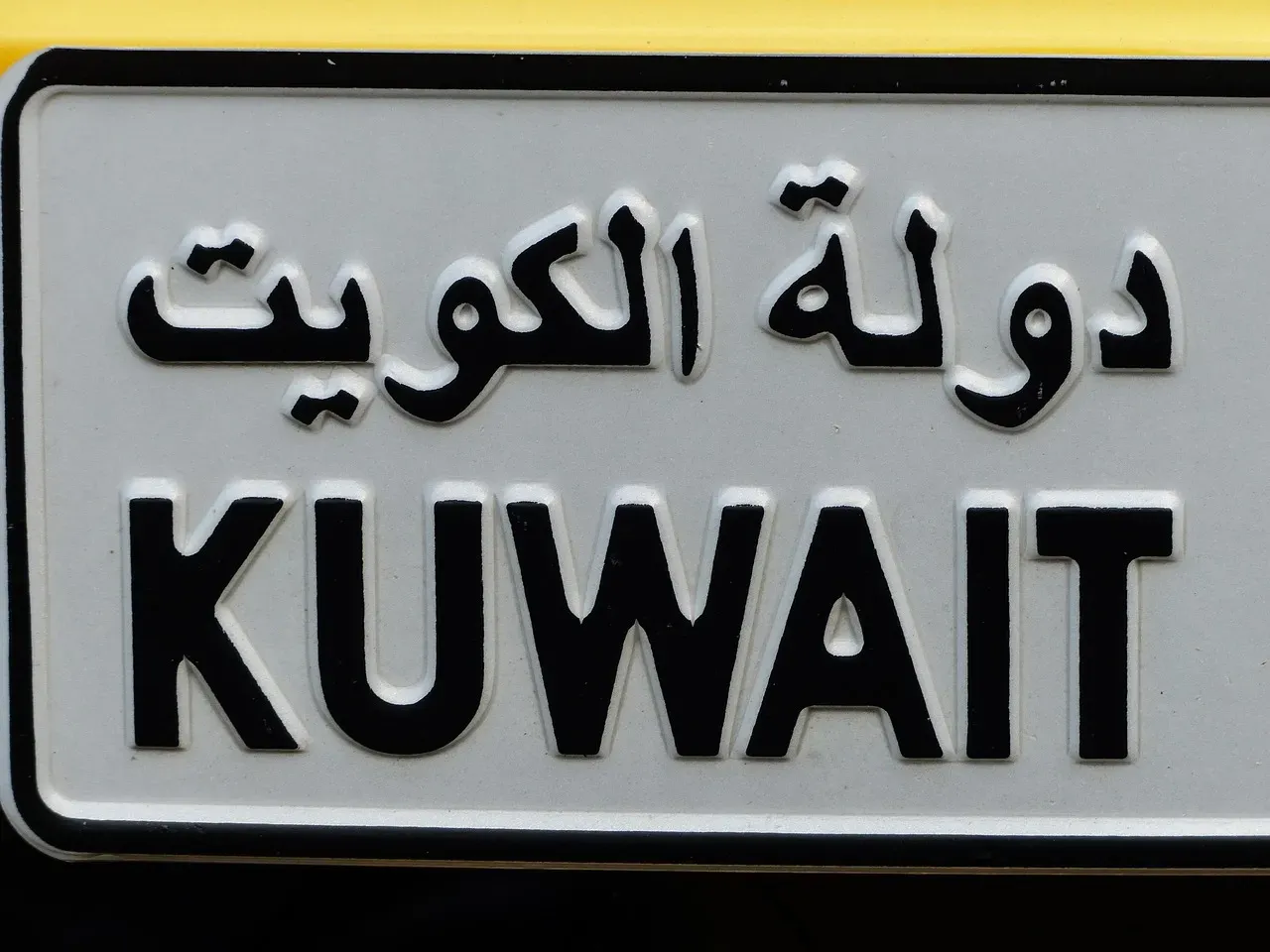
Kuwait consistently ranks among the lowest in global expat surveys, with significantly fewer expats satisfied with their social lives compared to the global average of 52 percent, and more than half of the respondents described the locals as highly unwelcoming. The oil-rich Gulf nation has earned its reputation through systematic exclusion. Kuwait ranked last in the global expat survey for the seventh year in a row, with just 22% of expats satisfied with their social life versus 52% globally, and only 26% feeling locals are friendly toward foreign residents versus 61%.
Here’s the thing about Kuwait. The Kuwaiti government doesn’t encourage tourism, as the country already has a high number of foreign workers who make up 60% of the population. The sheer volume of foreign workers means the government sees little reason to roll out any red carpets for visitors. This creates an environment where visitors often feel like they’re intruding rather than exploring. Deep cultural barriers and limited social integration make it clear that outsiders remain precisely that: outsiders. When a place finishes dead last in friendliness rankings for seven consecutive years, it’s sending a pretty clear message about whether your visit is truly welcome.