The “Suitcase Swap” Scam Hitting Travelers at Major Airports
You land after a long flight. You’re tired, maybe distracted by messages on your phone, and you’re eager to grab your bag and leave. The baggage carousel spins, suitcases tumble out one by one. You see something that looks like yours. Close enough, right? Wrong. That split second of carelessness is exactly what organized thieves are counting on.
Airports have become hunting grounds for sophisticated scammers who exploit the chaos of baggage claim. While you’re scrolling, they’re watching. While you’re half-asleep, they’re fully alert. This isn’t just about opportunistic theft anymore. These operations are calculated, methodical, and alarmingly widespread.
The Carousel Con That Catches Everyone
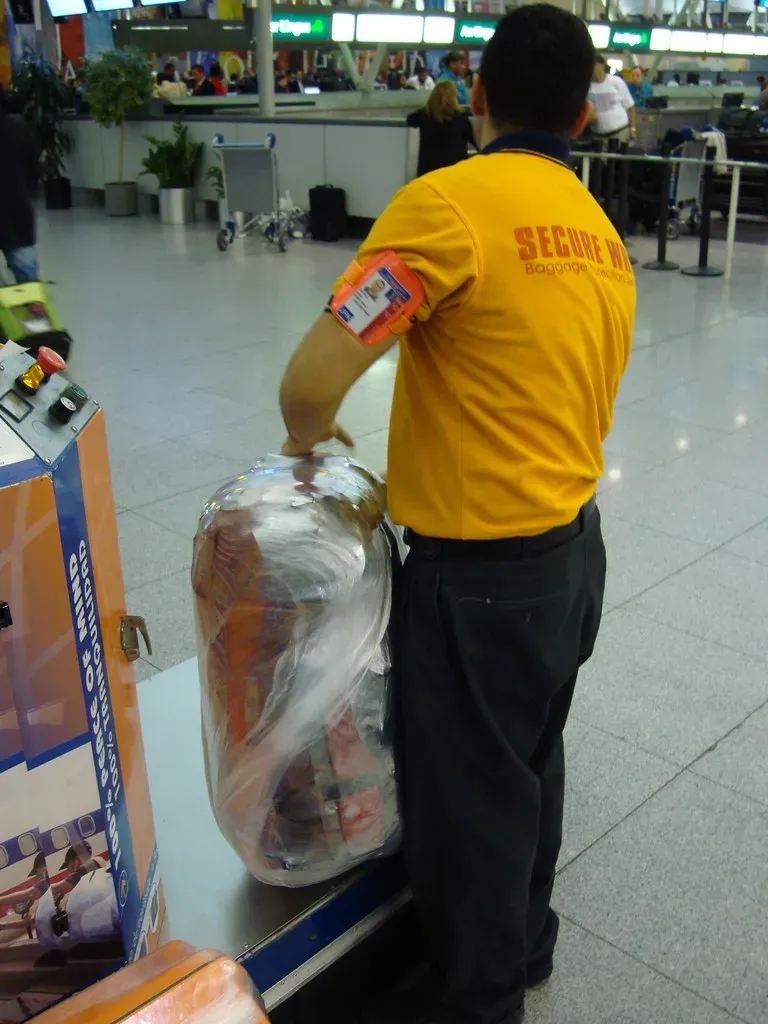
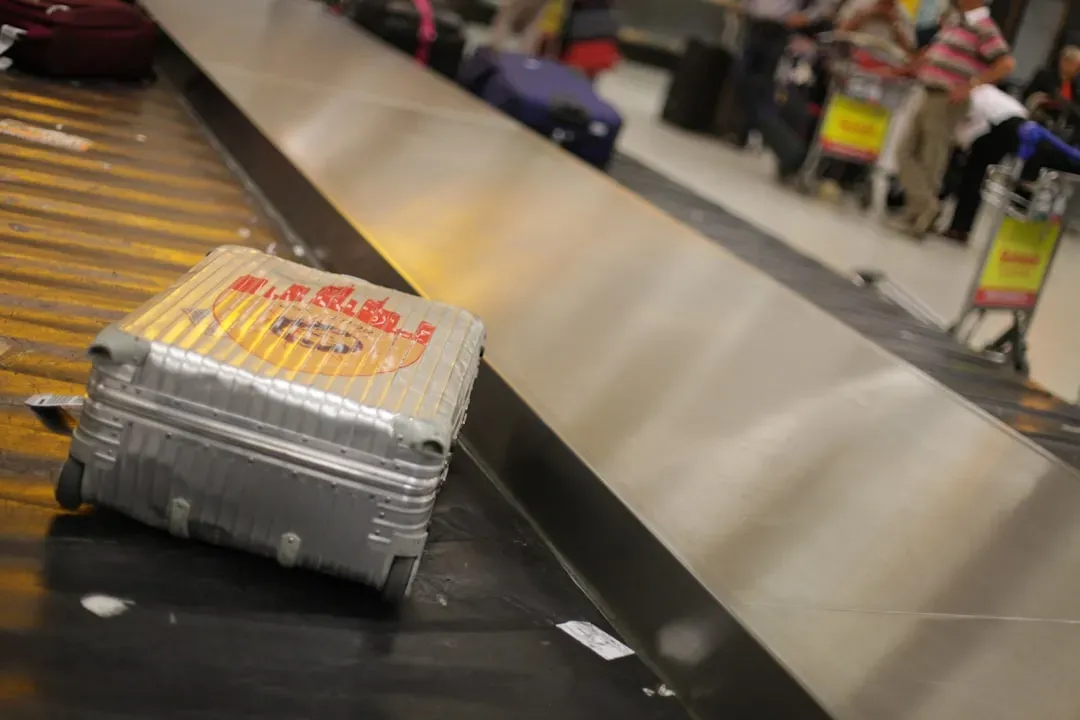
Picture this: you’re scrolling your phone while waiting for your bag, and a stranger lifts a similar-looking suitcase and walks away. It happens daily, with organized groups targeting busy carousels, knowing most travellers don’t notice until it’s too late. In one case at LAX, a woman used an AirTag to track her stolen suitcase to another terminal. At Seattle-Tacoma Airport, baggage theft soared from just 97 reported incidents in 2011 to a record high of 477 cases in 2022, with 341 cases reported through October 2023.
The scam works because most travelers aren’t standing close enough to their arrival point. They drift, they chat, they assume their bag will wait. It won’t. Thieves know the first ten minutes are critical, and by the time you realize your mistake, they’re already gone.
When Airport Employees Become the Problem
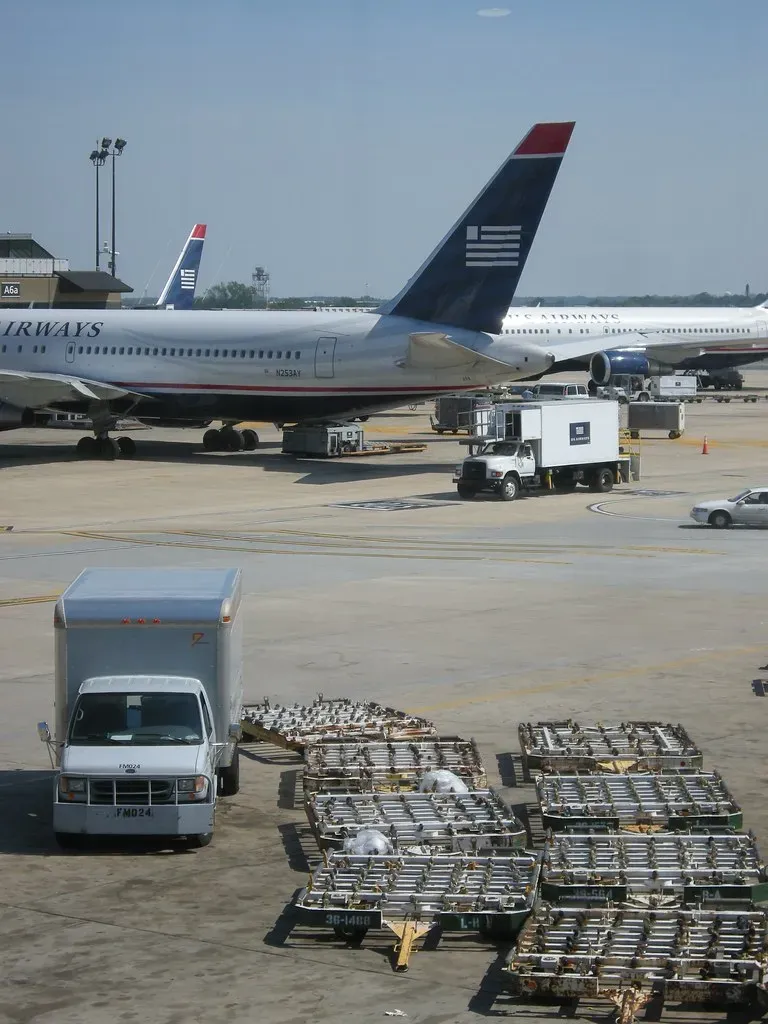
Airports worldwide have reported insider thefts where baggage handlers quietly remove valuables or even entire suitcases, with one traveler at Fort Lauderdale-Hollywood using an AirTag to trace his missing bag straight to an airport employee’s home. Similar incidents have surfaced in Spain and the Philippines. The TSA has fired nearly 400 employees for allegedly stealing from travelers since 2002, with Miami International Airport leading the list at 29 employees terminated for theft through December 2011.
This is the uncomfortable truth about airport security. Sometimes the threat isn’t outside the system, it’s built into it. In a sophisticated scam, baggage handlers swap drug-filled luggage for checked bags, even switching luggage tags, and two tourists in Germany were victims in 2023 and spent 24 hours in prison. Honestly, knowing that your bag could be tampered with before you even see it again makes you rethink what you pack.
The Baggage Tag Trap Nobody Talks About
Scammers watch for people at the airport to throw their baggage tags away, then dig the tags out of the trash to get all their baggage details and impersonate the traveller at baggage claims, causing issues with reimbursing real people if they submit legitimate claims. A Delta Airlines baggage claims manager warned that the airline is getting an influx of fraudulent claims where scammers use information from discarded airline baggage tags to claim missing items that aren’t theirs.
Those tags include your name, flight number, and barcode, just enough to file false lost-luggage claims or access your travel record, with the scam spotted from Atlanta to Heathrow. The crazy part? Most of us peel that sticker off and toss it in the first trash bin we see. One commenter warned not to throw your baggage tag away in your hotel room either, as former hotel employees have seen instances of fraud using bag tags found at hotels too.
The Distraction Game at Baggage Claim

A newer scam targets passengers before they even leave baggage claim, where someone points out that your suitcase looks damaged, then offers to help file a claim or leads you toward an unauthorized kiosk. In reality, they’re distracting you while an accomplice takes your bag or wallet. The bump-and-run pickpocket scam often occurs in baggage claim while you’re waiting to retrieve your luggage. A stranger walks by, bumps you with their suitcase, and while you’re focused on the run-in, they swipe your wallet or purse.
These tactics aren’t new, they’re just better executed. Professional thieves work in coordinated teams, creating chaos while someone else does the dirty work. You’re thinking about your connection, your hotel, your dinner reservation. They’re thinking about your credit cards.
How to Keep Your Luggage and Your Sanity
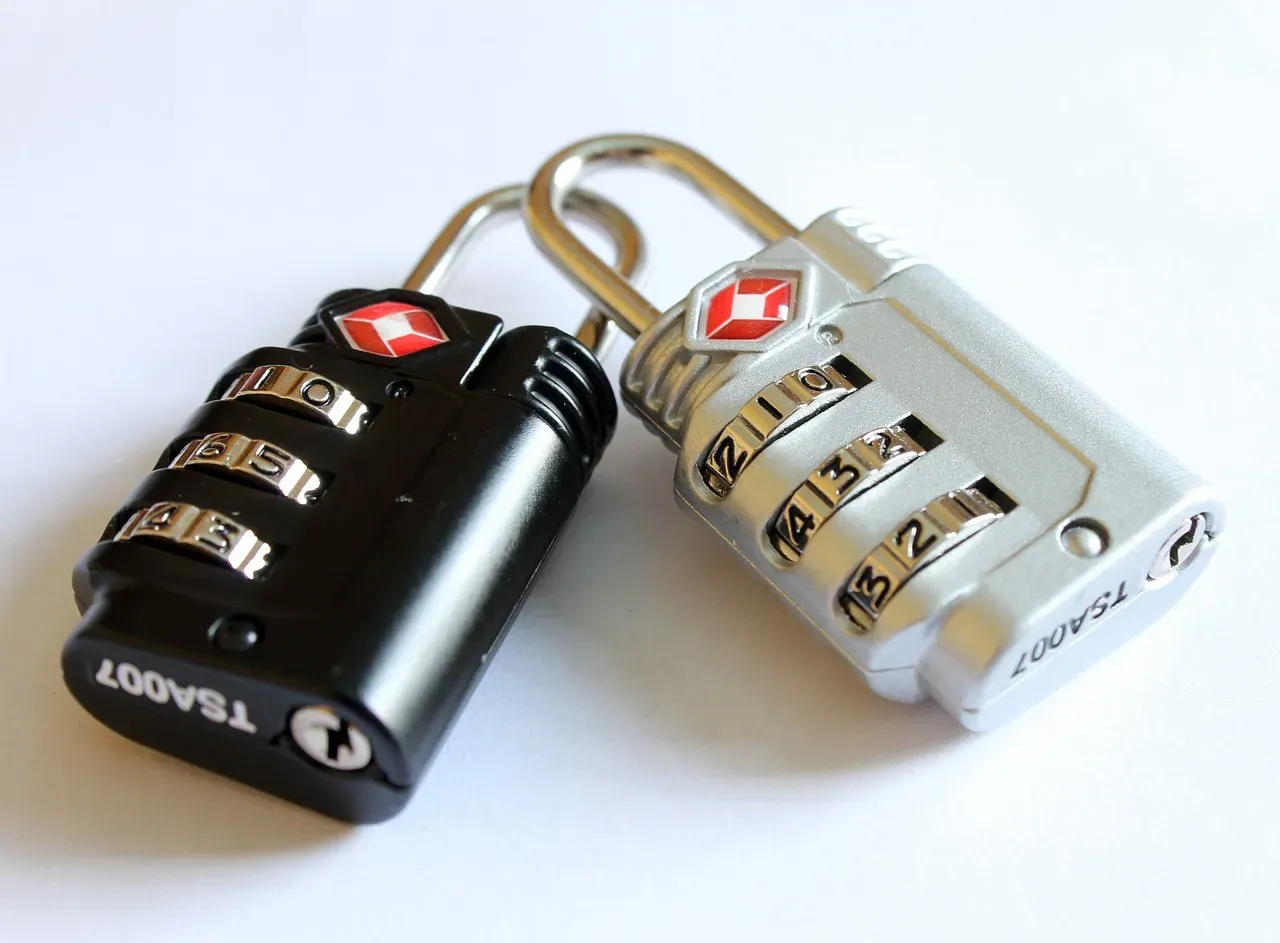
Hide a tracker like an AirTag or Tile in your checked luggage, it’s the simplest way to follow your bag’s path. Always lock main zippers with TSA-approved locks and stash valuables in your carry-on. Go directly to baggage claim after landing. Don’t stop to get coffee or food until after claiming your baggage, as unclaimed bags that remain on the carousel make an attractive target for thieves.
Travelers should treat their baggage tag like an ID and not discard it like normal trash. Keep the tag until you are home and dispose of it by shredding it or cutting it up. Stand close to the carousel, mark your bag with something unmistakably yours, and the moment it appears, grab it. Let’s be real, your exhaustion can wait five more minutes. Your belongings can’t.
What surprised you most about these scams? Were you already aware of the baggage tag fraud, or did that one catch you off guard? Either way, next time you travel, you’ll know exactly what to watch for.