Chef Confessions: 4 Home Cooking Habits Pros Say Destroy Flavor
Ever wonder why that chicken breast you made at home doesn’t quite taste like the one at your favorite restaurant? It’s probably not the recipe. Professional chefs see home cooks making the same mistakes over and over, and honestly, these slip-ups can completely sabotage what could have been an amazing meal. The good news is that fixing these problems is simpler than you’d think.
Let’s be real, most of us didn’t go to culinary school. We learned from watching cooking shows, scrolling through TikTok, or maybe from a relative who eyeballed every measurement. These habits are tough to break, especially when you don’t realize they’re wreaking havoc on your food’s flavor. Time to uncover the truth behind what’s really holding back your home cooking.
Overcrowding Your Pan Traps Moisture and Kills That Perfect Sear
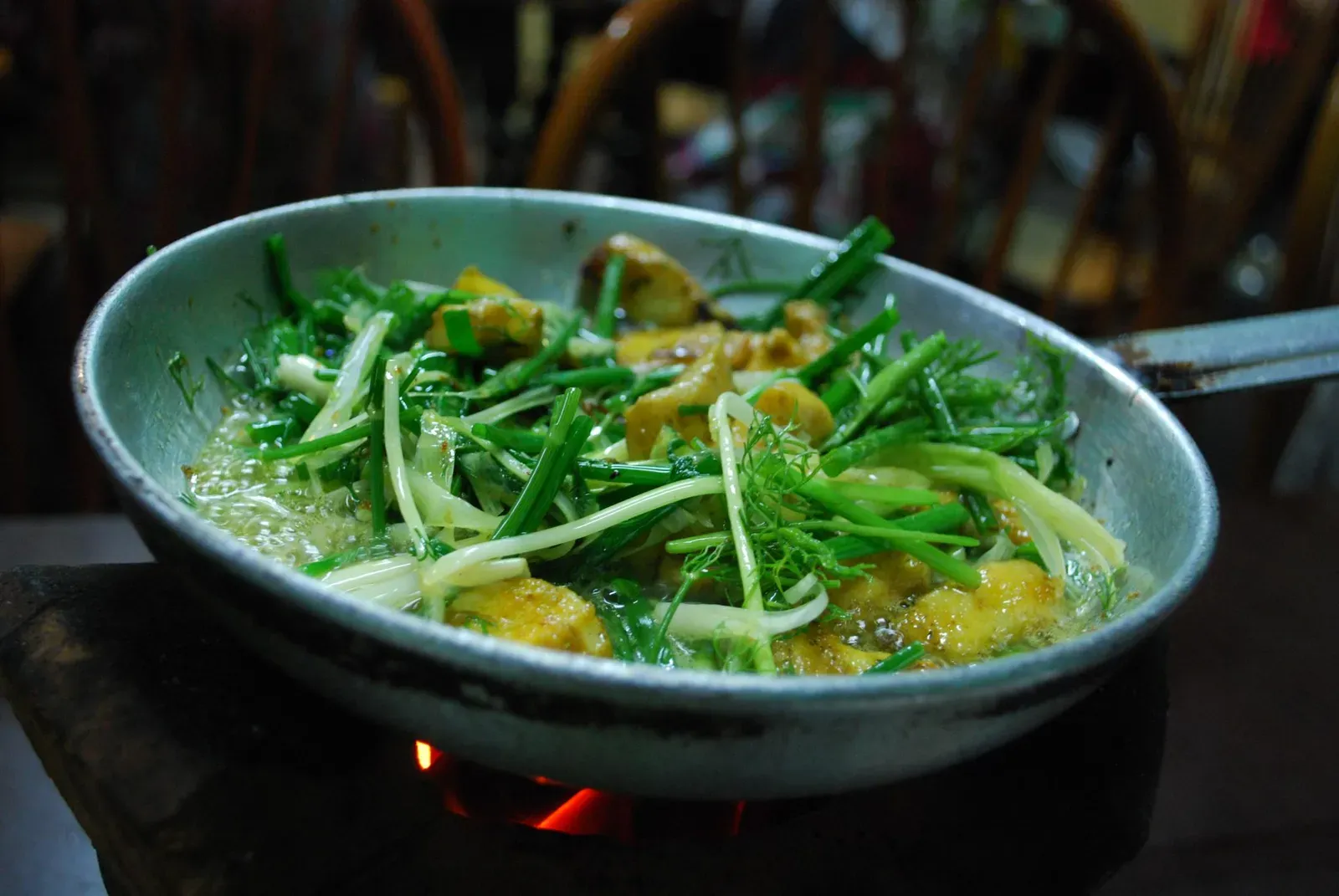
One of the most common cooking mistakes chefs make is overcrowding the pan, which occurs when too many ingredients are placed in the pan at once, leading to uneven cooking and hindering the browning process as the ingredients release moisture. Think about it: you’re in a rush, trying to cook dinner quickly, so you throw all your chicken pieces into one skillet at the same time. What happens next is a culinary disaster. Chef Art Smith of Chicago eatery Reunion explains that overcrowding the pan drops the temperature and makes your chicken greasy.
The Maillard reaction happens at high temperatures between 280 and 330 degrees Fahrenheit, and boiling water only goes up to 212 degrees Fahrenheit, which means that a pan full of liquid is not going to reach the necessary temperature for the reaction to occur. When you cram too much food into your pan, all that moisture has nowhere to escape. Instead of getting a beautiful golden-brown crust, you end up steaming your food in its own juices. Lots of meat on the pan means lots of moisture is released, and the temperature in the pan drops drastically, so you end up stewing the meat instead of searing it.
The solution? Give your food plenty of personal space by working in batches or using cookware with a larger surface area, aiming to give every piece of food about an inch of free space around it. I know it feels tedious to cook multiple batches, but trust me, the difference in taste is worth every extra minute.
Not Seasoning Properly Throughout the Cooking Process
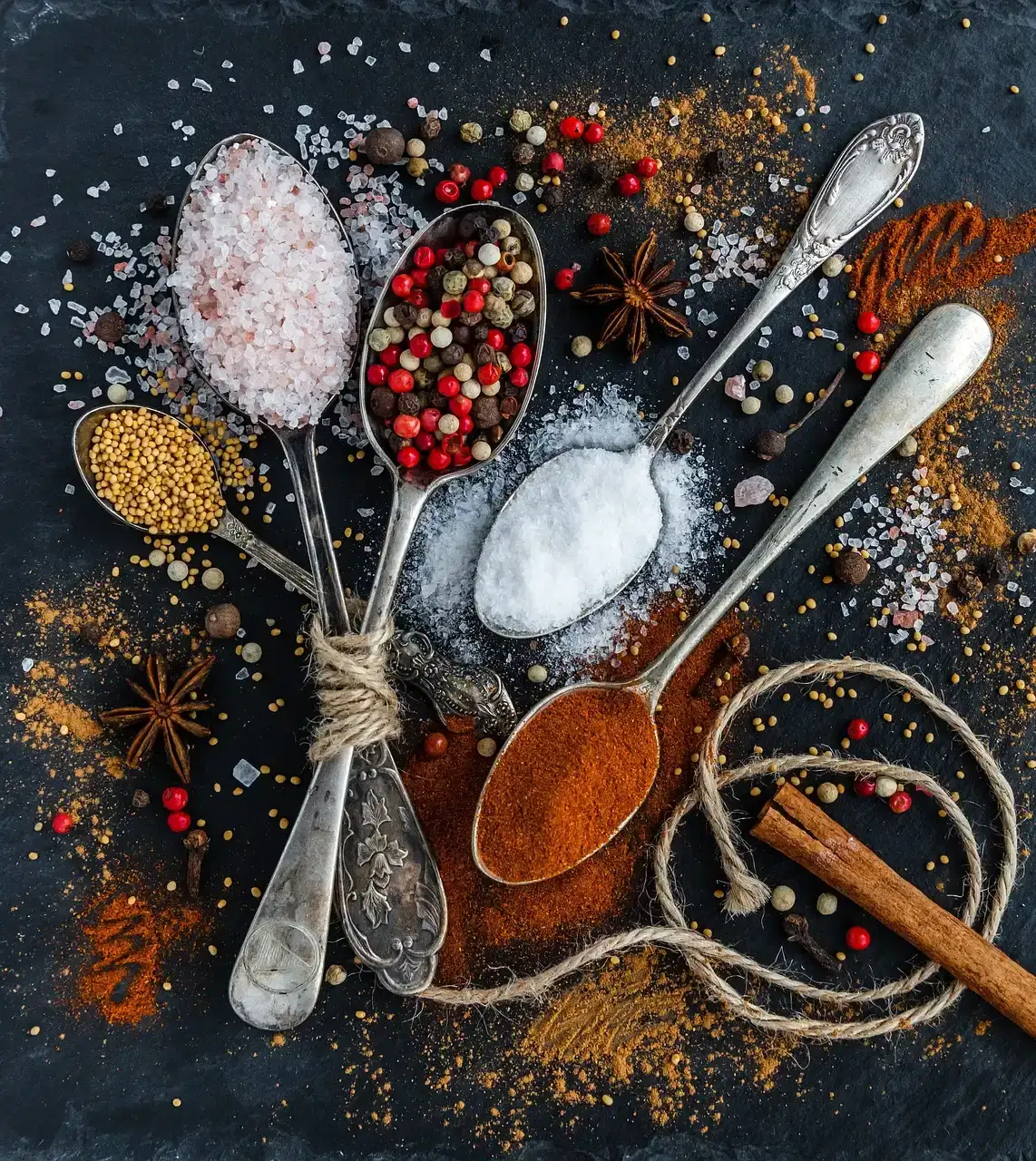
Chronic under-seasoning is by far the worst plague faced by home cooks, and to ensure that your food is always properly seasoned, add salt and pepper throughout the cooking process and taste your recipe along the way. Here’s the thing about salt: it’s not just about making food taste salty. Salt is not supposed to make your food taste salty; if it does, you’ve used too much, and instead, salt is supposed to bring out the natural flavor of whatever it is you’re cooking.
Executive chef Jacob Mendros of Prima Italian Steakhouse in Boston says seasoning throughout the cooking process builds layers of flavor, and adding a small amount at the start helps flavors build during simmering or sautéing. Most home cooks wait until the very end to add salt, which means all those beautiful ingredients you spent money on never reached their full potential. Many chefs and cooks will greatly under season or not season all parts of their steaks, chicken, or fish, and it’s important to season liberally as you are not technically seasoning the inside of the product.
Season your pasta water until it tastes like the ocean. Salt your vegetables before they hit the pan. Taste as you go and adjust constantly. It sounds simple, but this one change can transform your entire approach to cooking.
Starting With Cold Ingredients Wrecks Texture and Emulsification
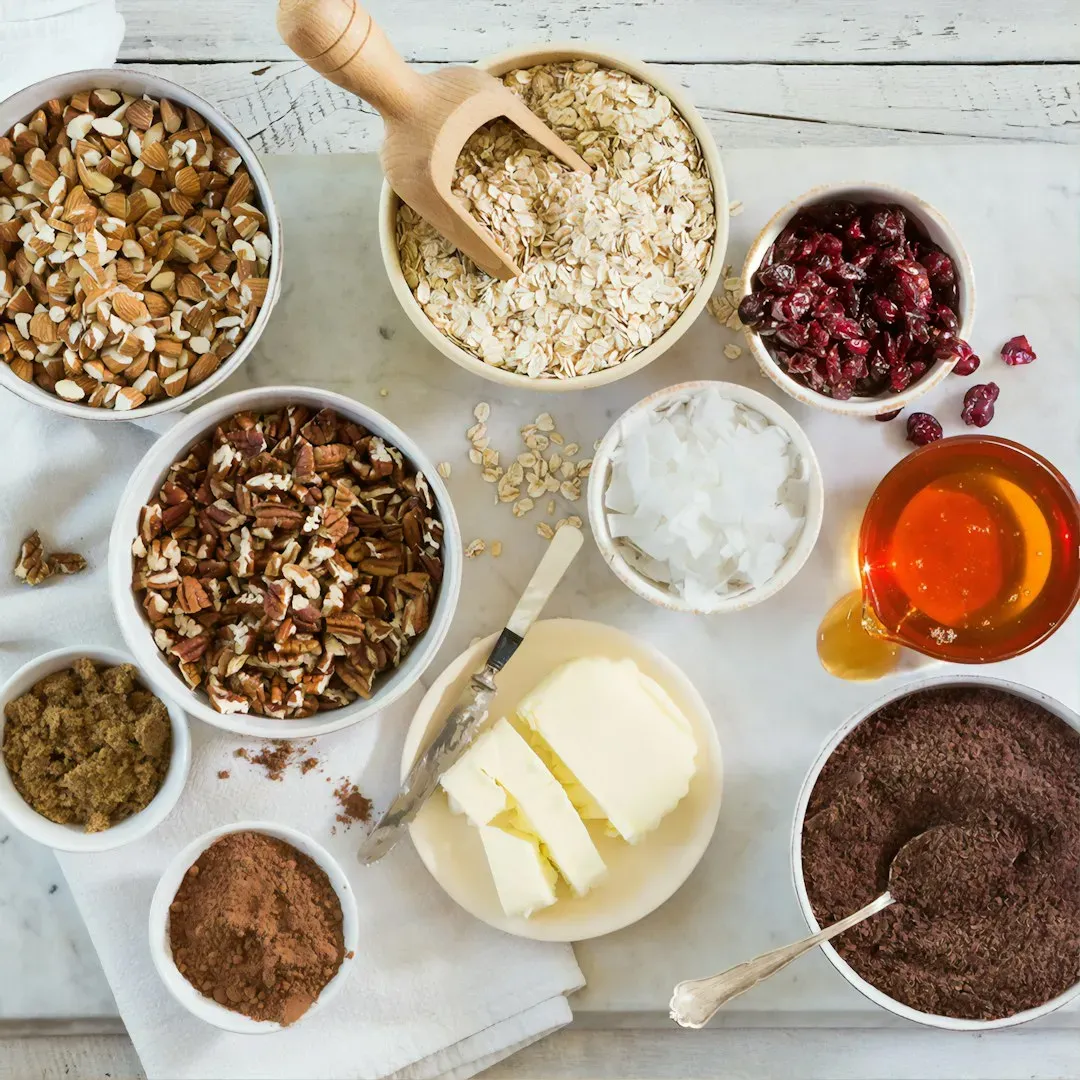
Cold ingredients in doughs and batters do not blend well, prohibit the desired emulsion, and lead to clumpy frosting, hole-filled cakes, and dense cookies, while cold ingredients will not create the air bubbles necessary for fluffy cakes and thick cookies. Listen, I get it. You see a recipe online, get excited, and immediately start mixing without thinking about ingredient temperature. Cold ingredients can turn your batter into a curdled lumpy mess because when you beat eggs, butter, and oils with liquids like milk it forms an emulsion which traps air, and room temperature ingredients emulsify easily, whereas cold ingredients cannot.
Using poultry that isn’t at room temperature may result in the surface overcooking and drying out, with the inside still being raw, due to temperature shock. The same principle applies to baking. You want eggs and dairy products to be at room temperature when they are being added into a mixture that contains creamed butter and sugar, as cold ingredients could break this emulsion.
Plan ahead and pull your eggs, butter, and dairy out of the fridge roughly 30 minutes before you start cooking. If you’re in a rush, place eggs in warm water for about 10 minutes to bring them up to temperature quickly. Your cakes will be fluffier, your cookies will be thicker, and your chicken will cook evenly.
Skipping the Preheat Step Leads to Uneven Cooking
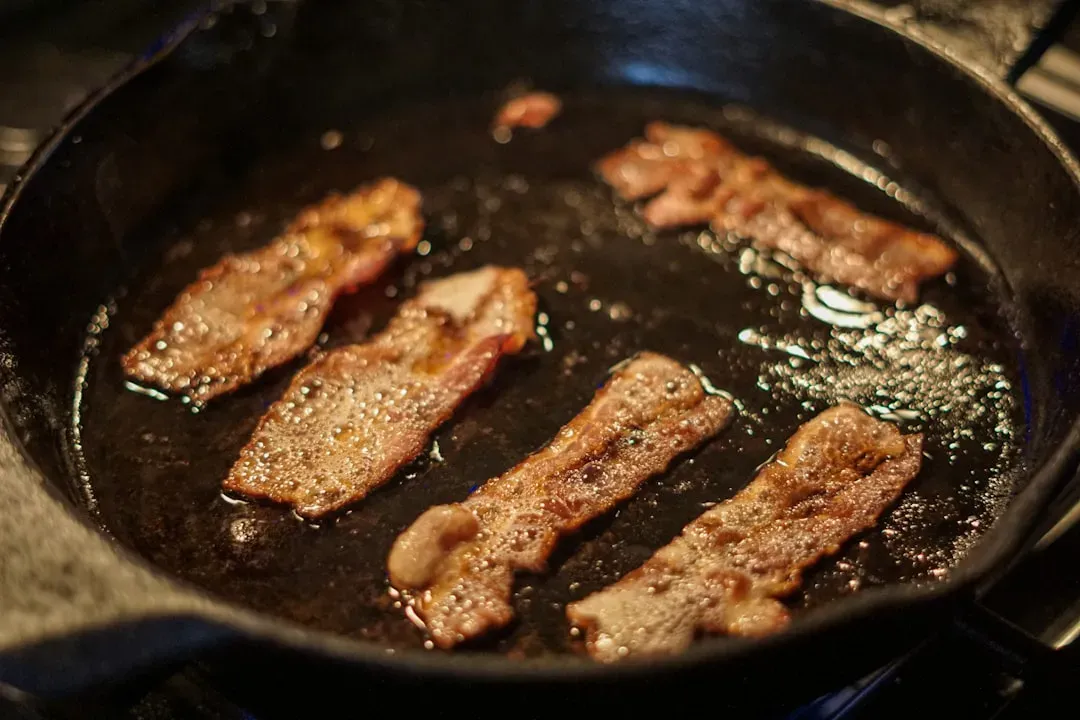
Many chefs make the mistake of not preheating oil in their pans or ovens before starting the cooking process, and when you fail to preheat the pan, you compromise the texture and doneness of the oil and your ingredients. I’ve done this myself more times than I’d like to admit. You’re hungry, you want to get dinner on the table, so you throw food into a cold pan and hope for the best. Food doesn’t cook evenly when it’s put in a cold pan or cold oven, and the food can stick to the pan, end up overcooked in some sections but undercooked in others, and may have a taste or texture that is less than desirable.
Not preheating pans enough and not cooking on high enough heat are among the most common mistakes people make, as food needs heat to brown properly, and most people start cooking before the pan is actually ready, causing food to steam rather than sear properly. That gorgeous crust you’re dreaming of? It requires serious heat right from the start. When you add ingredients to a cold surface, they release moisture and essentially boil in their own juices before any real browning can happen.
Always preheat the oven or pan for five to 10 minutes to ensure it’s fully up to temperature, and use this time to prepare other ingredients. Your steak will develop that restaurant-quality sear. Your vegetables will caramelize beautifully instead of turning into a soggy mess. Sometimes the most powerful cooking technique is simply patience.
These four mistakes might seem minor on their own, but together they represent the difference between mediocre home cooking and meals that rival what you’d get at a restaurant. The best part? None of these fixes require fancy equipment or expensive ingredients. Just a little knowledge, some patience, and the willingness to change a few habits. What would you say is your biggest cooking struggle? Sometimes acknowledging where we slip up is the first step toward cooking food that actually tastes the way it should.