6 Foods Banned Overseas That Americans Still Eat
Ever wonder why that brightly colored cereal or packaged pastry looks totally different in Canada or Europe? There’s actually a pretty unsettling reason behind it. Food standards vary wildly across the globe, and in many cases, the United States allows ingredients that other countries have decided just aren’t worth the risk. It’s hard to say for sure whether these differences come down to stricter overseas regulations or a more relaxed approach here at home. Either way, millions of Americans consume these controversial ingredients daily without even knowing it.
Artificial Food Dyes: The Rainbow Nobody Else Wants
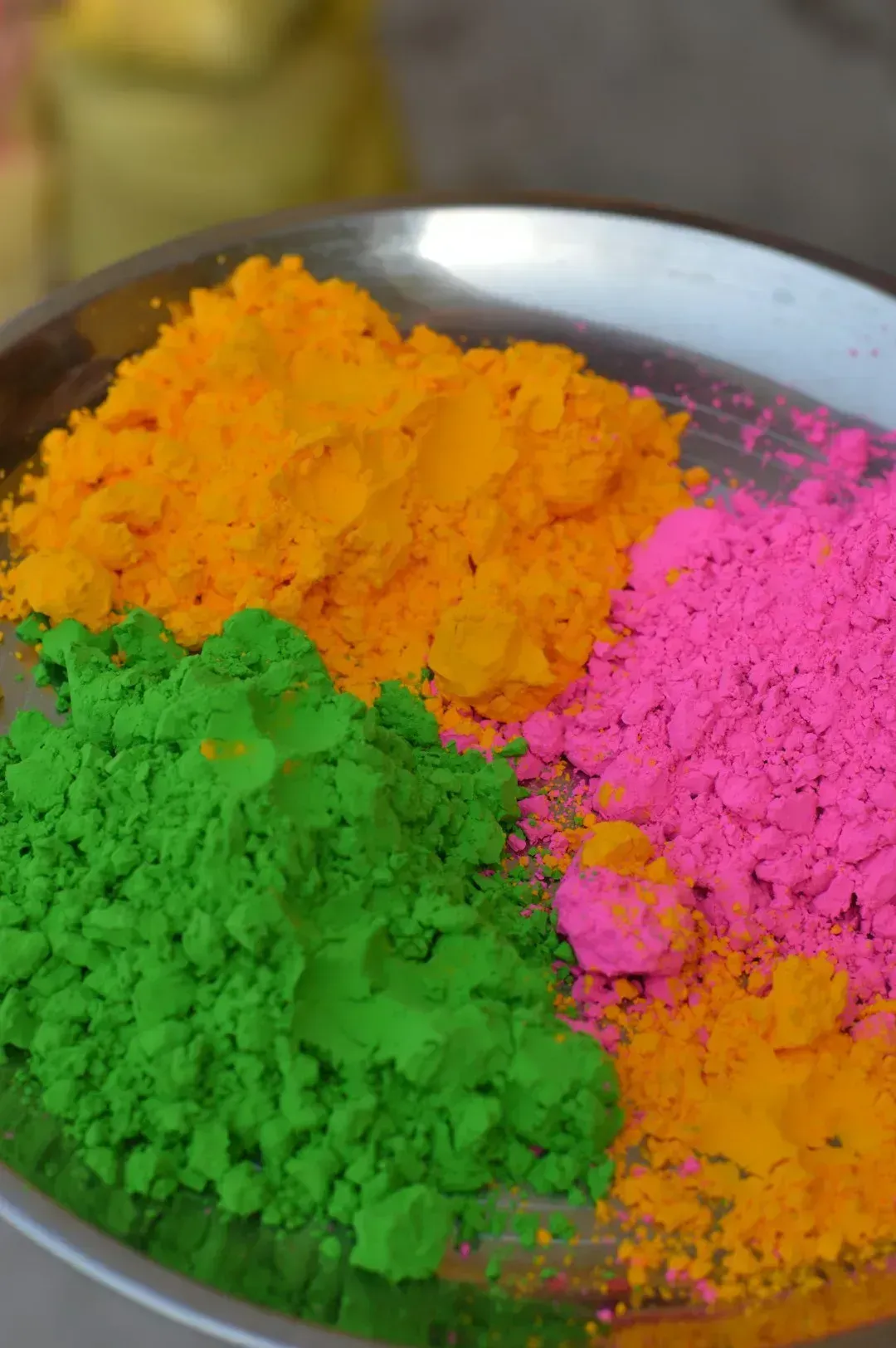
Walk down any American supermarket aisle and you’ll see it everywhere. Neon orange cheese puffs, electric blue sports drinks, candy that glows like a traffic light. Thirty-six color additives are approved by the Federal Drug Administration for use in food and drinks in the U.S. Meanwhile, three dyes that are approved for use in the U.S. are under strict regulations in Europe, where the European Union currently requires that products that contain these dyes have a warning that they can affect attention in children. It’s not a total ban overseas, but requiring a warning label sends a pretty clear message about concern.
Studies have raised red flags about these synthetic dyes for years. Public health advocates have been lobbying for state and federal action for years, pointing to research that links food dyes and other chemical additives to health risks, including exacerbating symptoms of attention-deficit/hyperactivity disorder in some children and animal research linking certain additives to cancers. The crazy part? Kellogg announced that it would remove artificial colors and ingredients from its U.S. products by 2018, but never did so, despite making the change in other countries, such as Canada, where Froot Loops are colored with concentrated carrot juice, watermelon juice and blueberry juice. Same company, same cereal box design, completely different ingredients depending on which side of the border you’re standing on.
Though the FDA issued a ban on Red Dye 3 – a colorant linked to higher rates of cancer development in animals – in January 2025, countless other additives remain on grocery store shelves. Recently, the US Food and Drug Administration (FDA) and the US Department of Health and Human Services (HHS) announced a series of steps intended to eliminate all petroleum-based synthetic dyes from the US food supply by the end of 2026, though the proposed phase out of synthetic food dyes will depend on “voluntary” compliance from regulated industry. Whether manufacturers actually follow through remains to be seen.
Brominated Vegetable Oil: The Soda Stabilizer That Isn’t So Stable
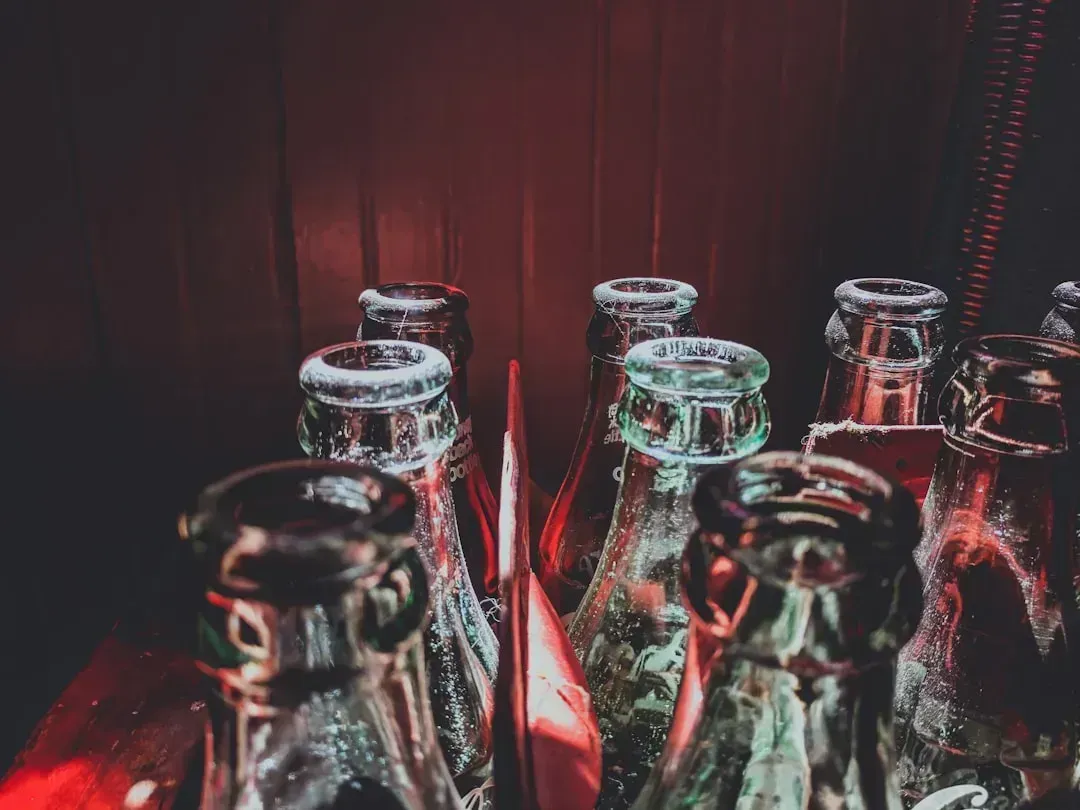
Brominated vegetable oil (BVO) is a food additive used in some citrus-flavored drinks to help keep the flavor evenly distributed. Essentially, it helps prevent the citrus oils from floating to the top. Sounds practical enough, right? The problem is what it does once you drink it.
Dietary exposure to BVO is toxic to the thyroid and results in bioaccumulation of lipid-bound bromine in the body at doses relevant to human exposure, according to research published in 2022. “It’s outrageous that for years Americans have been consuming a chemical banned in Europe and Japan. The FDA’s belated action on BVO underscores the urgent need for more rigorous and timely oversight of food additives”, according to the Environmental Working Group. The good news is that on July 3, 2024, the FDA revoked its food additive regulation for BVO, with manufacturers given until August 2025 to reformulate.
Here’s the thing, though. Under market pressure, PepsiCo and Coca-Cola have reformulated their products without BVO faster than the federal government has acted to ban it in food and beverages. PepsiCo pledged to remove BVO from Gatorade and confirmed in early 2020 that none of its products contain the chemical. Coca-Cola removed BVO from all its drinks by the end of 2014. Major brands figured this out years ago. Some smaller, off-brand citrus sodas? They kept using it right up until the ban took effect.
Chlorinated Chicken: When Clean Isn’t Actually Clean
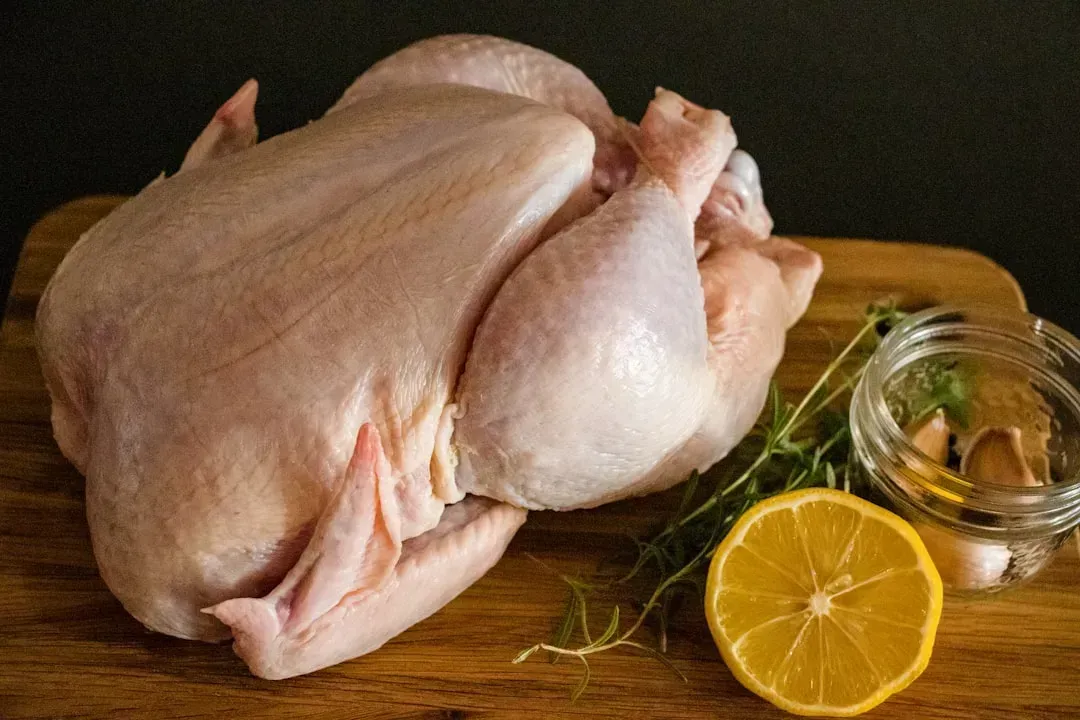
Since 1997, the European Union and the United Kingdom banned the importation of U.S. chickens. The standard practice in the U.S. poultry industry is to wash the carcasses in chlorinated water to kill bacteria. This isn’t some European snobbery, it’s actually a philosophical difference in how food safety should work.
The European prohibition centers on the belief that disinfecting poultry with chemicals is, in essence, a way to mask subpar food safety in the U.S. industry. “European regulators are seeing the antimicrobial washes as a band-aid to cover up what’s really a lack of adequate hygiene”, says one director of regulatory affairs. European authorities have analyzed the use of the chemical washes and found they don’t pose a risk to human health at the concentrations used in poultry processing. So it’s not really about the chlorine being dangerous on its own. It’s about what the need for chlorine washing says about the rest of the production process.
The wild part is that “only about 5% of our chicken is actually treated that way. So we have moved over the last decade completely away from the chlorinated chicken”, according to U.S. Secretary of Agriculture Brooke Rollins in May 2025. Yet the reputation sticks, and the U.K. and European Union are still off limits because they don’t allow any chemical treatment of their poultry. The issue clearly runs deeper than just one chemical wash.
Potassium Bromate: The Bread Enhancer That Might Not Be Worth It

That fluffy white bread Americans love so much? There’s a decent chance it contains an ingredient most of the world won’t touch. Potassium bromate is banned from food products in the European Union, Argentina, Brazil, Canada, Nigeria, South Korea, and Peru. It was banned in Sri Lanka in 2001, China in 2005, and India in 2016, but it is allowed in most of the United States.
Many packaged baked goods are made with flour that may contain potassium bromate, an additive linked to cancer. The chemical is added to flour to strengthen dough and allow it to rise higher. Bakers love it because it’s cheap and works incredibly well. In 1999, the World Health Organization’s cancer arm, the International Agency for Research on Cancer, echoing the findings of several studies, determined potassium bromate may cause cancer in humans. In lab tests, animals exposed to potassium bromate had increased incidences of both benign and malignant tumors in the thyroid and peritoneum, the membrane lining the abdominal cavity. Later research found that ingesting the additive increased cancer of the animals’ thyroid, kidneys and other organs significantly.
The food industry claims it mostly breaks down during baking. The reality? Testing in the United Kingdom found measurable levels remaining in thirteen out of twenty-eight breads tested, including all six unwrapped loaves. When too much is used, or when baking time or temperature falls short, residues persist. Despite health concerns, it’s legal for use in the rest of the U.S., and the Food and Drug Administration hasn’t reviewed it since at least 1973. Let that sink in. Over fifty years without a proper safety review while the rest of the world moved on.
Titanium Dioxide: The Whitener With a Murky Safety Record
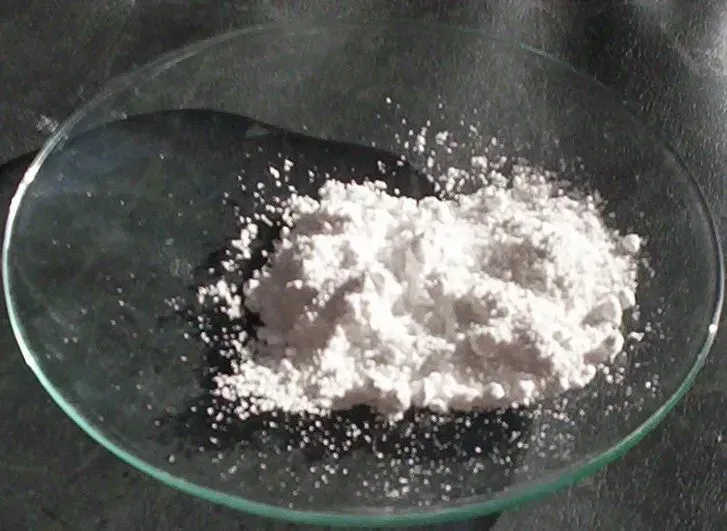
In 2022, the European Commission banned titanium dioxide as a food additive in the European Union. This was after The European Food Safety Authority found there is a possibility titanium dioxide in food can cause DNA or chromosomal damage. It’s used to make foods look whiter and brighter, showing up in everything from salad dressings to candy.
In 2022, the European Commission banned the food additive titanium dioxide, also known as E171. It followed an assessment by the European Food Safety Authority which could not rule out the risk that the additive could have a carcinogenic effect on humans. Notice the careful wording there. They couldn’t rule it out, so they banned it. That’s the precautionary principle in action. In 2023, California took matters into its own hands to try to ban titanium dioxide and other food additives such as brominated vegetable oil (BVO) from the food chain. The so-called “Skittles ban” didn’t result in titanium dioxide being banned. And, today, it’s still found in foods in Canada and the U.S.
Mars said it had removed titanium dioxide from Skittles in 2024, showing that reformulation is entirely possible when companies decide it’s worth doing. The science behind titanium dioxide’s safety remains hotly debated. What’s not debatable is that one major regulatory body looked at the evidence and decided the uncertainty alone was reason enough to pull it from the food supply.
rBGH: The Dairy Hormone Nobody Else Uses
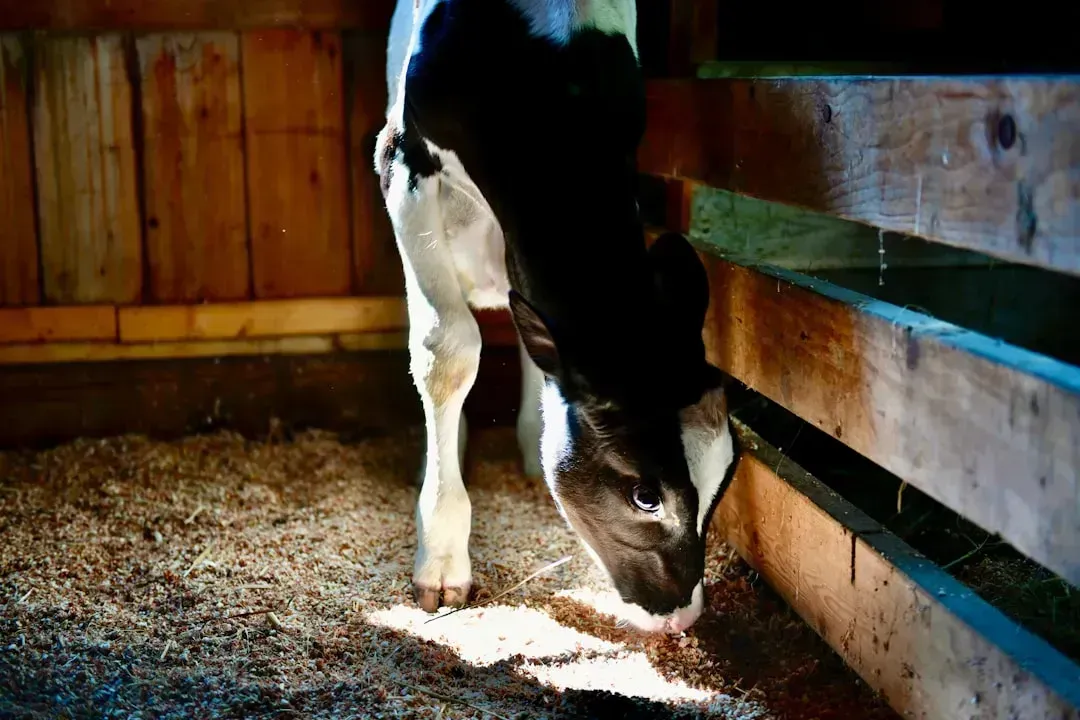
Recombinant bovine growth hormone, also called rBGH or rBST, is a synthetic hormone given to dairy cows to increase milk production. It’s been approved in the United States since the early 1990s but faces a very different reception elsewhere. Canada, the European Union, Australia, New Zealand, and Japan have all banned its use in dairy production over the years.
The concern isn’t necessarily that the hormone itself ends up in your glass of milk in dangerous amounts. Rather, cows treated with rBGH tend to have higher rates of mastitis, a painful udder infection that requires antibiotic treatment. That means potentially more antibiotics making their way into the milk supply, raising concerns about antibiotic resistance. There’s also evidence that rBGH increases levels of another hormone called IGF-1 in milk, which some studies have linked to increased cancer risk, though the research remains inconclusive.
The interesting part is how the market has responded even without a ban. Many major U.S. dairy brands now label their products as rBGH-free or rBST-free, responding to consumer demand. Whole Foods, Trader Joe’s, and numerous other retailers have policies against selling dairy from treated cows. It’s one of those rare cases where consumer pressure might be doing more than regulation ever did. Still, the hormone remains legal and in use on American dairy farms, something you’d be hard-pressed to find anywhere else in the developed world.