Parasite Warning: 10 U.S. Foods Linked to Rare (and Dangerous) Bacterial Risks
Foodborne illness is nothing new. We’ve all heard horror stories about someone who got terribly sick from something they ate. Yet here’s the thing: the situation seems to be getting worse, not better.
In 2024, illnesses from contaminated food rose to 1,392 Americans, up from 1,118 in 2023, while hospitalizations more than doubled from 230 to 487, and deaths climbed from 8 to 19. Those aren’t just numbers. They’re real people whose lives were upended by something as simple as lunch. When you walk into your grocery store today, certain foods sitting innocently on the shelves carry risks most of us never consider. So let’s dive into the ten foods that have been causing serious trouble across the United States in recent years.
Deli Meats: The Silent Threat Lurking in Your Sandwich
Let’s be real, nothing sounds more innocent than a simple deli sandwich. Yet in July 2024, a Listeria outbreak linked to Boar’s Head deli meats made at least 61 people in 19 states sick, with 60 hospitalizations and 10 deaths. Think about that for a second. Ten people died from eating lunch meat.
Inspection reports revealed numerous violations at the company’s plant in Virginia, including unsanitary conditions, and Listeria monocytogenes, the bacteria deemed responsible, can survive in cold environments and remain on surfaces for long periods of time. Your refrigerator isn’t protecting you from this one. Unheated deli meat, hot dogs and fermented or dry sausage all pose similar risks, especially for pregnant women, the elderly, and those with weakened immune systems.
Raw or Unpasteurized Milk Products: A Risky Trend
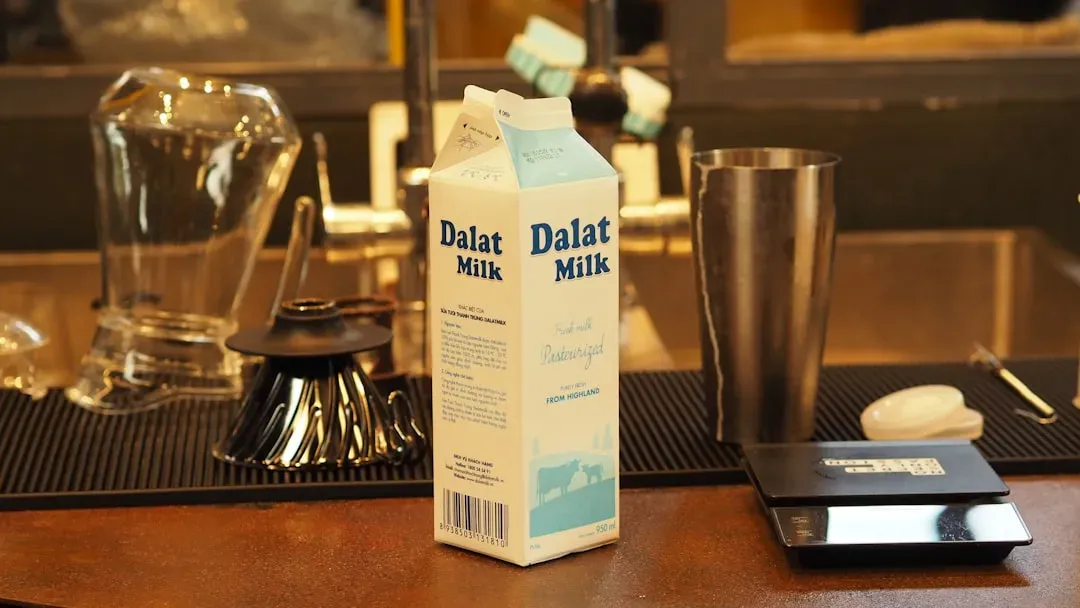
As of February 2024, at least 165 people were sickened with Salmonella infections tied to products from Raw Farm LLC of Fresno, CA, making it the largest reported Salmonella outbreak linked to raw milk in the U.S. in the past decade. Despite this, raw milk continues to attract health enthusiasts who believe it offers nutritional benefits.
The problem is that raw milk skips pasteurization, the heat treatment process that kills dangerous bacteria. In Florida, there have been 21 cases of STEC outbreaks associated with consumption of raw milk since January 2025, including six children under 10, with at least two cases involving severe complications. It’s hard to say for sure whether any perceived benefit is worth this level of risk. Unpasteurized milk, yogurt and soft cheeses should be avoided entirely by vulnerable populations.
Cucumbers: An Unexpected Culprit
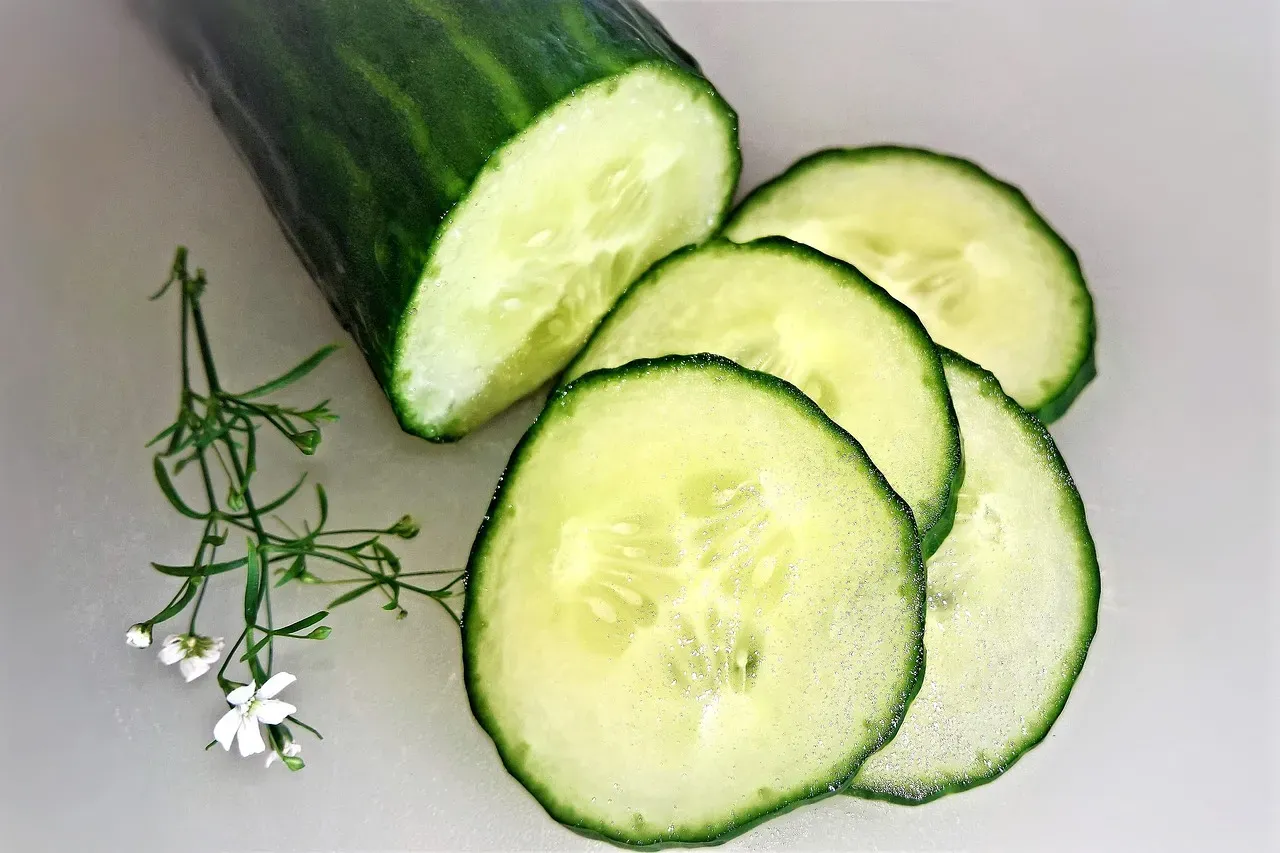
Cucumbers? Really? Yes, really. A June 2024 Salmonella outbreak attributed to cucumbers resulted in 551 confirmed cases and 155 hospitalizations across 34 states. This wasn’t some obscure vegetable from a sketchy vendor. These were regular cucumbers found in everyday grocery stores.
Untreated canal water used by Bedner of Boynton Beach, FL, matched the strain of Salmonella that sickened outbreak patients, and additional salmonella strains were detected in soil and water samples collected at Bedner Growers, while water used by Thomas Produce Company contained Salmonella that matched a strain causing some of the illnesses. The contamination happens during growing, not at your kitchen counter. Washing helps, certainly, yet it doesn’t eliminate all risk when the bacteria has already colonized the produce.
Organic Carrots: When Healthy Choices Turn Harmful
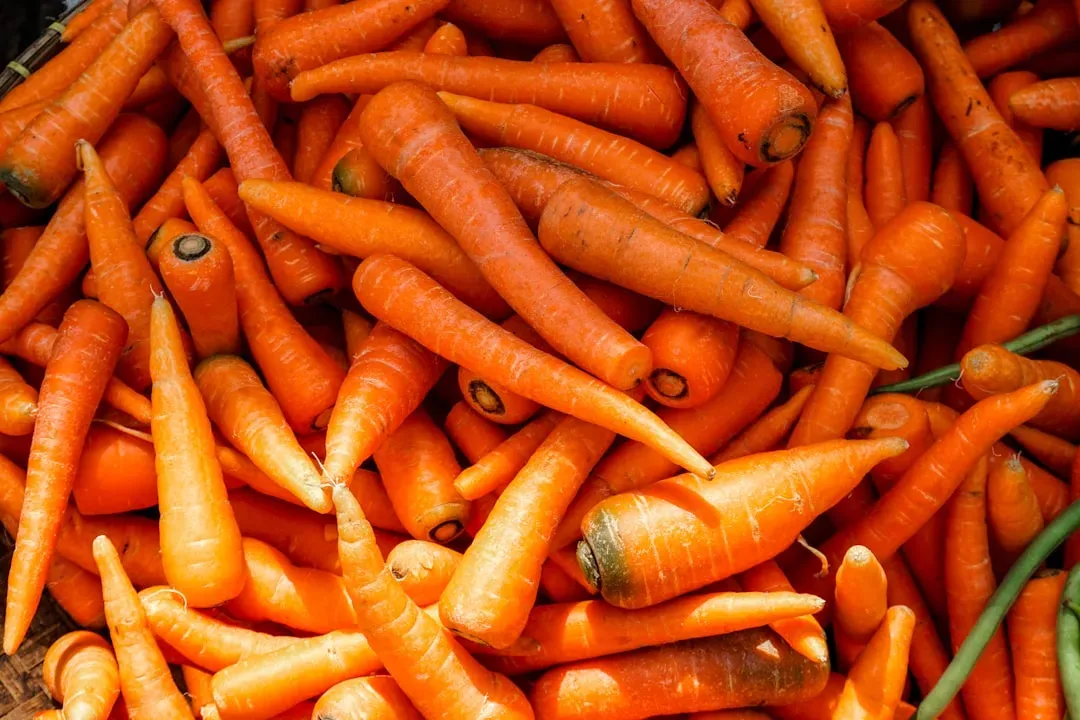
A deadly outbreak of E. coli O121:H19 infections traced to organic carrots from Grimmway Farms resulted in 48 confirmed patients across 19 states, 20 of whom required hospitalization, with one death and another patient developing hemolytic uremic syndrome, a serious condition that can cause kidney failure and brain damage.
Organic doesn’t mean safe from bacterial contamination. In fact, an on-farm water reservoir tested positive for the same strain of E. coli as the outbreak. These carrots were marketed as a healthy choice, yet they ended up causing kidney failure in vulnerable individuals. It’s a harsh reminder that the cleanest looking vegetables can harbor invisible dangers.
Charcuterie Meats: Artisan Danger
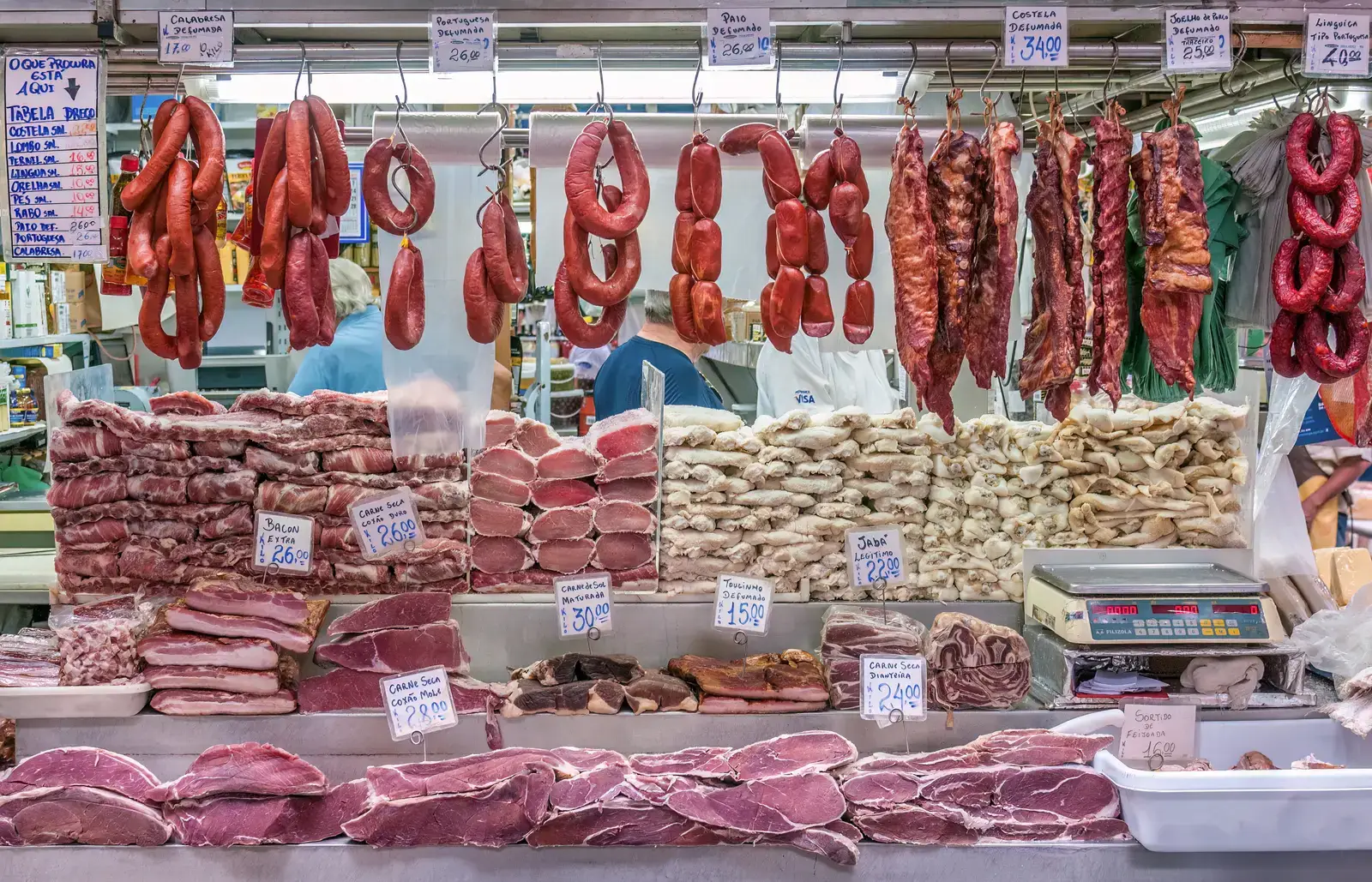
During December 2023 through March 2024, a Salmonella enterica outbreak linked to contaminated charcuterie-style meats affected 104 cases across 33 states. Although the production process should control bacteria that can cause illness in consumers, if the procedures are not followed carefully, charcuterie-style meats could be underprocessed, and facilities are required by USDA-FSIS to demonstrate sufficient scientific evidence that production processes will result in a 5-log reduction of Salmonella.
The fancy charcuterie boards that have become Instagram staples? They’re not without risk. This report describes the largest U.S. infectious outbreak associated with charcuterie-style meats since 2010, as charcuterie-style meats are typically produced using either fermentation and drying or salt-curing and drying rather than cooking. That artisanal preparation method, while delicious, means the bacteria isn’t cooked away.
Fresh Onions: A Fast Food Nightmare
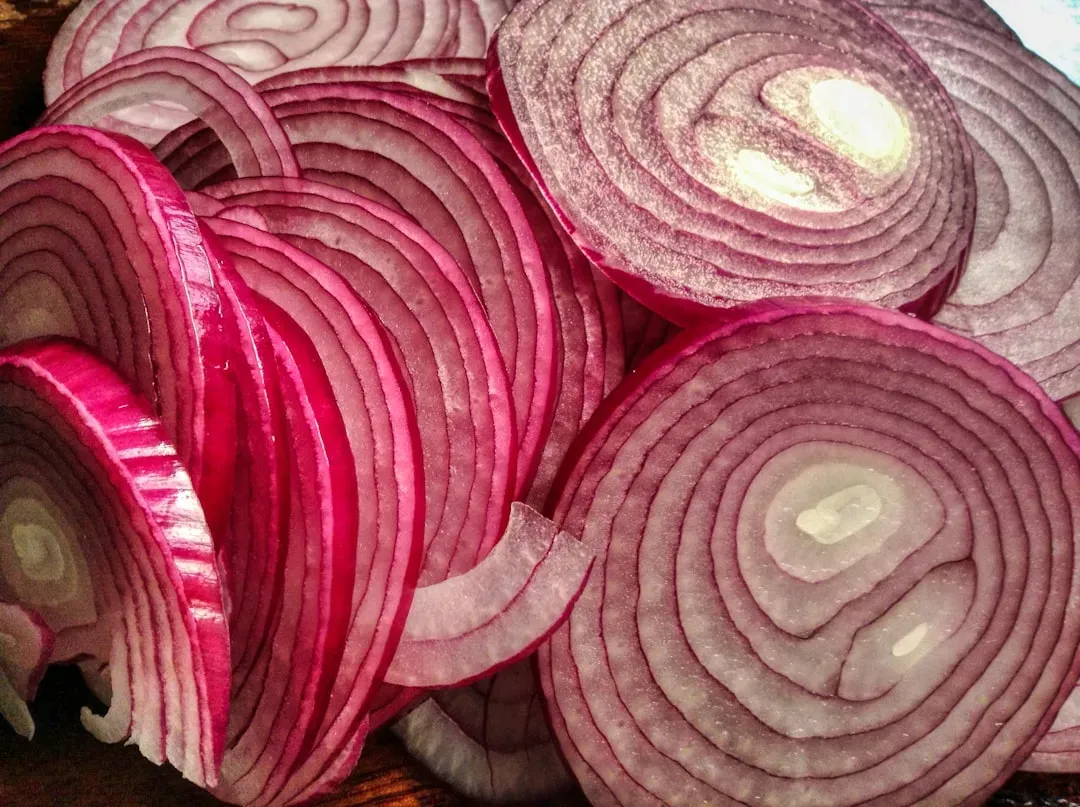
In October 2024, an E. coli outbreak was linked to McDonald’s Quarter Pounder in 10 U.S. states, and as of October 22, there have been 49 cases, 10 hospitalizations, and 1 death, with the CDC not confirming the origin but suspected to be either the quarter-pound meat patties or slivered onions. The CDC and FDA identified the likely source of contamination to be the slivered onions supplied by Taylor Farms.
Picture this: you’re grabbing a quick burger, thinking nothing of it. The outbreak of E. coli O157:H7 tied to Quarter Pounder hamburgers sold at McDonald’s sickened 104 people in 14 states, with 34 hospitalizations and 1 death, with the FDA identifying raw slivered onions as the likely source. Fresh produce on fast food seems like the healthiest part of the meal, right? Not always.
Eggs: A Breakfast Staple Gone Bad
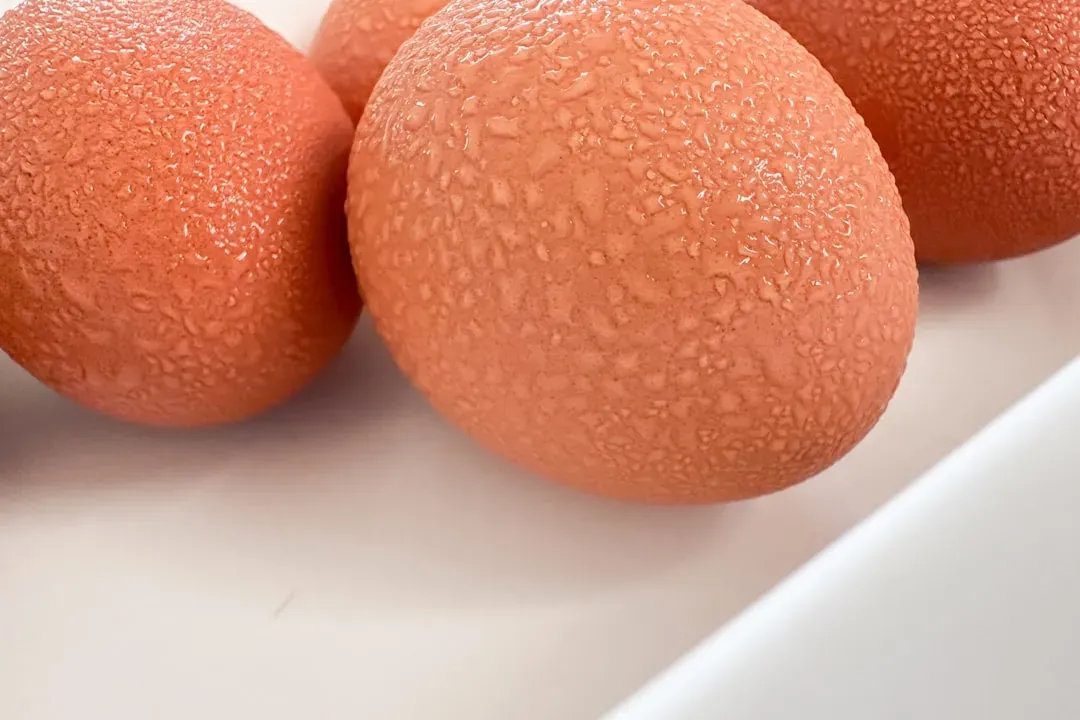
A large outbreak in 2024 was traced to Salmonella in eggs, resulting in 93 confirmed patients, 34 of whom required hospitalization spread across 12 states, caused by eggs from Milo’s Poultry Farms LLC of Bonduel, WI. The FDA conducted an on-site inspection and collected samples at Milo’s, with Salmonella Enteritidis detected in samples collected from the packing facility and poultry house.
Eggs seem so basic and safe. Yet Salmonella loves them. The contamination happens inside the chicken before the shell even forms. Cooking eggs thoroughly kills the bacteria, but how many people like their eggs runny? That’s where trouble starts.
Soft Cheeses: A Listeria Magnet

In 2024, FDA and CDC investigated an outbreak of Listeria monocytogenes in queso fresco and cotija cheese that resulted in 26 identified illnesses, 23 hospitalizations, and two deaths across 11 states, with clinical illnesses ranging from 2014 to 2023. According to CDC, Listeria is often found in dairy such as soft cheeses, as soft cheeses have high moisture and low acidity, conditions that support bacterial growth.
Mexican-style soft cheeses, particularly those made from unpasteurized milk, are a recurring problem. Unheated cheeses sliced at a deli pose similar concerns. The creamy texture we love creates the perfect environment for Listeria to thrive. Pregnant women especially need to avoid these products.
Packaged Salads: Convenience at a Cost
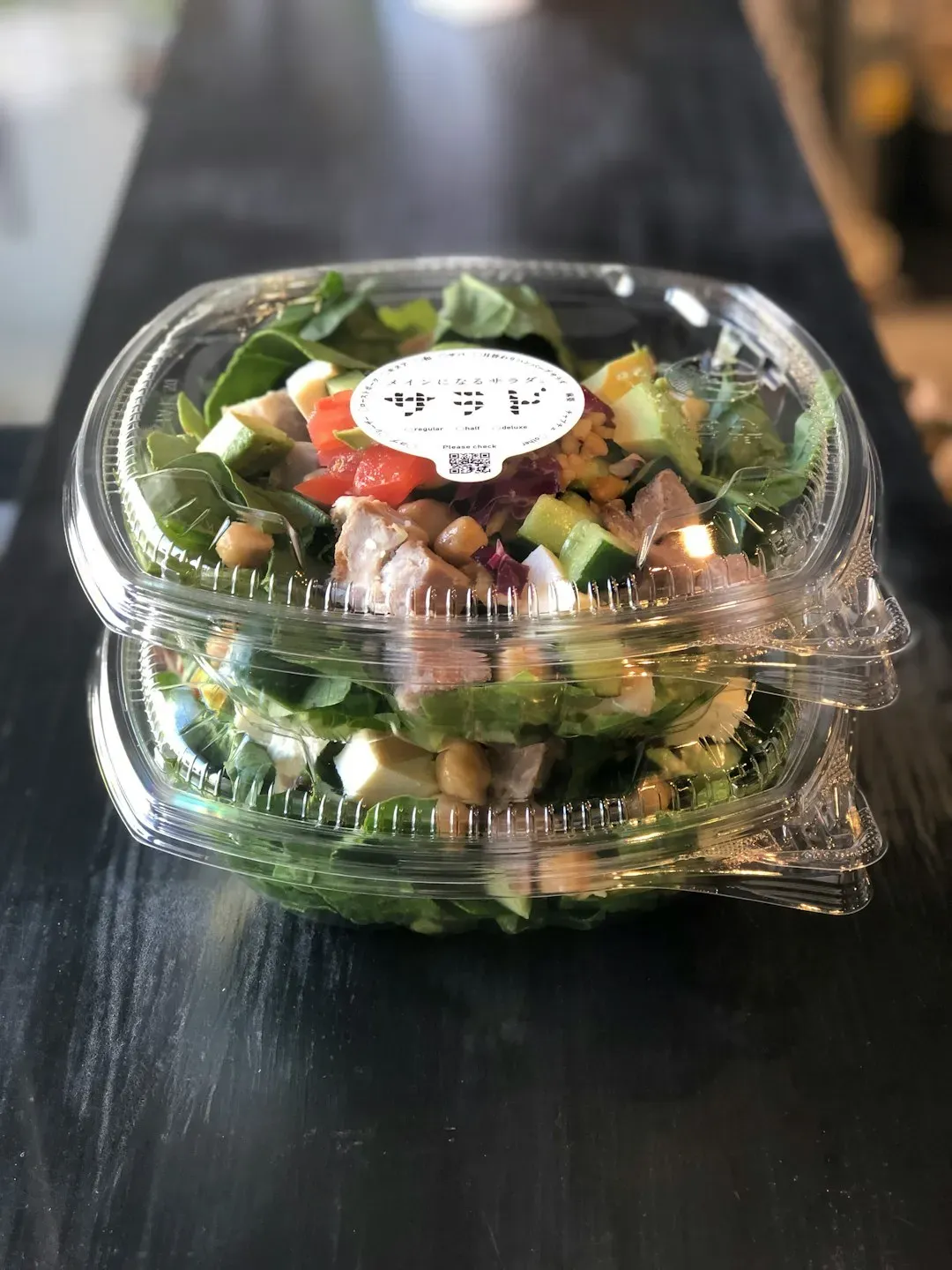
During 2015-2024, a total of 8 U.S. listeriosis outbreaks were linked to packaged salads, and during January 2015 through May 2024, FDA classified recalls of approximately 240 packaged salad products because of potential contamination with L. monocytogenes. Those pre-washed, ready-to-eat salad bags? They’re not as safe as they appear.
Research shows both romaine and iceberg lettuce can potentially internalize L. monocytogenes, and although refrigerated storage supports the survival and growth of L. monocytogenes on both packaged and less processed leafy greens, packaged salads might be at higher risk. The bacteria gets inside the leaves, not just on the surface. Washing at home won’t help if it’s already internalized. These salads promise convenience, yet they’ve caused hundreds of illnesses.
Fresh Basil: An Herb with Hidden Hazards
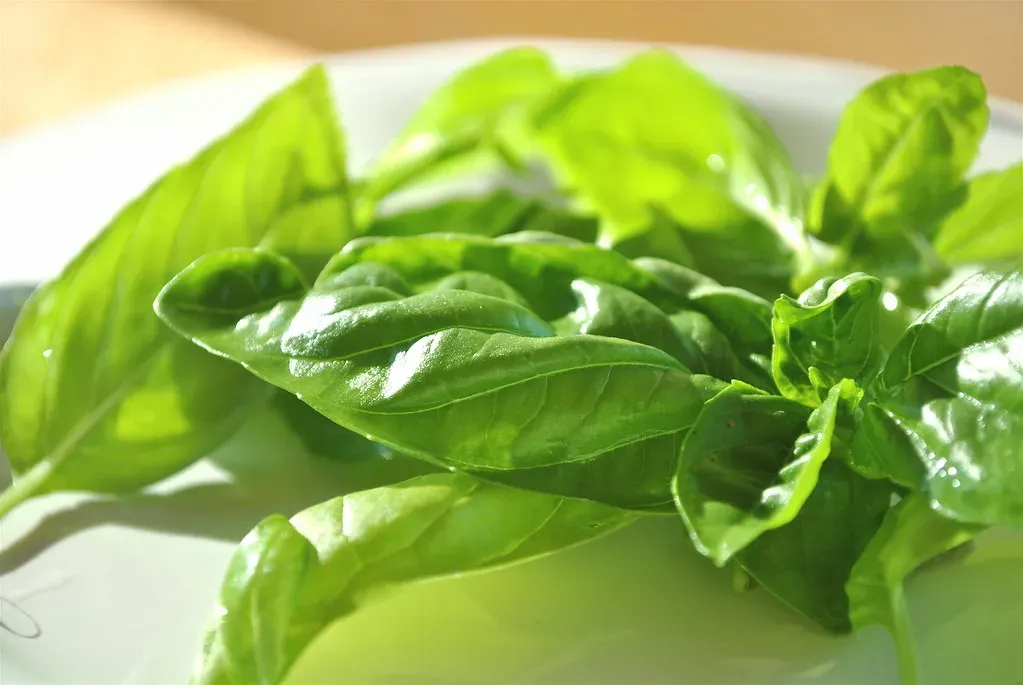
On April 18, 2024, Infinite Herbs recalled 2.5-ounce packages of Infinite Herbs fresh organic basil due to Salmonella contamination, and on April 19, Infinite Herbs expanded its recall to include Melissa’s brand fresh organic basil in 2 oz and 4 oz packages. Fresh herbs add incredible flavor to dishes. Who would suspect basil?
There were notable outbreaks involving eggs, fresh basil, and charcuterie meats contaminated with Salmonella. The leafy structure of herbs provides plenty of surface area for bacteria to cling to, and most people don’t cook fresh basil, they garnish with it. That means the bacteria goes straight from the package to your plate to your stomach. It’s a sobering thought next time you’re making pesto.