The Resale Kiss of Death: 5 Home Features That Can Tank Buyer Interest
Think you’re adding value to your home with that fancy renovation? Think again. The housing market in 2026 is full of surprises, and what you consider a stunning upgrade might actually make buyers run for the hills. According to recent data, only 2.5% of U.S. homes changed hands in the first eight months of 2024, meaning sellers need every advantage they can get. Unfortunately, certain features send the wrong signal entirely. Let’s dive into the resale nightmares that could be lurking in your property right now.
1. Swimming Pools: The Money Pit Buyers Don’t Want
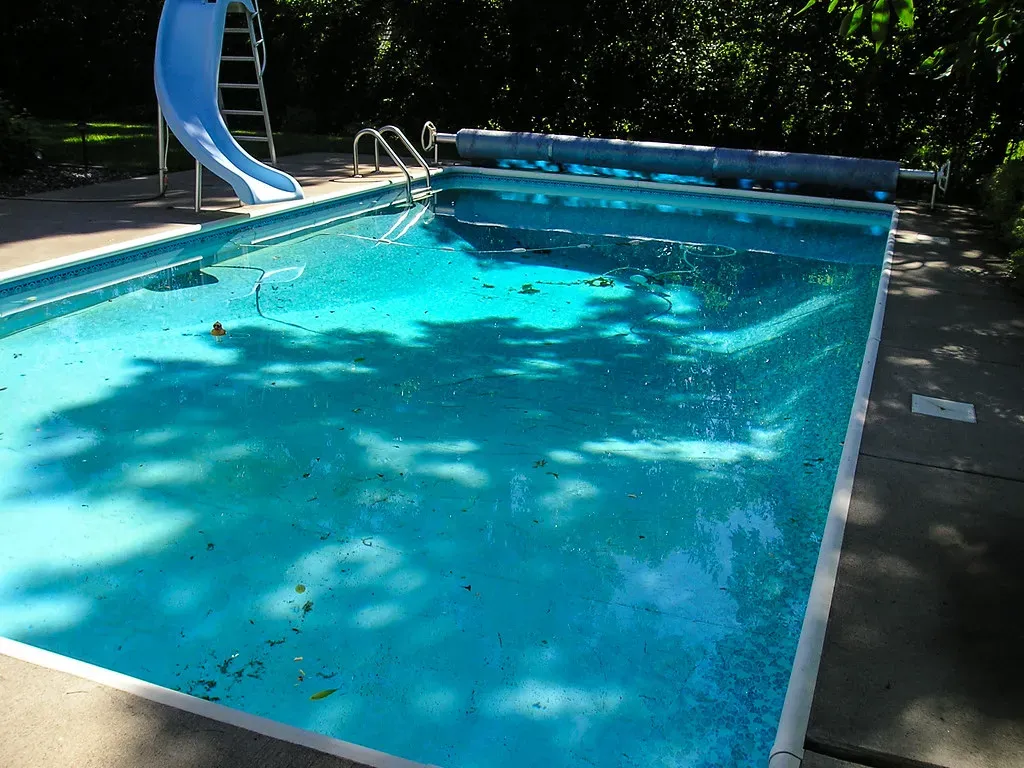
You might picture endless summer afternoons lounging poolside, but potential buyers? They’re mentally calculating maintenance costs and safety concerns. On average, a swimming pool increases a home’s value by about 1% to 7%, depending on location, climate, and neighborhood expectations, which sounds decent until you realize the math doesn’t work in your favor.
Here’s where it gets brutal. According to a report from the National Association of Realtors, the cost of building an inground pool could reach $90,000, yet you’re lucky to recover even a fraction of that investment. A $600,000 home that receives a 5% pool-related price premium gains roughly $30,000 in added value. Yet installing an inground pool often costs $60,000 to $90,000. The financial loss is staggering before you even factor in ongoing expenses.
The situation gets worse in colder climates. In states such as Illinois, Oregon, Minnesota, and much of the Northeast, a pool may add little to no value at resale. In some cases, it can even be viewed as a liability. Families with young children see drowning hazards. Empty nesters see a chore they don’t need. Only in specific warm-weather markets does a pool actually help, and even then, it’s no guarantee.
2. Wall-to-Wall Carpeting: The Allergy Trap Nobody Wants
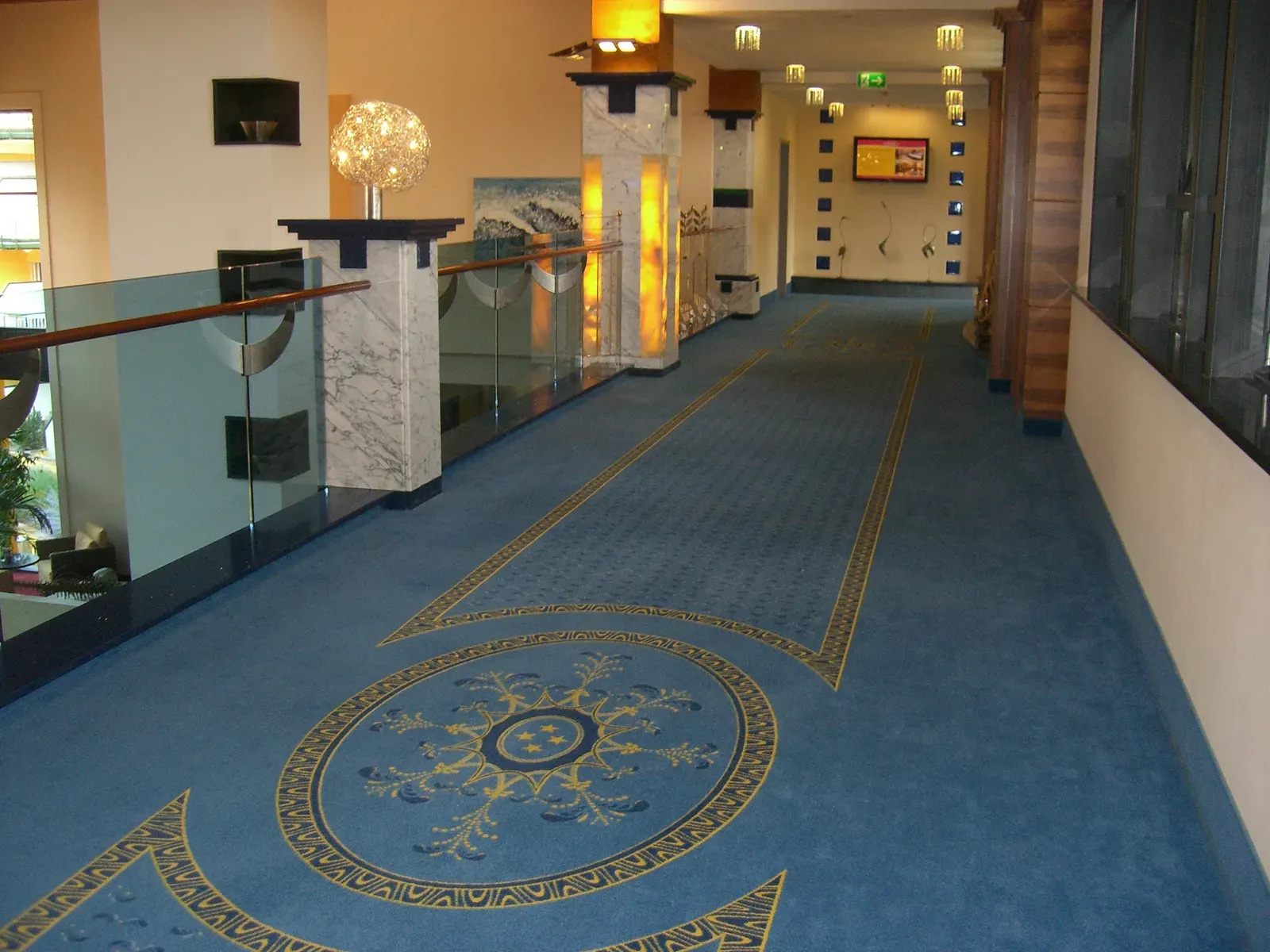
Carpet used to be the ultimate luxury – soft, cozy, and found in every room from the bedroom to the dining room. But in 2025, this once-coveted flooring choice has become one of the biggest red flags for potential buyers. It’s hard to overstate how much buyer preferences have shifted away from carpeting in recent years.
The health-conscious buyers dominating today’s market see carpet as more than just outdated. Wall-to-wall carpeting is known for trapping all kinds of dust, mites and other allergens…not exactly a healthy breathing environment for sleeping. When you’re trying to sell, this perception becomes your problem. According to Realtor.com, home buyers prefer hardwood. Buyers with allergies tend to look for hardwood because it doesn’t harbor dust like carpet does.
According to statistics from the National Association of Realtors, a substantial 54% of house purchasers are inclined to shell out additional funds for homes with hardwood floors this year, amounting to roughly an extra $2,080. That’s real money walking out the door because of your flooring choice. Even fresh, neutral carpet in bedrooms barely moves the needle anymore.
3. Over-the-Top Kitchen Remodels: When Luxury Backfires
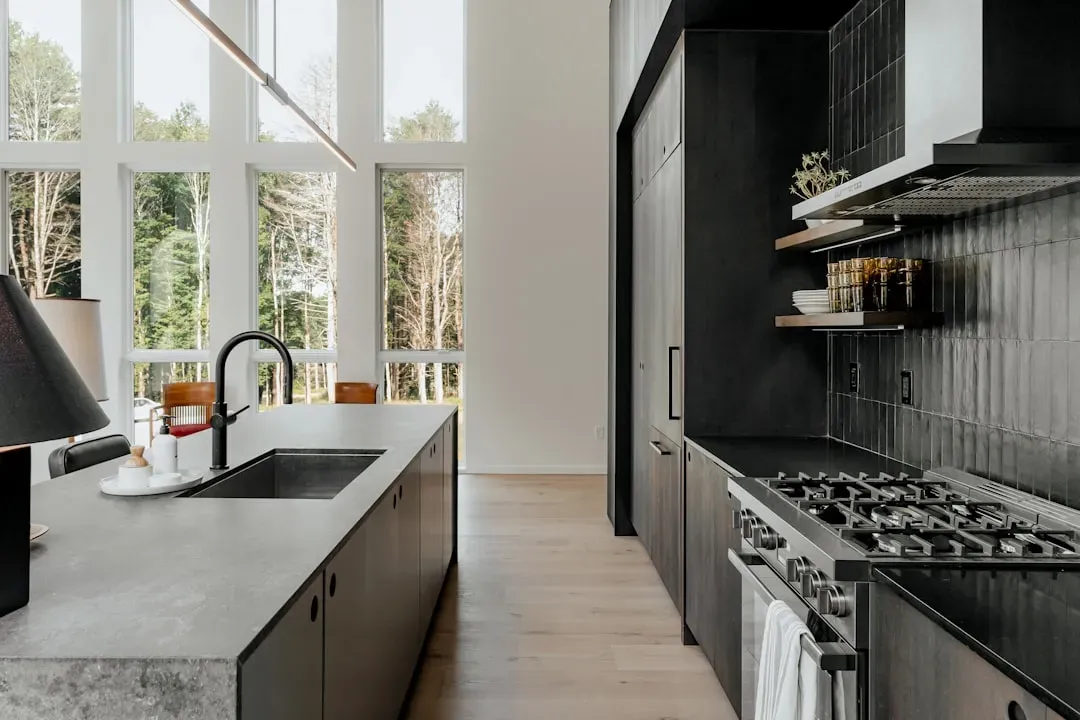
Dropping serious cash on a kitchen renovation seems like a smart move, right? Not so fast. The resale value of a major, high-end kitchen remodel is actually less than what you’ll invest in it, however. According to Remodeling Magazine, in 2023, the national average for a major kitchen remodel was $77,939, and you could expect to recoup only about 30% of the investment. Let that sink in. You’re losing roughly seventy percent of your money.
The problem intensifies when your renovation doesn’t match the neighborhood. Jordan Woolf, CEO of We Buy Houses in Bama, explained that “Adding luxury features or high-end finishes can be exciting, but if your home is suddenly much more expensive than others in the neighborhood, it can be tough to get your money back when you sell”. Buyers won’t pay for premium upgrades in a modest area, period.
Your state-of-the-art kitchen with imported marble countertops and commercial-grade appliances? It might actually scare buyers away. They’re wondering why you went so extravagant and whether the rest of the house has hidden issues you’re trying to compensate for. Sometimes less really is more when it comes to resale appeal.
4. Bedroom Conversions: Destroying Value Room by Room
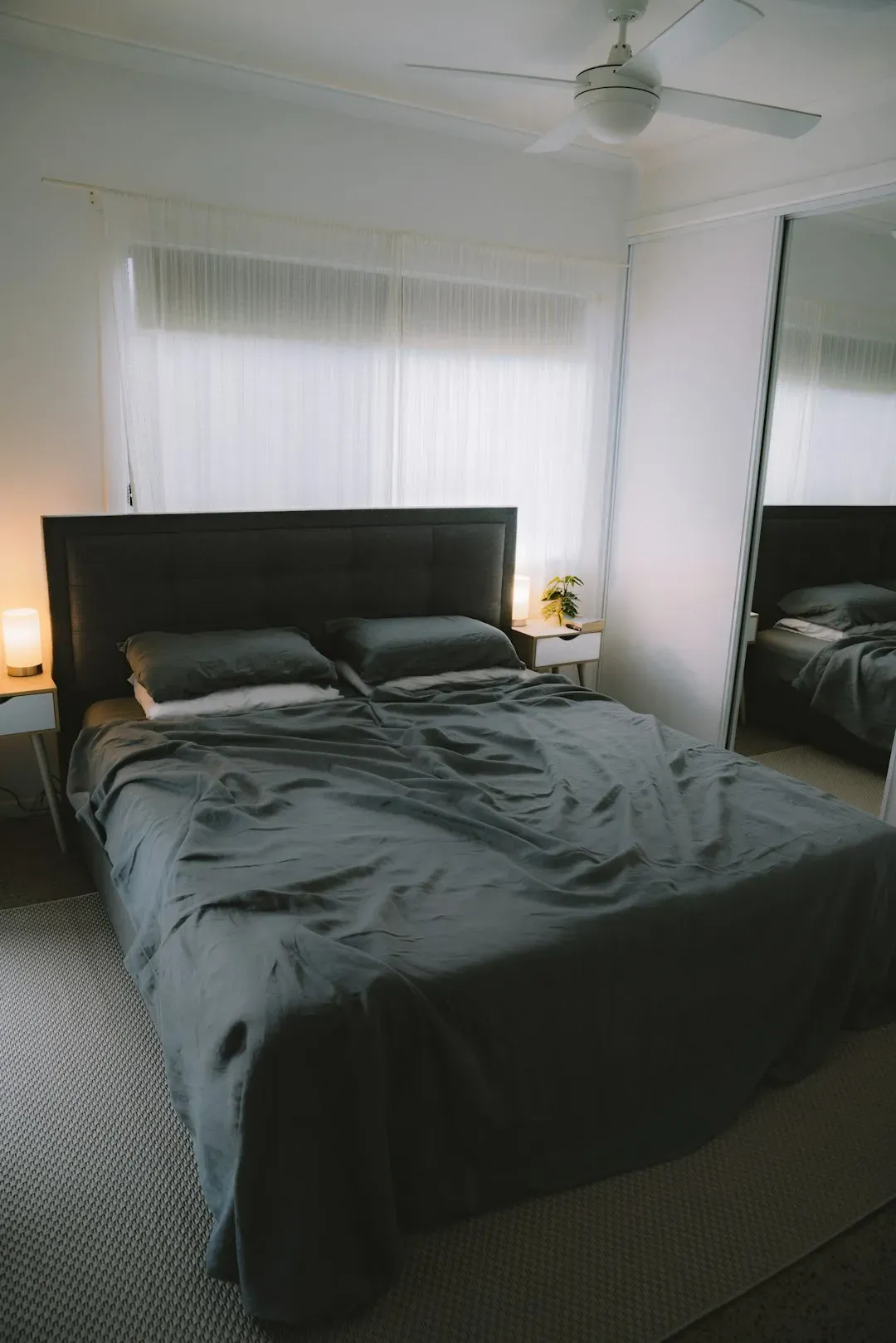
Turning that spare bedroom into a home office or walk-in closet might suit your current lifestyle perfectly. For resale? It’s a disaster. Sam Gallahan, co-owner of Revolutionary Home Buyers, said he has seen firsthand how removing a closet to make room for another upgrade, such as a larger bathroom or bedroom, can hurt a home’s resale value. “In an effort to create larger living spaces, some homeowners remove closets or built-in storage,” he said.
Home buyers search by bedroom count, making this conversion particularly damaging. Home shoppers usually search for homes based on the number of bedrooms, and a homes’ value is derived in part from the number of bedrooms it has. Bottom line: a bedroom is going to be more valuable to most buyers than a walk-in closet. You’ve literally eliminated potential buyers from your search pool.
Ryan Whitcher, founder and CEO of Harmony Home Buyers, said, “Converting a bedroom into an office may seem practical, but it reduces appeal for buyers needing more bedrooms.” Along with removing bedroom furniture, you likely will need to add wall outlets and phone jacks – costing up to $475 – and to install new hardware, which could bring the total cost up of the conversion to $5,000, according to HomeAdvisor. You spent money to reduce your home’s value. Let that one marinate.
5. The All-Gray Everything Trend: Dead on Arrival
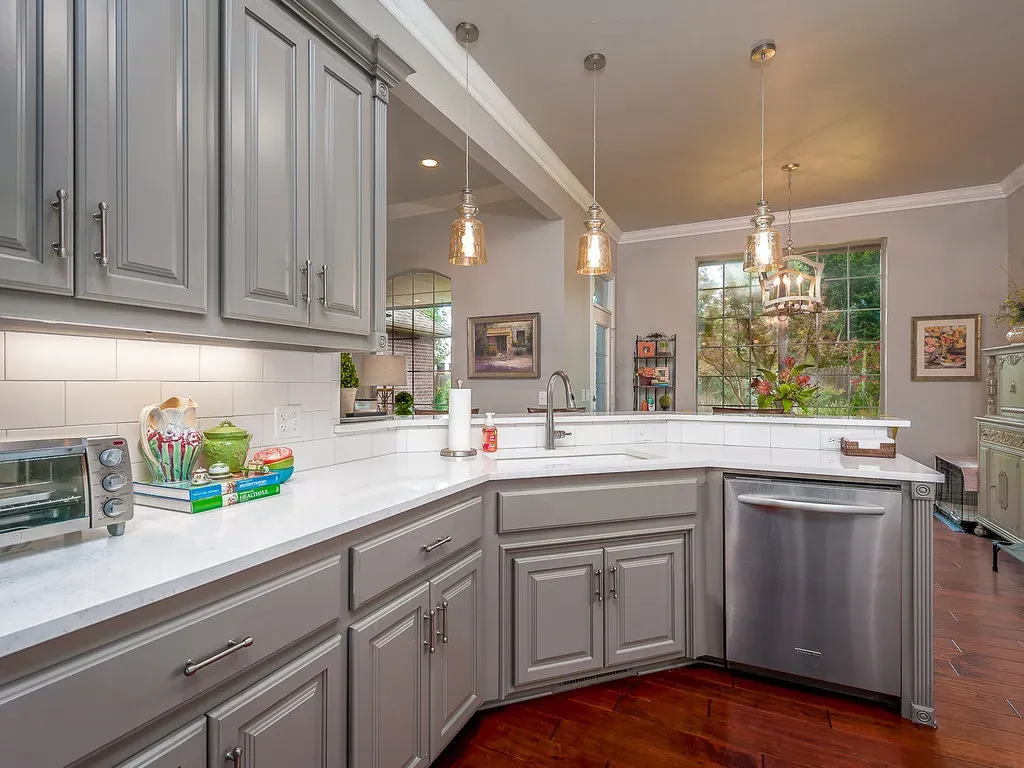
Gray walls, gray floors, gray cabinets – if your home looks like it was decorated by a grayscale Instagram filter, you’ve got a problem. The all-gray kitchen that dominated the last decade has officially run its course. For years, real estate investors and home flippers have relied on gray walls, gray flooring, and gray cabinets to create a “modern” look. But in 2025, this trend is dead. Yes, dead.
Buyers now see all-gray interiors as cold, outdated, and overdone. The monochromatic approach that once felt sophisticated now reads as uninspired and sterile. What you thought was safe and neutral has become the design equivalent of beige from the early 2000s. Buyers want warmth, not a cold surgical suite vibe.
The overly personalized design trap extends beyond gray. Painting the interior of your home with a nonneutral color will likely add zero value to your home because there’s a good chance the next owner of the property will repaint it with a different color, according to real estate experts. Buyers mentally subtract the cost and effort of fixing your questionable choices from their offer price.
Honestly, the lesson here is simple but brutal: your personal taste might be costing you tens of thousands of dollars at closing. What feels like home to you can feel like a renovation nightmare to buyers scrolling through listings. The 2026 housing market isn’t forgiving, and more than 40,000 signed home purchase agreements were canceled in December, representing 16.3% of all homes that went under contract, according to Redfin. Buyers have options and zero patience for deal-breakers.
So what’s the takeaway? Before you pour money into that dream pool or rip out a bedroom for your yoga studio, pause. Ask yourself whether you’re improving the home for you or for that future buyer who’s going to write the check. Because in this market, the difference between those two perspectives can mean the difference between a quick sale and a listing that languishes for months. Did your home make the list?