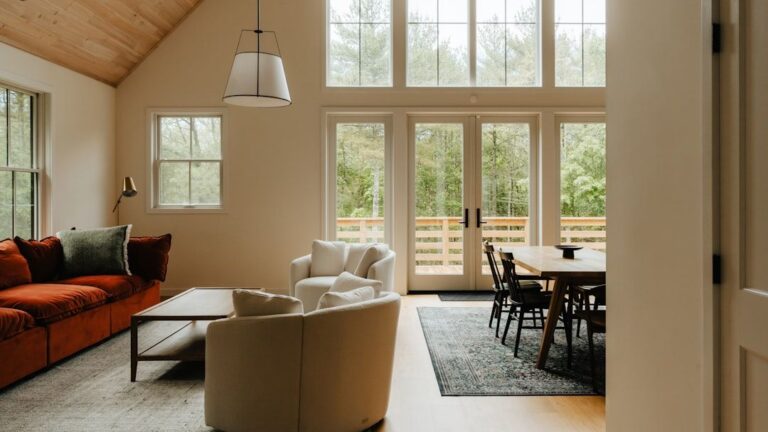
I Was Set on Retiring in Florida – Why These 10 States Now Feel Safer
For decades, Florida sat at the top of my retirement dream. That endless sunshine, those sandy shores, no state income tax eating into my Social Security checks. It seemed like a lock.
Yet something shifted over the past few years. Between skyrocketing insurance costs and intensifying hurricane seasons, the picture started cracking around the edges. I found myself browsing forums late at night, reading about retirees just like me reconsidering the whole Sunshine State plan. Turns out, I’m far from alone in this pivot.
New Hampshire: Safety Takes the Crown
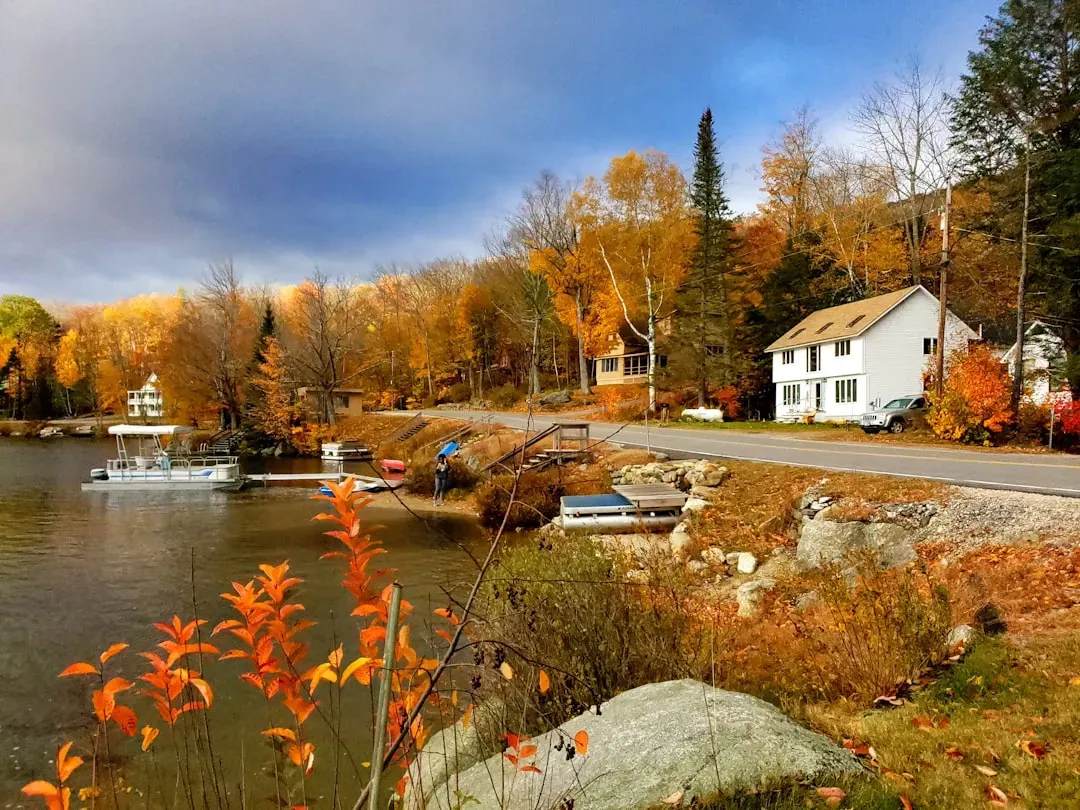
New Hampshire ranks as the best state for retirees according to recent comprehensive studies, excelling in neighborhood safety where it holds the top national spot, fifth place in healthcare, and sixth in taxes. The Granite State offers retirees the lowest violent crime rates in America, creating secure environments for aging populations.
Here’s the thing about New Hampshire that caught my attention: the state charges a 3-percent tax only on interest and dividends, which means retirees’ Social Security dollars could stretch further than in other tax-heavy states. Sure, the weather isn’t exactly postcard material. New Hampshire scored poorly at 40th for weather. You won’t be lounging poolside year-round like in Tampa, but isn’t peace of mind worth an extra sweater?
Maine: Where Community Matters Most

Maine has the highest percentage of residents aged 65 or older at 23 percent, ranked second for safety, third for healthcare, and fourth for arts and entertainment. Walking through Portland, you immediately sense this isn’t just a retirement destination. It’s a retirement community in the truest sense.
Maine leads with just 102.5 violent crimes per 100,000 residents, which frankly left me stunned when I compared it to what I’d been reading about Florida’s rising crime concerns. My brother-in-law moved to Maine three years ago, and he says the sense of safety is something you feel viscerally. No more checking car locks twice before bed.
Wyoming: Tax Havens Aren’t Just Offshore

Let me be real: Wyoming never crossed my radar initially. Mountains and wide-open spaces? That wasn’t the retirement I’d sketched out in my notebook. Then I looked at the numbers and everything changed.
Wyoming tops the taxes category with no state income tax, ranks fourth for affordability, seventh for safety, and tenth for recreation. The Cowboy State offers retirees substantial financial advantages, allowing retirement savings to stretch significantly further than high-tax coastal states. Healthcare does lag behind at 39th, which gives me pause. Nobody wants to drive hours for a specialist appointment.
Vermont: Healthcare Excellence in Green Mountains

Vermont ranked first for healthcare and first for arts and culture venues per capita, placed second for the proportion of older residents, and 12th for affordability. I’ll admit the cloudy weather is a drawback. Vermont is one of the cloudiest states, ranking 43rd in weather.
Still, after watching what Hurricane Helene did to coastal communities in 2024, cloudy skies suddenly don’t seem so terrible. Vermont offers something Florida can’t guarantee anymore: predictability. You know winter’s coming, you prepare for it, and you don’t wake up wondering if this is the year your home insurance gets dropped.
Idaho: The Unexpected Safety Champion
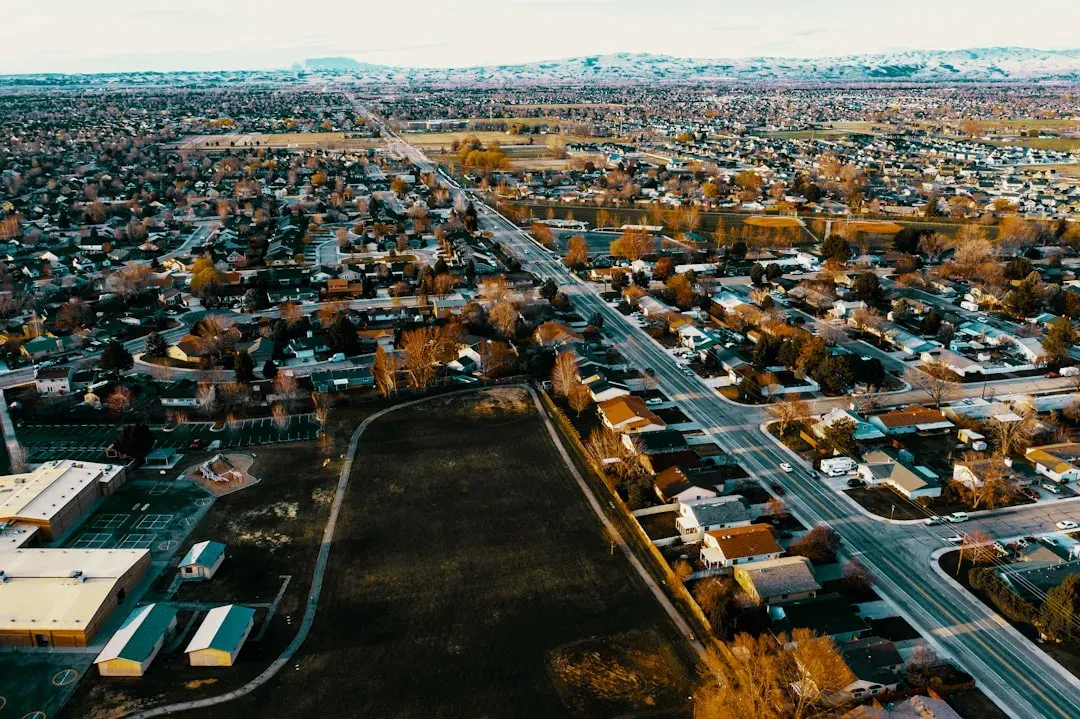
Idaho scored well in neighborhood safety at third place and had the lowest rate of property crimes in the country. Idaho also did well on financial issues, including affordability at ninth and taxes at 11th.
I visited Boise last autumn, mostly out of curiosity. The city surprised me completely. Clean streets, friendly faces, and housing that doesn’t require you to liquidate every asset you own. Idaho was the seventh-fastest-growing state in 2024 by percentage growth according to data from the U.S. Census Bureau, so clearly others have caught on to what this state offers.
Utah: Quality of Life Beyond the Beach

Utah doesn’t get enough credit in retirement conversations. Four New England states make the top ten retirement list including New Hampshire, Maine, Rhode Island and Vermont, and three are Western states including Idaho, Utah and Wyoming.
The state balances outdoor recreation with urban amenities in cities like Salt Lake City and Provo. Inland, elevated cities such as Provo, Utah, are gaining ground among older adults. My neighbor sold her Florida condo after insurance premiums tripled and moved to St. George, Utah. She tells me she’s paying roughly half what she paid in Tampa, and honestly, she looks healthier than she has in years.
Rhode Island: Small State, Big Benefits

Rhode Island is among four New England states in the top ten for retirees. This tiny state packs serious advantages into its borders. You get New England charm, ocean access, and robust healthcare systems without the sprawl of larger states.
Healthcare, both access and cost, as well as safety, recreation, and walkability play a major role in rankings, and New England states excel in these categories. Rhode Island proves you don’t need endless square footage to offer quality retirement living. Sometimes smaller means everything you need is closer.
North Carolina: The Halfback Haven
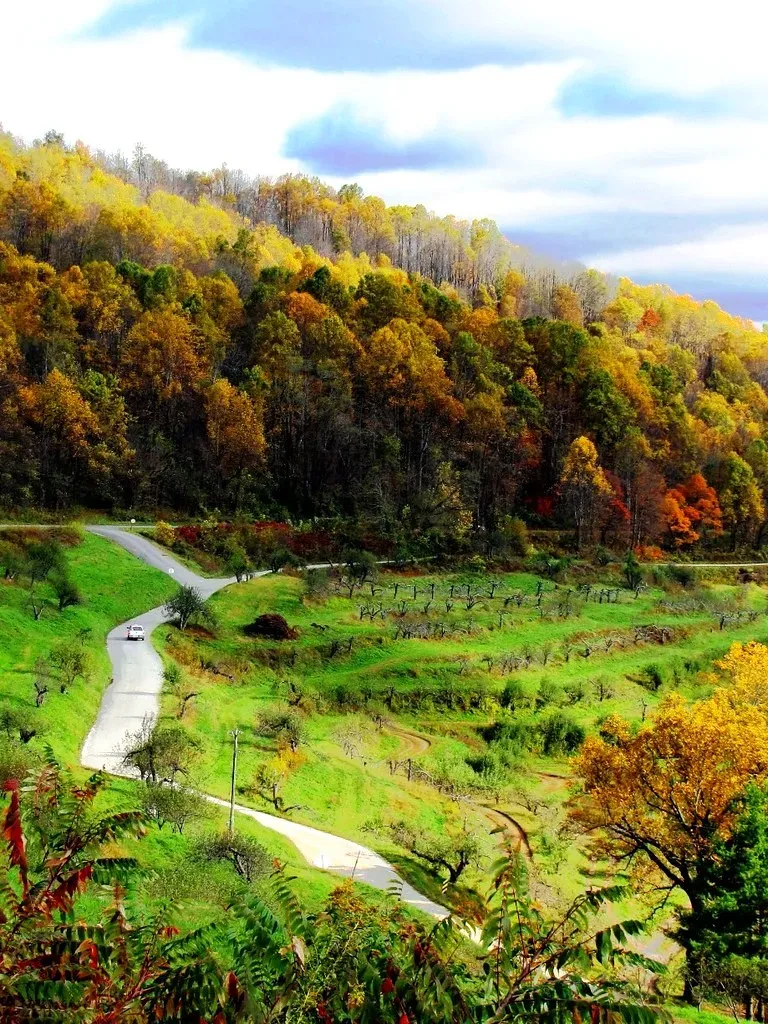
North Carolina represents what many call the “halfback” phenomenon. Many retirees are halfbacks who moved to Florida, realized the math didn’t work, and moved halfway back, settling in states like Tennessee, North Carolina and Georgia which offer four seasons, lower insurance risks, and a cost of living that more aligns with a fixed income.
Among retiree households aged 60 and older within the four most popular destinations of Florida, Arizona, North Carolina, and South Carolina, about 13.7 percent ultimately ended up in North Carolina. The median North Carolina home value of $336,465 is lower than the U.S. median of $368,581, and falls below Arizona at $426,164 and Florida at $382,136. Cities like Asheville and Charlotte offer culture without the crushing costs, though Hurricane Helene’s 2024 devastation in Asheville serves as a sobering reminder that no location is completely risk-free.
Minnesota: Cold Weather, Warm Healthcare

Despite its cold winters, Minnesota has one of the top-rated healthcare systems in the country and maintains low crime rates, with retirees benefiting from the state’s support services, affordability, and a community-oriented lifestyle.
I won’t sugarcoat it: Minnesota winters are brutal. Yet when I compare the predictable cold to Florida’s mounting climate uncertainties, the calculation shifts. Violent crime rates against seniors increased by 331 percent between 2013 and 2023 alone according to FBI data reviewed by Seniorly. Minnesota’s safety record stands in stark contrast to these national trends.
South Dakota: The Dark Horse Candidate

South Dakota tops the list of safest states for seniors in 2025. South Dakota is second in the nation for senior healthcare access anchored by the statewide presence of primary healthcare providers like Sanford Health and Avera Health, and fifth for traffic safety.
South Dakota rarely makes anyone’s initial retirement list, which might be exactly why it works. No overcrowding, no inflated prices driven by endless retiree demand. South Dakota earned one of only three A grades for safety. Sometimes the best opportunities hide in places we never thought to look.