8 Classic Sandwiches That Have Vanished From Deli Menus
Walk into a deli today and you’ll find turkey clubs, Italian subs, and BLTs stacked high behind the glass. It’s hard to argue with those choices. They’re delicious, reliable, and everyone knows what to expect.
Yet something’s missing. The deli counter used to be a wild frontier of flavor, where lunch meat could surprise you and bread choices mattered in ways you didn’t question. Those sandwiches your grandparents swore by? They’ve quietly disappeared while nobody was looking.
These aren’t just forgotten recipes. They’re pieces of culinary history that got swept aside by changing tastes and modern convenience. Some deserved their fate, honestly. Others? Well, maybe we gave up on them too quickly.
Liverwurst with Raw Onions and Mustard on Rye
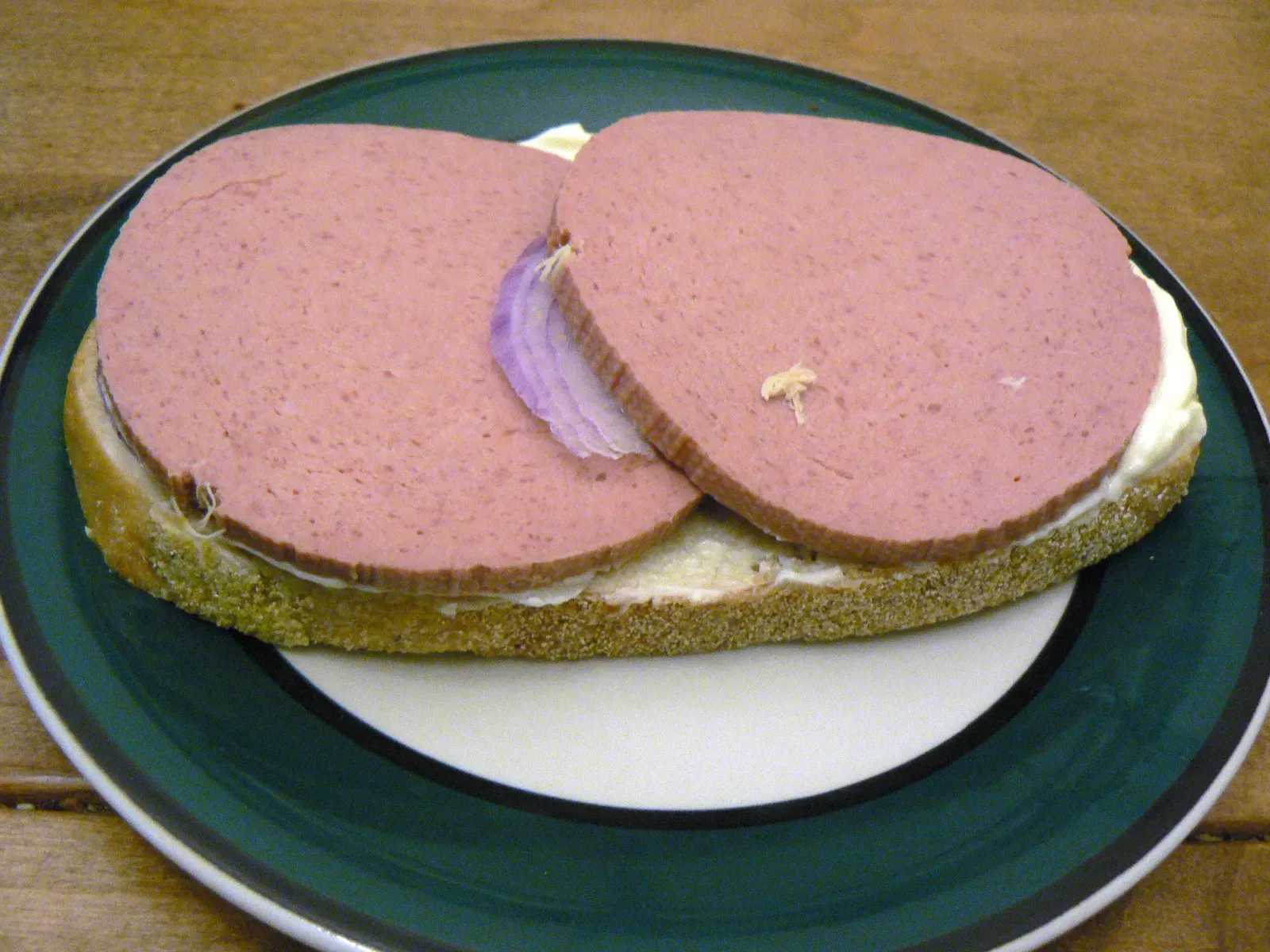
Liverwurst is a food of German origin made from pig’s organ meats (mostly liver) and pork fat, all finely ground together and extruded into tubes. The finished product is soft enough that it works as a spreadable paste for bread or crackers, but firm enough that it can be used in slices or hunks on a sandwich. This wasn’t for the faint of heart. Sharp raw onion rings and spicy mustard cut through the silky, funky meat in a way that felt like old world comfort food.
Liverwurst’s popularity peak in the U.S. lasted from the 1940s to the 1970s, sold alongside bologna at deli counters and appearing in little cylinders in grocery store luncheon meat sections. By the 2020s, liverwurst had disappeared from the mainstream, even in deli hotbeds like New York City. These days, you’d have better luck finding a unicorn than a proper liverwurst sandwich at most delis.
After 2024, what little liverwurst that remained in distribution grew even more rare. The decline of German food culture’s prominence in America pushed this sandwich into obscurity. If you track one down at a German market, grab it while you can.
Olive Loaf on White Bread
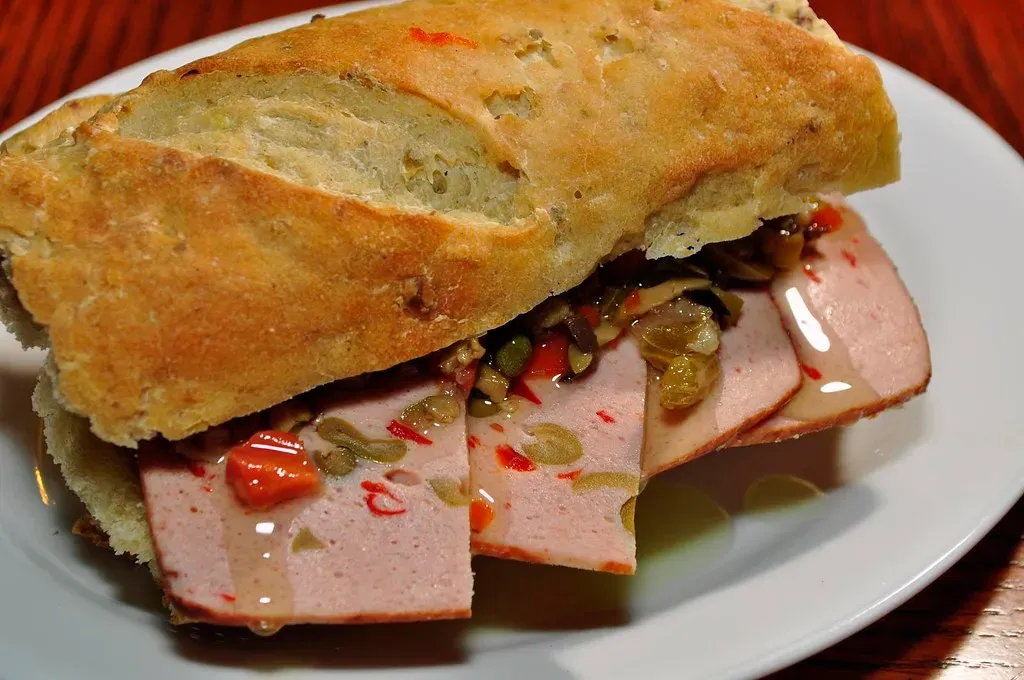
Picture this: pink bologna studded with bright green olives, sliced thin and slapped onto soft white bread with nothing but yellow mustard. Olive loaf was a lunchbox favorite particularly in the late 1960s and early 1970s, when supermarket delis began to grow in popularity and olive loaf was one of the standout offerings. The briny pop of those pimiento-stuffed olives cut through the processed meat in a way that actually worked. Let’s be real: it looked weird. That pink and green combo wasn’t winning any Instagram contests.
Oscar Mayer revealed that olive loaf was discontinued in a comment on Facebook in 2025, with other brands also hard-pressed to find, as Boar’s Head claimed to be striving to restock stores in 2025 but it’s no longer on their website’s product page. As deli cases upgraded, olive loaf lost its shelf slot, with health kicks and artisan meats pushing it aside.
Very few meat producers even bother to make olive loaf anymore, with both Hummel Brothers and Oscar Mayer quietly discontinuing the former lunch staple. For those who grew up with it, nothing quite captures that specific nostalgia.
Chopped Liver Sandwich on Rye
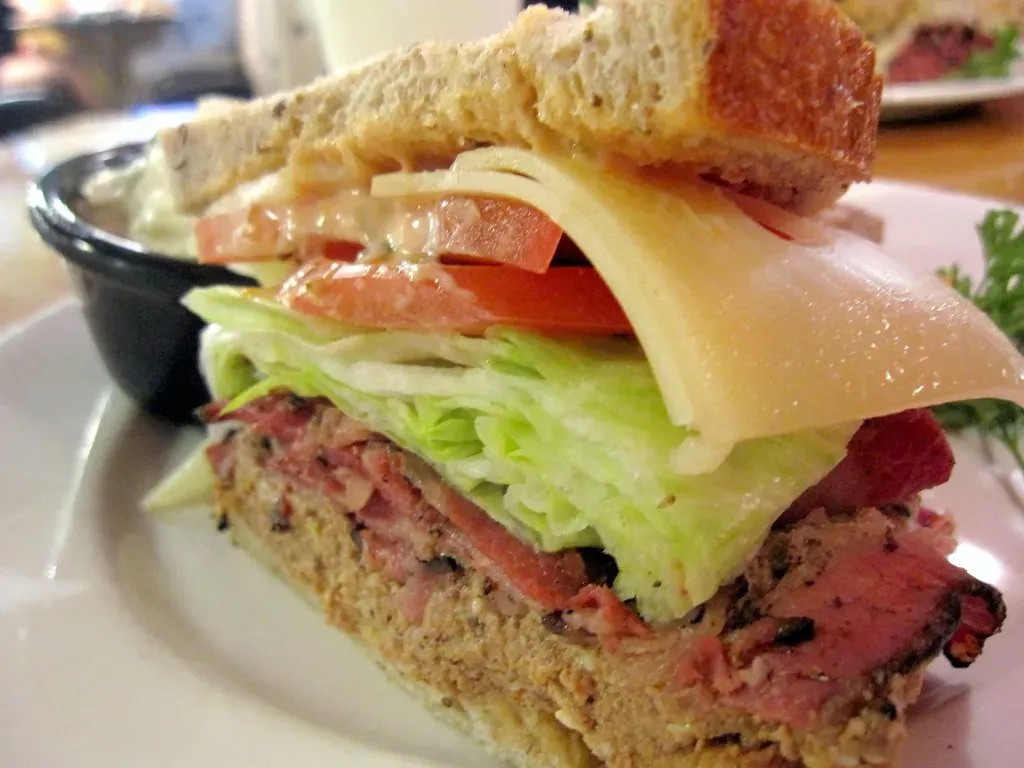
Walk into any Jewish deli in the 1960s and you’d find chopped liver sandwiches proudly displayed right alongside pastrami and corned beef. This spread made from chicken livers, hard-boiled eggs, and schmaltz (rendered chicken fat) was a delicacy that regular customers ordered without hesitation, slathered thick on rye or challah bread. The rich, earthy flavor was an acquired taste, sure, but for those who loved it, nothing else could compare.
What killed the chopped liver sandwich wasn’t just changing tastes – it was America’s growing fear of cholesterol and fat in the 1980s and 90s. Suddenly, a sandwich made primarily from organ meat and chicken fat became public health enemy number one, even though our grandparents ate it regularly and lived into their nineties. The health panic was relentless.
These days, you might still find chopped liver as an appetizer in old-school Jewish delis, usually served with crackers or matzo, but the days of ordering it as your main lunch sandwich are long gone.
Beef Tongue with Horseradish and Pickles
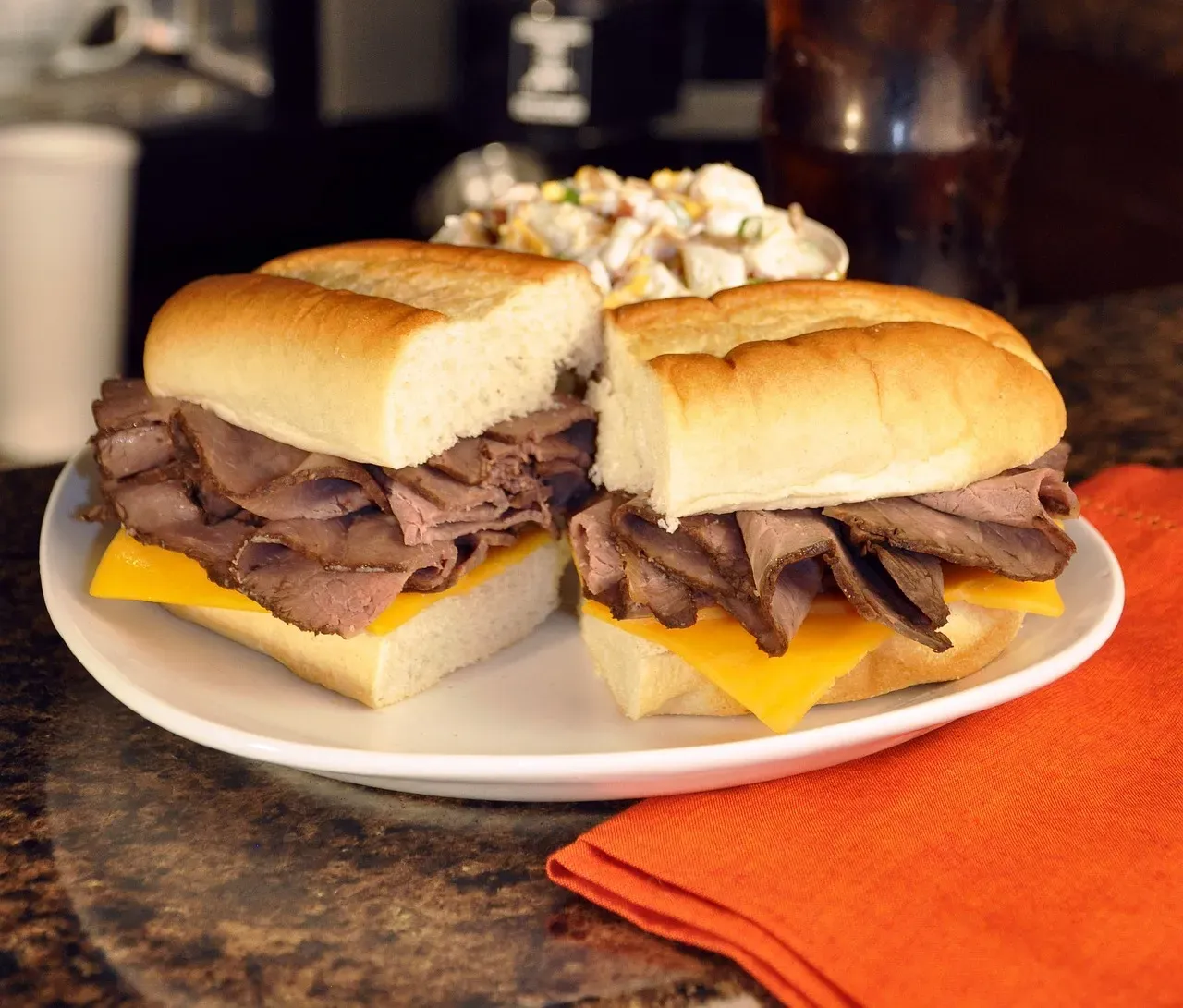
This one’s not for everyone, I’ll admit. Tongue was an exceptionally cheap cut of meat, so people got creative cooking it through broiling, baking, or serving it corned, slicing it up for sandwiches with horseradish and pickles, with popularity stemming more from necessity than flavor. Yet for those who acquired the taste, tongue offered surprisingly tender meat with a delicate texture you couldn’t get from regular cuts.
Beef tongue holds a symbolic place in Jewish culinary heritage. Some Sephardic communities, for instance, serve it during the high holidays as a wish to move forward in the year ahead. This reverence carried over to the classic deli, where tongue became a staple sandwich, prized for its rich, tender texture, and always on rye.
Beef tongue sandwiches are still important in Jewish food culture, and it can still be found in more traditional delis. Katz’s Deli in New York still serves it, bless them. Most folks today would rather not think about where their sandwich came from, which probably explains why tongue never made a mainstream comeback.
Sardine and Egg Salad
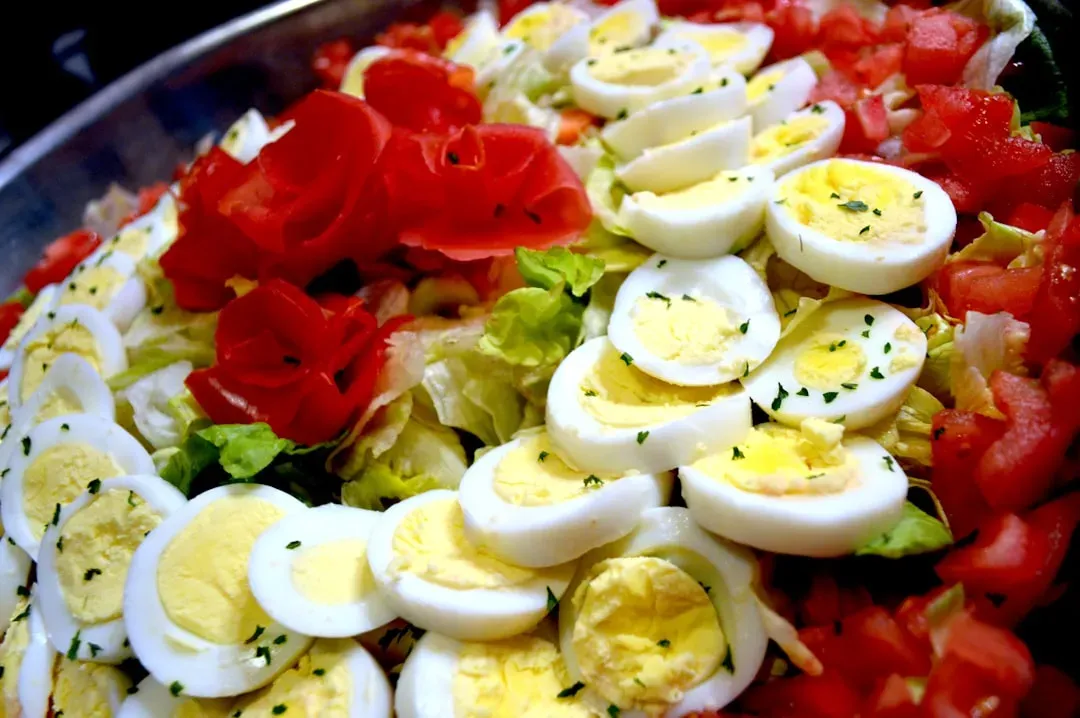
In the 1920s and ’30s, protein sources were hard to come by. You could not just go to your local deli to grab some cold cuts, as prices were extremely high and meat was scarce. Eggs and sardines became a solution for many. Both items were high in protein and easy to prepare, and they could easily be found at any corner or grocery store. The flavors were harsh, honestly. There was little to mask the strange combination of fishy sardines and creamy egg.
This was Depression-era necessity disguised as lunch. These ingredients, while perhaps not the most appetizing, were nutrient-dense and extremely filling, giving consumers healthy omega-3 fatty acids. As time went on, as with many of the sandwiches listed here, tastier options became attainable once again, and people stopped reaching for sardines and eggs, at least together.
In the 1950s, as commercial tuna fleets boomed, sardines fell to the wayside, with tuna being less fishy tasting, thus more appealing to more people, and at the time, cheaper than sardines, while chunks of tuna were likely easier for squeamish diners to handle than whole sardines. Tuna salad became America’s fish sandwich of choice, leaving sardines in the dust.
Ham Salad on a Bakery Roll
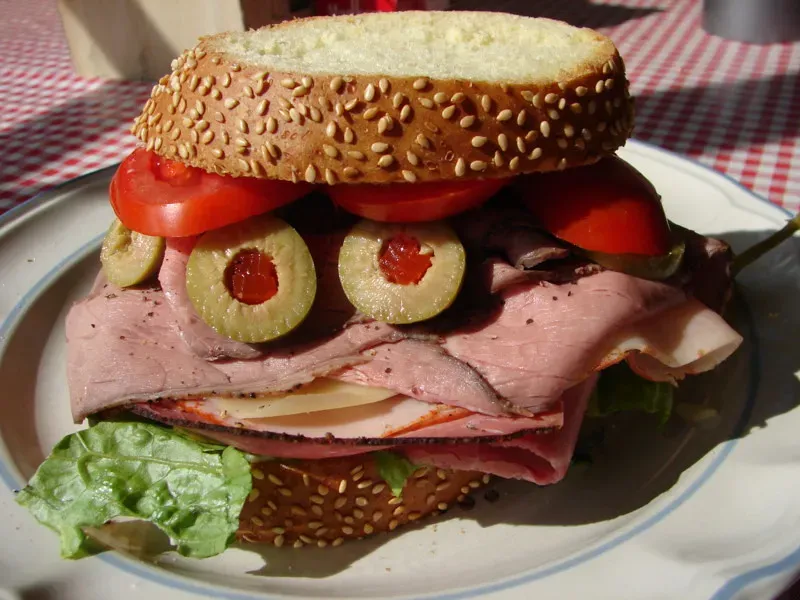
Leftover ham got a second life in a creamy chop, folded with pickle relish and a bit of celery crunch, piled on a bakery roll as picnic fuel that traveled well. This was Depression-era resourcefulness at its finest. Nothing went to waste when you could grind up Sunday’s ham and turn it into Monday’s lunch.
Prepacked options and sodium fears nudged ham salad away, with people worrying about mayo sitting out. Food safety concerns killed many a mayo-based sandwich, fair or not. The rise of individually wrapped, preservative-laden alternatives made fresh-made ham salad seem risky by comparison. The texture’s weird if you’re not used to it, I get it.
Now, it’s difficult to find ham salad on any menu, mock or otherwise. Although ham did eventually become more available even for budget-conscious consumers, the dish was not as regularly served as plain ham on sandwiches. This dish alluded to lean times for many, so people were ready to abandon the recipe for different, fresher, and more flavorful choices once they had the means.
Egg Salad on Pumpernickel
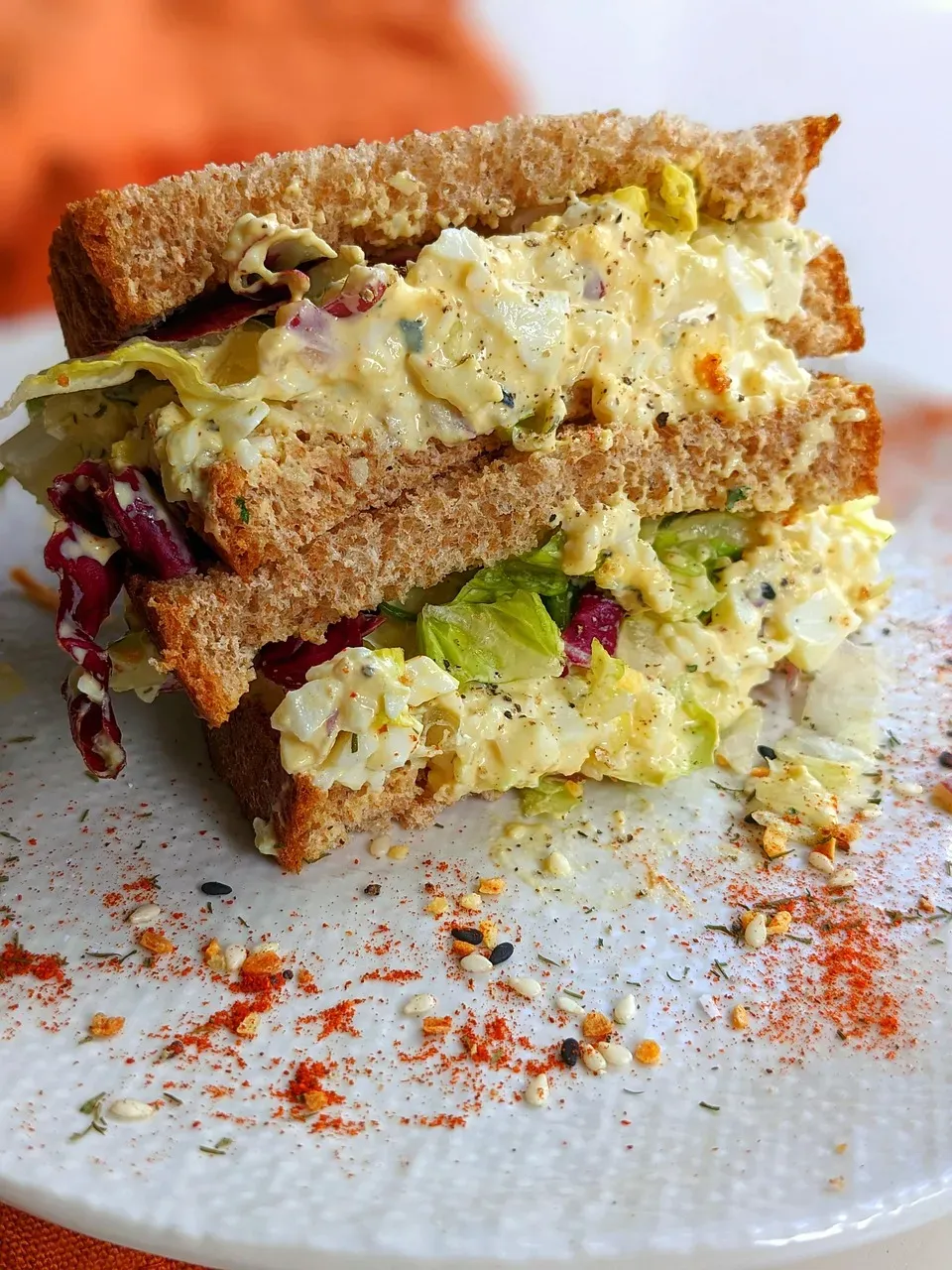
Delis once stacked this simple favorite without apology, with chopped eggs, a hint of mayo, a dash of paprika, and fresh dill meeting dark pumpernickel, with the bread turning it into something deeper and slightly sweet. The dense, almost cake-like texture of pumpernickel provided the perfect vehicle for creamy egg salad, adding complexity that white bread never could.
Ciabatta and croissants have stolen the pairing, with pumpernickel losing its moment in the sun. Artisan breads muscled out the old standbys, and pumpernickel became that thing your great aunt requested at family gatherings. It’s a shame, really. The slight sweetness of pumpernickel balanced the richness of egg salad in a way that trendy breads just can’t replicate.
These days, when someone orders an egg salad sandwich, it arrives on ciabatta or a croissant. Nobody asks for pumpernickel anymore. The bread became too old-fashioned, too heavy, too much like something from another era. Yet for those who remember, nothing hits quite the same.
Turkey Devonshire
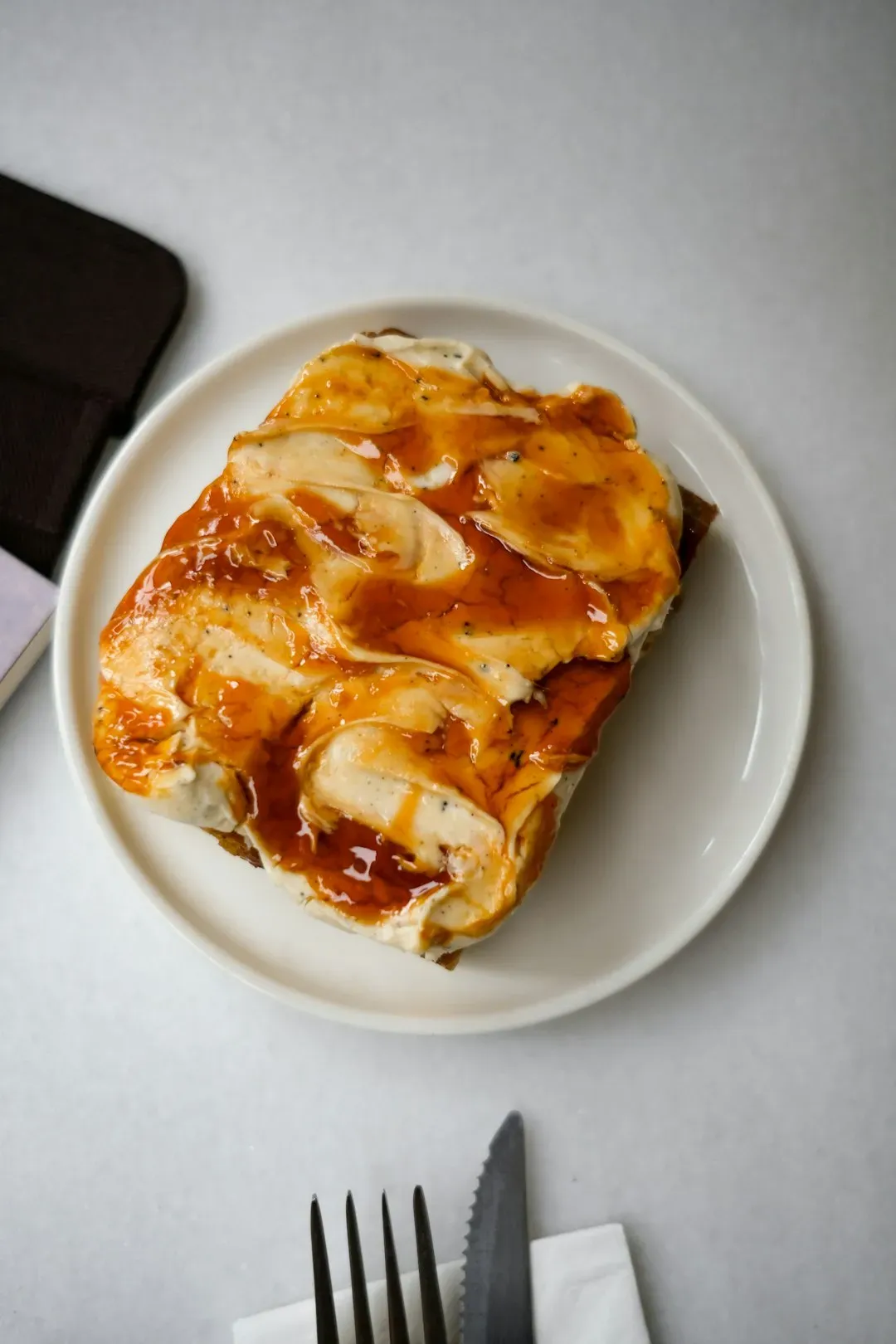
This open-faced beauty appeared under broilers at diners everywhere, featuring thick turkey slices, bacon, and tomato smothered in a cheesy Mornay sauce that bubbled and browned just right. It felt rich and way more indulgent than a basic club. This wasn’t finger food. You needed a knife and fork to tackle this properly.
The Turkey Devonshire vanished as lunch counters closed and quick-service dining took over. Making a proper Mornay sauce takes time and skill, neither of which fit into the modern fast-casual model. It’s almost extinct now, though some old-school diners still guard the recipe like a family secret.
Tastes have changed over time and consumer habits have shifted, leading to a decline in deli meat sales overall, with younger folks not being big on using service counters. The personal connection, the specific requests, the ritual of ordering from a real person – all traded for grab-and-go efficiency.