Cast Iron Skillets Worth Thousands: How to Know If Yours Is One
You might not realize it, but that dusty cast iron skillet tucked away in your grandmother’s attic or sitting in the back of your kitchen cabinet could be worth a small fortune. I’m not exaggerating. In 2020, one Griswold No. 13 skillet from the 1940s sold for a record-breaking $20,000 at auction. These aren’t just old pans we’re talking about. We’re discussing serious money that could fund a nice vacation or pay off a chunk of debt.
The cast iron collecting world has exploded in recent years. In December 2024, a vintage Griswold #14 skillet with a front-pour spot sold for $3,249, and a #13 with a slant logo sold for $2,799.99. In 2023, a Wagner No. 13 skillet sold for $950 at auction. Still, the vast majority of old skillets aren’t worth thousands. Learning how to spot the difference between a twenty-dollar pan and a two-thousand-dollar treasure requires knowing what makes certain pieces so incredibly valuable.
The Most Valuable Brands and Logos You Should Look For
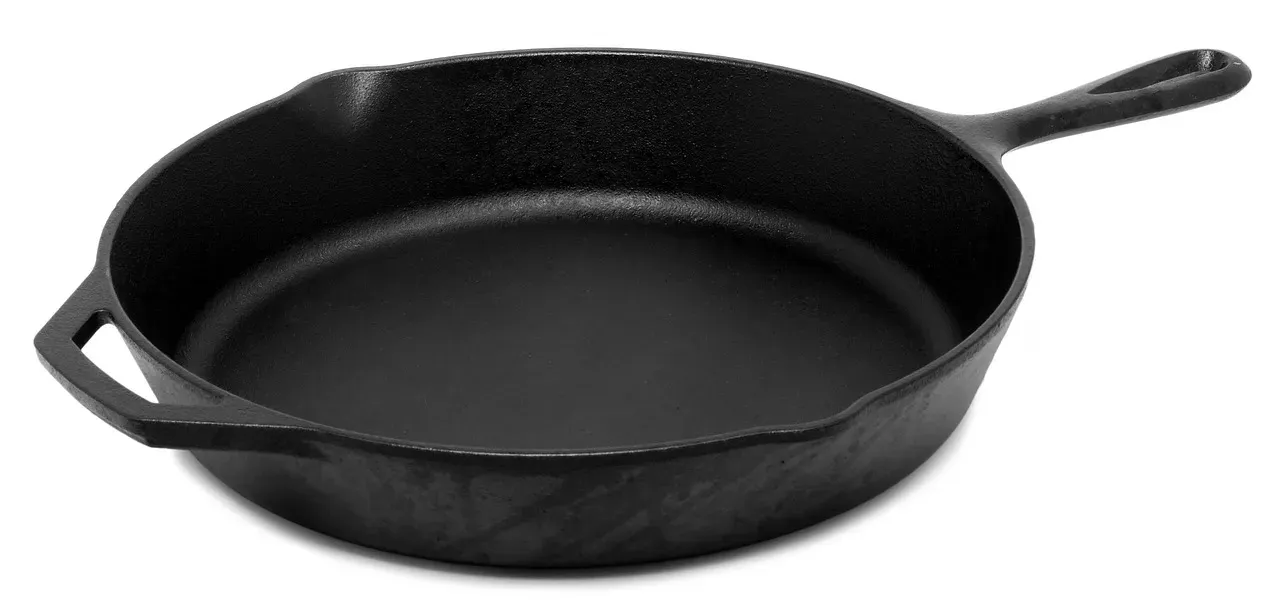
Griswold is king in the vintage skillet world and was as dominant a force in the industry during its time (1865-1957) as Lodge is today. The brand’s reputation for exceptional craftsmanship has made its pieces highly sought after among collectors and home cooks alike.
The early “ERIE” logo and spider heat ring makes Griswold pieces extremely rare and valuable, with fewer than 200 still in circulation, and collectors have been known to pay close to $2,000 for one. The pan is considered exceptionally rare and features an “ERIE” spider logo etched onto the bottom of the pan (a nod to its origin in Erie, Pennsylvania), with fewer than 100 known to exist. The highest price realized at a 2024 Dinky’s auction was $10,000 for a gorgeous ERIE (by Griswold) spider skillet, followed by an antique Griswold number 1 cast iron skillet, pattern number 411, that sold for $9,500.
Wagner Manufacturing and Wapak Hollow Ware also command impressive prices. If you come across a set of vintage Wagner cast iron cookware, you could be looking at paying thousands of dollars, as the Wagner Manufacturing Company started as a family business in 1891. Think of the logo as the skillet’s fingerprint, its most distinctive identifying feature that tells you instantly whether you’ve struck gold or found another everyday pan.
Rare Sizes That Command Premium Prices
The most desirable pan is #1, which is super rare and worth $1,000 each despite its small size, while #2, 11, 13, and 20 are not as rare but rare enough to be quite valuable. Here’s the thing about size. Most people assume bigger automatically means more valuable, but that’s not how it works with cast iron.
Because “13” is seen as an unlucky number, and few families in the early 1900s needed a size between #12 and #14, the Griswold #13 skillet was produced far less frequently, and that scarcity now drives prices way up. Skillets like sizes #2, #7, #11, and #13 are harder to find because fewer were made, meaning collectors must hunt for these pieces to complete their sets, driving demand (and price) higher.
A small #80 Griswold double skillet sold for $399 in January 2025, and a massive 20″ Griswold hotel-sized skillet sold for $1,799. The rarity of certain sizes creates what I call the “completion obsession” among collectors who’ll pay almost anything to finish a set.
Key Markings and Features That Increase Value
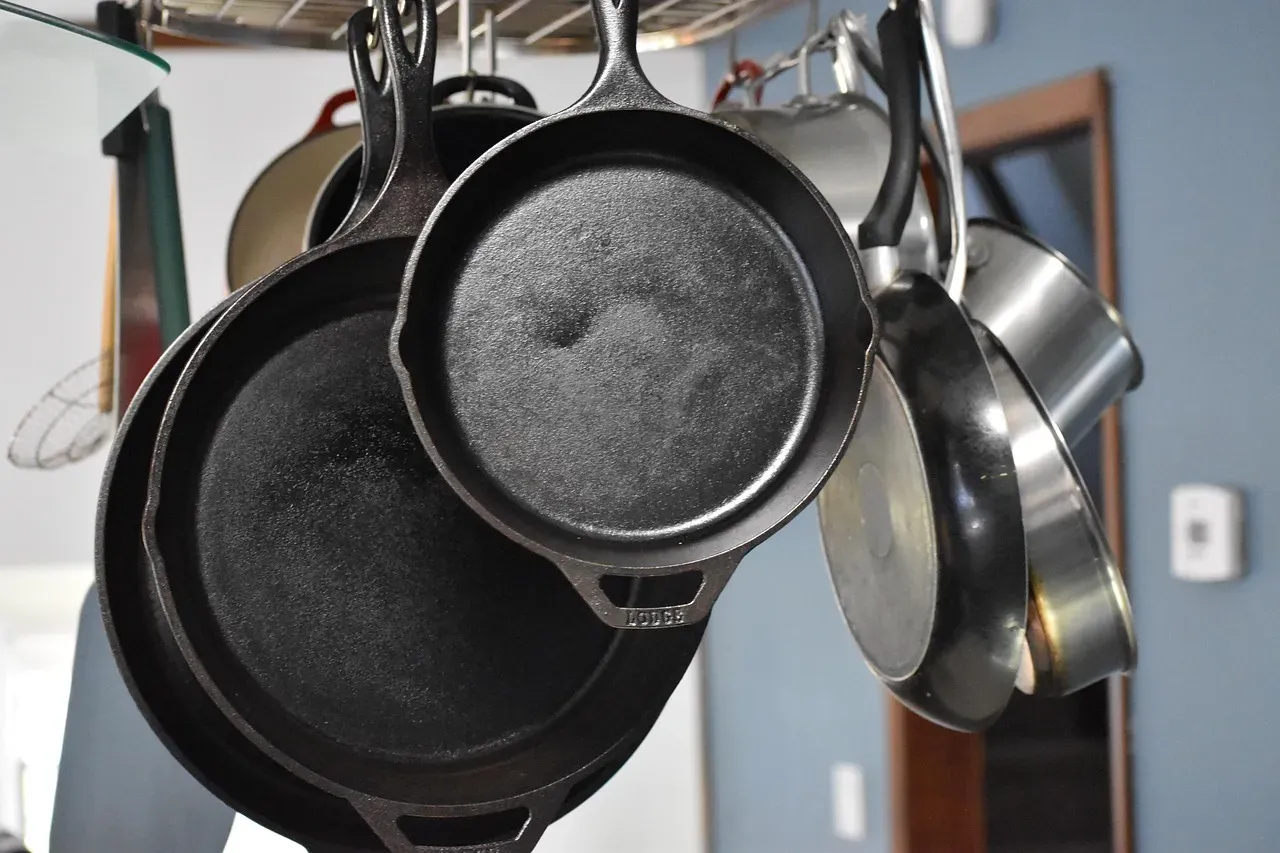
Robert Kellermann, a descendant of Joseph Lodge and the company’s primary source for identifying vintage cast iron, typically looks at the handle first, examining the shape of the handle’s hole, the contours of the top and bottom, and if there are any raised or incised numbers, while also advising people to take a close look at the helper handle design, heat ring position and design, and pour spouts. These details might seem minor, but they’re absolutely critical for identification.
A slash several inches long with no other manufacturing markings is known as a “gate mark,” and it means the skillet was produced prior to 1880. If you see a ring around the bottom rim of the skillet, the “heat rings” were incorporated into the cast iron design to lift the pan so it wouldn’t touch the wood stove directly, denoting use on a wood stove and meaning the piece is an antique.
Finding ‘Made in USA’ on the bottom of a cast iron skillet is a clear indication that the skillet was produced after this mandate took effect, as skillets made before the 1960s typically do not carry this mark. Honestly, this one marking alone can help you immediately determine if you’re looking at a truly antique piece or something more modern with far less collector value.
Condition Issues That Destroy or Preserve Value
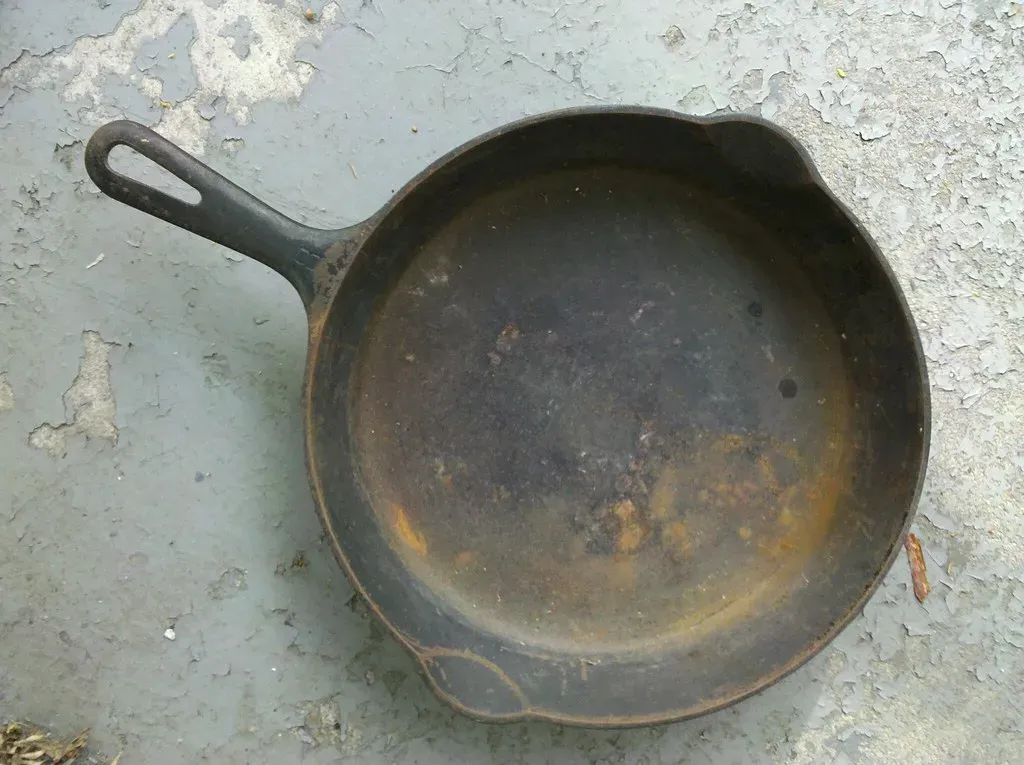
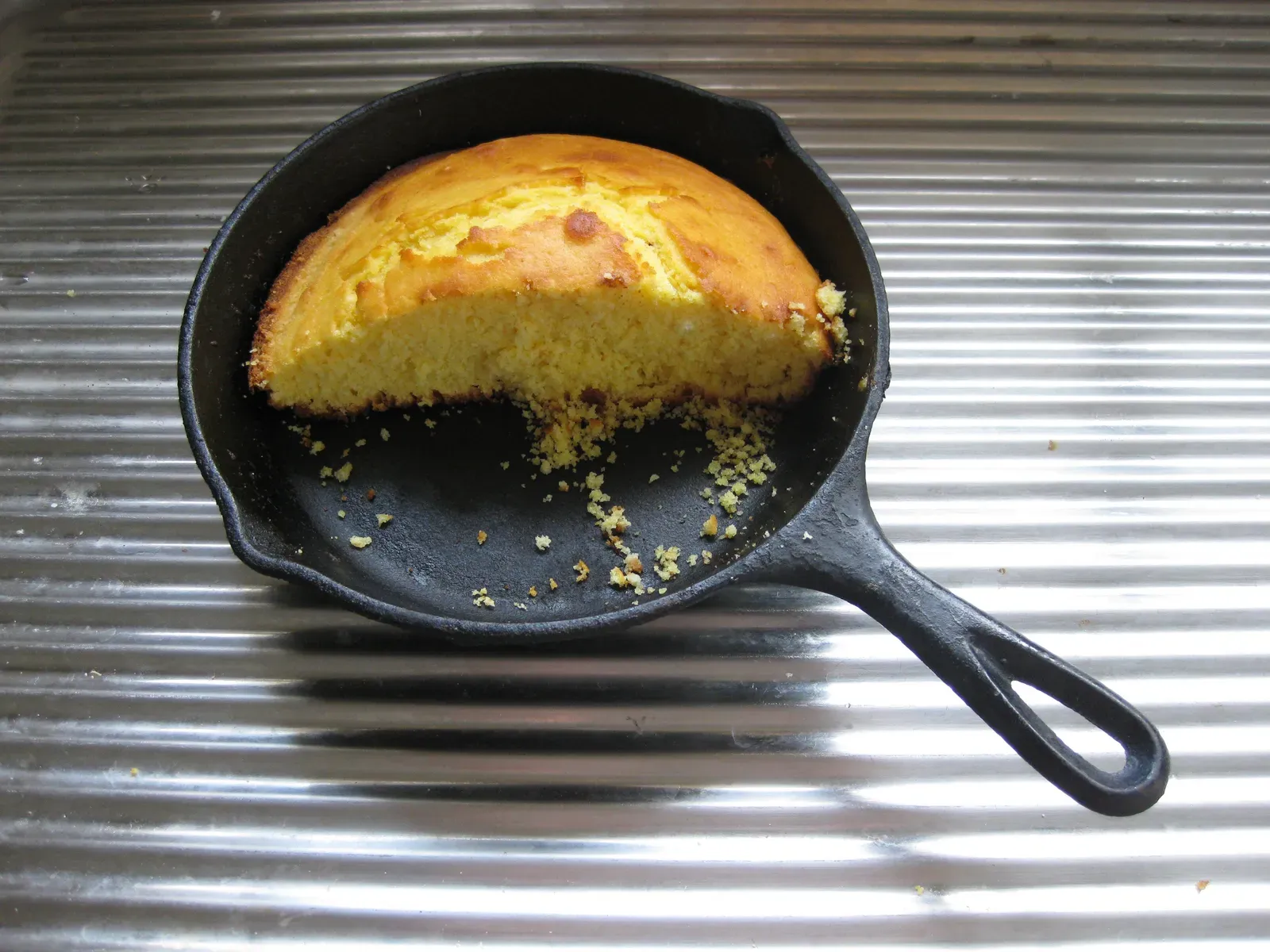
Cracks drastically reduce the value of the skillet, and only the rarest of sizes and logos hold much worth. A hairline crack can transform a thousand-dollar skillet into a fifty-dollar user pan overnight. It’s brutal but true.
Antique cast iron is desired because it’s lighter than modern cast iron cookware but comes with one drawback, as older lighter skillets may be warped or bowed, and any movement may negatively affect the price and in some cases usability. Warping happens when uneven heat is applied during cooking, and it’s one of the most common condition problems you’ll encounter when hunting for vintage pieces.
Age, scarcity, the precise markings on the pan, current demand, timing, the reputation of the seller, and condition condition condition are all reflected in what a person will reasonably pay for a particular pan. The seasoning also matters, though less than structural integrity. Erie cast iron skillets are super light and smooth, but if the skillet was used on coal or wood range it may have pitting marks on the base, and it is not uncommon for an Erie skillet to have pitting.
Where to Check Current Market Values and Sell Your Skillet
Data compiled from five auctions held between February 17, 2022 and August 24, 2025, as well as eBay sold listings from late May 2025 through September 2, 2025, shows the market remains incredibly active. Checking recently sold prices rather than asking prices gives you the real story.
Collectors look at the logo, condition and size to determine value, and it’s recommended to go to eBay, where the online store sells antique cast iron daily, as you can get a good idea of the value by looking at other Griswold skillets in comparable conditions. Just remember that eBay prices often run higher than what you’d find at a yard sale or flea market.
Antique and consignment shops usually have cast iron but the prices are high, while auctions require looking over the inventory and determining how much you’re willing to spend before the auction begins, and estate sales are good for finding entire collections. Maybe you’ll get lucky and find that skillet that sold for $17,000. The thrill of the hunt is what keeps collectors searching.
So, did you check your kitchen yet? That old skillet might just be your ticket to some unexpected cash. What’s hiding in your cabinets right now?