10 Items Experts Say Should Never Be Stored in a Tool Shed or Garage
Paint, Solvents, and Other Household Chemicals

It feels logical to shove leftover paint cans and solvents onto a garage shelf, but most experts say that is one of the worst places for them. Many common products like oil-based paint, paint thinner, and certain adhesives break down faster in extreme heat and cold, which garages regularly experience, especially in places with hot summers or freezing winters. Studies and guidance from fire safety agencies show that flammable vapors from these chemicals can ignite at relatively low temperatures if there’s a spark from a water heater, power tool, or even static. On top of that, temperature swings can rust cans, cause lids to warp, and lead to slow leaks, contaminating the floor and potentially the soil under the slab.
Propane Tanks and Other Pressurized Gas Cylinders

Many people roll their propane grill tank into the garage after cooking, but fire specialists consistently warn against it. Propane cylinders are designed to be stored outdoors, upright, and in well-ventilated areas because even a small leak can allow gas to pool near the floor; propane is heavier than air and can hang around where ignition sources are common. Safety data and fire incident reports show that garages with gas water heaters, dryers, and power tools present a much higher risk of explosion if gas escapes in an enclosed space. Keeping tanks outside on a stable, shaded spot away from doors and windows is what safety agencies recommend instead of sliding them next to the lawnmower.
Gasoline, Fuel Cans, and Old Fuel
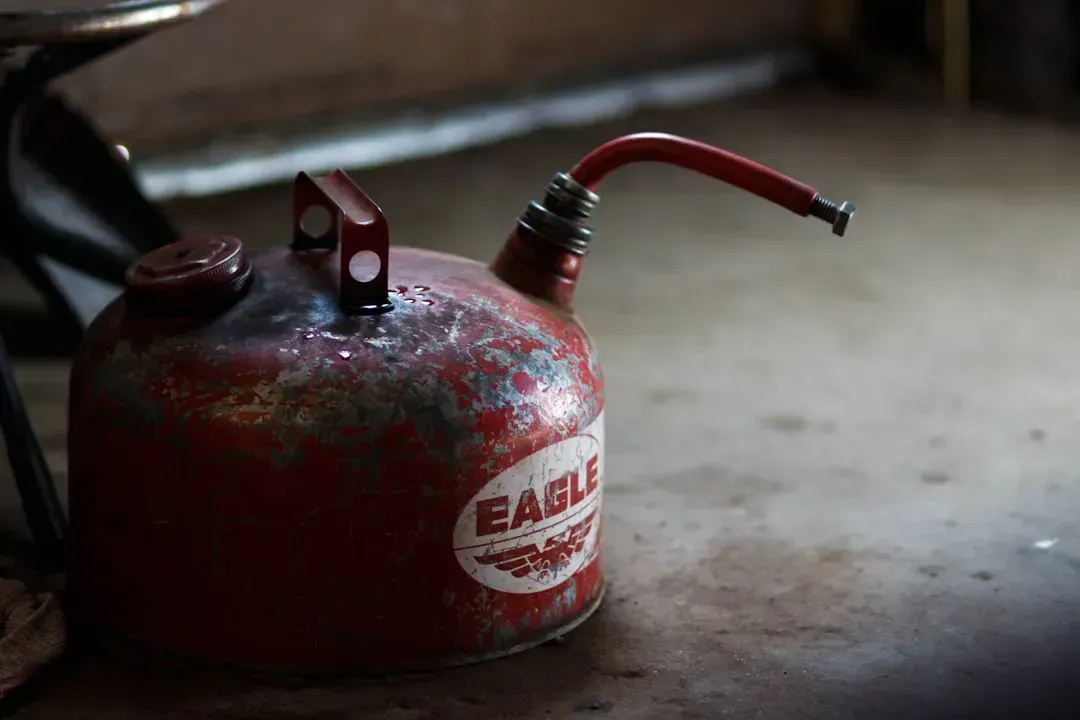
Almost every fire department and insurance guide strongly advises against storing gasoline inside an attached garage, yet it still happens all the time. Gas vapors are extremely flammable and can travel along the floor to a pilot light, extension cord, or electric tool, which is why many building and fire codes call for fuel to be kept in detached structures or ventilated outdoor storage. Research into home fires shows that flammable liquids are a significant factor in residential garage fires, and old or degraded fuel is even worse because containers are more likely to crack, leak, or bulge. If someone truly has to keep small amounts on hand for equipment, experts stress using certified containers, limiting the quantity, and keeping them in a cool, separate area away from any ignition sources.
Food, Pet Food, and Bird Seed

Stashing bulk food, pet kibble, or big bags of bird seed in the garage seems convenient, but pest and public health experts regularly call this a bad idea. Rodents, insects, and even raccoons are drawn to stored food, and garages usually have tiny gaps under doors or around pipes that are perfect entry points. Studies and surveys of household pest infestations show that garages are often the first place mice and rats establish nests, and open or thin packaging makes it easy for them to chew through and contaminate what is inside. Once pests get a steady food source in the garage, they are far more likely to move into the main house, bringing droppings, damage, and disease risks with them.
Paper Records, Books, and Important Documents

It is tempting to move boxes of old tax records, family papers, or favorite books out to the garage to free up space, but archivists and conservation experts strongly discourage that. Paper is very sensitive to humidity, temperature swings, and mold, and garages are notoriously hard to keep dry and stable, especially in climates with humid summers or damp winters. Research from preservation labs shows that exposure to high humidity and fluctuating temperatures dramatically speeds up yellowing, brittleness, and mold growth on paper and cardboard. Once those processes start, documents and photos can become unreadable in just a few seasons, so professionals recommend indoor, climate-controlled storage in sealed containers instead of a dusty shelf by the lawn tools.
Electronics, Batteries, and Power Tools with Lithium Cells
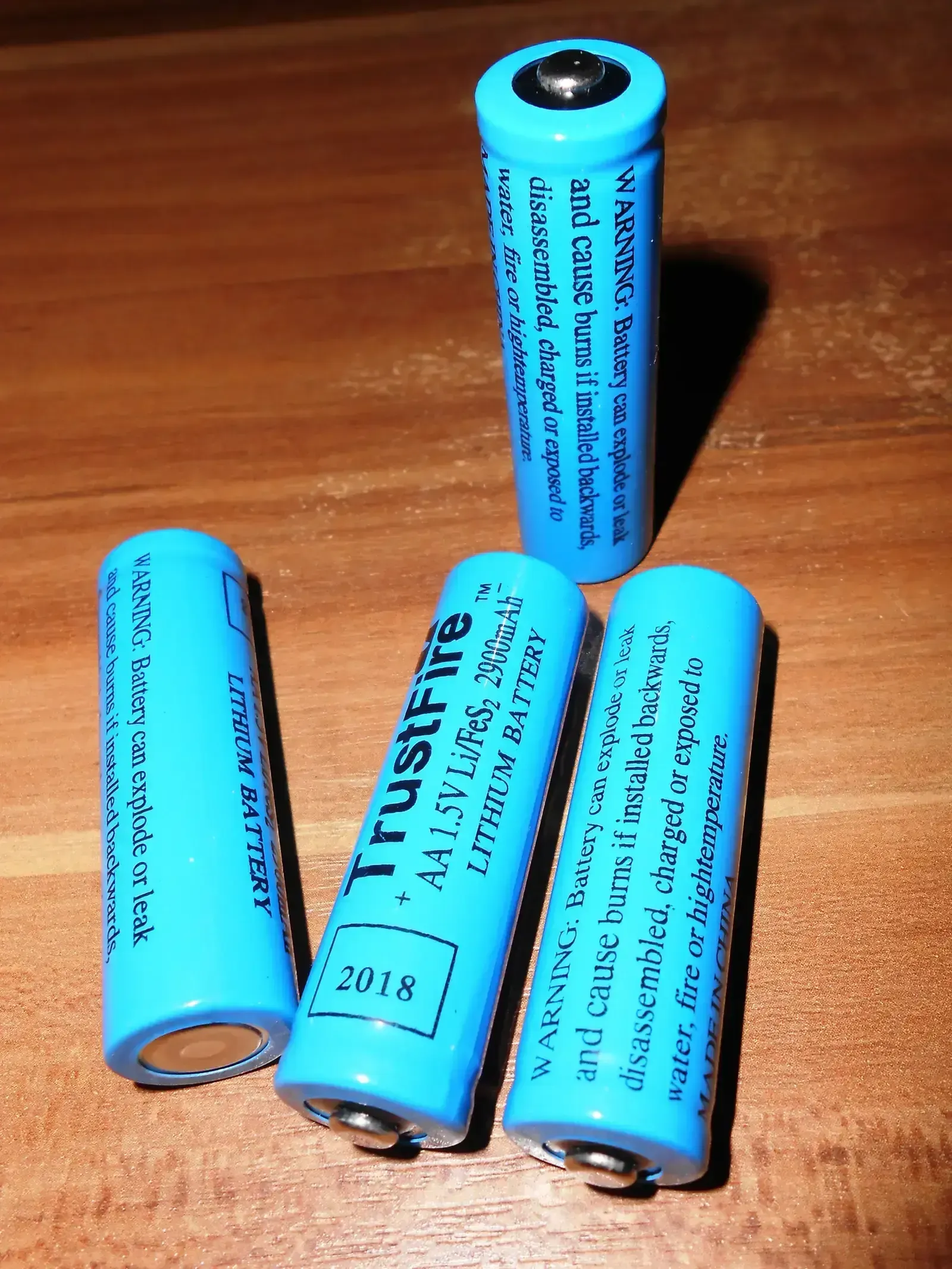
Old electronics, battery backups, and power tools often get tossed into a garage corner, but specialists in fire safety and battery technology have raised repeated concerns about this. Lithium-ion and similar rechargeable batteries are sensitive to both heat and physical damage, and garages often experience both from summer temperatures and being crammed with heavy items that can fall or crush things. Recent incident data shows that overheating, overcharging, or damage can push these batteries into thermal runaway, which is a chain reaction that can cause intense fires that are hard to extinguish. Storing devices and spare batteries inside, away from direct sun and temperature extremes, and not piling heavy boxes on top of them is what safety guidelines generally recommend.
Cleaning Products Containing Bleach or Ammonia
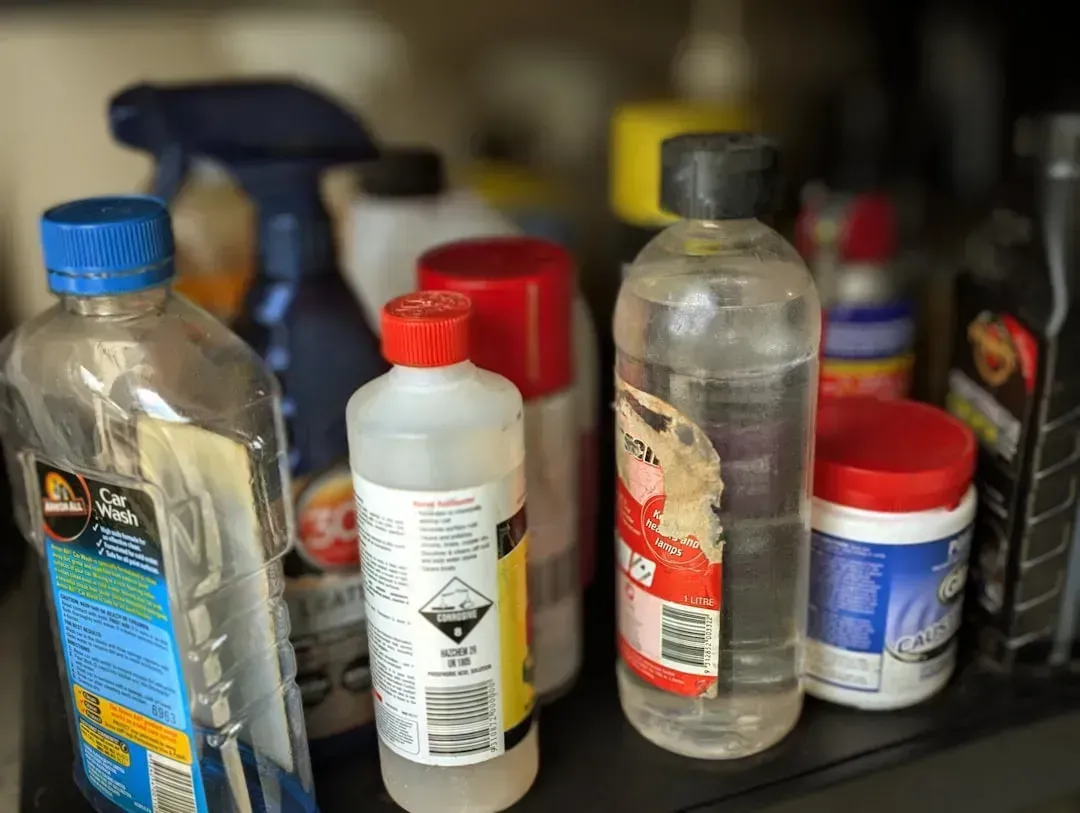
Big jugs of bleach, ammonia, and strong cleaners often end up on a concrete garage floor, but chemical safety resources caution against it, especially in hot climates. High heat can cause containers to expand, crack, or slowly vent fumes, and in a closed, poorly ventilated garage, those vapors can build up to irritating or hazardous levels for anyone walking in. There is also the risk of accidental mixing if containers leak near each other; for example, bleach and ammonia can combine to create toxic chloramine gases, which medical and occupational health references repeatedly flag as dangerous. Keeping these products in a cool, dry, well-ventilated indoor area, tightly sealed and separated from each other, lines up with the guidance professionals give to households.
Fireworks and Pyrotechnics

Fireworks might only come out once or twice a year, but many families stash leftover boxes on a garage shelf without much thought, something fire investigators regularly warn about. Fireworks are small explosive devices that can be set off by heat, friction, or accidental impact, and garages always have risks like dropped tools, kids exploring, or hot car engines nearby. Data from fire incident reports has linked improper storage of fireworks to accidental fires, especially during heat waves when interior garage temperatures can climb well above outdoor air temperature. The safer approach recommended by fire agencies is secure, cool, dry storage in a detached, non-living structure or simply not keeping leftovers at all and buying fresh when needed.
Clothing, Bedding, and Soft Furnishings

Extra clothes, baby gear, and spare bedding are easy to box up and stack in the garage, but textiles do not tolerate those conditions well over time. Moisture and wide temperature swings encourage mold, mildew, and odor, and pest control research shows that rodents, silverfish, and moths all love nesting and feeding in fabrics and stuffing. Once an infestation starts in one box, it can quickly spread to everything soft in the area, leaving items stained, chewed, and unsafe to bring back inside the house. Experts generally suggest that anything you plan to wear again or use close to your skin should be stored indoors in sealed containers, not out among exhaust fumes and pests.
Medications, First Aid Supplies, and Personal Care Products

Expired or extra medicine bottles sometimes drift into garage cabinets, but pharmacists and health agencies are very clear that medications should never be kept in places with heat and humidity swings. The active ingredients in many drugs break down faster when exposed to high temperatures or moisture, making them less effective or unpredictable, and garages can easily get hotter than recommended storage limits during summer. Even non-prescription items like over-the-counter pain relievers, ointments, and certain first aid supplies can lose potency or change consistency in that environment according to stability and storage studies. Keeping all medications and health-related products in a cool, dry, indoor space, out of reach of children but away from the extremes of garages or sheds, is the standard advice professionals give today.