Pharmacy Secrets: 6 Times the Generic Brand Is Actually Better Than the Name Brand
Walking into a pharmacy today can feel overwhelming. Your prescription is ready, the pharmacist asks if you want the generic version, and suddenly you’re wondering whether saving money means sacrificing quality. The truth is more nuanced than most people realize. While generics can be just as effective as brand names, there are specific situations where they shine.
Understanding when to choose generic over brand-name can save you thousands of dollars over a lifetime while maintaining the same level of care. The generic drug industry has matured dramatically since the 1980s, with rigorous FDA oversight ensuring quality and effectiveness. Yet misconceptions persist, often fueled by outdated information or confusion about how these medications work. Let me walk you through the real scenarios where generics excel.
Cost Savings Without Compromising Quality
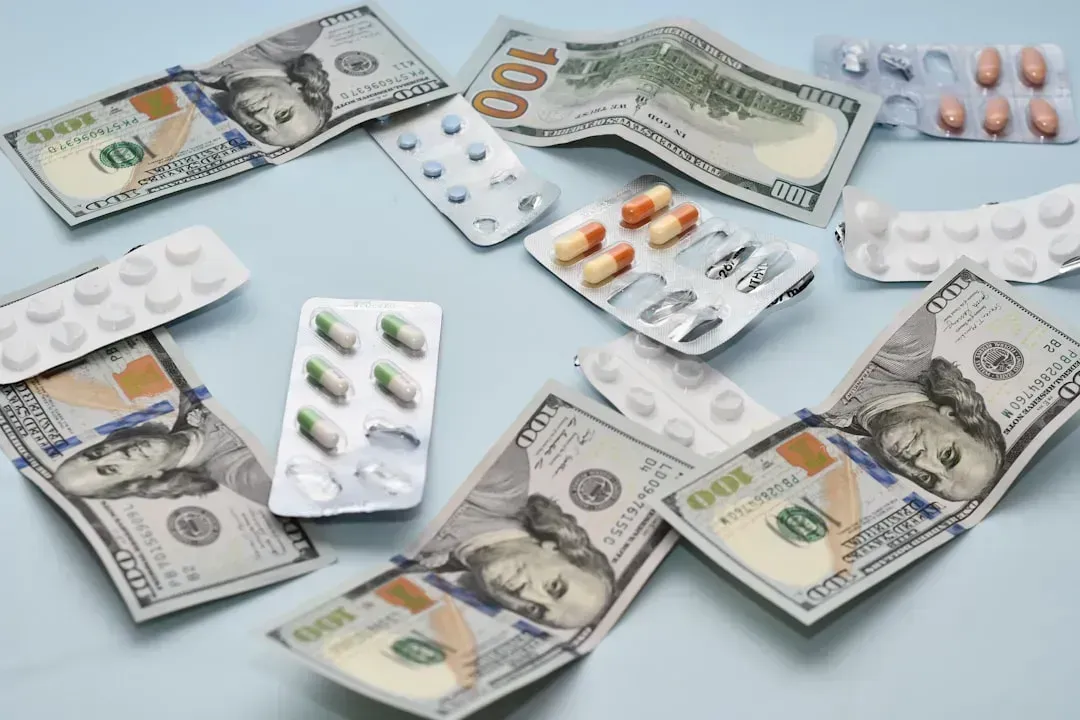
Generic and biosimilar medicines created $467 billion in savings in 2024 for patients and the U.S. healthcare system, according to the Association for Accessible Medicines. That’s not pocket change. In 2024, generics accounted for 90% of all prescriptions filled in the U.S., but only 12% of total prescription drug spending. This dramatic price difference exists because generic manufacturers don’t have to repeat the expensive clinical trials that brand name companies already completed.
On average, generic medications cost approximately 79% less than their brand-name counterparts, according to a 2024 Tebra survey. For common medications like allergy relief, patients can save up to 83% per prescription by choosing the generic alternative. The FDA requires generics to deliver the same clinical benefit as brand names, meaning you’re paying less for the same therapeutic effect. Generic medicines are typically sold at substantial discounts, an estimated 80 to 85% less, compared with the price of the brand-name medicine. The savings accumulate quickly, especially for chronic conditions requiring lifelong medication.
Identical Active Ingredients and Rigorous Testing

A generic drug is a medication created to be the same as an already marketed brand-name drug in dosage form, safety, strength, route of administration, quality, performance characteristics, and intended use. These similarities help to demonstrate bioequivalence, which means that a generic medicine works in the same way and provides the same clinical benefit as the brand-name medicine. The FDA doesn’t take this lightly. Every generic must prove it delivers the active ingredient to your body at the same rate and extent as the brand name.
The bioequivalence standard is precise. The US Food and Drug Administration requires that the 90% confidence interval of the PK ratio should lie between 0.80 and 1.25. This means the generic’s absorption must be remarkably close to the original. In practice, between 1996 and 2007, 2070 single-dose bioequivalence studies showed the average differences in maximum peak concentration and AUC were 4.35% and 3.56%, respectively. Overall, 98% of studies showed the AUCs of generic and innovator products differed by less than 10%. These aren’t just acceptable numbers, they’re evidence that generics perform virtually identically to brand names.
Proven Clinical Outcomes Across Multiple Conditions
The authors used data from 2 large US commercial insurance databases to assess authorized generics, which are chemically identical to and share the same appearance as brand-name products, as proxies for brand-name drug use to account for potential bias due to negative perceptions towards generics in comparing the effectiveness of 8 brand-name versus generic products. This approach addressed concerns that people might report worse outcomes simply because they believed generics were inferior.
74 randomized controlled trials evaluating soft outcomes such as BP and LDL levels and MACEs, and the conclusions supported the clinical equivalence of brand-name and generic drugs. Whether you’re managing hypertension, diabetes, high cholesterol, or psychiatric conditions, the research consistently shows generics deliver the same results. Generic and brand-name medications produce similar clinical outcomes. For the vast majority of common conditions, there’s no clinical reason to pay more for a brand name.
Manufacturing Standards Are Equally Strict

Just like brand name medicines, generic drugs must meet the same high quality and manufacturing standards. The FDA doesn’t have a separate, lower standard for generics. Every facility producing generic drugs undergoes the same inspections, follows the same Good Manufacturing Practices, and faces the same consequences for violations. FDA regulations govern every detail of pharmaceutical manufacturing, from laboratory facilities to the training required for individuals who handle and package drugs.
This oversight extends beyond initial approval. The FDA continuously monitors generic drugs after they reach the market, tracking adverse events and conducting quality checks. The FDA continues to monitor generic drugs after they’ve been approved. If problems arise, the agency can and does take action, from recalls to manufacturing shutdowns. The quality control system protecting brand names is the same system protecting generics. Your safety doesn’t depend on the price tag.
Multiple Manufacturers Drive Competition and Availability
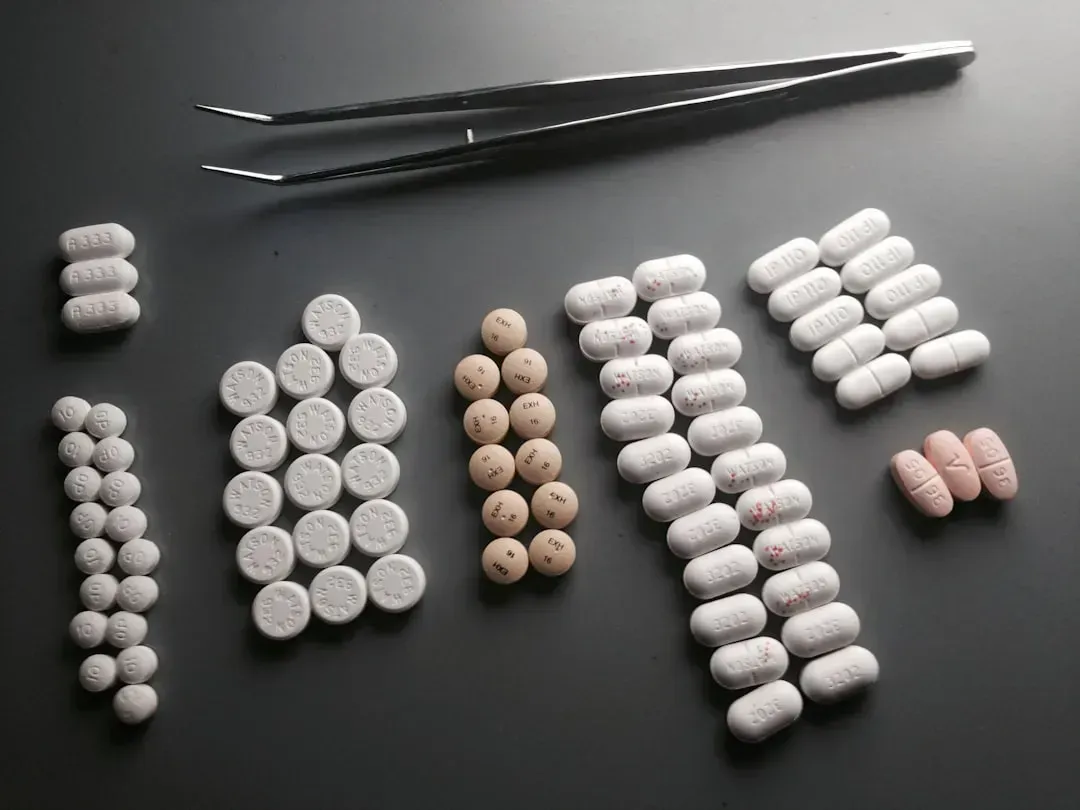
When a brand name drug loses patent protection, multiple companies can produce generic versions. This competition benefits you directly. When multiple generic companies are approved to market a single product, more competition exists in the marketplace, which typically results in lower prices for patients. Prices drop further as more manufacturers enter the market, with the expected price ratio about close to 20%, implying an 80% decline in prices relative to the pre-generic entry price when competition is robust.
Competition also improves availability. If one manufacturer faces a shortage or quality issue, others can supply the market. This redundancy didn’t exist when only the brand name was available. You might also find that your pharmacy carries multiple generic versions, giving you options if you experience issues with one formulation. The variety isn’t a sign of inconsistency, it’s a feature of a healthy, competitive market that ultimately serves patients better.
Environmental and Healthcare System Benefits
Beyond personal savings, generics contribute to healthcare sustainability. Generic and biosimilar medicines created $467 billion in savings in 2024 for patients and the U.S. healthcare system, and $3.4 trillion in savings over the last ten years. These savings free up resources for other healthcare needs, from research to infrastructure. Medicare beneficiaries particularly benefit, with savings in Medicare for 2024: $142 billion, $2,643 per beneficiary.
Generics also require fewer resources to bring to market since the research phase is complete. “That timeline is months, not years,” so it costs far less to bring a generic drug to market. This efficiency reduces waste while maintaining quality. For patients managing chronic conditions, knowing that generics contribute to a more sustainable healthcare system adds another dimension to an already smart choice. The system works better when affordable options are widely available.