This Nutrient May Help Slow Biological Aging
Scientists are discovering that certain nutrients play a more powerful role in aging than previously understood. While genetics influence how we age, research increasingly shows that specific dietary components can actively at the cellular level. Recent studies from major research institutions have identified particular nutrients that protect against age-related decline through measurable biological mechanisms. These findings represent a shift from viewing aging as inevitable to understanding it as a modifiable process influenced by what we consume.
Vitamin D Shows Promise in Protecting Against Cellular Aging
Results from the VITAL randomized controlled trial reveal that vitamin D supplementation helps maintain telomeres, protective caps at the ends of chromosomes that shorten during aging and are linked to the development of certain diseases. Compared with taking placebo, taking vitamin D3 supplements significantly reduced telomere shortening over four years, preventing the equivalent of nearly three years of aging compared with placebo. This large-scale study involved over one thousand participants and represents the first major long-term randomized trial to demonstrate this protective effect.
VITAL is a randomized, double-blind, placebo-controlled trial of vitamin D3 (2,000 IU/day) and omega-3 fatty acid (1 g/day) supplementation that tracked U.S. females aged 55 years and older and males aged 50 years and older for five years. The VITAL Telomere sub-study included 1,054 of these participants, whose telomere length in white blood cells was assessed at baseline and at Year 2 and Year 4. Researchers discovered that participants who maintained higher vitamin D levels experienced significantly less cellular wear and tear. Telomeres act like protective caps on chromosomes, similar to the plastic tips on shoelaces, and their preservation is considered a key marker of healthy cellular aging.
Spermidine Emerges as a Powerful Longevity Compound
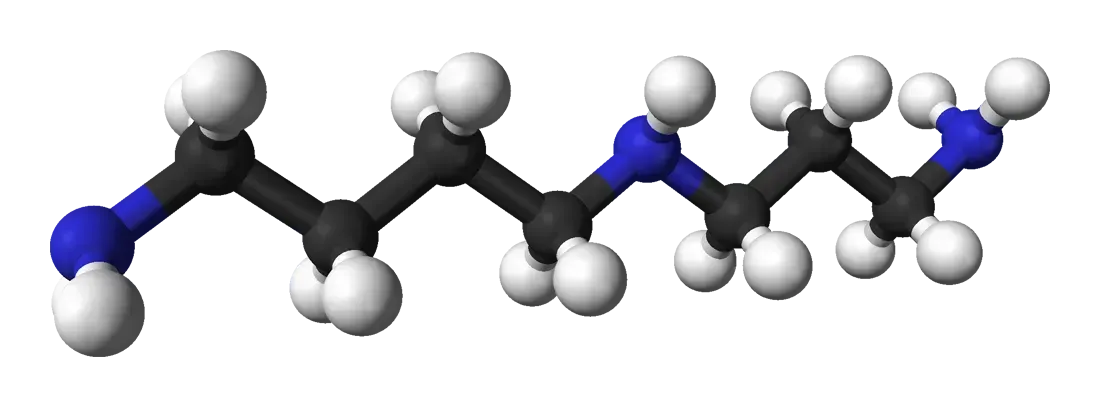
Spermidine levels increased upon distinct regimens of fasting or caloric restriction in yeast, flies, mice, and human volunteers. A groundbreaking study published in Nature Cell Biology in August 2024 revealed that spermidine, a naturally occurring polyamine, is essential for the autophagy (cell renewal) benefits associated with caloric restriction and intermittent fasting. Researchers from institutions including the University of Graz and the Medical University of Graz discovered that spermidine levels increase during fasting, triggering autophagy – a process where cells remove damaged components and regenerate. This nutrient activates a critical cellular cleanup system that declines with age.
Genetic or pharmacological blockade of endogenous spermidine synthesis reduced fasting-induced autophagy in yeast, nematodes and human cells. Furthermore, perturbing the polyamine pathway in vivo abrogated the lifespan- and healthspan-extending effects, as well as the cardioprotective and anti-arthritic consequences of fasting. The research demonstrates that without adequate spermidine, the benefits of dietary restriction are significantly diminished. Spermidine works through multiple pathways to support cellular health, including reducing inflammation and protecting mitochondrial function. Human studies have shown that higher dietary spermidine intake correlates with better cardiovascular health and cognitive performance in older adults.
NAD+ Precursors Show Mixed Results in Human Trials
While oral NR supplementation consistently increased NAD+ levels across participants of different ages and health conditions, it did not lead to measurable improvements in physiological functions, such as cardiovascular health. Similar outcomes have also been reported in clinical trials utilizing NMN supplementation. Nicotinamide riboside and nicotinamide mononucleotide have gained popularity as anti-aging supplements, yet the clinical evidence remains inconsistent. These compounds effectively raise NAD+ levels in the blood, but translating those increases into functional health benefits has proven challenging.
In a recent randomized, double-masked, placebo-controlled trial, researchers tested oral NR supplementation in 20 older adults with mild cognitive impairment for 10 weeks. Participants received gradually increasing doses of NR, starting at 250 mg/day and rising to 1 g/day. Supplementation with NR increased blood NAD+ levels by an astounding 139% as well as increased levels of NAAD (nicotinic acid adenine dinucleotide; an intermediate in the NAD+ biosynthetic pathway) and NMN. However, researchers found limited cognitive improvements despite the dramatic increase in NAD+ levels. More research is needed to determine optimal dosing strategies and identify which populations might benefit most from NAD+ supplementation.
Taurine Research Reveals Conflicting Evidence
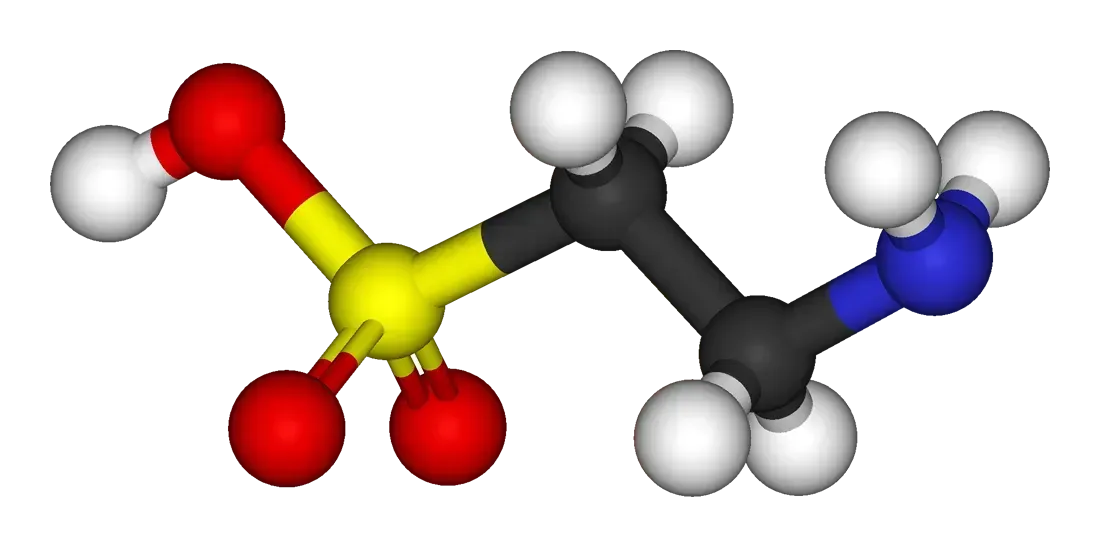
We find that concentrations of circulating taurine decline with aging in mice, monkeys, and humans. A reversal of this decline through taurine supplementation increased the health span (the period of healthy living) and life span in mice and health span in monkeys. A study published in Science in 2023 suggested taurine deficiency might drive aging, generating significant excitement in the longevity community. Regardless of their sex, taurine-fed mice survived longer than control mice. The median lifespan increase was 10 to 12%, and life expectancy at 28 months increased by 18 to 25%.
However, more recent research has challenged these findings. Scientists at the National Institutes of Health (NIH) have found that levels of circulating taurine, a conditionally essential amino acid involved in multiple important biological functions, is unlikely to serve as a good biomarker for the aging process. In blood samples from humans, monkeys, and mice, scientists found that circulating taurine levels often increased or remained constant with age. The 2025 NIH study found that taurine levels did not decline consistently across species or populations, contradicting the original premise. This highlights the complexity of aging research and the importance of replicating findings across different populations and study designs.
Dietary Patterns Matter More Than Individual Nutrients

After up to 30 years of follow-up, 9,771 (9.3%) of 105,015 participants (66% women, mean age = 53 years) achieved healthy aging. For each dietary pattern, higher adherence was associated with greater odds of healthy aging and its domains. Research published in Nature Medicine in 2025 followed over one hundred thousand participants for three decades, revealing that overall dietary patterns predict healthy aging better than any single nutrient. Plant-based diets rich in diverse nutrients consistently outperformed more restrictive approaches focused on individual supplements.
A 2024 re-analysis of Blue Zones data published in Nature Aging confirmed that 80 percent of longevity outcomes in these regions trace back to daily lifestyle factors, with nutrition topping the list. The centenarian populations in Blue Zones consume whole foods naturally rich in protective compounds including spermidine, polyphenols, and fiber. Dietary diversity has been reported to be beneficial for human health, however, the role in the biological aging process remains underexplored. Our aim was to analyse the potential link between diet diversity and aging. Studies examining dietary diversity found that consuming a wide variety of nutrient-dense foods provides synergistic benefits that surpass the effects of isolated nutrients taken as supplements.
Practical Applications and Future Directions

Research published in The American Journal of Clinical Nutrition in May 2025 found that supplementing with daily vitamin D3 can reduce biological wear and tear equivalent to nearly three years of aging. For vitamin D specifically, the evidence supporting supplementation has strengthened considerably. Our findings suggest that targeted vitamin D supplementation may be a promising strategy to counter a biological aging process, although further research is warranted. Most adults can safely take two thousand international units daily, particularly those over age fifty or with limited sun exposure.
Spermidine can be obtained through foods like aged cheese, mushrooms, soy products, whole grains, and legumes. Furthermore, in a follow-up study, older adults were given 3.3 mg of spermidine in their food for a total of 1 year. Pekar and his colleagues found that spermidine supplementation improved cognitive performance in 42% of participants, while 30% of participants saw no changes in performance, and 28% saw a decrease in performance. The variable response highlights that individual factors influence how people respond to specific nutrients. For NAD+ precursors like NMN and NR, the evidence remains preliminary, with supplements showing promise in raising NAD+ levels but limited proof of functional health benefits in humans. Future research will need to address optimal dosing, timing, and combinations of nutrients that work synergistically to across diverse populations.