4 Scam Phrases Experts Say to Watch For – Hang Up Immediately If You Hear Them
Phone scammers have never been more dangerous, more convincing, or more costly. According to newly released Federal Trade Commission data, consumers reported losing more than $12.5 billion to fraud in 2024, representing a 25% increase over the prior year. The numbers are staggering, and the tactics behind them are getting sharper by the month. Knowing exactly which phrases should trigger an immediate hang-up could be the difference between keeping your savings and losing them entirely.
1. “Your Account Has Been Compromised – Act Immediately”

This phrase is one of the most reliable calling cards of an imposter scam. The caller – pretending to be your bank, a government agency, or a tech company – tells you there’s an urgent problem with your account and that you need to act right now. Scammers deliberately create a sense of urgency to provoke rash decision-making. The panic they manufacture is the whole point. Once you’re rattled, you’re far less likely to pause and think critically about who you’re actually talking to.
The second highest reported loss amount in 2024 came from imposter scams, with $2.95 billion reported lost. These callers are sophisticated. Scammers have become much more adept at impersonating legitimate institutions, including creating messages that are “carbon copies” of legitimate health care providers, businesses and banks, with fewer grammatical mistakes and other red flags. If anyone contacts you out of the blue claiming your account is in danger, experts say your safest move is simple: hang up and call the institution directly using a number from its official website.
2. “We’re from the Government and You Owe Money”
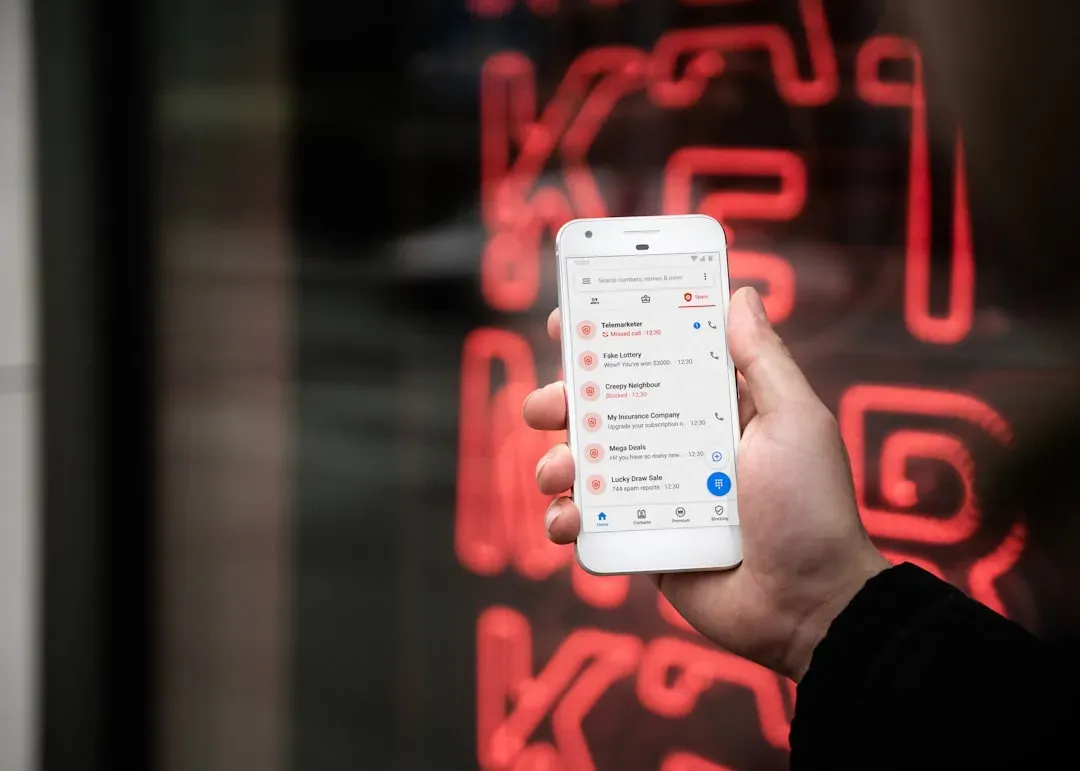
Government impersonation scams have exploded in recent years, and the phrase “we’re calling from [agency name]” paired with a demand for immediate payment is a screaming red flag. Losses to government imposter scams increased $171 million from 2023 to a total of $789 million in 2024. Scammers impersonate the IRS, the Social Security Administration, the FTC, and even local law enforcement to pressure people into sending money fast. The threat often sounds terrifyingly real – arrest warrants, frozen benefits, deportation orders.
Ironically, some scammers even pretend to be with the FTC itself and tell people to transfer money out of their accounts, deposit cash into Bitcoin ATMs, and even hand off stacks of cash or gold to couriers – actions the FTC would never ask people to do. The FTC is clear on this: no legitimate agency will ever tell you to move money to “protect it,” or ask you to transfer or send money to anyone in response to an unexpected call or message. If the voice on the other end of the line mentions a government debt you’ve never heard of, hang up immediately.
3. “You’ve Won a Prize – Just Verify Your Information”
The promise of a reward is one of the oldest tricks in the scammer’s playbook, and it’s still wildly effective. A caller tells you that you’ve won a lottery, a sweepstakes, or a cash prize – and all you need to do is verify your personal details or pay a small fee to release your winnings. The AARP notes that most fraud starts with three red flags: an unexpected contact, a surge of emotion, and a sense of urgency. A surprise prize delivers all three in one sentence.
Older adults were much more likely than younger adults to report losing money on prize, sweepstakes, and lottery scams, as well as government impersonation scams. Total fraud losses reported by older adults ages 60 and over increased about fourfold from 2020 to 2024, skyrocketing from about $600 million in 2020 to $2.4 billion in 2024. Prize and sweepstakes scams are a significant driver of that surge. No legitimate sweepstakes will ever ask you to pay a fee or hand over sensitive information over an unsolicited phone call. A real prize doesn’t come with strings attached.
4. “I’m a Tech Support Agent – Your Computer Is Infected”

You pick up the phone and someone with a calm, professional voice tells you they’ve detected a virus on your computer and need remote access to fix it. This is one of the most common and financially devastating scam scripts in use today. Legitimate tech companies won’t call, email, or text about problems with your computer, and if a tech support person calls you unexpectedly, it’s almost surely a scam, the FTC states. The goal is to get you to hand over remote access to your device – and from there, your financial accounts are wide open.
Older consumers reported $159 million in losses to tech support scams in 2024 alone. In March 2024, the FTC reached a $26 million settlement with two tech-support companies who used fake Microsoft pop-ups to lure consumers into buying software. The scale of these operations is industrial. Scammers are now using artificial intelligence to fake phone calls that sound just like someone you trust – and with just a few seconds of someone’s voice from a TikTok or a YouTube video, AI can create a realistic fake voice that says anything. Whether the call comes from a fake “Microsoft agent” or an AI-cloned voice, the right response is the same: end the call without hesitation.