Hold Off on Ordering: 4 Restaurant Specials Servers Say Aren’t Fresh
Every diner knows the moment: a server arrives tableside and launches into an enthusiastic recitation of tonight’s specials. It sounds exciting. It sounds exclusive. But there’s a well-documented reality lurking behind many of those cheerfully described dishes – and it has less to do with culinary creativity than with kitchen economics. One of the main reasons restaurants have specials is to move goods before their shelf life expires. Using ingredients in a special is better than throwing them away, according to corporate chef Daniel England of Union Kitchen & Tap. That’s not always a bad thing, but it does mean that knowing which specials to question could save your appetite – and your evening.
1. The Monday Seafood Special
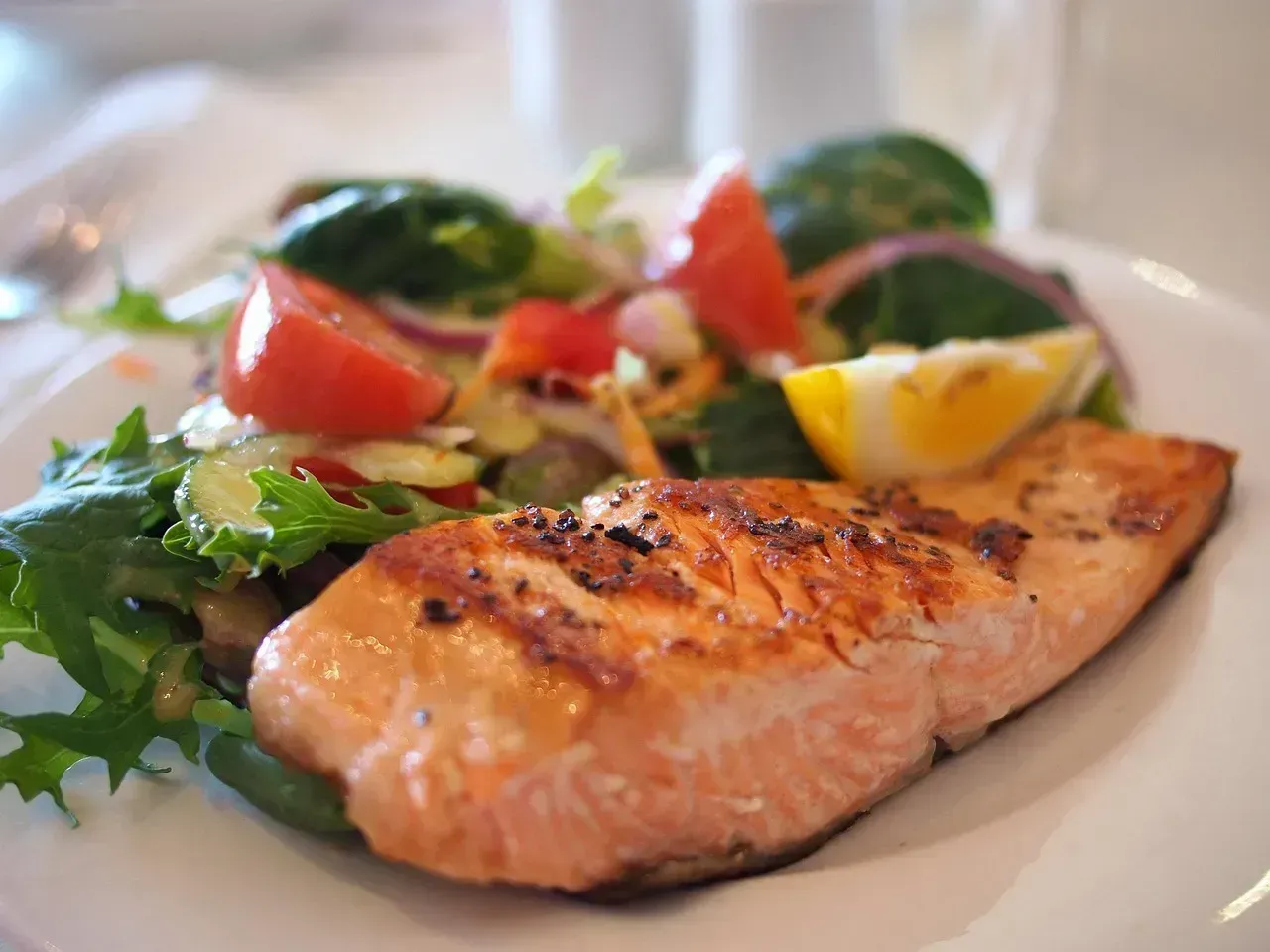
Few pieces of dining wisdom have traveled as far as the warning about Monday fish. Chefs typically order seafood on Thursday night to sell over the weekend, when the restaurant is busiest. The chef’s goal is to complete that entire seafood order by Sunday night, since there are no weekend fish deliveries. However, if the order isn’t used up over the weekend, the fish that diners get with their Monday meal is left over from that original Thursday order. That means your Monday fish entree has been languishing under variable conditions for four days. When you see a fish or shellfish special highlighted on a Monday, it’s worth pausing before you order.
Most chefs get a delivery of seafood on Thursdays, but not over the weekend. That means many Monday fish dishes, particularly specials, may be designed simply to get rid of the days-old fish before it goes bad. Fish usually stays fresh for about two days, so a four-day-old filet is not something you want to consume. In a later book, Bourdain clarified that he was referring to restaurants that did not have seafood as their “main thrust.” For restaurants that do, you don’t have to worry about freshness as seafood orders are likely coming in on a daily basis. The takeaway? At a dedicated seafood restaurant, you’re generally safer. At a steakhouse or casual diner advertising a weekend-leftover fish special, proceed with serious caution.
2. The Soup of the Day
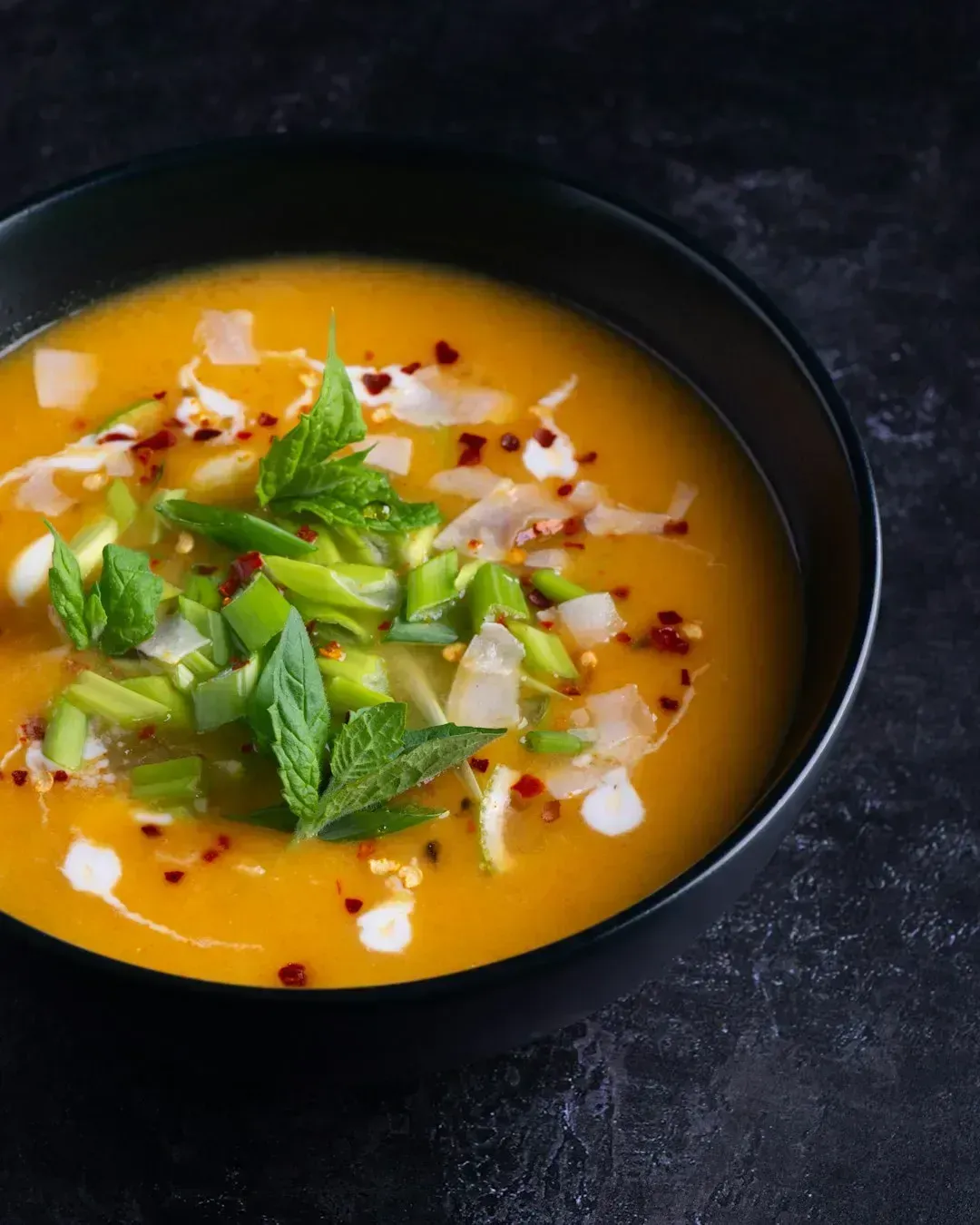
It sounds warm, comforting, and freshly made. But the “soup of the day” carries one of the most transparent open secrets in the restaurant industry. Chef Randy Feltis, author of “Katherine Wants: The Ultimate Date Night Cookbook,” asserts that many restaurants have a very practical rationale for choosing a soup of the day. “98% of the time, it’s a way to use up ingredients,” he says. “It might be one ingredient that goes into the creative process, but it always starts with that one ingredient, and you work around with it.” That one leftover ingredient is often what’s been sitting in the walk-in since the beginning of the week.
Soups of the day allow a restaurant to use up whatever food they have leftover. For most restaurants, it’s hard to predict exactly what will be ordered on any given day, so some volume of leftover food that isn’t served to customers is inevitable. When it comes to basics like vegetables or standard meats like beef or chicken, these leftovers can easily be repurposed into hearty soups. In an interview with Town & Country, Gordon Ramsay notoriously advised against ordering it, noting that some restaurants just serve the same soup of the day over and over – so, to figure out if a restaurant does this, ask a server what yesterday’s soup was. If the server hesitates or can’t answer, that tells you plenty.
3. Midweek Specials at Slow Restaurants
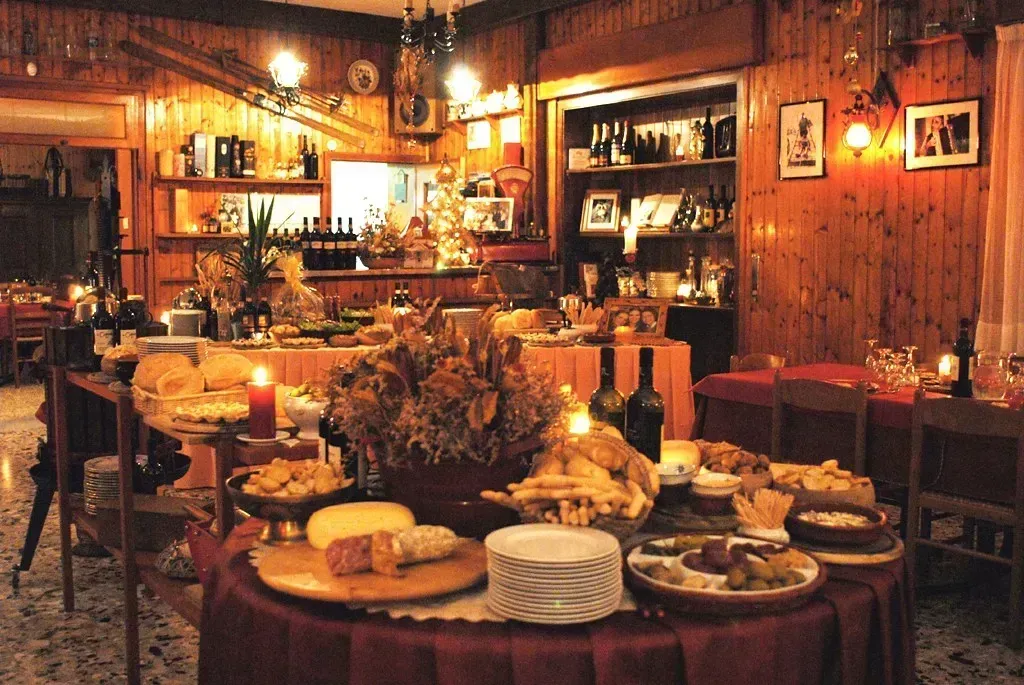
The day of the week matters enormously when it comes to assessing whether a special is truly fresh. Chef Dennis Little, a professional chef for 40 or more years, recommends paying attention to which day specials are offered to figure out how fresh the ingredients are. “When I created specials, most of the items for the specials were purchased specifically for that purpose and those food purchases generally came right before the weekend, which is traditionally a restaurant’s busiest time,” Little explains. “Most specials would sell out but those that didn’t would linger and while the food was not bad, it was not as fresh as when it was purchased. This is especially important with seafood and meats.” Specials that didn’t sell would either continue on as a special or be worked into new specials or soups.
A restaurant that is slower during the week may not receive as many food deliveries and while the primary menu would always have the freshest choices, specials may be food that has been around longer. Because of this, Little advises that the best time to buy specials is Friday and Saturday, as it “would be the time the products used would be at their freshest.” This is one of the clearest patterns insiders point to – and it’s one most diners never think about. A Tuesday or Wednesday special at a quiet neighborhood restaurant is often the riskiest order on the menu.
4. The Lunch Special
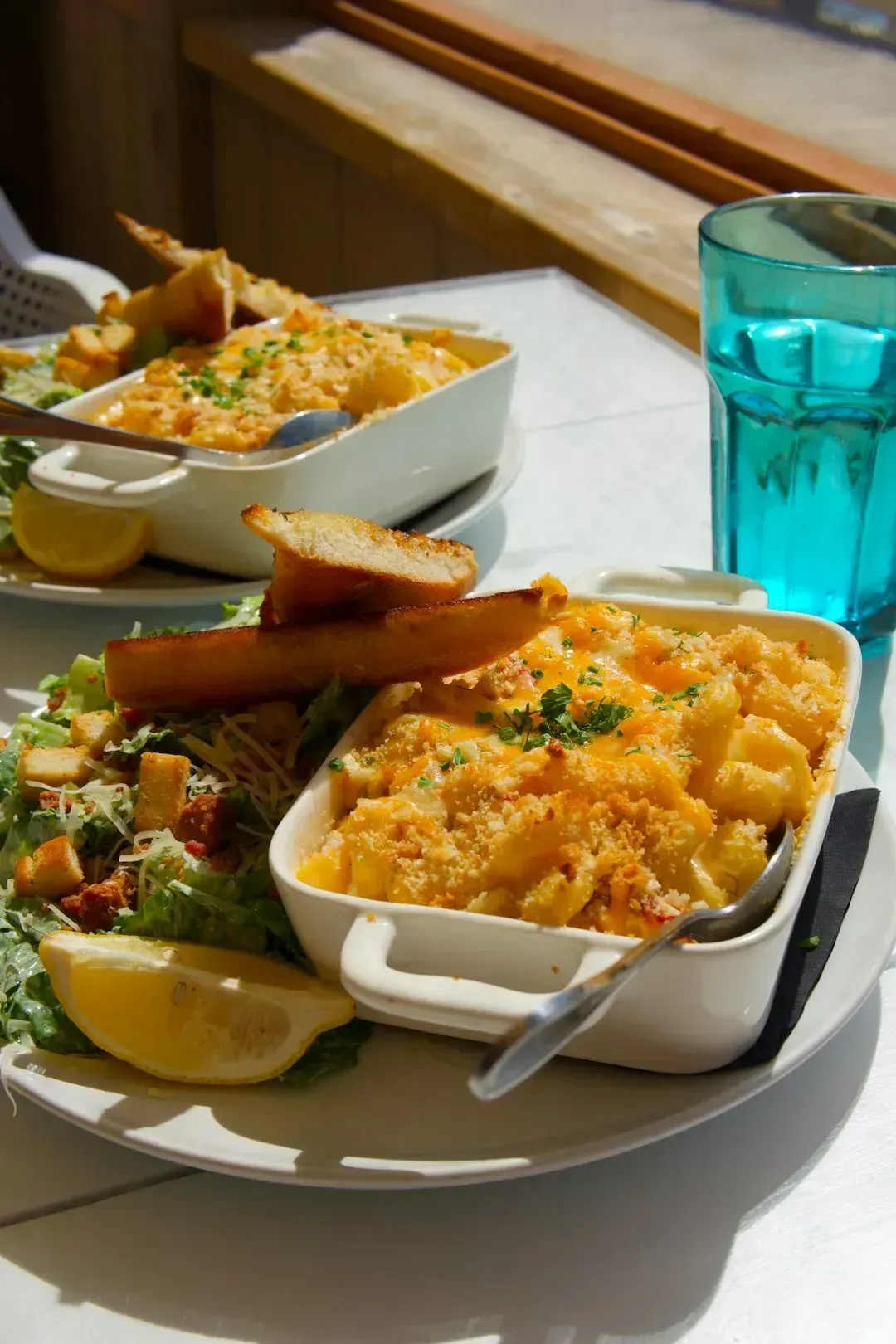
Lunch specials are marketed as deals, and they often are – but sometimes the “deal” is more about the restaurant than the diner. If a restaurant that is usually open for lunch or dinner is offering lunch specials, that may be another sign that they are trying to get through older, less fresh ingredients. “I’ve been told by a bunch of cooks at restaurants that ‘today’s special’ or ‘lunch specials’ are either the beginning of the week’s food, or last week’s food,” one Reddit user writes. “The restaurant is trying to get rid of it before it turns bad, and an easy way to do this is through lunch due to not a lot of people going out for lunch.”
In several cases restaurants will save unused food and repurpose it the next day; this is the origin of many restaurants’ “specials.” In the restaurant industry, plenty of food goes uneaten at the end of each day. Lower foot traffic at lunch means there’s less pressure to sell a lot of food quickly, which makes the midday service a convenient window to clear out what’s been sitting in the kitchen since the busy dinner service the night before. Restaurants will sometimes do this in hopes that more people will be enticed to order the special, therefore allowing them to get rid of leftover or older ingredients quicker. A noticeably low price on a lunch special should prompt you to ask a few questions before committing.