The No-Go List: 11 Retirement Spots Seniors Say Aren’t Worth It
Every retiree dreams of the perfect spot. Maybe it’s a warm, sun-soaked beach town, or a charming mountain city with fresh air and a low cost of living. The problem? Reality doesn’t always match the brochure. Some places that look amazing on paper turn out to be financial sinkholes, healthcare deserts, or crime-ridden headaches for people on a fixed income.
A recent AARP study found roughly one in five adults ages 50 and over have no retirement savings at all, and nearly two-thirds worry they won’t have enough money to support themselves in retirement. That makes choosing the right location more important than ever. The wrong city or state can quietly drain your savings before you even realize what’s happening. So before you pack your boxes, here’s a brutally honest look at 11 retirement spots seniors have decided just aren’t worth it.
1. New York City, New York – The Most Expensive Retirement Trap in America
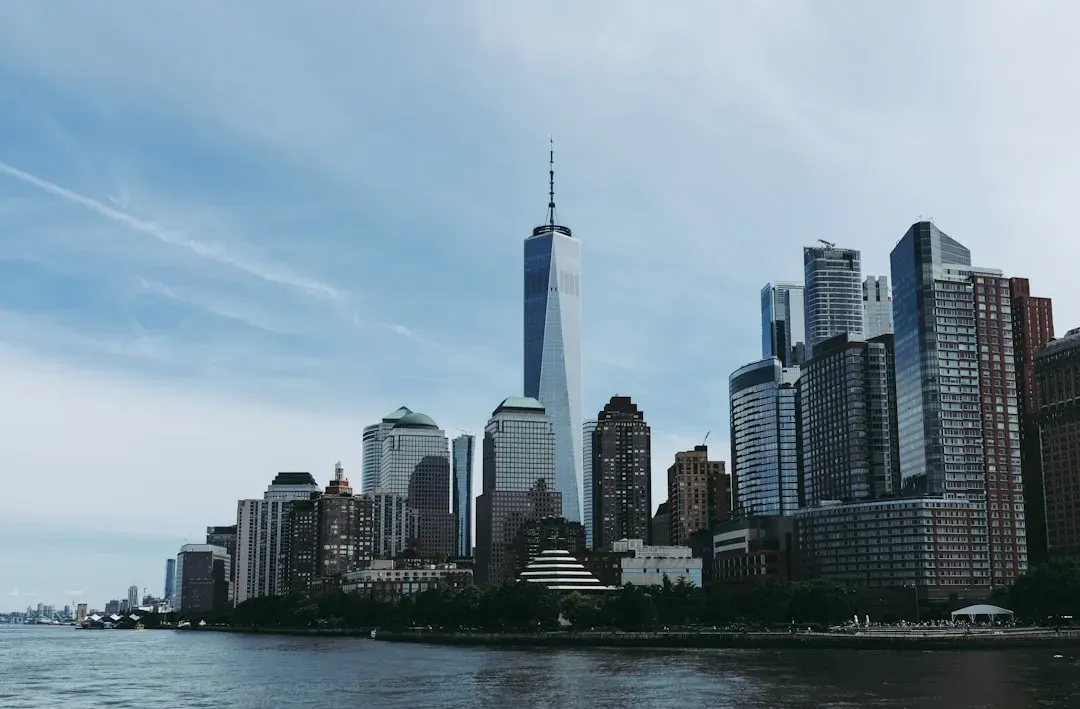
Let’s be real: New York City is one of the most iconic places on earth. The culture, the energy, the museums – there’s nothing quite like it. But for retirees on a fixed income? It’s a financial nightmare dressed up in bright lights.
New York City ranks as the priciest city in the U.S. to retire, according to WalletHub’s 2024 analysis of the best and worst places to retire. That’s not a minor inconvenience – it’s a deal-breaker for most seniors. If you’re looking for major tax savings in retirement, you may want to cross New York off your list, as property taxes, income taxes, and sales taxes are among the steepest in the nation.
New York places near the bottom with the worst economic strength, where nearly one in seven seniors live in poverty and nearly one in five work past retirement age. Think about that for a second. Working past retirement age just to survive in a city you’re supposed to be enjoying. In fact, New York garnered the worst tax score in one major study, scoring 0 out of 100, and the exorbitant cost of housing, even outside urban areas, could deter retirees with a more modest nest egg.
2. Louisiana – Rock-Bottom Rankings Across the Board
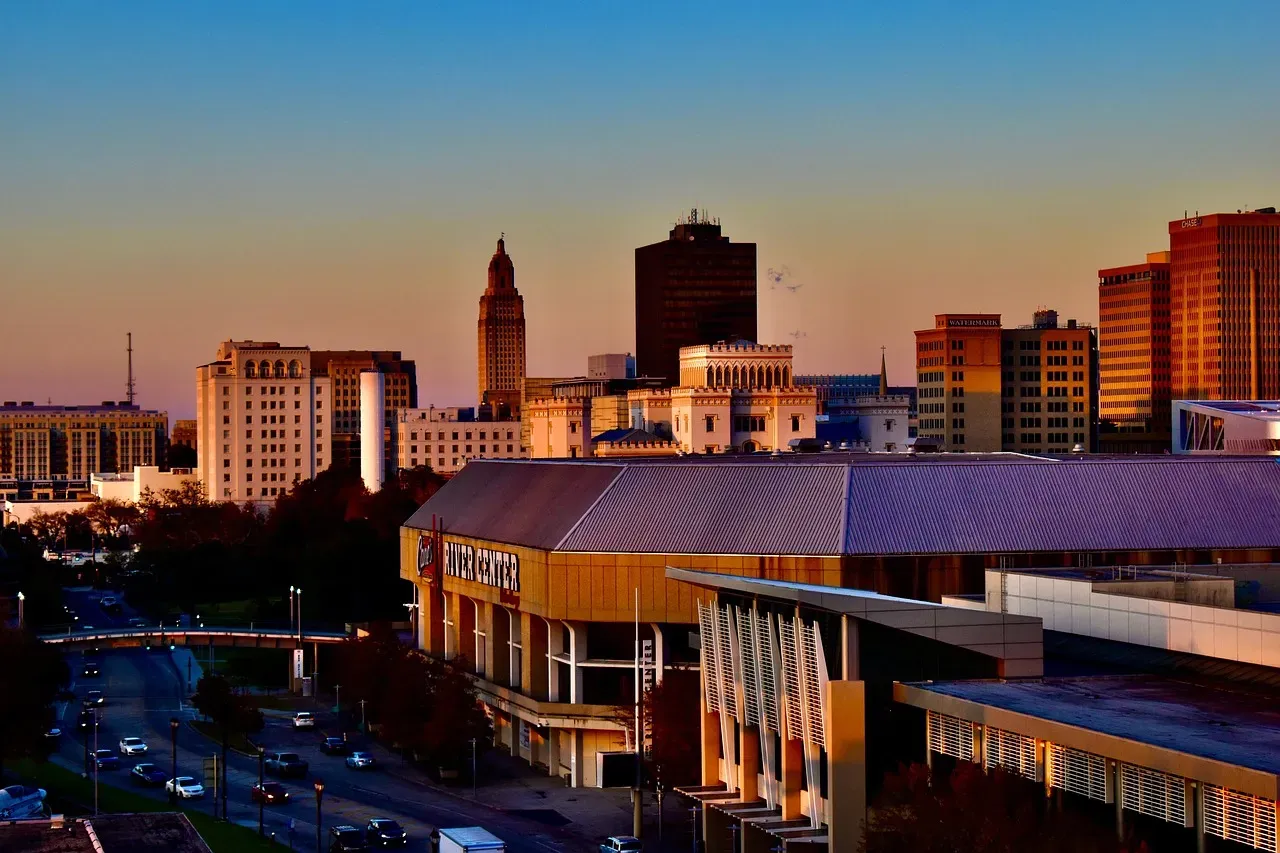
Louisiana has genuine charm. The food, the music, the culture of New Orleans – it’s truly special. Honestly, few places in America have that kind of soul. But when you dig into the numbers for retirees, the picture gets dark pretty fast.
Louisiana turned in poor rankings across all major categories in Bankrate’s 2025 study, failing to rank higher than 36th in any of them. On heavily weighted categories such as affordability, neighborhood safety, and healthcare, the state had dismal performances, ranking 43rd, 48th, and 37th respectively. That’s not a fluke – it’s a pattern. Louisianans experience a crime rate roughly two-thirds above the national average, and the health of the population also ranks poorly compared to other states, with high rates of obesity, smoking, and mental distress.
Because of hurricanes and severe weather that have caused more than $115 billion of damage since 2020, Louisiana is expected to see the biggest hike in home insurance premiums, with a nearly $3,000 increase in 2025, according to Consumer Affairs. Add car insurance that runs nearly half above the national average, and your “affordable” Louisiana retirement can become very expensive, very quickly. Seniors face significant challenges living in Louisiana, which ranks last for senior care. That starts with the state’s healthcare system, which has some of the worst health outcomes in the country, including the lowest-quality nursing homes in the U.S.
3. New Jersey – High Costs, Unhealthy Seniors, No Relief in Sight
New Jersey gets painted as a nice, densely-populated state with good suburban options for retirees. Proximity to both New York and Philadelphia sounds appealing. Here’s the thing, though – the financial reality for seniors here is genuinely brutal.
New Jersey is the worst state to retire because it is one of the least affordable states in the country, has mediocre access to arts and recreation, and an unhealthy senior population, with nearly two-thirds having three or more chronic conditions. That combination of high cost and poor senior health outcomes is a red flag. The median New Jersey homeowner pays over $9,000 annually in property taxes, according to Census Bureau data. For someone on Social Security, that alone can be devastating.
Assisted living in New Jersey is among the most expensive in the entire country. Princeton, New Jersey, is the most expensive city for assisted living, with rent averaging over $9,700 per month. Even outside of Princeton, options are staggeringly pricey across the state. If you have chronic health needs – and statistically, most seniors in New Jersey do – you will feel it in your wallet every single month.
4. California – Golden State, Not-So-Golden Retirement
California sells a dream. Mild weather, gorgeous coastline, world-class food and culture. And for retirees with deep pockets, it can actually deliver on that dream. But for the average senior trying to stretch a fixed income? California is a cautionary tale.
Income from retirement accounts and pensions are fully taxed in California at some of the highest state income tax rates in the country. Social Security retirement benefits are exempt, but given the state’s high cost of living, it will be difficult for most seniors to afford to live in California on Social Security income alone. That’s a significant problem. California has nine income tax brackets, with rates ranging from 1% to 13.3%.
California ranks among the worst states for housing affordability, alongside Hawaii. Think of it this way: if your retirement savings are a tank of gas, California is a road trip with no fuel stops. The Motley Fool also ranks California among the top five worst states to retire in 2026. For the majority of seniors working with modest savings, the math simply doesn’t work.
5. New Mexico – The Crime Problem Nobody Talks About Enough
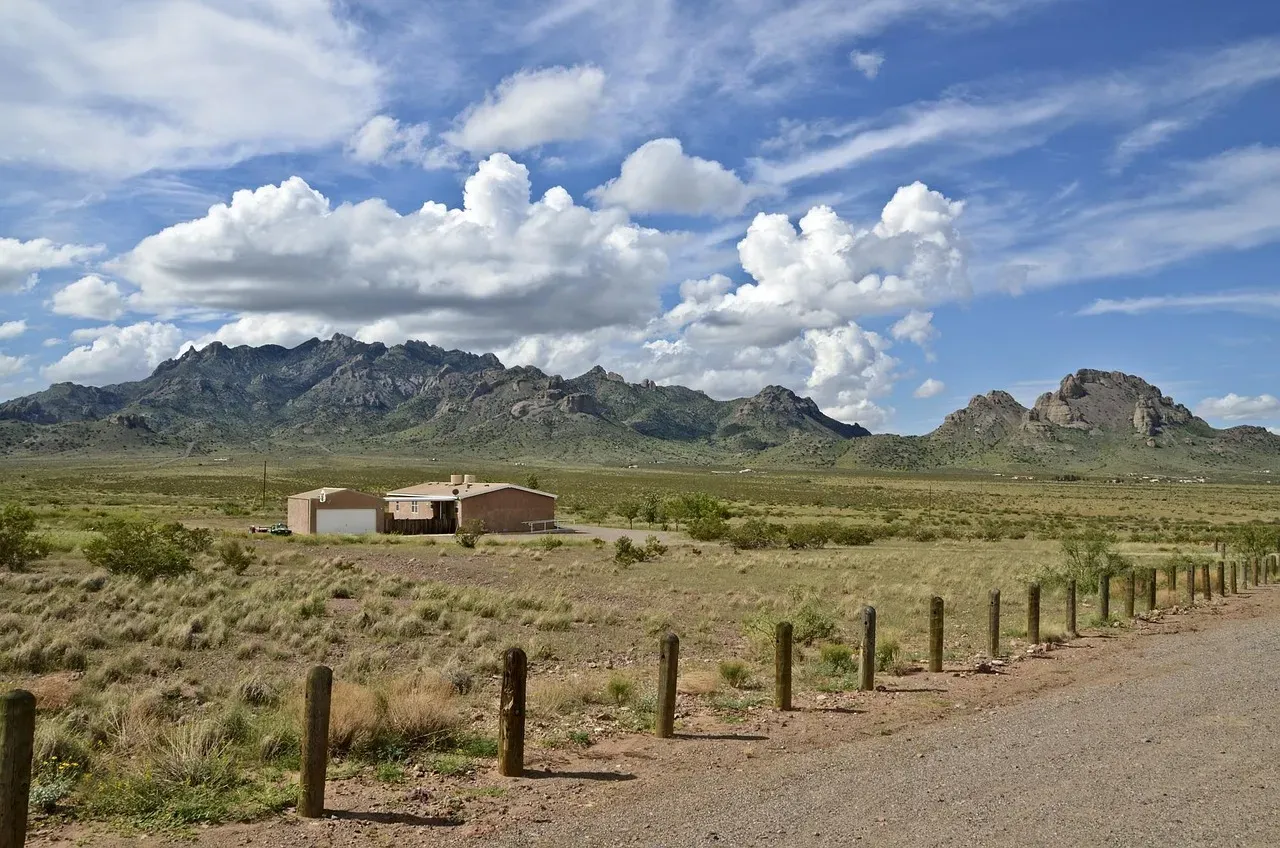
New Mexico has a lot going for it visually. Stunning desert landscapes, rich Indigenous culture, and an underrated arts scene in Santa Fe make it appealing at first glance. But there’s a major reason seniors are increasingly crossing it off their lists.
New Mexico has the worst crime rate nationwide, with a crime score of 0 in one major study, ranking last out of all 50 states. New Mexico also nabbed the second-lowest quality-of-life score in the same analysis. That’s not something you can dismiss as a minor footnote. According to FBI data, New Mexico has one of the highest rates of violent crime against older adults in the nation, with violent crimes against seniors occurring at a rate of over 212 per 100,000 individuals.
The town of Truth or Consequences, New Mexico, topped a GOBankingRates study of declining retirement towns, experiencing a roughly one-quarter decrease in its 65-and-over population over just five years. Seniors aren’t just avoiding New Mexico – they’re actively leaving. New Mexico and Louisiana consistently report high crime rates, which can affect not only personal safety but also real estate values. Retiring in a state where property values decline and crime rises is a recipe for regret.
6. Florida – The Sunshine State’s Dirty Secret

I know, I know. Florida is practically synonymous with retirement in the American imagination. Warm weather, no state income tax, and millions of fellow seniors. It sounds like paradise. The reality, though, has become significantly more complicated in recent years.
Florida, typically known as a retiree’s paradise, was dragged down to a mediocre ranking due to its poor showing in the healthcare category. The state’s Medicaid program spends very little on long-term care, and an alarmingly high percentage of older adults have three or more chronic conditions. That’s a serious healthcare gap. Florida, despite its popularity among retirees, ranks among the lowest in economic strength due to rising living costs and high senior poverty rates.
Even cities like Fort Myers are feeling the financial heat from declining retiree populations, primarily due to the inflated costs of homeownership in the area, from insurance to property taxes. Insurance costs in hurricane-prone Florida are notoriously high and keep climbing. According to consumer affairs research, not a single city in Florida even makes the top 40 of the best retirement cities when other quality-of-life factors are taken into account. That should give every Florida-dreaming senior some serious pause.
7. Hawaii – Breathtaking Views, Breathtaking Price Tags

Hawaii occupies a very specific place in people’s retirement fantasies. Perfect weather, stunning natural beauty, a slow and relaxed pace. It sounds like the ultimate reward for decades of hard work. In certain ways, it absolutely is. Financially, though, it’s borderline impossible for most retirees.
Hawaii ranks as the worst state to retire in terms of required savings, demanding the highest retirement nest egg nationwide – over $1.6 million – and offering limited healthcare access for seniors. More than one and a half million dollars just to retire comfortably. That puts Hawaii out of reach for the overwhelming majority of Americans. Hawaii and Massachusetts demand higher spending in almost every category, from food to healthcare services.
Pearl City and Honolulu tied for second place among the most expensive cities to retire in the entire United States, according to WalletHub’s 2024 analysis. So even the smaller Hawaiian cities burn through savings at an alarming pace. The isolation factor matters too – being thousands of miles from the mainland means flights back to see family are expensive and exhausting for aging adults. It’s a beautiful place to visit, but for most seniors, it just isn’t a practical place to grow old.
8. Mississippi – Affordable on Paper, Problematic in Practice

Mississippi is often dangled in front of budget-conscious retirees as a tempting option. And yes, the numbers on housing can look surprisingly attractive. But cheap housing is only one piece of a very complicated puzzle, and Mississippi has some serious missing pieces.
Crime is high in many areas of Mississippi and quality healthcare is harder to come by than in most other states. The state is also prone to natural disasters such as hurricanes and tornadoes, which can lead to higher insurance costs, property damage and the need to find temporary housing. That last point matters enormously on a fixed income. Mississippi falls short in healthcare access, with limited access to medical professionals and lower overall health outcomes for seniors.
It’s a bit like buying a cheap house only to discover the roof leaks and the plumbing is bad. The sticker price looks great until the repair bills start arriving. Mississippi is very humid and subtropical with hot summers, and is also prone to natural disasters such as hurricanes and tornadoes, which impact insurance costs. For retirees managing chronic health conditions – which is most seniors – Mississippi’s healthcare limitations are not a minor inconvenience. They’re a genuine risk.
9. Kentucky – Consistent Bottom Performer, Year After Year
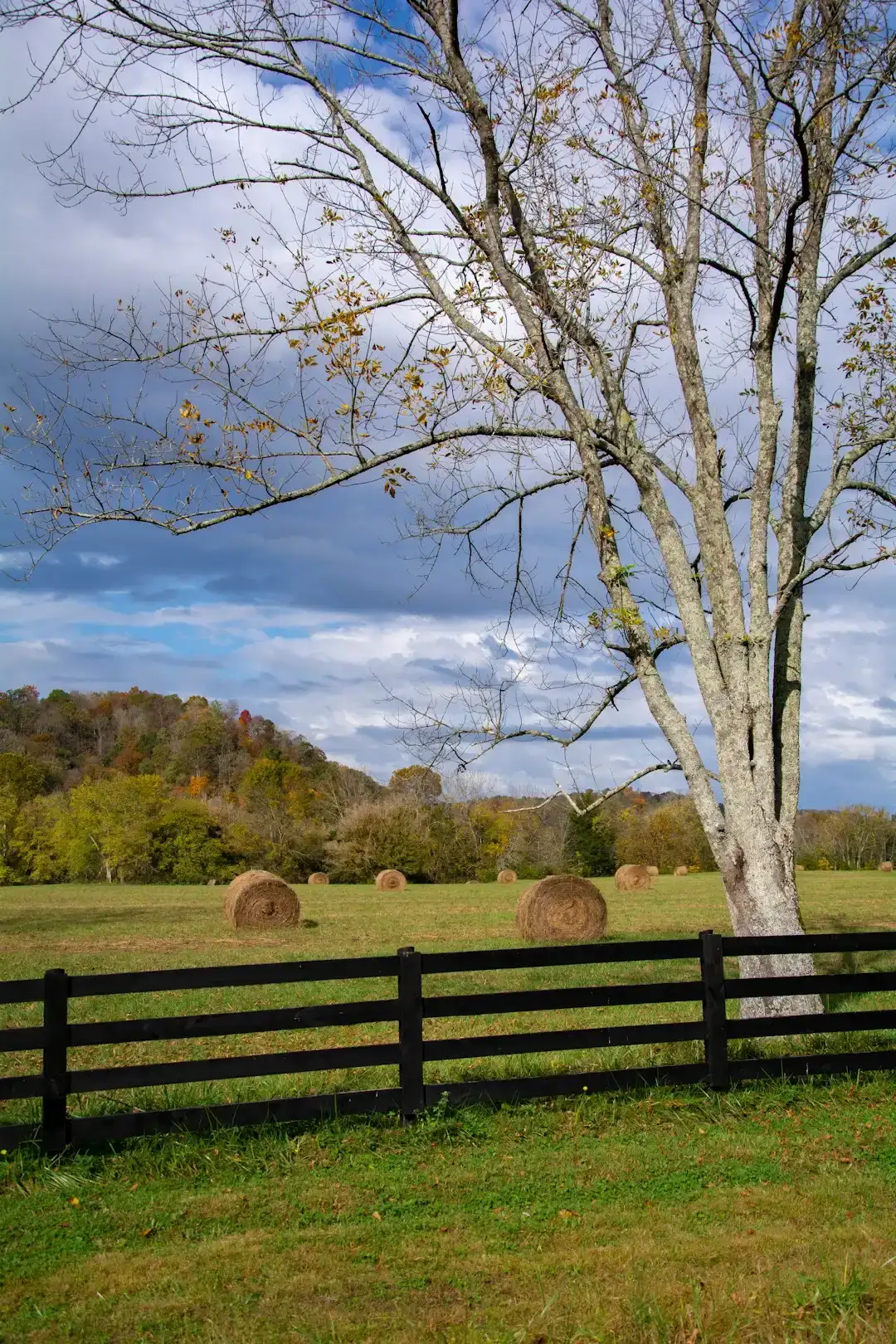
Kentucky has a genuine rustic charm. Horse racing, bourbon country, rolling bluegrass hills – there’s real beauty here. Yet when researchers and seniors themselves evaluate it as a retirement destination, it keeps landing at or near the bottom. Consistently.
The state consistently ranks in the bottom nationally for healthcare access, outcomes, and overall senior well-being. Home prices and property taxes have been climbing rapidly in many areas of Kentucky, and the state is prone to various natural disasters including floods and tornadoes. That combination lands Kentucky at the bottom in 2025, just as it did in 2024. Two years running. That’s not a coincidence. Kentucky’s tax system generally suits retirees, with no tax on Social Security and a sizable deduction for other retirement income – but still, the overall quality of life and healthcare options are not the best.
Good tax policy can only take you so far when the healthcare infrastructure is unreliable. Think of it like a discount airline with cheap tickets but constant delays – eventually, the savings stop feeling worth it. For seniors who need regular medical attention, which is essentially everyone over 65, Kentucky’s chronic underperformance in healthcare access is a serious problem that no bourbon trail can fix.
10. Texas – No Income Tax Isn’t the Whole Story

Texas is one of the most aggressively promoted retirement destinations in the country. And the no-income-tax angle is genuinely appealing at first glance. But here’s what the marketing brochures leave out.
While no-income-tax states like Texas, Florida, and Nevada may seem attractive, consider the total tax picture including property taxes, which are often higher in no-income-tax states. Texas has no income tax but high property taxes and ranked 49th in Bankrate’s study due to poor healthcare access and safety concerns. That’s close to the very bottom. Eight of the ten worst states for retirees are in the Sun Belt, and Texas is among them.
The heat is also a real and underappreciated issue. Texas summers are brutal, and extreme heat events are becoming more frequent, which creates genuine health risks for older adults. As the cost of living has risen in recent years, more retirees are questioning whether once-popular locations can actually be affordable on a limited income. Even booming retirement cities are feeling the financial heat, primarily due to the inflated costs of homeownership, from insurance to property taxes – and affordability in retirement is of the utmost importance. Texas checks several boxes seniors care about, but misses badly on others that quietly matter more.
11. Lake Havasu City, Arizona – The Desert Retirement That Disappoints

Lake Havasu City often comes up in conversations about affordable Sun Belt retirement. Warm weather, outdoor activities, and lower costs than major metro areas – it has the surface appeal of a smart choice. Dig a little deeper and the story changes.
Lake Havasu City, Arizona, earns the lowest spot on one major list as the worst city for retirement because of its higher cost of living and low score on a community well-being index. Community well-being isn’t just a buzzword – it covers social connection, access to services, and overall quality of life for aging adults, all of which matter enormously in retirement. A report from Northeastern University found that some states such as Arizona had up to roughly seven in ten high-aging communities without sufficient services tailored to seniors.
There’s also the heat – Lake Havasu City is one of the hottest cities in the United States, regularly seeing temperatures above 110°F in summer. That’s not just uncomfortable for seniors. It’s dangerous. The worst places for retirees tend to lag in quality of life, healthcare, and affordability. Lake Havasu City manages to struggle in all three areas in its own unique way, making it a place where the retirement dream can quietly unravel despite the sunny skies.