The Best Ways to Extend the Life of Your Groceries
Store fruits and vegetables separately
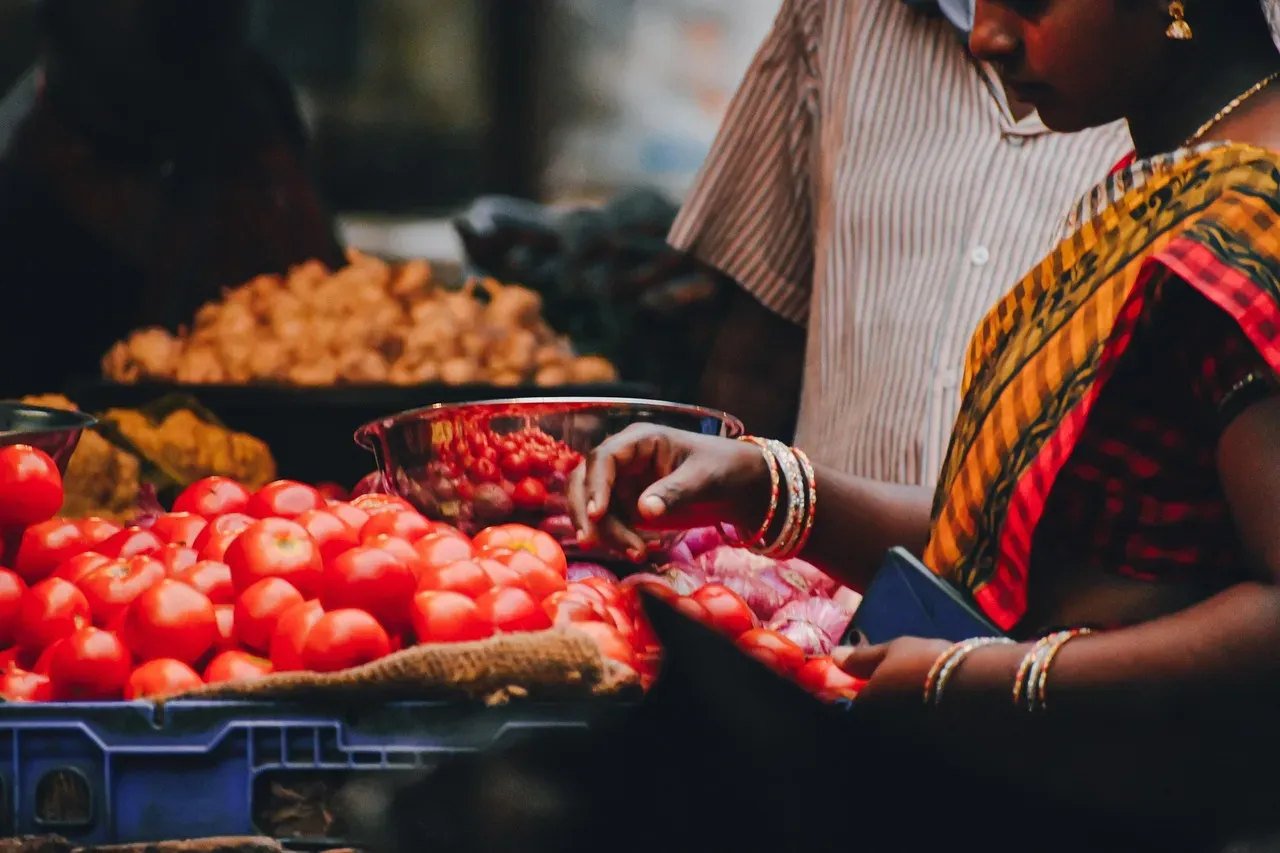
Many fruits release ethylene gas as they ripen, and this gas speeds up the aging process of nearby produce. Apples, bananas, and avocados are some of the biggest ethylene producers, while leafy greens and cucumbers are especially sensitive to it. Keeping these two groups apart, even within the same fridge drawer, can slow down spoilage considerably.
A simple fix is to use separate bins or bags for ethylene producers and ethylene sensitive items. It sounds like a small detail, but it’s one of the easiest ways to buy an extra few days of freshness without any special equipment.
Understand your refrigerator’s temperature zones
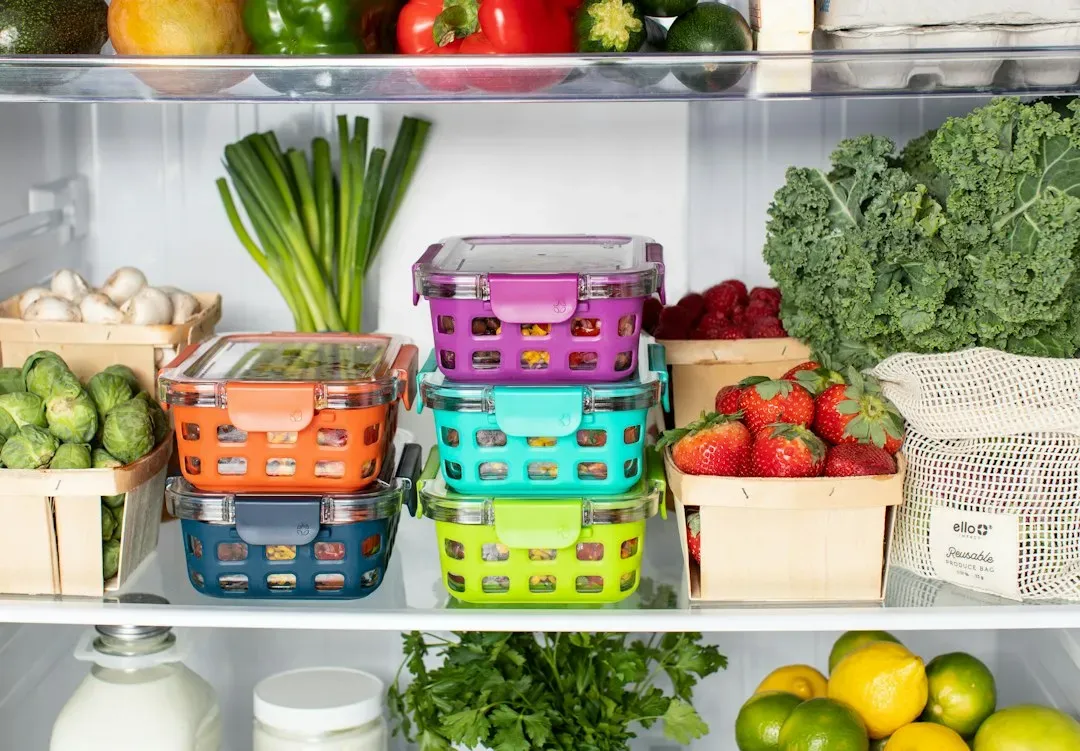
Not every part of the fridge is the same temperature, even though it might seem that way. The door is usually the warmest area, which makes it a poor spot for dairy or eggs despite the built in shelves suggesting otherwise. The back of the fridge, especially the lower shelves, tends to stay coldest and most consistent.
Placing milk, eggs, and leftovers toward the back rather than the door can help them last closer to their full shelf life. It also helps to know your fridge’s actual internal temperature with a simple thermometer, since many home units run warmer than their dial suggests.
Freeze strategically, not as a last resort
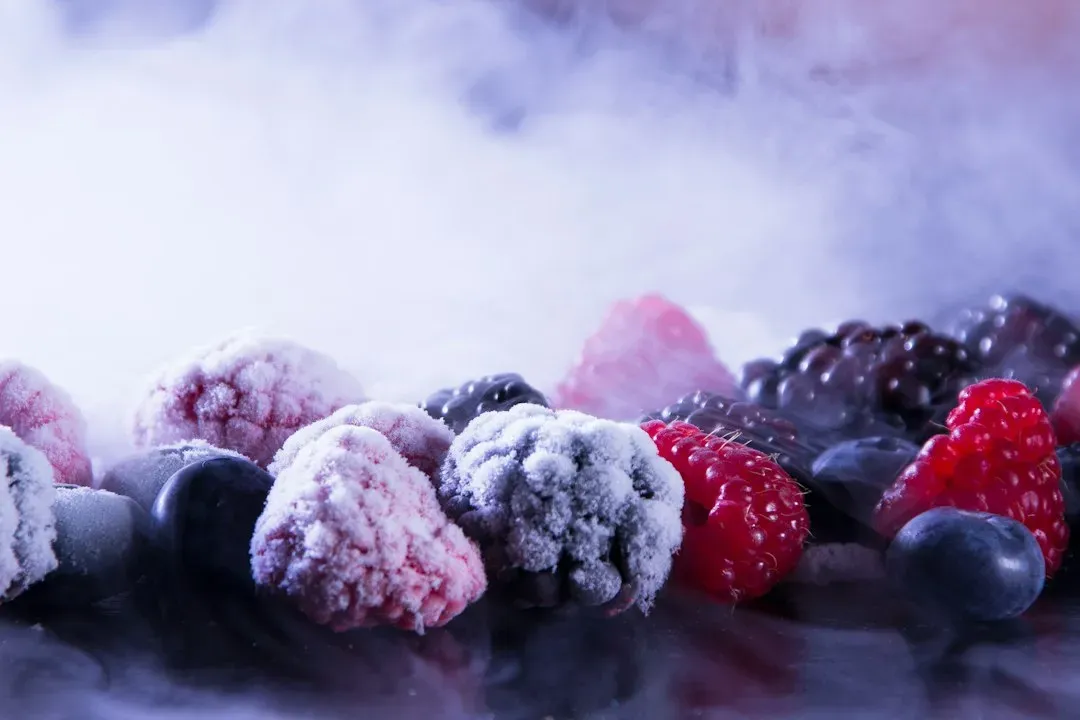
Freezing is often treated as an emergency move for food that’s about to go bad, but it works far better as a planned strategy. Bread, meat, and even some dairy products like butter freeze well and thaw without much quality loss. Portioning food before freezing, rather than freezing it in one large block, makes it easier to only thaw what you need.
Labeling with dates is a habit worth building, since frozen food can look identical for months while quietly losing texture or flavor. Herbs frozen in oil or water within ice cube trays are a particularly practical trick for anyone who buys more fresh herbs than they can use in a week.
Keep bread and baked goods out of the fridge
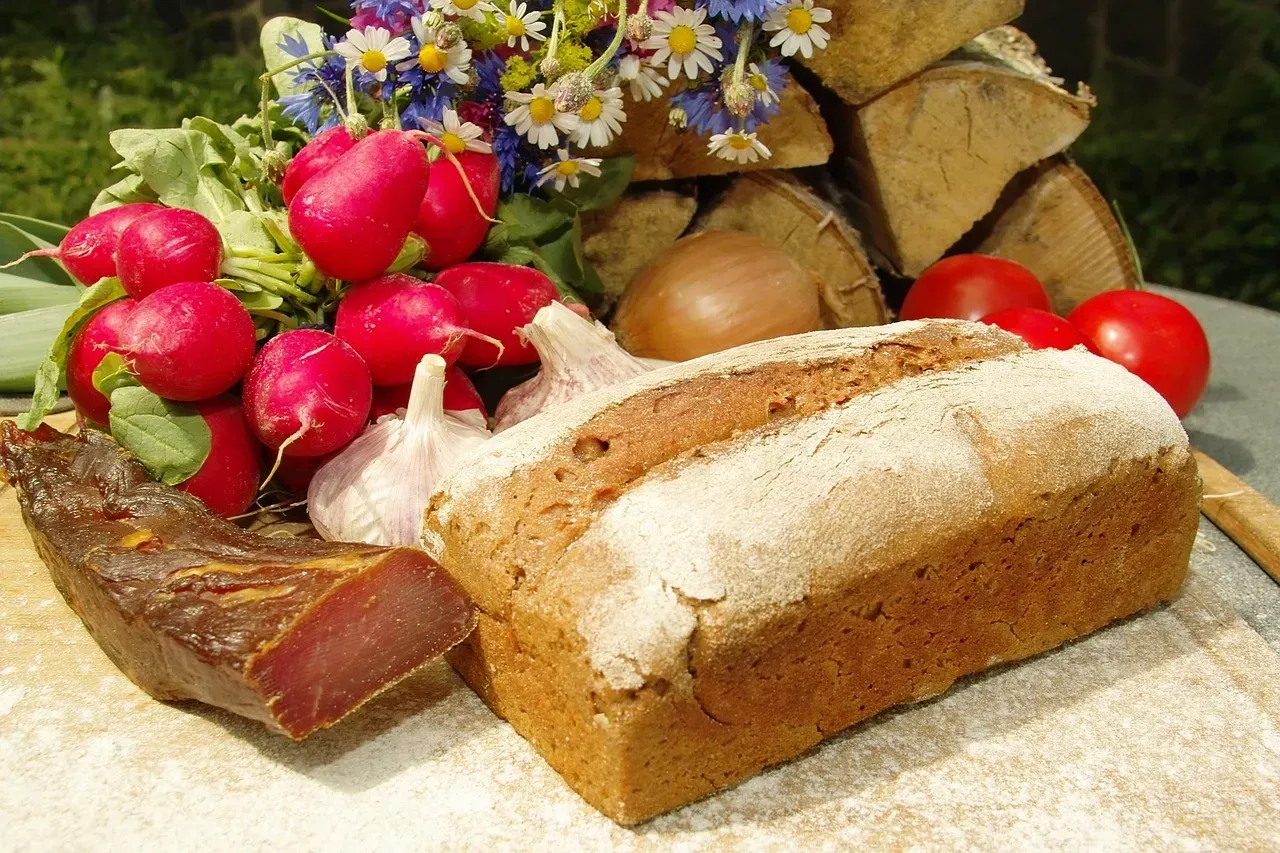
It seems logical that refrigeration would slow mold growth in bread, and it does, but it also accelerates staling through a process called retrogradation. Bread kept at room temperature in a breathable bag or container often stays softer for longer than refrigerated bread. For anyone who won’t finish a loaf within a few days, freezing individual slices tends to work better than the fridge.
Bread boxes or simply a paper bag can help manage moisture without trapping too much humidity, which is what invites mold in the first place.
Wash produce right before eating, not right after buying
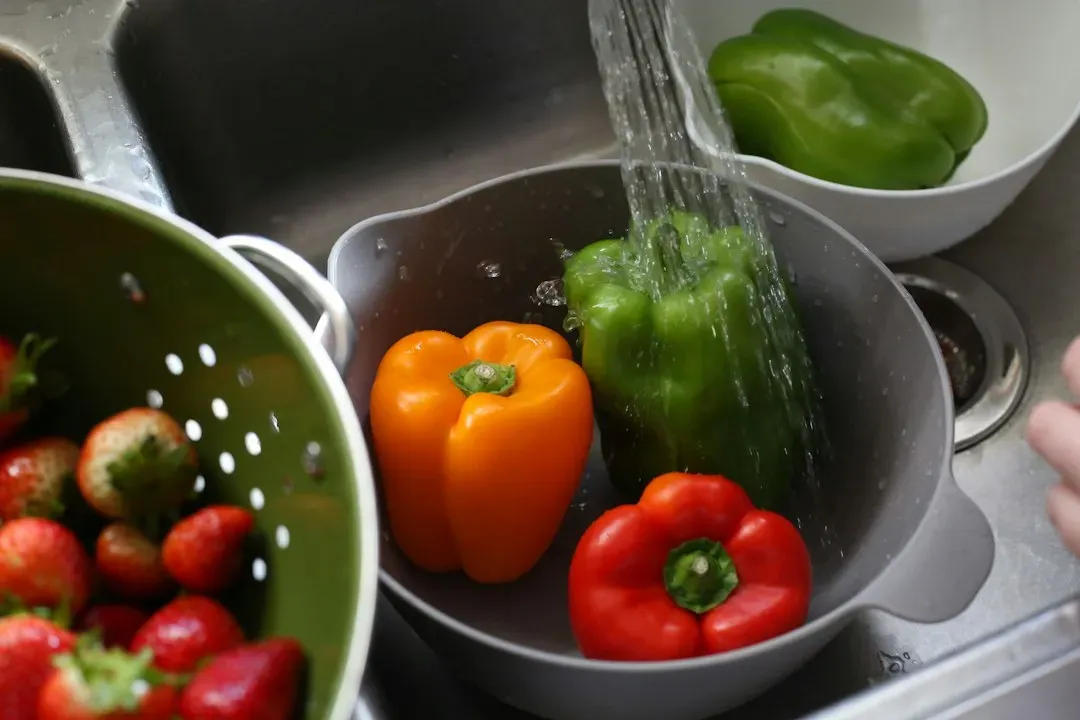
It’s tempting to wash fruits and vegetables as soon as they come home, especially berries, but added moisture can actually speed up decay. Water creates a damp environment that mold and bacteria thrive in, particularly for delicate produce like strawberries or grapes. Waiting to wash items until just before eating or cooking them helps preserve their natural protective layer a little longer.
For produce that does need early washing, drying thoroughly with a clean towel or salad spinner before storage can offset some of the added moisture risk.
Use airtight containers and proper wrapping
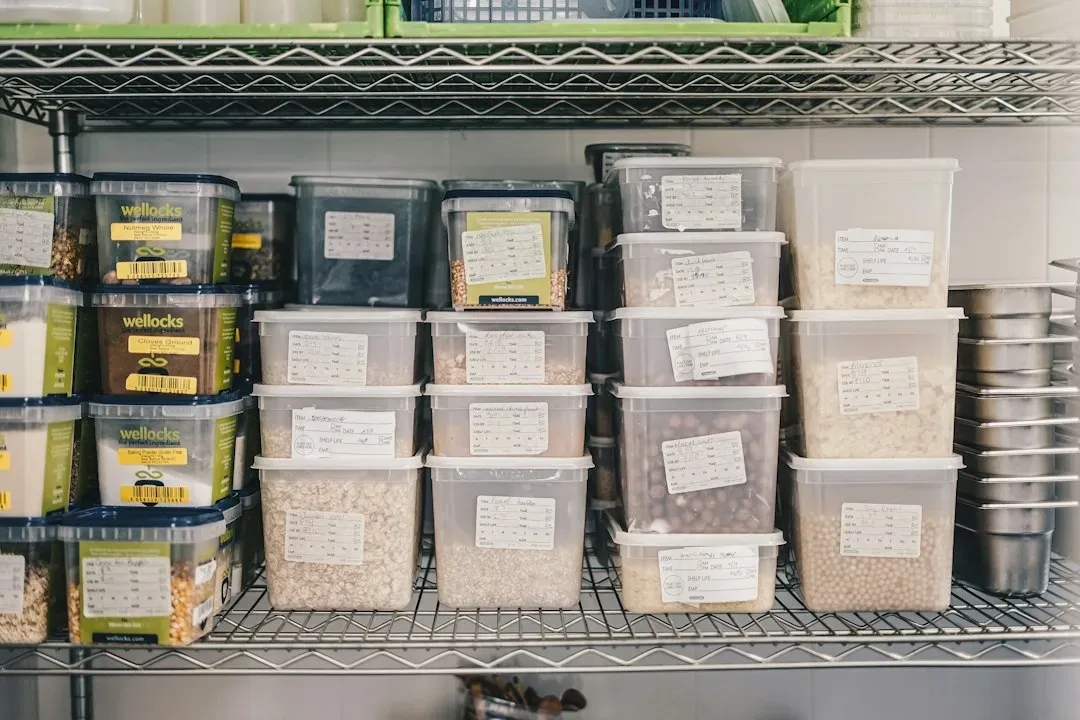
Exposure to air is one of the fastest ways food loses quality, whether it’s oxidation in cut fruit or freezer burn in meat. Airtight containers or vacuum sealed bags slow this process considerably compared to loosely covered dishes or open bags. Cheese in particular benefits from proper wrapping, since it needs to breathe slightly but not dry out or absorb other fridge odors.
Reusable beeswax wraps, parchment paper, or dedicated cheese paper are worth considering for anyone who goes through cheese slowly and finds it drying out or molding too quickly.
Rotate your stock with older items in front
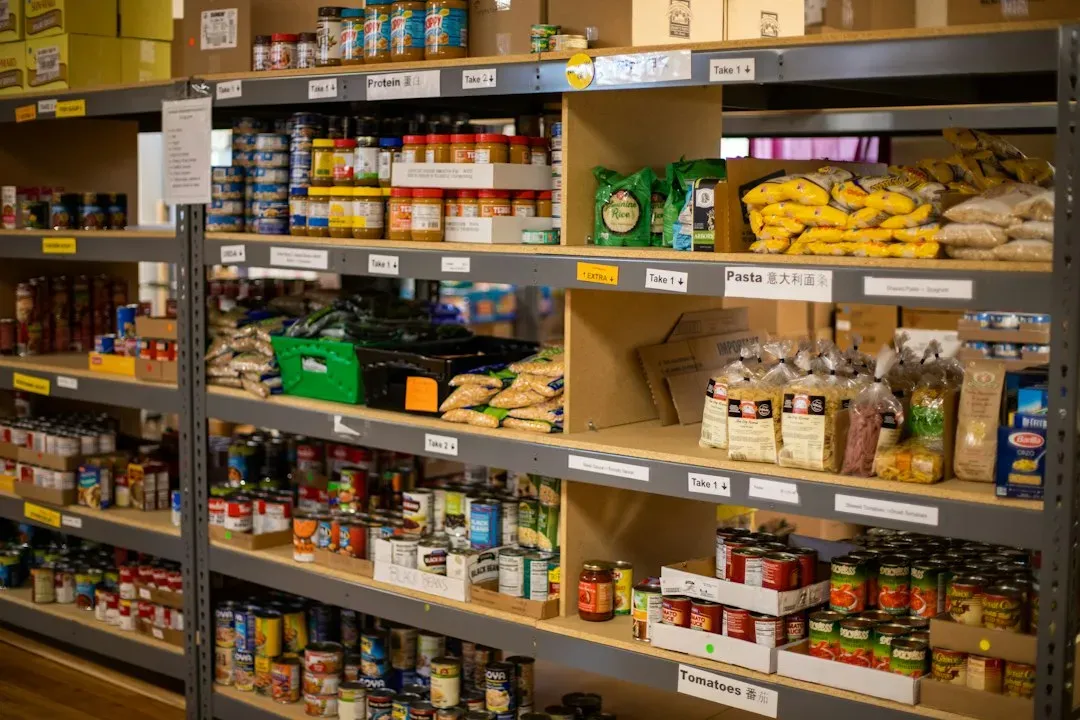
This is a habit borrowed from grocery stores themselves, often called first in, first out. When new groceries come home, moving older items to the front of the fridge or pantry means they’re more likely to get used before they expire. It’s a small organizational shift, but it directly addresses one of the most common reasons food gets forgotten and wasted.
This approach works just as well in the pantry for canned goods and dry staples, where expiration dates can otherwise go unnoticed for months.
Store root vegetables and onions properly
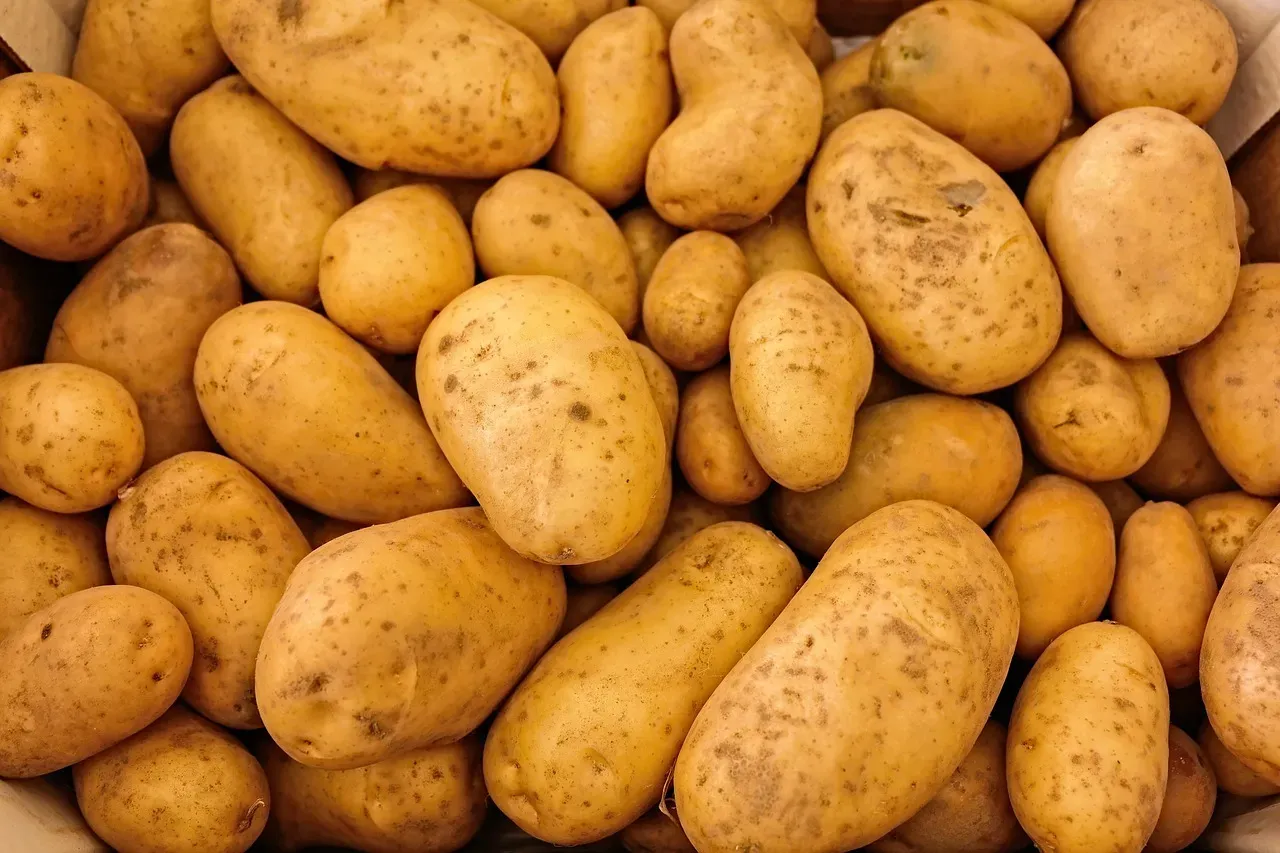
Potatoes, onions, and garlic don’t belong in the refrigerator, where cold temperatures can alter their starches or texture in unwanted ways. A cool, dark, and well ventilated space, like a pantry cupboard or a basket away from direct light, works far better. Potatoes and onions should also be kept apart from each other, since onions release moisture and gases that can cause potatoes to sprout faster.
Good airflow matters here too, which is why mesh bags or open baskets tend to outperform sealed plastic bags for these items.
Pay attention to humidity settings in crisper drawers
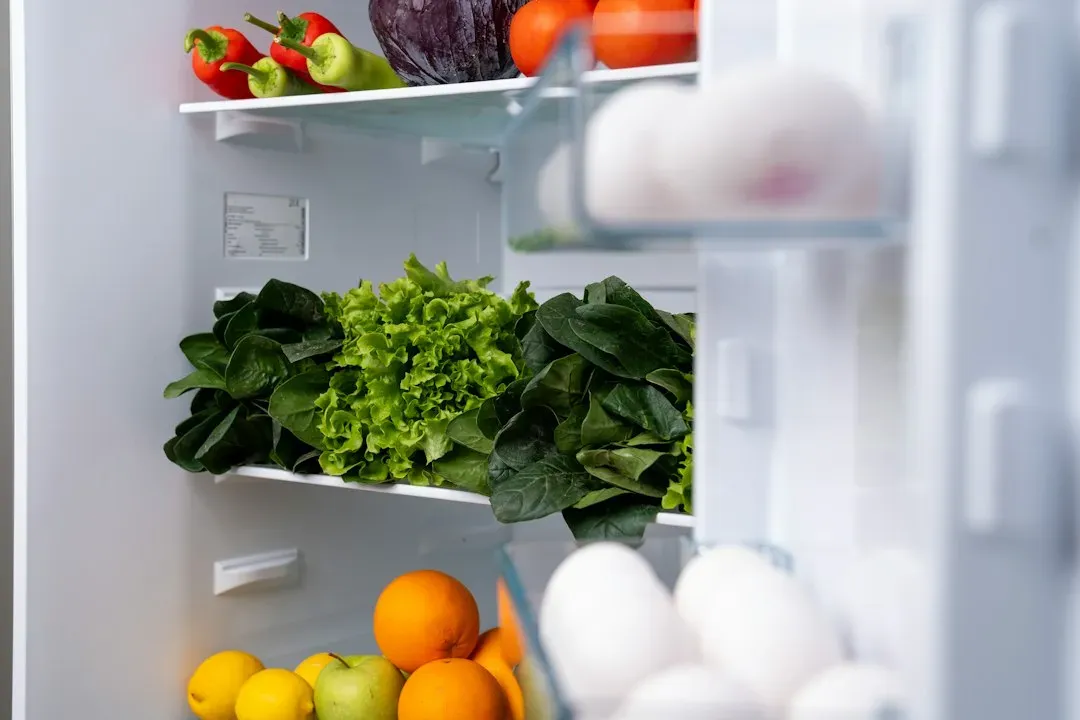
Most refrigerators come with adjustable humidity controls on their crisper drawers, though plenty of people never touch them. Leafy greens and herbs generally do better in high humidity settings, which slow moisture loss and wilting. Fruits like apples and pears tend to do better in lower humidity drawers, since excess moisture can encourage faster decay.
Taking a few minutes to check what settings your fridge actually offers, and adjusting them based on what’s inside each drawer, is an underused step that can meaningfully extend freshness.
Final thoughts
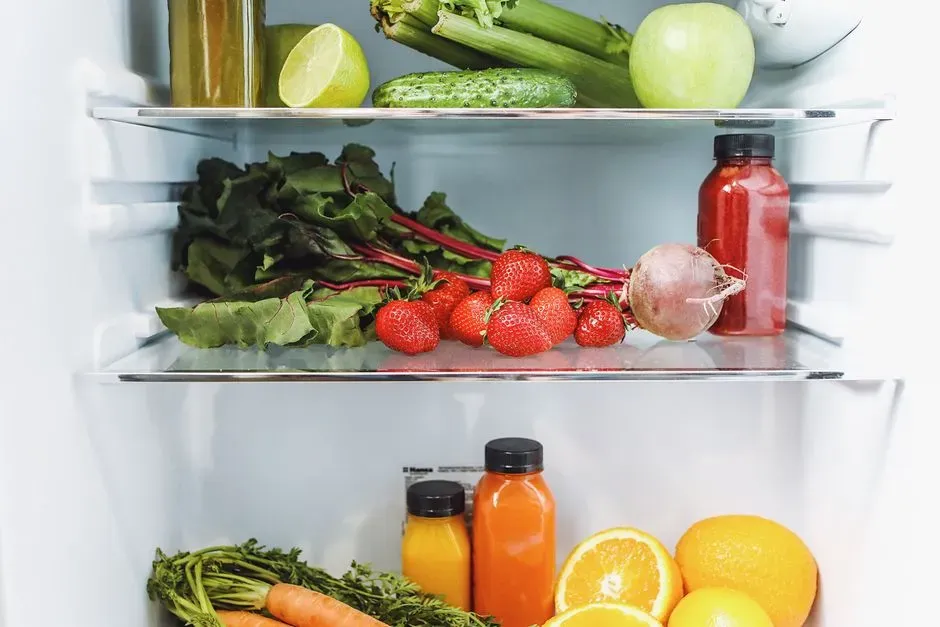
None of these habits require special equipment or a dramatic change in routine. They’re mostly about understanding why certain foods behave the way they do, and adjusting small storage choices accordingly. Over time, these adjustments add up to less waste, more usable groceries, and fewer surprises when you open the fridge.