Stop Boiling Pasta in Plain Water – This Simple Trick Changes Everything
Most of us learned to cook pasta the same way. Fill a massive pot with water, wait forever for it to boil, toss in some noodles, and hope for the best. It’s such a mindless routine that we never question whether there’s a better approach.
Honestly, the method works fine. Your pasta gets cooked, you drain it, slap some sauce on top, and call it dinner. Yet what if the secret to restaurant-quality pasta has been hiding in plain sight this whole time? Turns out, tweaking what goes into your pasta water can completely transform your dish.
Use Way Less Water Than You Think
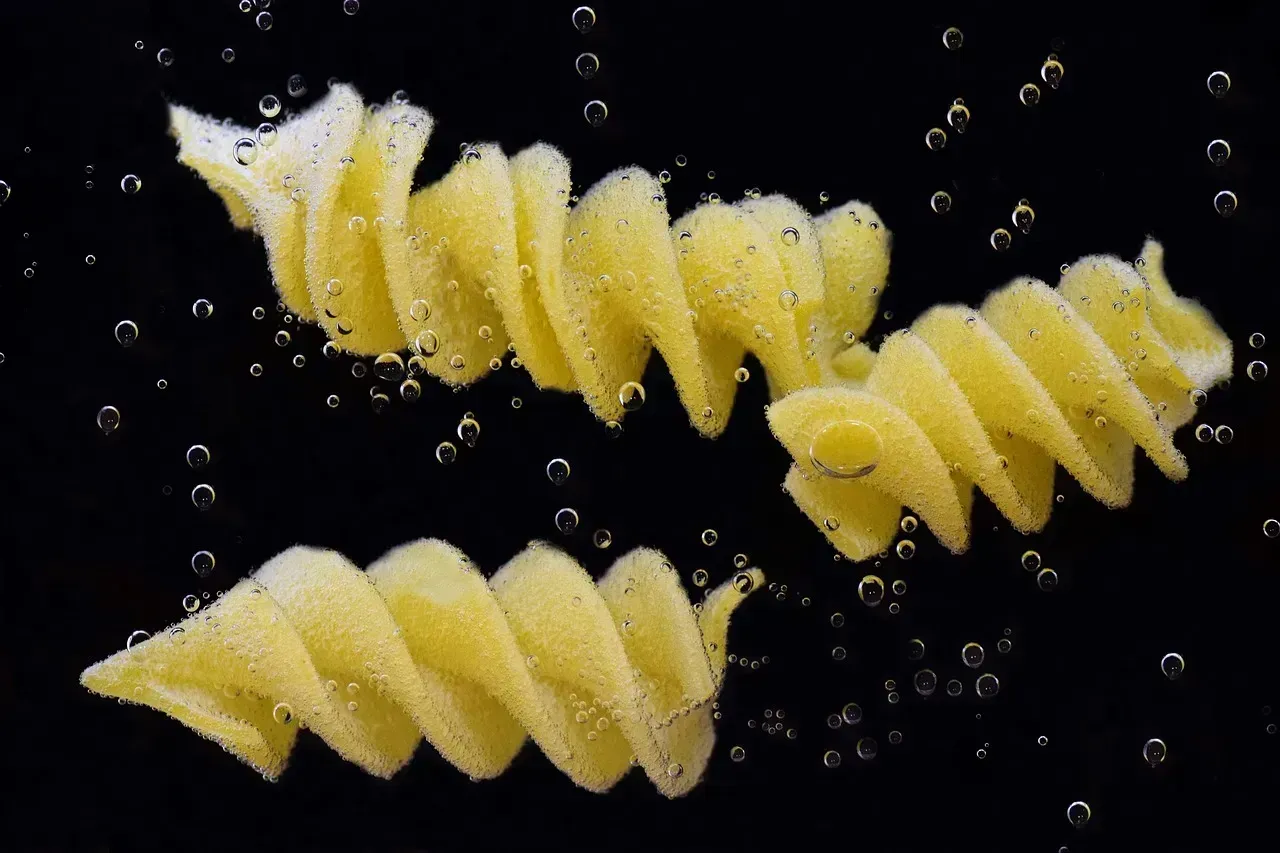
Using less water actually concentrates the starch levels in your cooking liquid, creating a more valuable pasta water than the diluted version most of us throw away. Instead of the standard four quarts of water per pound of pasta, you can cut that down to just two quarts. The starch that naturally leaches from pasta during cooking becomes far more concentrated in a smaller volume of water. Restaurants cook multiple batches of pasta in the same water throughout the day, which is why their pasta water becomes incredibly starchy and their sauces turn out so much better than yours at home.
This concentrated starchy water acts like liquid gold when you’re finishing your dish. The starch thickens your sauce and acts as an emulsifier, marrying the sauce and noodles together. Starting pasta in cold water with less volume can reduce cooking time, and you end up with ultra-starchy pasta water that creates silky sauces.
Cook Your Pasta in Broth Instead
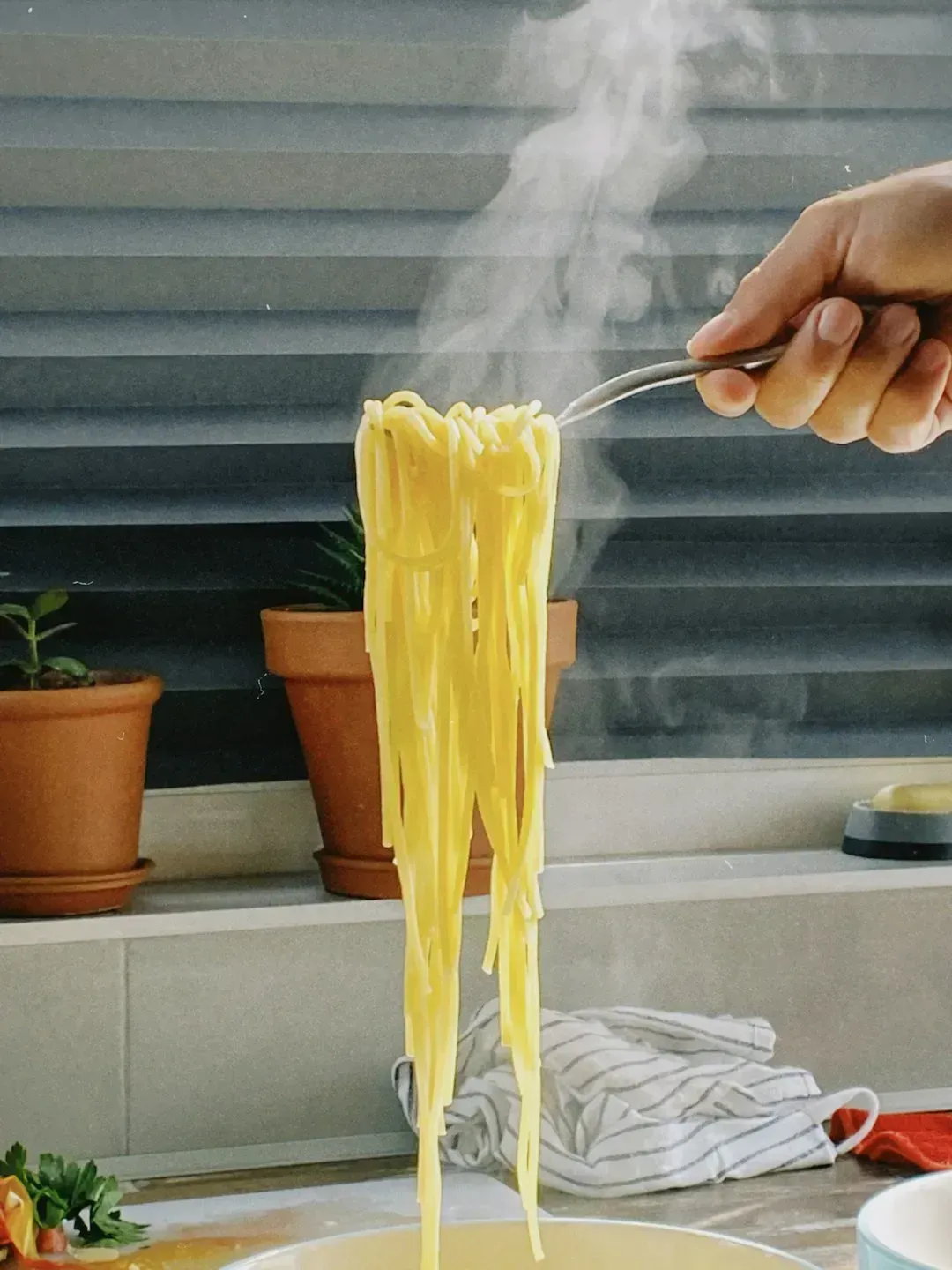
Boiling pasta in boldly-seasoned broth instead of plain water gives noodles an unbelievable flavor boost, allowing the cooking liquid to absorb all the way through to the middle of each bite. This technique sounds radical, yet it’s surprisingly simple. Just swap out your water for vegetable, chicken, or beef stock depending on what sauce you’re planning.
Using a risotto-style technique of gradually cooking pasta in warm stock results in wonderfully toothsome and flavorful noodles, with a layer of starch coating every piece that makes it extra silky and rich. Think about it like this: pasta is essentially a sponge. While it cooks, it absorbs whatever liquid surrounds it. When pasta drops into boiling water, the starch molecules swell and expand by absorbing the hot liquid. Why waste that absorption power on plain water when you could infuse actual flavor right into the noodles themselves?
Add Milk or Cream to Your Cooking Water
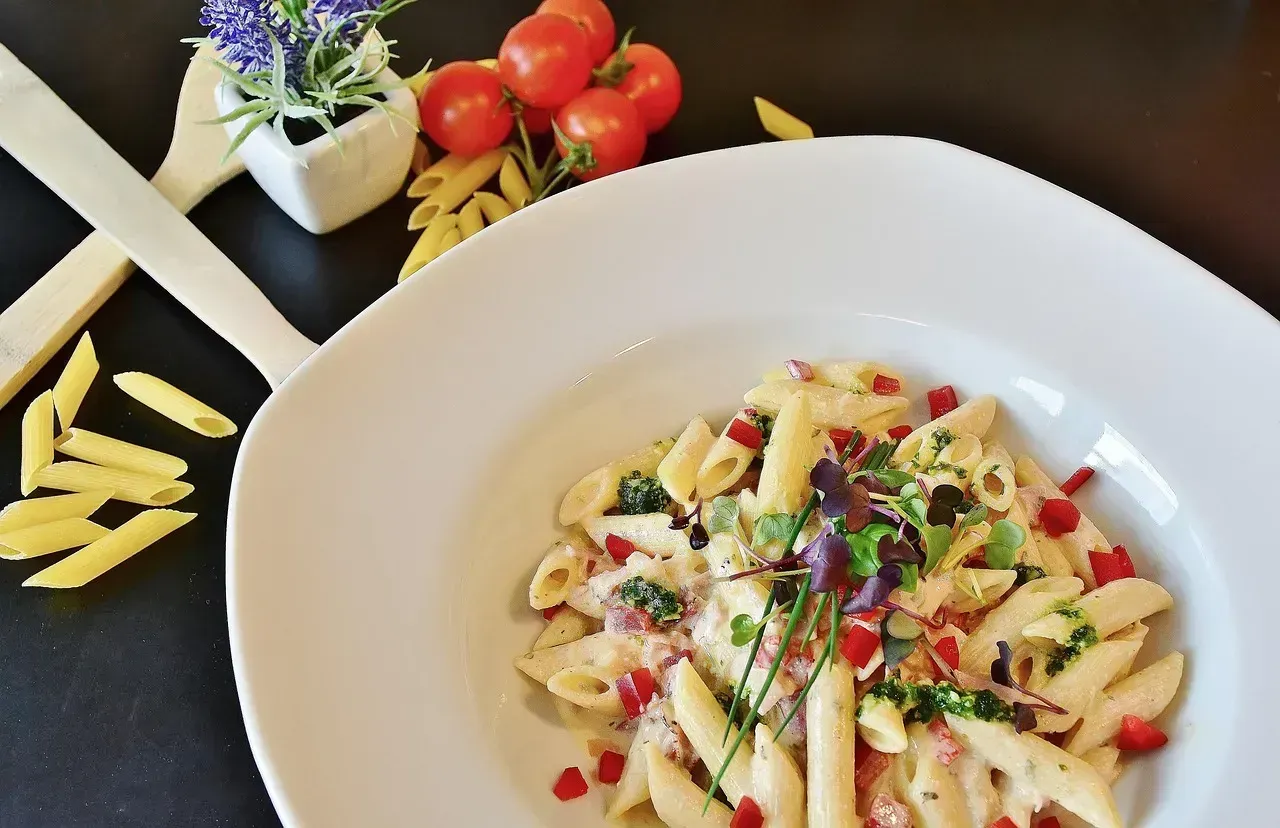
Here’s where things get genuinely interesting. Switching out some of the water in your pasta pot with milk or cream imparts richness and velvety texture to your pasta before your sauce even enters the picture. I know it sounds weird. The first time I heard about this trick, I thought someone was pulling my leg.
Bring equal parts salted water and milk to a boil, cook your pasta until al dente, then reserve a cup of the milky cooking liquid before draining and add it back when folding through cream-based sauces. The result is a decadently multi-dimensional cream sauce that tastes like you spent hours reducing heavy cream. This method works exceptionally well for carbonara, alfredo, or any cream-based pasta dish where you want that next-level richness.
The Cornstarch Hack That Chefs Swear By
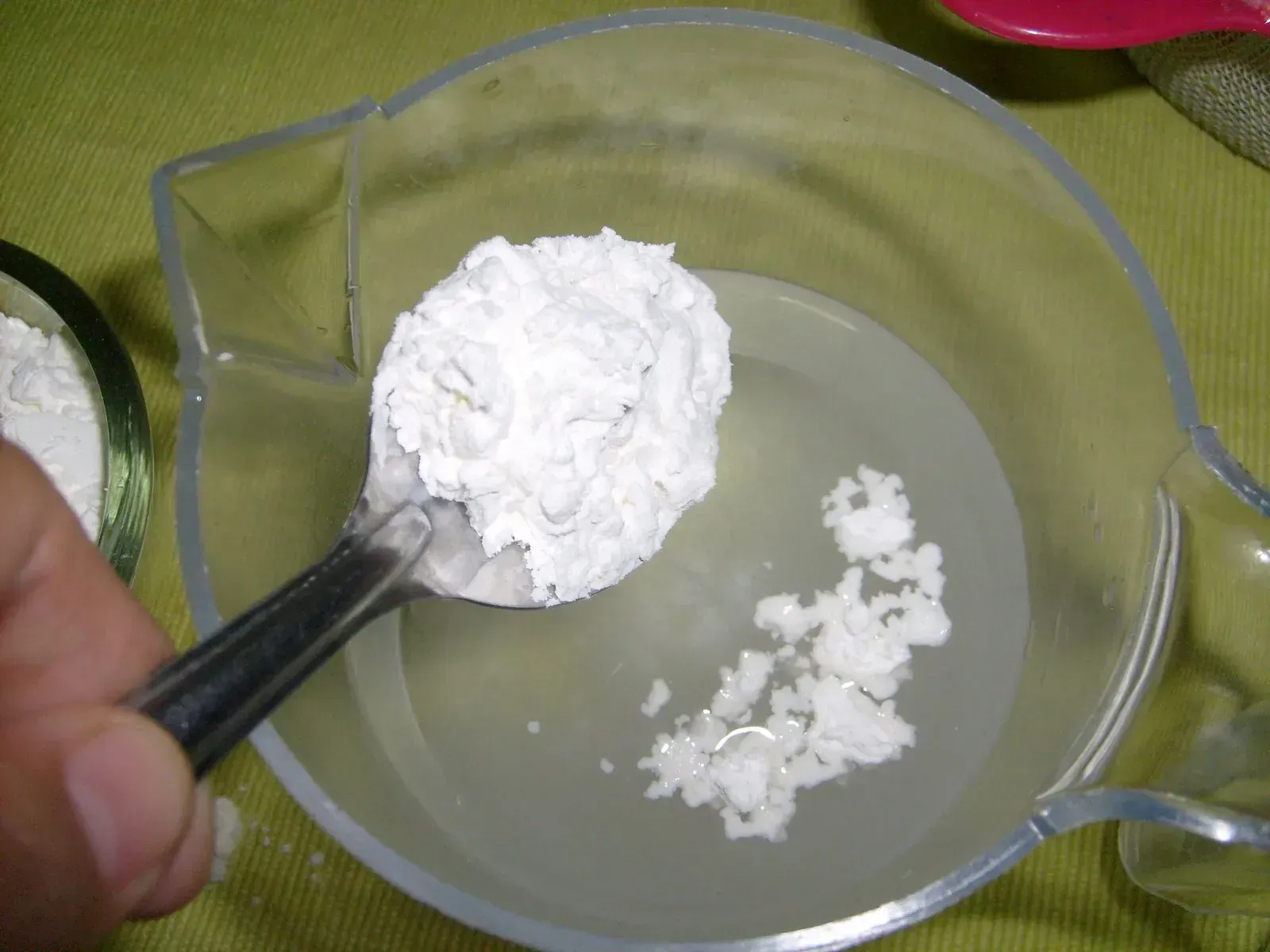
An ideal starch concentration for perfect pasta sauces is reportedly around two to three percent – slightly more than regular pasta water contains – which cooks can achieve by adding cornstarch to water. Use a small amount, such as one-quarter to one-half teaspoon each of cornstarch and kosher salt per cup of water.
This trick proves especially helpful for gluten-free and whole-wheat noodles, which don’t produce enough starch naturally to work as an effective binder. If you accidentally drain your pasta water down the sink, you can replicate it with just cornstarch and water. A sauce made with a cornstarch solution is extremely stable and can be reheated to high temperatures without cheese agglomeration. It’s basically insurance against clumpy, separated sauces.
Salt Your Water Like the Ocean

The water used for cooking pasta should be as salty as the sea, using a minimum of two tablespoons of kosher salt per pound of pasta. Most people are way too timid with their salt shaker. They add a tiny pinch and think they’ve done their duty. According to culinary experts, roughly two percent salinity or just over five tablespoons per gallon is best, and almost all of that salt stays with the water when you drain it.
The real reason to salt pasta water is to season the noodle itself, because when pasta drops into boiling water, the starch molecules swell and expand by absorbing the cooking liquid. Research shows that cooking in salted water allows pasta to absorb sodium. Studies comparing pasta cooked in deionized water versus salty water found that samples cooked in salty water had higher hardness and adhesiveness values, proving that salt in cooking water improves textural characteristics. Without properly salted water, you’re just boiling flavorless starch that relies entirely on sauce for taste.