That $2 Bill in Your Drawer Could Be Worth $2,500 – but Only With This Serial Number
You might have a $2 bill tucked away in a drawer somewhere, maybe saved from years ago because it seemed a bit unusual. Most people treat these bills as quirky keepsakes rather than spending money. Here’s the thing though. That bill you’re holding onto could actually be worth serious money to collectors, possibly even thousands of dollars.
The key isn’t the bill’s age or its design. It’s all about what’s printed on the front in those seemingly random digits. The main reason for this increased value is not the design or the age alone, but the serial number printed on the bill. Let’s be real, most of us never give those numbers a second glance when handling cash. Yet for collectors, certain patterns turn an ordinary bill into a treasure.
The Serial Number That Changes Everything
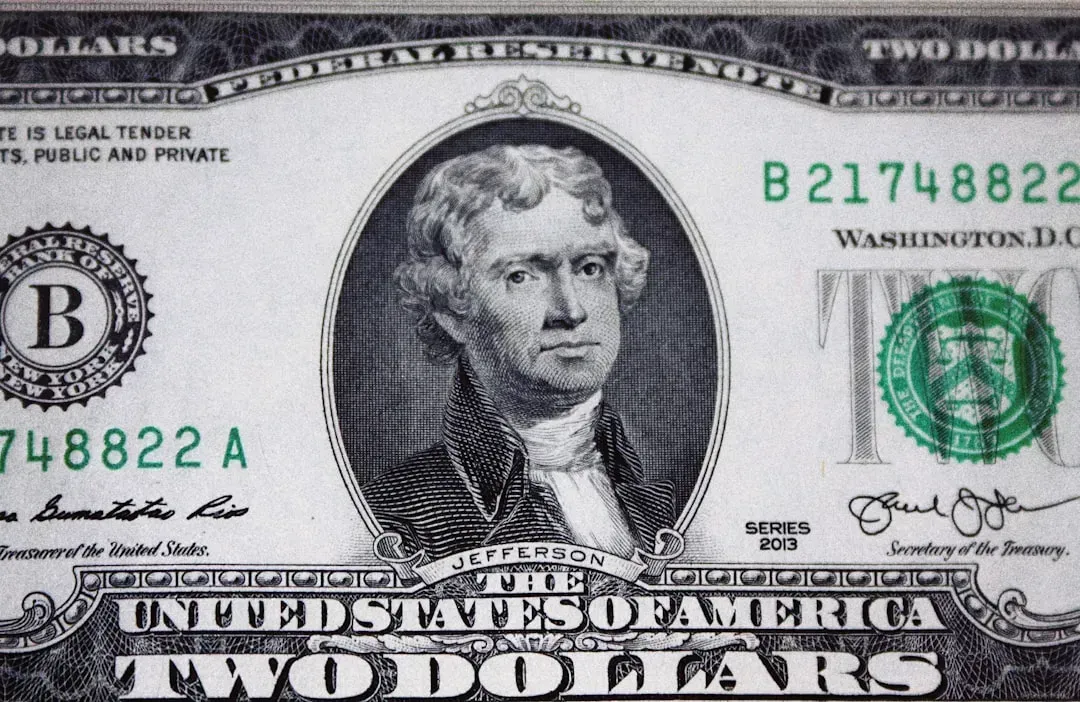
Numbers starting with multiple zeros, such as 00000001 or 00000123, are extremely rare and highly collectible. Think about it. Every single bill printed gets a unique serial number, which means the lower that number, the fewer bills were printed before it. A $2 bill reaching a value of $2,500 is rare but documented. This typically happens when several factors come together, with the serial number being the most important. Auction records show that $2 bills with extremely low serial numbers, such as numbers under 100, have sold for thousands of dollars when professionally graded and well-preserved.
Collectors go absolutely wild for these low serial numbers. A serial number ‘1′ for a 1976 $2 bill would be worth $20,000 or more. But for a majority of those people holding 1976 $2 bills, they are only worth face value. So yeah, finding one of these is like hitting a very small, very specific lottery.
Other Valuable Serial Number Patterns Worth Hunting
Solid Serial Numbers: All digits are identical, such as 77777777 or 99999999. Ladder Serial Numbers: Numbers that run in sequence, such as 12345678 or 87654321. Repeater Serial Numbers: Patterns like 45454545 or 23232323. These patterns are what collectors call fancy serial numbers, and they’re not just urban legend. The rarest $2 bill from this year is known as a ladder note, which means its serial number is 12345678. These notes can be worth thousands of dollars at auctions.
Palindromes – Also called “radar notes,” these serial numbers read the same whether you look at them backward or forward. Repeated numbers – If the serial number repeats, this is rare and more valuable. Star – If the serial number includes a star, it is a replacement bill and may be much rarer. Star notes are printed to replace bills with printing errors, making them scarcer than regular currency. Honestly, it’s hard to say for sure how many exist, but scarcity drives value in this market.
Why Condition Matters Just As Much
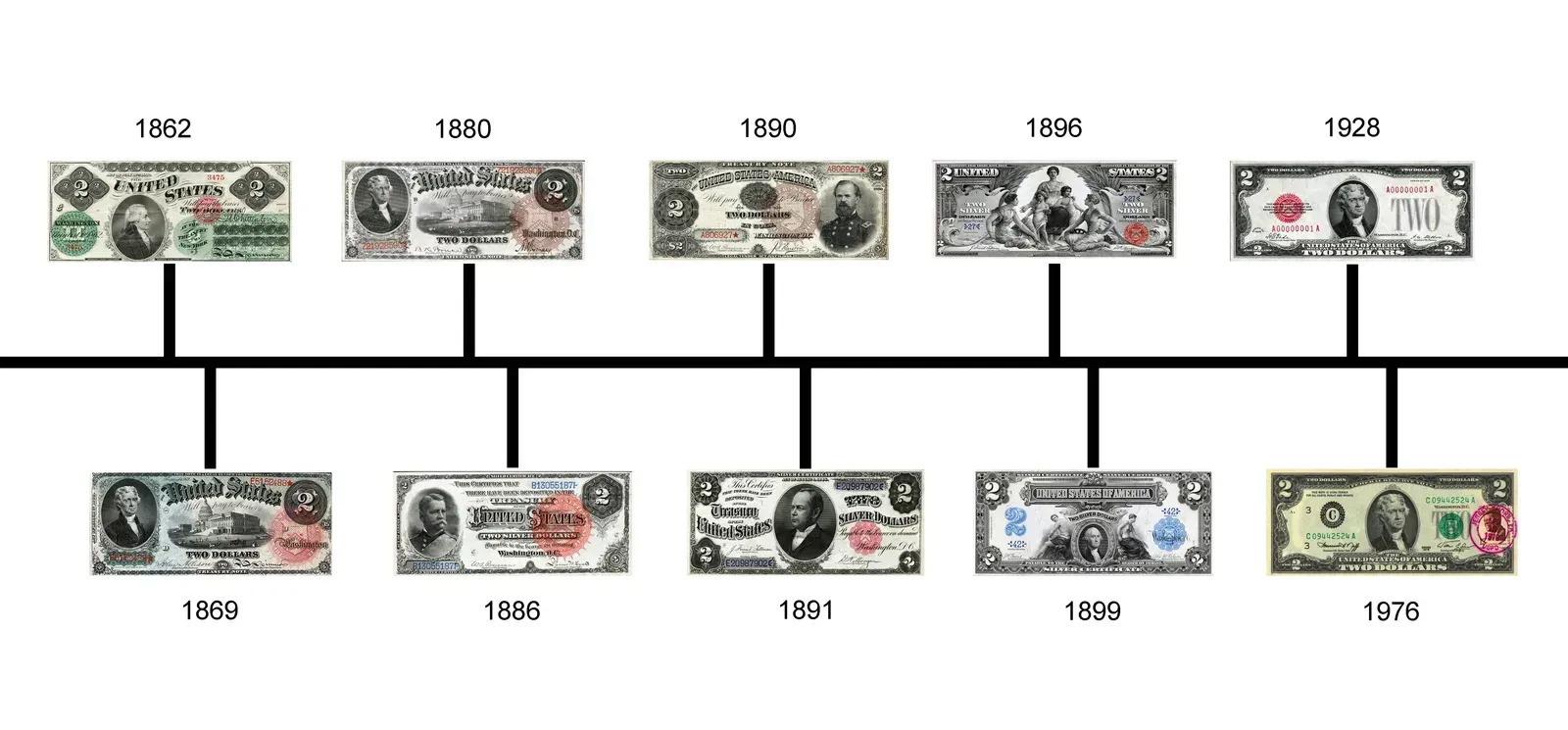
Condition plays a major role, as collectors prefer crisp, uncirculated notes. Condition directly affects how much a collector is willing to pay. Even if you’ve got a killer serial number, a torn or heavily creased bill loses significant value. These bills have never been used in transactions, so they remain crisp, clean and free of folds or tears. Uncirculated bills are far more valuable (and rare, especially the older they are) than circulated ones. For example, an uncirculated 1928 red seal $2 bill could be worth over $1,000, while a circulated version may only be worth $5 to $175.
Professional grading services evaluate authenticity and condition. Their grading labels are widely trusted in the collector market and often increase resale value. Getting your bill professionally graded might cost you a fee upfront, but it’s the difference between speculation and solid proof of what you’re holding.
How The $2 Bill Became So Uncommon
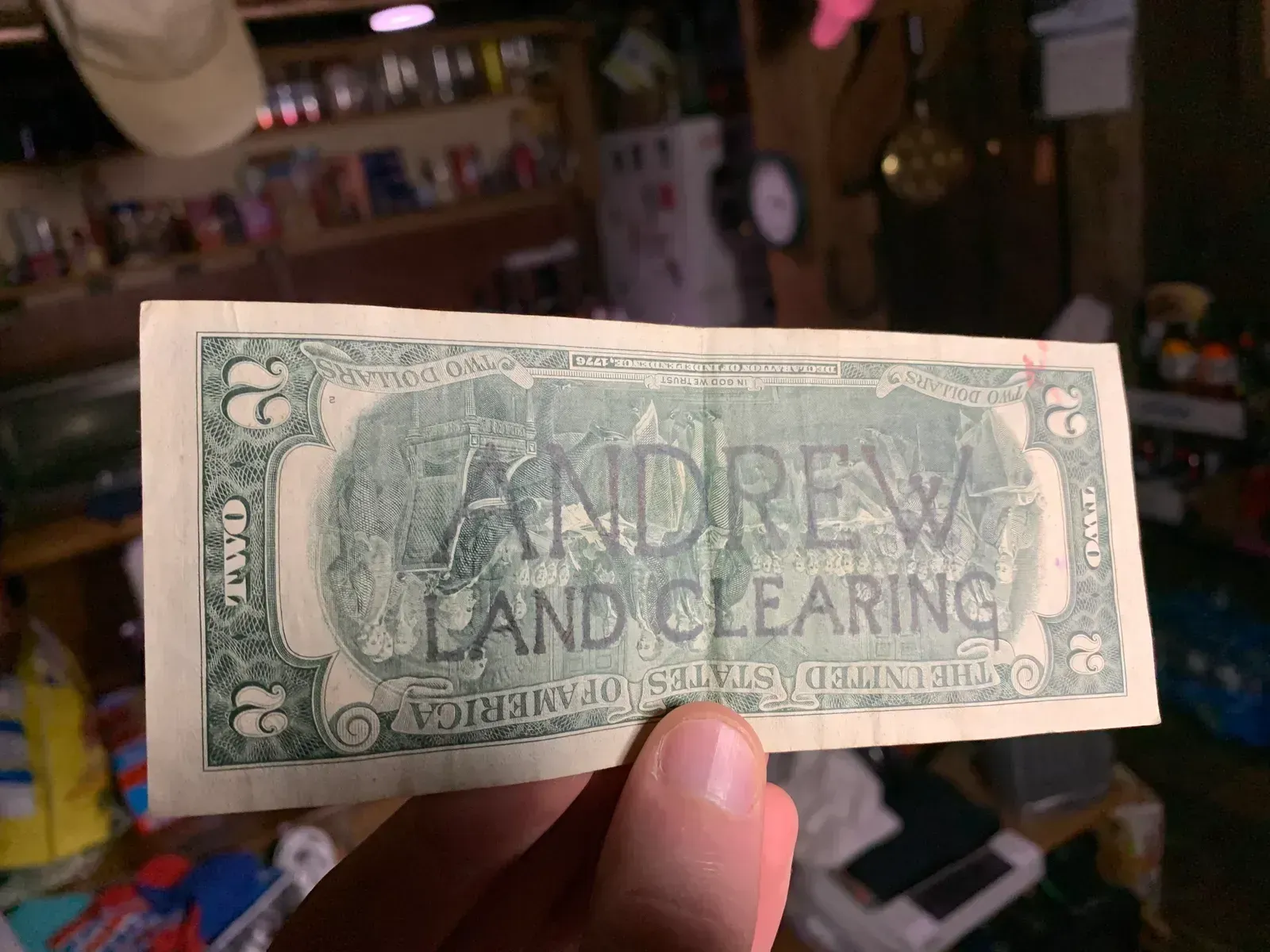
According to the Federal Reserve, about 1.2 billion 2-dollar bills are in current circulation. That may sound like a lot, but when you compare it to the 11.7 billion 1-dollar bills in circulation, it takes on a new perspective. 2-dollar bills account for less than 0.001% of all currency in circulation. So they’re definitely out there, just not in your everyday change from the grocery store. According to the U.S. Treasury, there were over $2 billion worth of $2 bills in circulation. The Bureau of Engraving and Printing printed around 128 million new $2 bills in fiscal year 2023 alone.
One of the reasons 2-dollar bills are so uncommon is that fewer of them were printed. No one wanted them. In fact, 2-dollar bills weren’t even produced between 1966 and 1976 because of a lack of demand. People started hoarding them thinking they were rare, which ironically made them even less common in circulation. That’s part of what fuels collector interest today.
What To Do If You Think You’ve Got A Valuable Bill
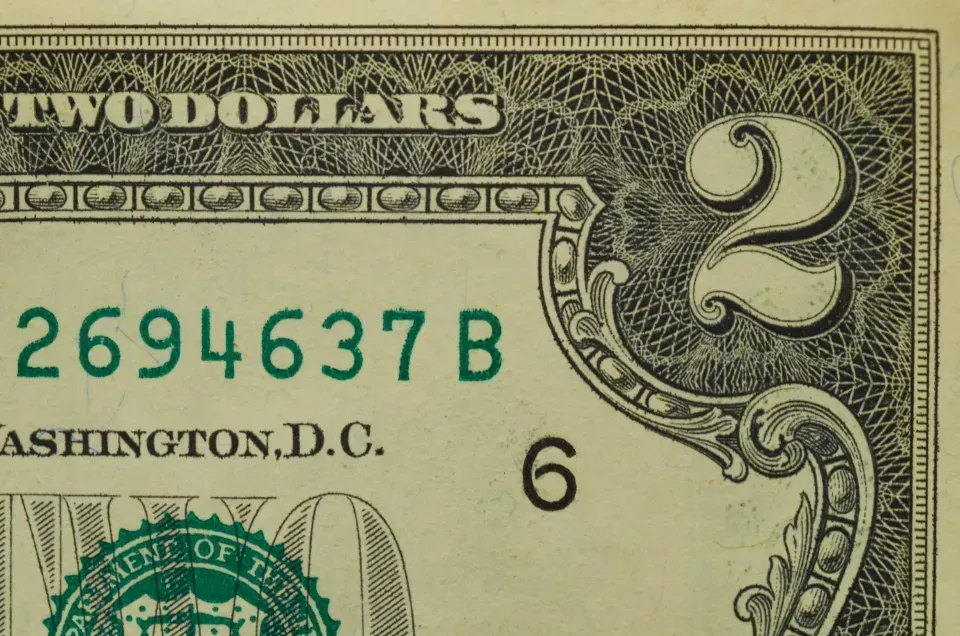
Checking a $2 bill requires careful inspection but no special tools. Start by looking closely at the serial number and identifying any unusual patterns or symbols. Next, examine the condition of the bill. Keep it flat and avoid handling it excessively, as oils and folds can reduce value. Seriously, don’t be tempted to unfold and refold it a bunch of times just to show friends. Every crease matters.
Compare similar bills sold on eBay or currency auction sites, and consult a currency pricing guide. Heritage Auctions offers a helpful guide on how to evaluate the value of paper currency. You can sell your $2 bill through online marketplaces like eBay or you can visit a coin and currency dealer. If you’re convinced you’ve got something special, taking it to a verified expert is worth the effort. The difference between face value and potentially thousands of dollars makes it worth investigating properly. What would you do if that forgotten bill turned out to be worth a small fortune?