The 6 Suburbs Where Home Prices May Crash by Late 2026
Tampa saw its median sale price drop 4.1 percent in September compared to a year earlier, according to the Case-Shiller Index. Meanwhile, some suburban markets that exploded during the 2020 pandemic are starting to wobble under the weight of oversupply and buyer fatigue. It’s a weird time to watch real estate unfold.
A growing supply of homes after years of limited inventory may push prices down in some markets next year. Still, nobody really expects a full-blown crash. Think of it more like a slow deflation in specific pockets across the country, places where too much new construction met not enough demand.
Tampa Area Suburbs, Florida
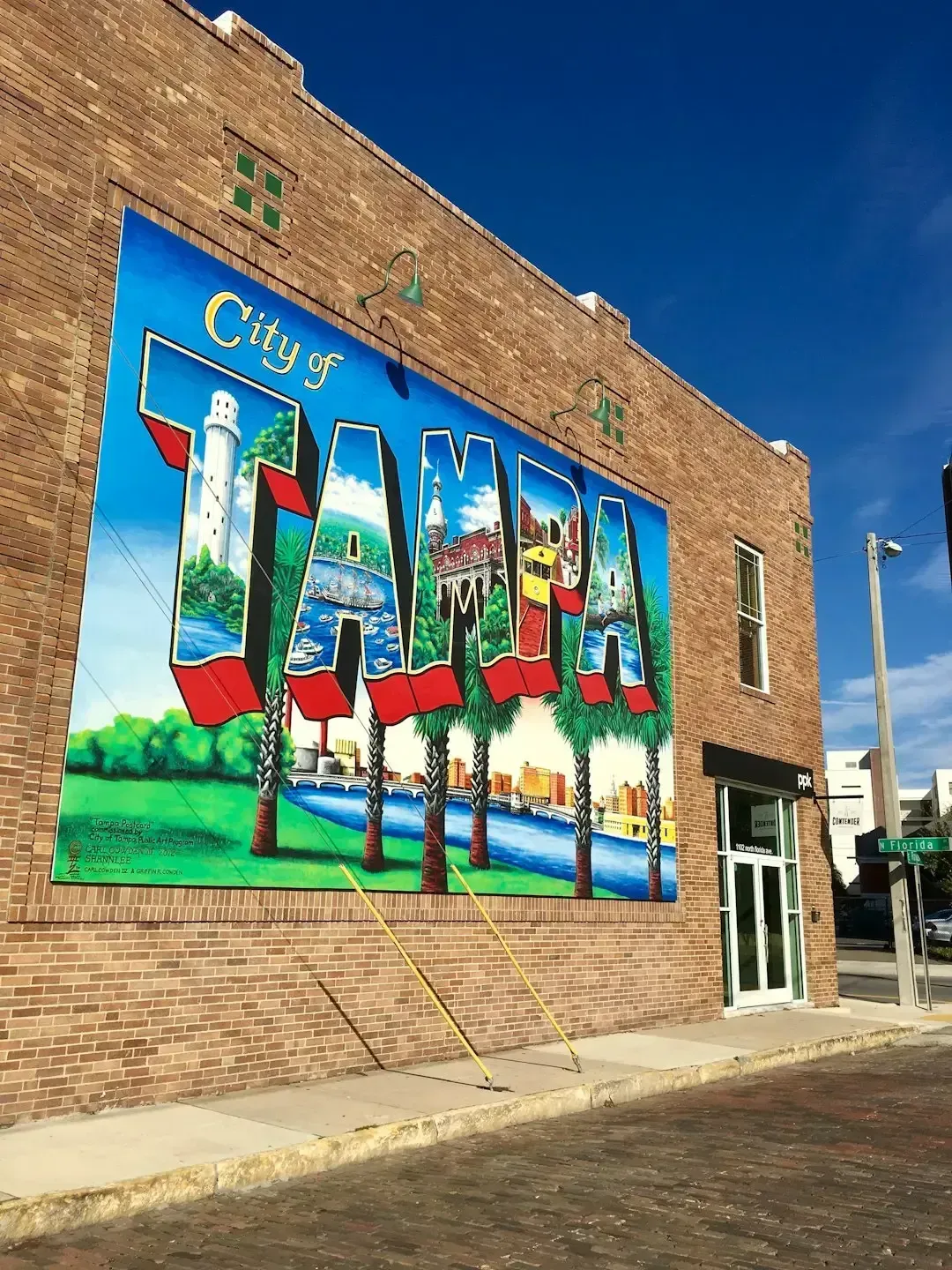
Let’s be real, Tampa has become the poster child for this correction. Tampa experienced its 11th consecutive annual price drop through September, with a 4.1 percent decline in home prices. Developers went all-in during the 2020 pandemic boom, building everywhere from new subdivisions to luxury enclaves.
The problem is that remote work hype cooled off faster than anyone expected. The spike in prices made these markets much less affordable overall, often pricing out locals, while a construction boom caused an oversupply of homes now that buyers have withdrawn to the sidelines because of higher housing costs. Suburban buyers who rushed in during the frenzy are now pulling back, leaving sellers stuck with properties that simply won’t move without significant price cuts.
Phoenix Metro Suburbs, Arizona
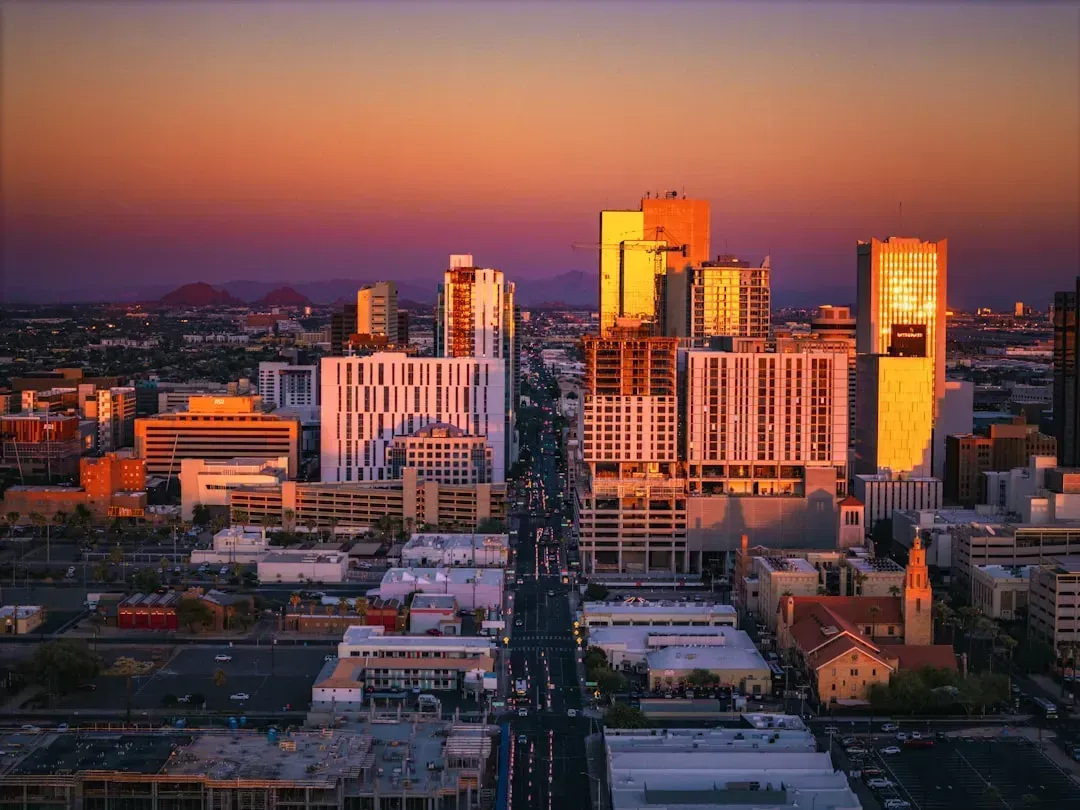
Phoenix and its surrounding suburbs followed a similar playbook. Phoenix saw a 2.0 percent year-over-year price drop in September, continuing a trend that caught many off guard. The desert metro was a darling of the 2020 pandemic migration wave, attracting transplants from California and other high-cost states with promises of sunshine, space, and affordability.
Markets that were previously red-hot, particularly in Florida, Arizona, and Texas, are now experiencing outright price declines. Inventory has piled up in suburban Phoenix, especially in areas where builders constructed entire neighborhoods hoping demand would stay strong forever. Spoiler alert: it didn’t.
Dallas-Fort Worth Outlying Communities, Texas
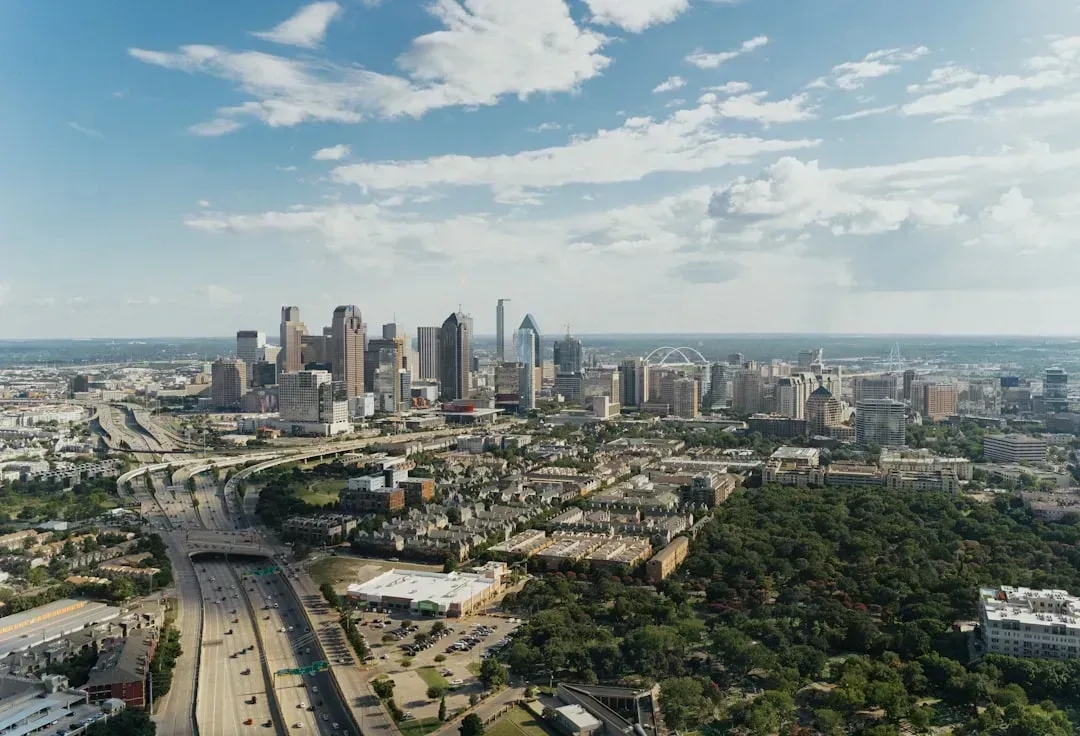
Dallas saw a 1.3 percent year-over-year home price decline through September. The sprawling metro area has always been known for having room to expand, and developers took full advantage of that during the recent housing surge. Suburbs on the outer fringes of the DFW region grew fast, maybe too fast.
Housing prices are falling the most in Florida and Texas, which saw an incline in the number of people moving to them, increasing housing demand and resulting in new construction, but this boom led to oversaturation in some instances, creating more supply than demand. Buyers who might have jumped at these areas two years ago are now hesitant, weighing commute times and the hidden costs of owning in rapidly developed zones.
West Palm Beach Suburbs, Florida
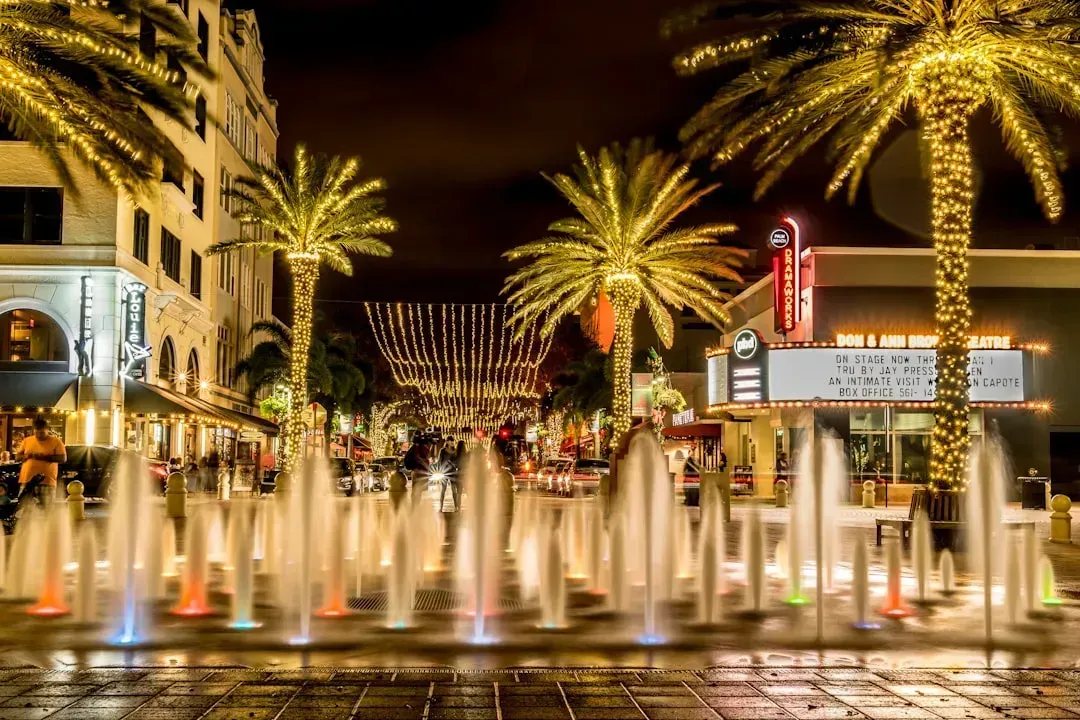
West Palm Beach saw a 4.9 percent year-over-year decline in median home-sale price. This once-booming market became a magnet for wealthy buyers and investors during the 2020 pandemic. The typical home that went under contract during the four weeks ending July 27 took 93 days to do so, the longest period of all the metros analyzed and up 18 days from a year earlier.
The truth is, buyers have simply run out of steam here. High insurance costs, rising property taxes, and the reality that many rushed into overpriced properties have created a standoff. Sellers are holding firm on pricing while buyers are walking away, creating a slow-motion correction that’s likely to continue well into late 2026.
Austin Area Suburbs, Texas
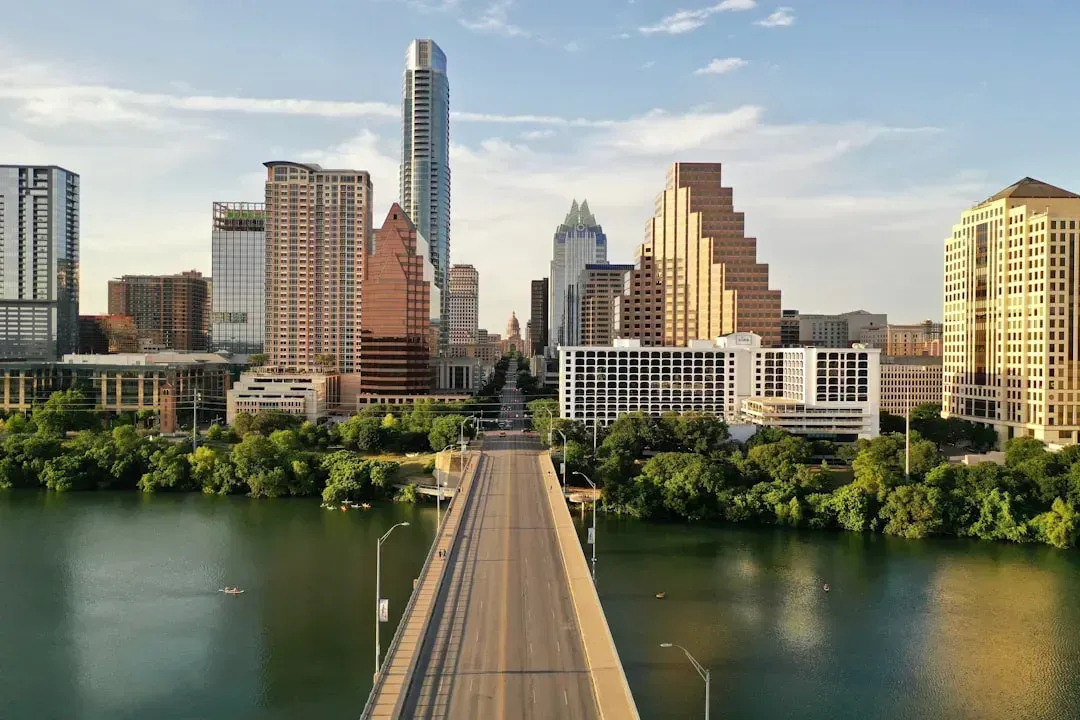
Austin became synonymous with tech migration and real estate mania between 2020 and 2022. Austin saw a 2.9 percent year-over-year decline in median home-sale price, and suburban areas bore the brunt of this shift. Austin was among cities with the largest declines in median listing price over the past year.
What made Austin’s suburbs attractive, their newness and quick development, also made them vulnerable. Homes in the Austin metropolitan area are presently 11.72 percent overvalued, compared to the market’s peak of 46.70 percent in June of 2022. It’s hard to say for sure, but the adjustment seems far from over. Honestly, unless tech hiring roars back or mortgage rates plummet, these suburbs might struggle through 2026.
Jacksonville Outlying Areas, Florida
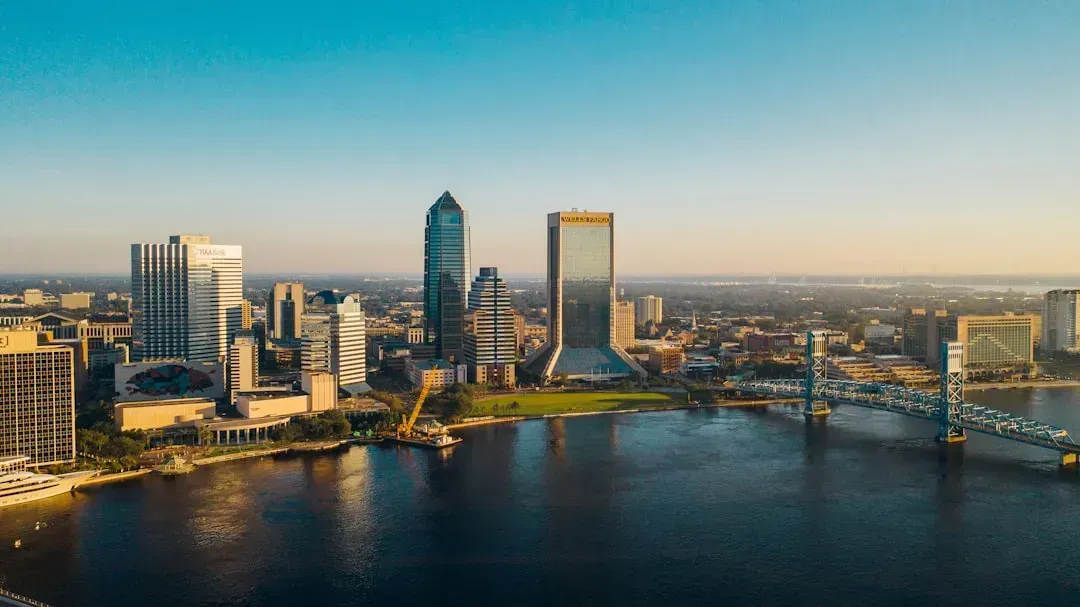
Jacksonville saw a 3.1 percent year-over-year decline in median home-sale price. Unlike Miami or Tampa, Jacksonville wasn’t always considered a hot market, but the 2020 pandemic changed that fast. Developers capitalized on relatively cheap land and built aggressively in suburban rings around the city.
Prices are declining in certain places as the supply of homes for sale outpaces demand, with high costs and economic uncertainty sidelining would-be buyers, and homes taking longer to sell than a year ago in every major metro. The mismatch between what sellers want and what buyers can actually afford has created a quiet standoff, one that might not resolve until prices come down further or the broader economy shifts. Did you expect that?