5 Countries Offering 100% Free Public University
Imagine graduating debt-free with a world-class degree. Sounds like a fantasy? Let’s be real, it’s not just American students drowning in debt anymore. Rising tuition costs affect millions globally, pushing higher education out of reach for talented students worldwide. Yet, something remarkable is happening across Europe and beyond.
In 2026, several nations are quietly maintaining a radical commitment: taxpayer-funded university education without tuition fees. These aren’t subpar institutions hiding in obscurity. We’re talking about globally ranked universities, cutting-edge research facilities, and degrees respected from Silicon Valley to Singapore. For those willing to pack their bags and embrace a different culture, these countries offer something increasingly rare: free access to higher education.
Germany: The Gold Standard for Free Education

Most public universities in Germany offer tuition-free education for both domestic and international students. Picture this: you could attend top institutions like the University of Munich or Humboldt University of Berlin and pay absolutely nothing in tuition. Up until 2014, tuition fees were around one thousand euros per year, but today almost all public universities in Germany are free of charge, even for international students.
There’s a catch, though it’s a small one. The state of Baden-Württemberg charges non-EU/EEA students a fee of about fifteen hundred euros per semester, unlike the usual small semester fee of one hundred to three hundred euros in other German states. Still, compared to the crushing costs elsewhere, that’s practically pocket change.
Most public universities in Germany do not charge tuition fees for international students from non-EU countries, making it one of the few places globally where your passport doesn’t determine your education bill. International students have 290 universities in Germany with 2,651 English-language bachelor’s and master’s programs to choose from. That’s right, you don’t even need to master German to study there, though learning the language certainly opens more doors. The German government essentially treats education as a public good that should be accessible to everyone, funded by taxpayers to ensure nobody’s denied opportunity based on income.
Norway: Fjords and Free Tuition Combined

Norway’s situation recently got a bit complicated, I’ll admit. Norway introduced tuition fees for non-EU/EEA students starting in autumn 2023, resulting in roughly a 40 percent decrease in non-EU/EEA enrollments. Here’s the thing: Students who are citizens of the EU/EEA or Switzerland, or who are already permanent residents of Norway, can study tuition-free at Norwegian universities.
Let me be clear about what this means. Public universities charge tuition fees to non-EU/EEA students, with amounts set by each institution (typically 130,000–180,000 NOK per year). All students have to pay a semester fee of approximately 1,000 Norwegian kroner per semester to the student welfare organization, which translates to roughly a hundred dollars.
The catch? Norway isn’t cheap to live in. The estimated living cost for a student is stipulated to around 14,400 Norwegian kroner per month or about 173,000 kroner per year, as stipulated by UDI. That’s significantly higher than most European countries. Yet, if you can manage living expenses through part-time work or savings, the education itself remains incredibly valuable. Universities like the University of Oslo and the Norwegian University of Science and Technology maintain world-class standards without charging tuition for European students.
Finland: Nordic Excellence with Conditions
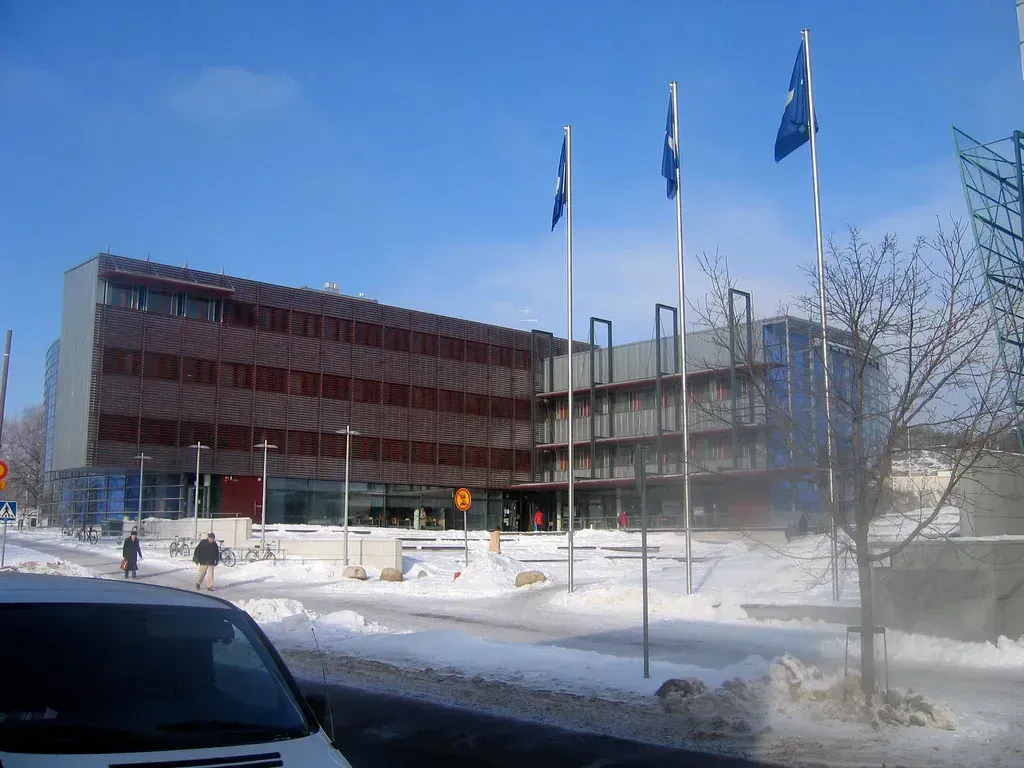
Finland presents an interesting scenario for students. Education is free at all levels for pupils and students, with no tuition fees from pre-primary until higher education. That sounds perfect until you dig deeper into the details. Programs are tuition-free for students coming from European Union, EEA countries and Switzerland, while non-EU/EEA students registering in English-taught programs are required to pay tuition fees.
Here’s where it gets intriguing. Programs taught in Finnish or Swedish are free for all international students, so if you’ve learned Finnish, you can take advantage of the educational services in Finland for free. Think about that for a moment: learn the language, and doors swing wide open without cost.
If you are a non-EU/EEA student, you can expect to pay between four thousand and eighteen thousand euros per year, depending on the degree and university, though Finnish universities are legally required to offer scholarship opportunities. Many universities provide generous scholarships covering up to full tuition for qualified non-European students. Finnish education consistently ranks among the world’s best, so the investment in language learning or securing scholarships could pay substantial dividends. Universities like the University of Helsinki and Aalto University combine academic rigor with innovation that rivals institutions anywhere globally.
Austria: Alpine Beauty Meets Affordable Access
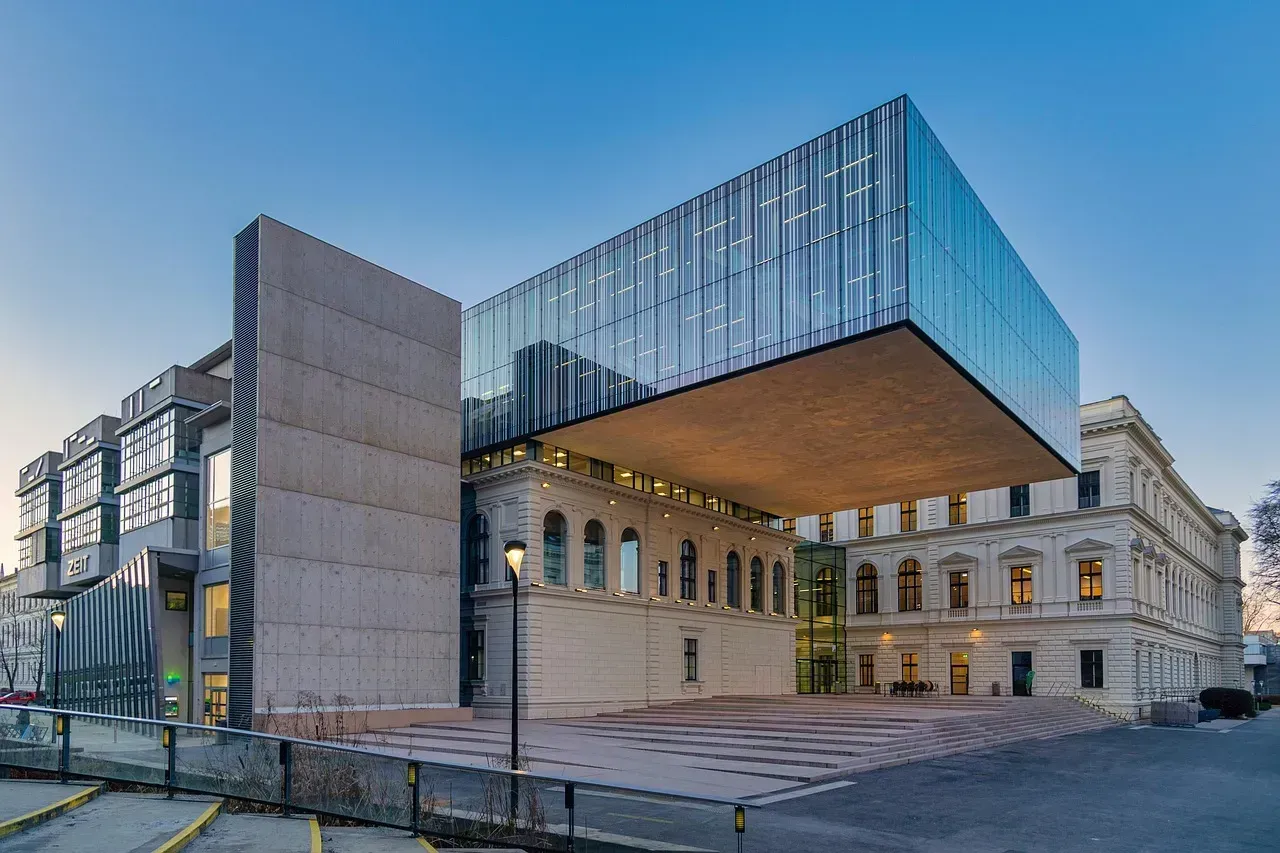
Austria flies somewhat under the radar compared to its Nordic neighbors. When talking about studying abroad in Austria, the first thing that shocks people from all over the world is that it is actually free for students coming from the European Union, the European Economic Area, and Switzerland. The country boasts stunning landscapes, rich cultural heritage, and universities steeped in centuries of academic tradition.
For EU/EEA students education is free of charge, while for non-EU/EEA students it costs about 1,452 euros per academic year, and all students have to pay the student union membership and students accident insurance fees, which cost around 20 euros per semester. Even for non-European students, roughly fifteen hundred euros annually represents a fraction of what you’d pay elsewhere.
Tuition at public universities in Austria is free for EU, EEA, and Swiss students and charges about 726 euros per semester for non-EU students, with some public universities like the University of Vienna free for developing countries as well. Universities like the University of Vienna, founded in 1365, and the Technical University of Vienna offer programs spanning humanities, sciences, engineering, and arts. The quality rivals prestigious institutions worldwide, yet the financial barrier remains remarkably low. Austria also provides vibrant student life with cultural activities, mountain adventures, and a central European location perfect for exploring neighboring countries.
Czech Republic: Hidden Gem of Central Europe

The Czech Republic doesn’t make headlines like Germany or Norway, but it quietly maintains one of Europe’s most accessible higher education systems. State universities in the Czech Republic do not charge international students with tuition fees for Ph.D. degrees and in some cases for bachelor’s and master’s degrees as well. The key condition? Programs taught in Czech language are typically free for all students, regardless of nationality.
Charles University in Prague, founded in 1348, stands as one of the world’s oldest universities. Students can pursue degrees in medicine, law, sciences, and humanities without tuition costs if they study in Czech. English-taught programs do charge fees, but they remain considerably lower than Western European or North American standards. Living costs in Prague and other Czech cities run significantly below those in Germany or Austria, making the overall experience remarkably affordable.
The Czech Republic offers something unique: a blend of Central European charm, historical richness, and modern academic standards. Prague itself is a stunning city where Gothic architecture meets contemporary innovation. For students willing to invest time learning Czech or enrolling in affordable English programs, the country represents exceptional value. The beer’s pretty good too, if we’re being honest.