The Nations Producing the Most Crops for Export, Data Confirms
The global agricultural landscape has undergone dramatic shifts over the past few years, with certain nations emerging as undisputed leaders in crop export production. Recent data from international trade organizations reveals fascinating patterns about which countries are feeding the world and dominating export markets. These agricultural powerhouses are not just producing massive quantities of crops, but they’re also strategically positioned to capitalize on growing global demand for food security.
United States Maintains Its Agricultural Export Dominance
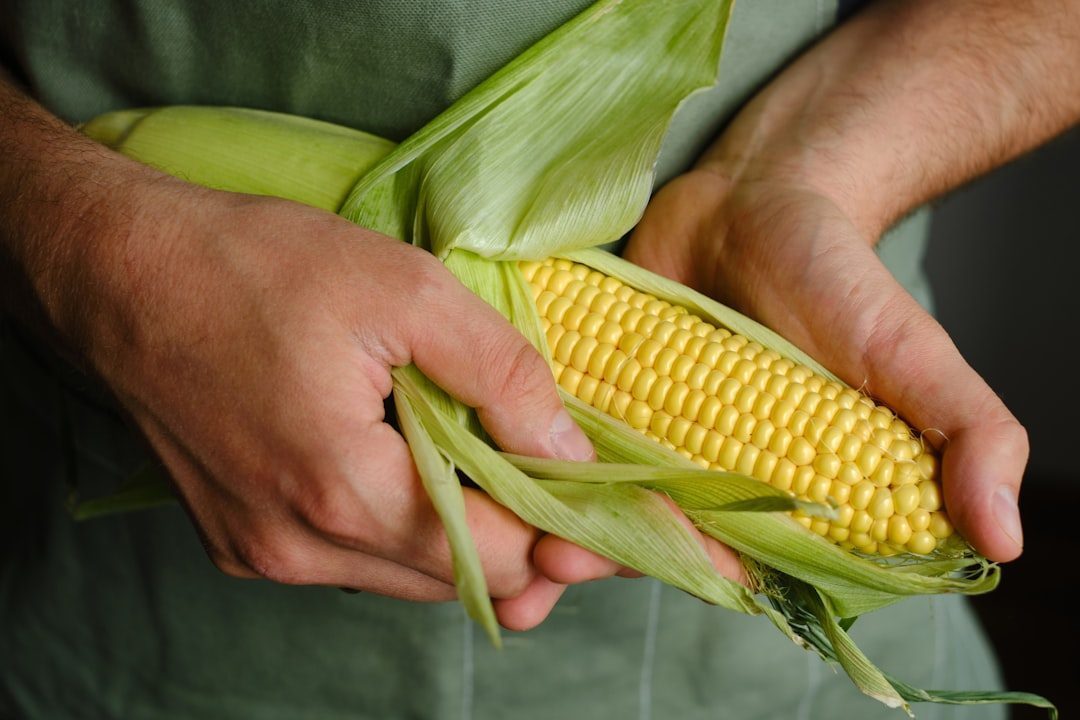
The United States remains one of the world’s largest agricultural exporters, with recent data showing it accounts for a significant share of global agricultural exports. The US is the number one corn exporter in the world, with particularly impressive performance in corn exports. U.S. corn production forecasts continue to show strong export potential, with the US maintaining its position as the world’s leading corn exporter. According to the US export data, the total value of US corn exports reached $14.34 billion in 2024, a 5% increase from the previous year, with the US exporting 2.55 billion bushels of corn in 2024-25.
Brazil Emerges as the Global Soybean Powerhouse
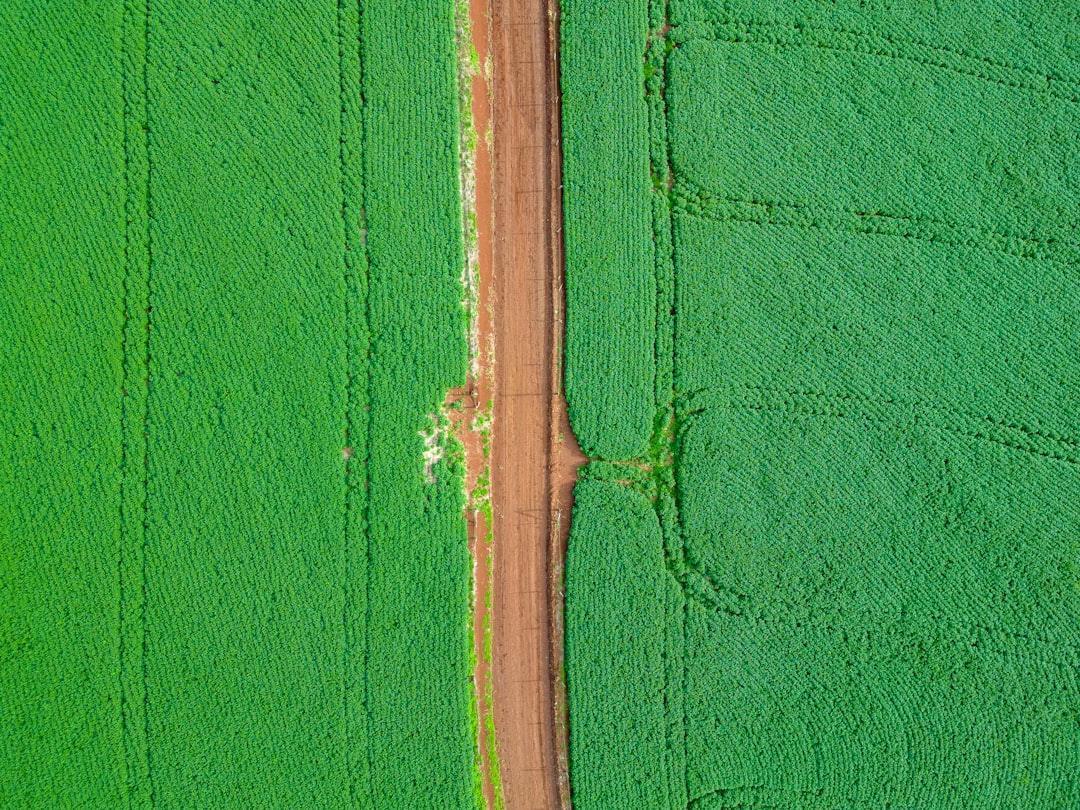
Brazil has cemented its position as the world’s leading soybean producer and exporter. It has significantly increased its soybean export volumes, with recent data showing substantial growth in export quantities compared to previous years. Brazil’s ostensibly unstoppable growth in soybean plantings over the past 25 years has solidified the country as the world’s primary source of soybeans, accounting for 58% of all international trade. According to the December 2024 Conab report, production was expected to reach 166.328 million tons – an increase of 12.6% over the previous harvest and 6.7% above the country’s all-time record. The country’s agricultural success demonstrates how strategic expansion and favorable growing conditions have transformed it into a global export leader.
Russia Dominates the World Wheat Market
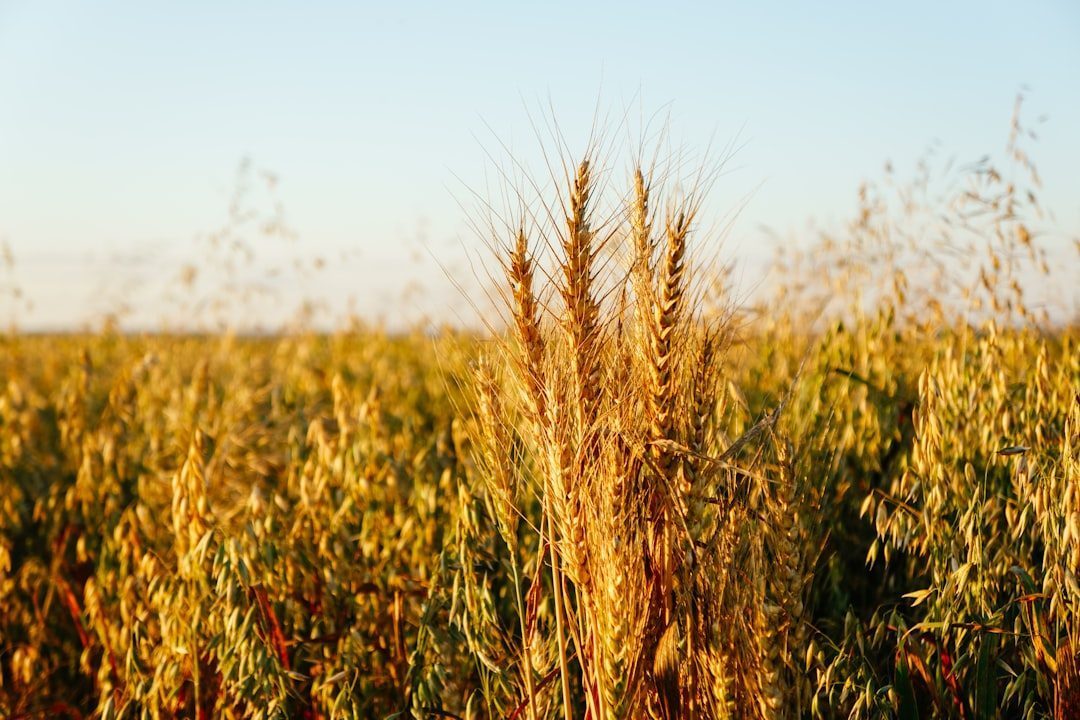
Russia has established itself as the undisputed leader in wheat exports globally. Based on early 2022 export volumes, Russia has established itself as one of the world’s leading wheat exporters, with recent data showing it accounts for a significant portion of global wheat trade. The country cultivates nearly 23 million hectares of land, with grain agriculture occupying roughly half of the farmed land area and accounting for 70% of the country’s grain production, with wheat standing out as Russia’s most important food crop. This massive production capacity has positioned Russia as a critical player in global food security, particularly for regions that depend heavily on wheat imports.
Indonesia Leads Global Palm Oil Production
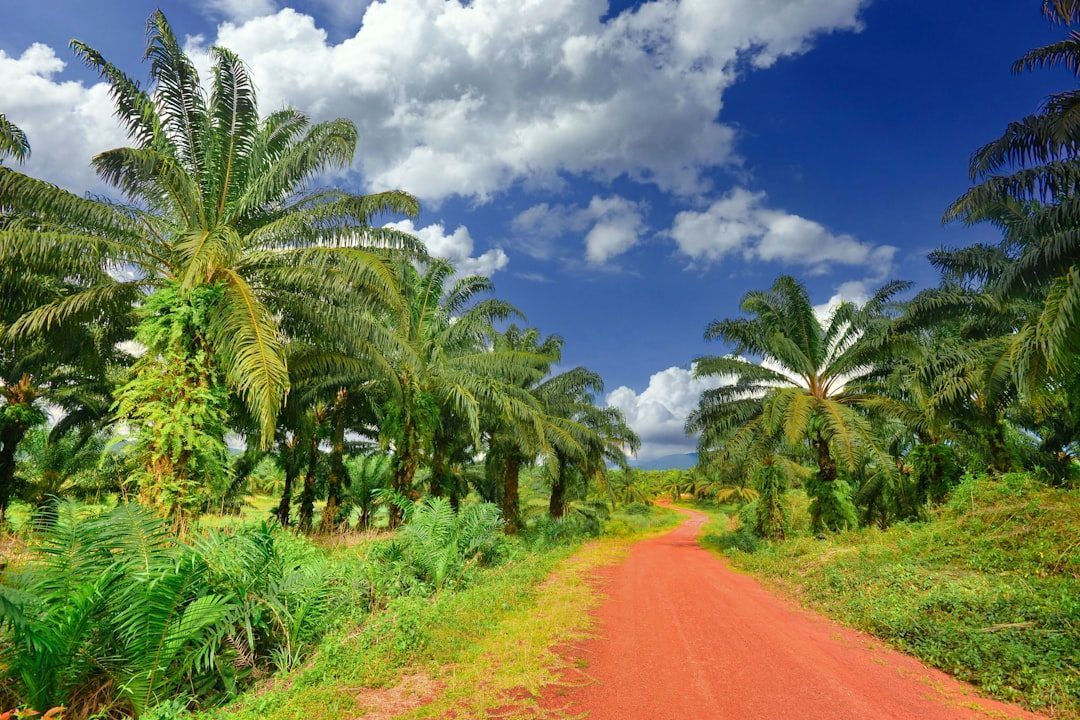
Indonesia has established complete dominance in the global palm oil market, a commodity essential for food production, cosmetics, and biofuels worldwide. Indonesia is the world’s largest exporter of palm oil, which is used globally in food products, cosmetics, and biofuels. The leading countries for palm oil exports were Indonesia and Malaysia, though Indonesia maintains the dominant position. 60 percent of oil palm fruit production originated in Indonesia, highlighting the country’s overwhelming control of this critical agricultural commodity. Indonesia’s tropical climate and extensive plantation systems have created an almost monopolistic position in this vital export market.
China’s Agricultural Production Influences Global Markets
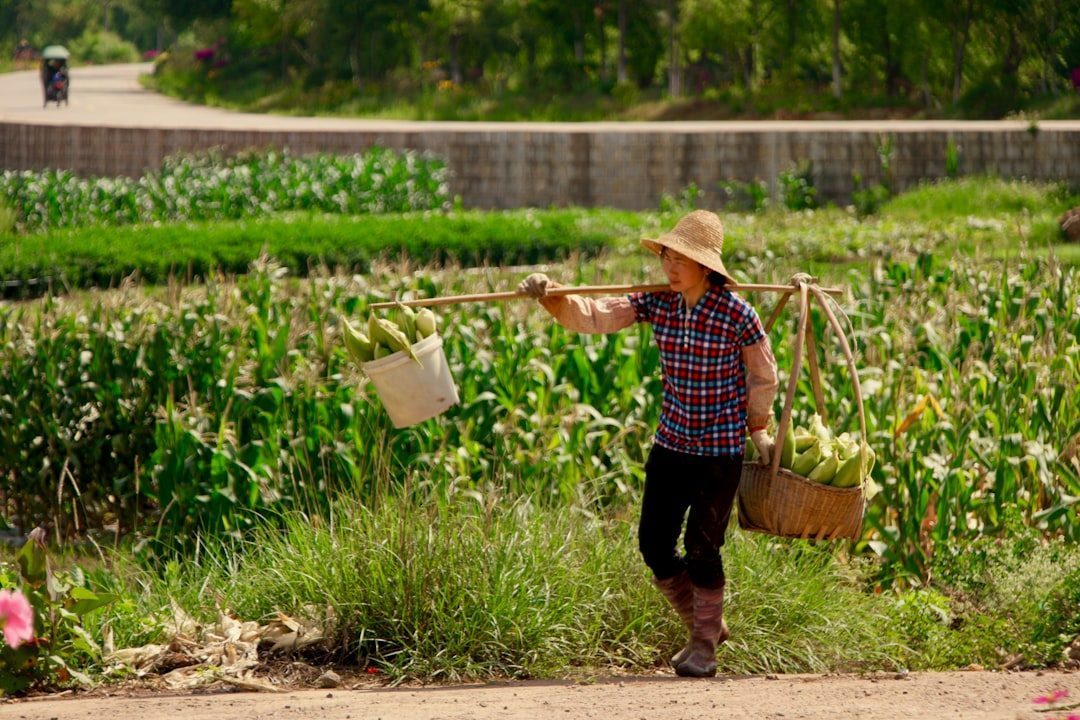
While China is often viewed primarily as an importer, the country remains a massive producer of several key crops that impact global markets. China ranked in the top three producers for five out of the six main crop commodities, producing 26-27 percent of the world output of potatoes and rice and 17 percent of the world output of wheat. The countries with the largest agriculture, forestry and fishing sector in terms of value added in 2022 are China, India and the United States of America. However, China’s role is increasingly that of a major consumer rather than exporter, which creates opportunities for other nations to fill the export gap.
Argentina Specializes in Soybean Processing Products
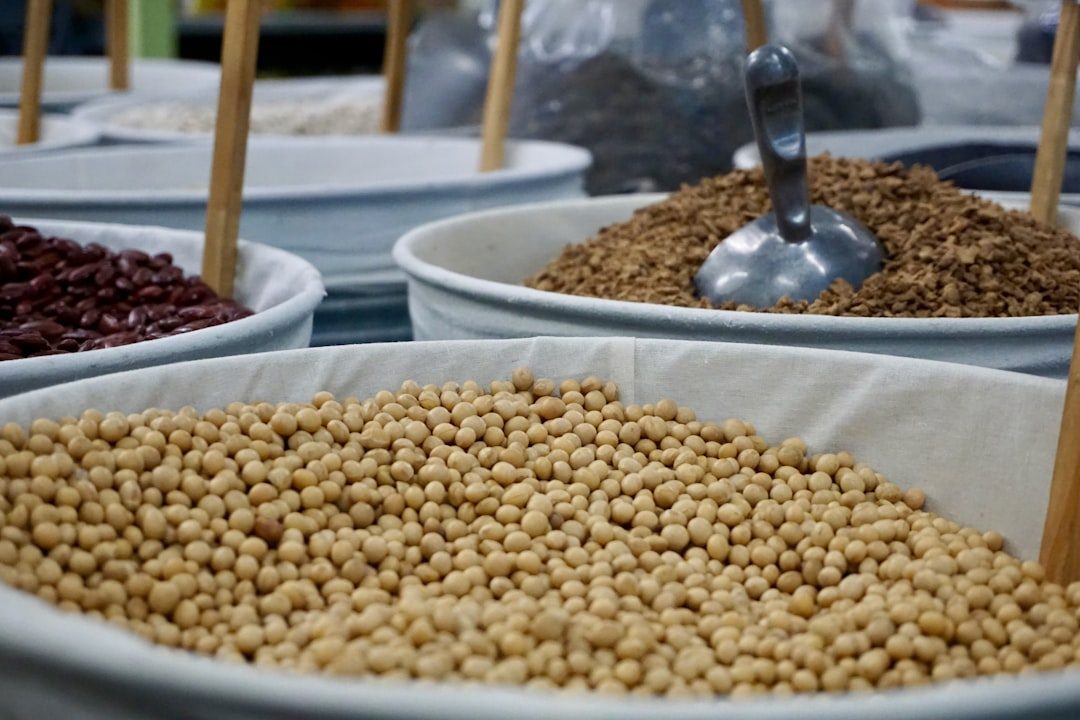
Argentina has carved out a unique position in global agricultural exports by focusing on processed soybean products rather than raw soybeans. World soybean production is led by Brazil, with Argentina in third place in the ranking, although it is the main exporter of by-products, soybean meal and soybean oil. This strategic specialization allows Argentina to capture higher value-added exports while competing effectively in global markets. Argentina mainly exports soybean meal and oil to Europe and India, respectively, while soybean exports are largely led by Brazil, with China as the main destination.
Ukraine and Russia Control Sunflower Oil Exports

The sunflower oil market demonstrates how geopolitical factors can impact agricultural trade patterns. Ukraine and the Russian Federation were the top two exporters of sunflower-seed oil. This concentration in Eastern Europe has made global sunflower oil markets particularly vulnerable to disruptions from regional conflicts. India and Türkiye kept their positions as the largest and second-largest importers of sunflower-seed oil, respectively, while China surged to become the third-largest importer in 2023, with a remarkable 150 percent increase. The war in Ukraine has significantly altered these traditional trade patterns, forcing importers to seek alternative suppliers.
Mexico Leads Global Avocado Exports
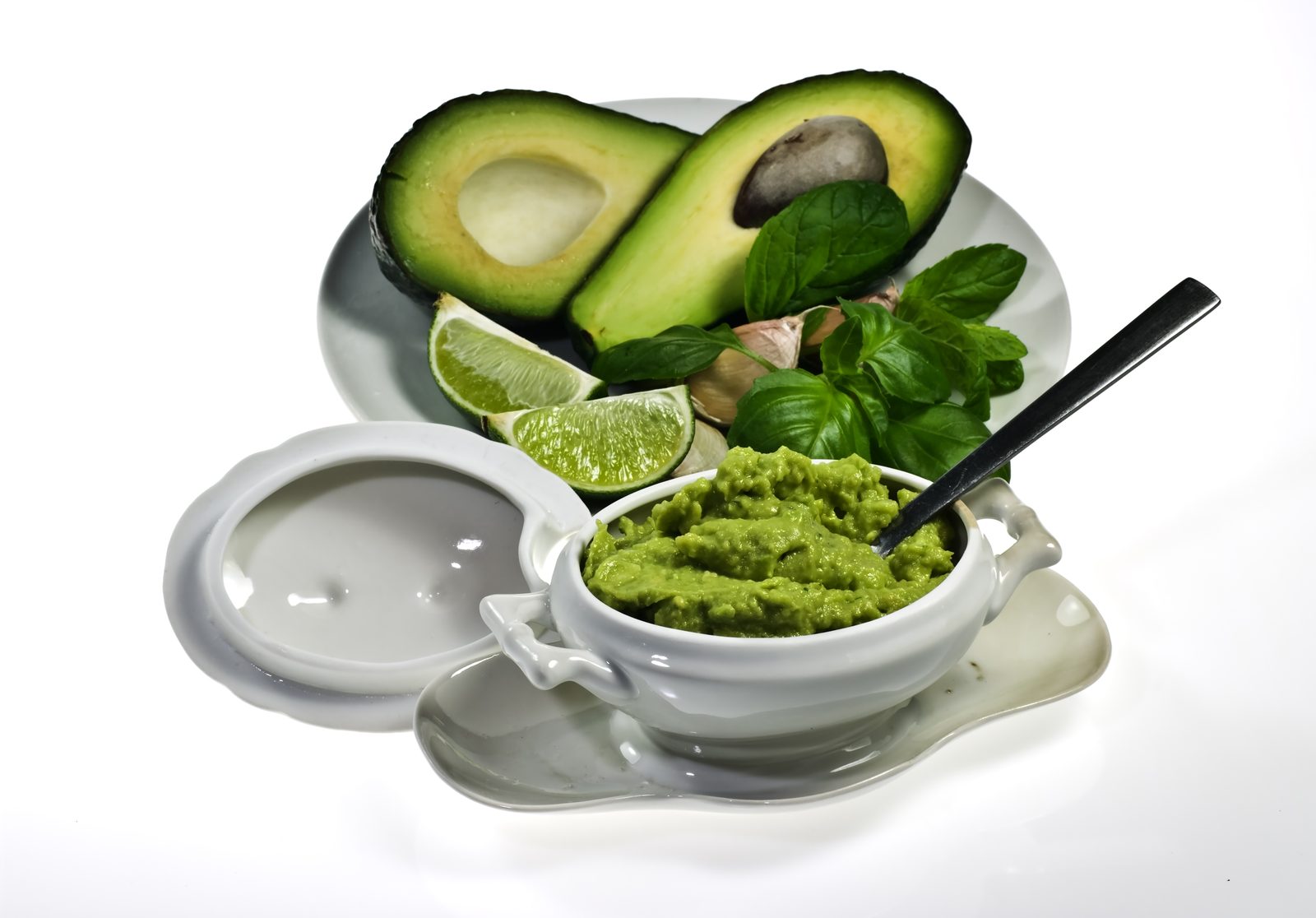
Mexico has achieved remarkable dominance in specialty crop exports, particularly in high-value produce items. Mexico plays a vital role in global agricultural exports, contributing over $40 billion annually to the international market, known for its high-quality produce. The country is particularly known as the largest global supplier of avocados, a commodity often called “green gold”. Mexico’s top agricultural exports include avocados, berries such as strawberries, blueberries, and raspberries, and tequila, along with other significant exports including tomatoes, citrus fruits, and peppers.
India Emerges as a Diverse Agricultural Exporter
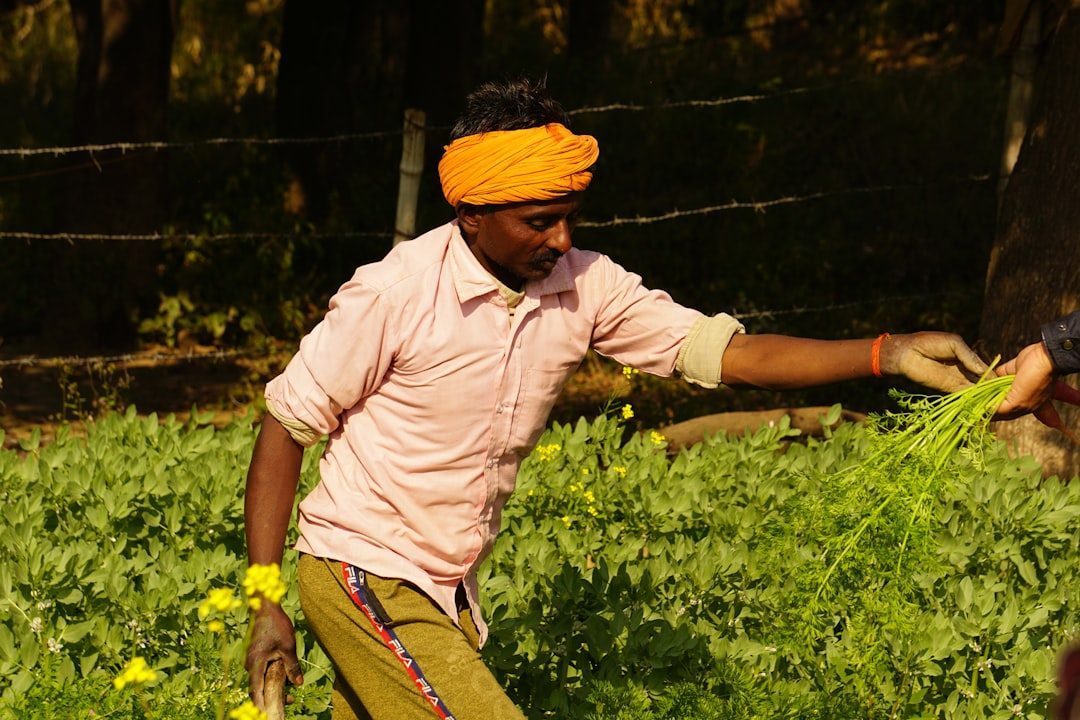
India has positioned itself as a significant player in global agricultural exports through its diverse production capabilities and cost advantages. India’s agricultural strength lies in its vast arable land, diverse crop base, and cost-effective production. The government actively supports exports through policies and incentives, further boosting the sector. For importers, India offers a wide range of high-quality agricultural products at competitive prices, making it a valuable trading partner. India’s approach demonstrates how developing nations can leverage their agricultural resources to become competitive in global markets.
Philippines Dominates Global Banana Exports
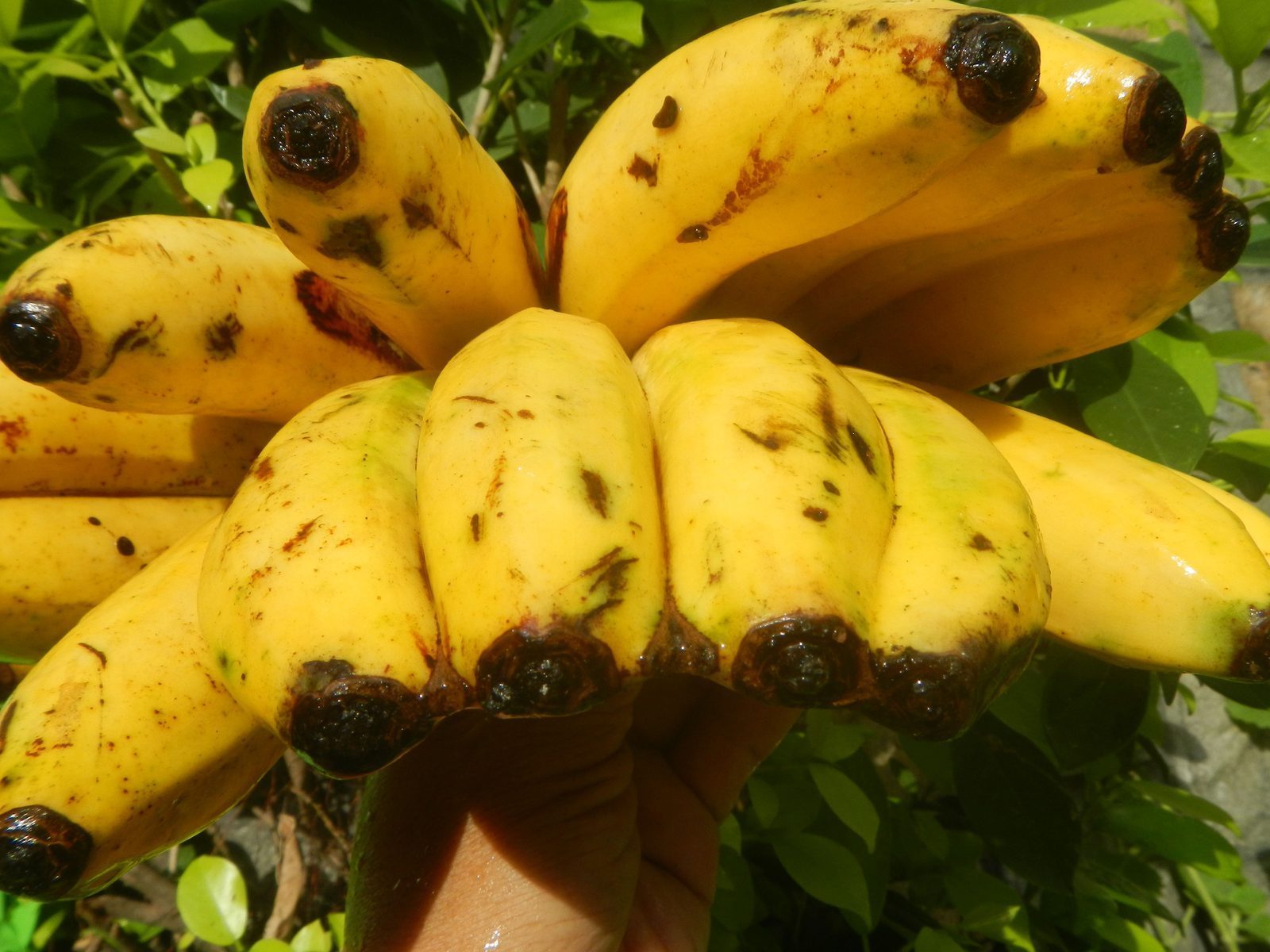
The Philippines has established itself as a major force in tropical fruit exports, with bananas leading the way. The Philippines is one of the largest exporters of bananas globally. Extensive banana production started in the Philippines in the late 20th century when the government permitted land sales to foreign investors who created enormous banana plantations, with the nation producing millions of tons of bananas, which amount to more than $1.5 billion every year. This success story illustrates how strategic foreign investment and favorable growing conditions can transform a country’s agricultural export profile.
Recent data confirms that agricultural export leadership is increasingly concentrated among a select group of nations that have leveraged their natural advantages, invested in infrastructure, and developed strategic specializations. Recent data shows global agricultural exports have reached record levels, with significant growth compared to previous years, with the top 20 supplier countries collectively accounting for 69.8% of global food exports. These statistics reveal the remarkable concentration of agricultural export power and highlight how certain nations have become indispensable to global food security through their crop production capabilities.