The “Passport Pattern” That’s Getting Travelers Denied Boarding at the Gate
Standing at the departure gate with tickets in hand should be the exciting moment when your journey begins. Yet for thousands of travelers each year, this moment turns into a nightmare when airline staff refuse to let them board. The reason? Something called the passport pattern problem.
It’s a term that doesn’t officially exist in travel regulations, yet it’s silently disrupting trips across the globe in 2024 and 2025. These seemingly minor passport issues are catching experienced travelers completely off guard at airport gates.
The Six-Month Validity Trap
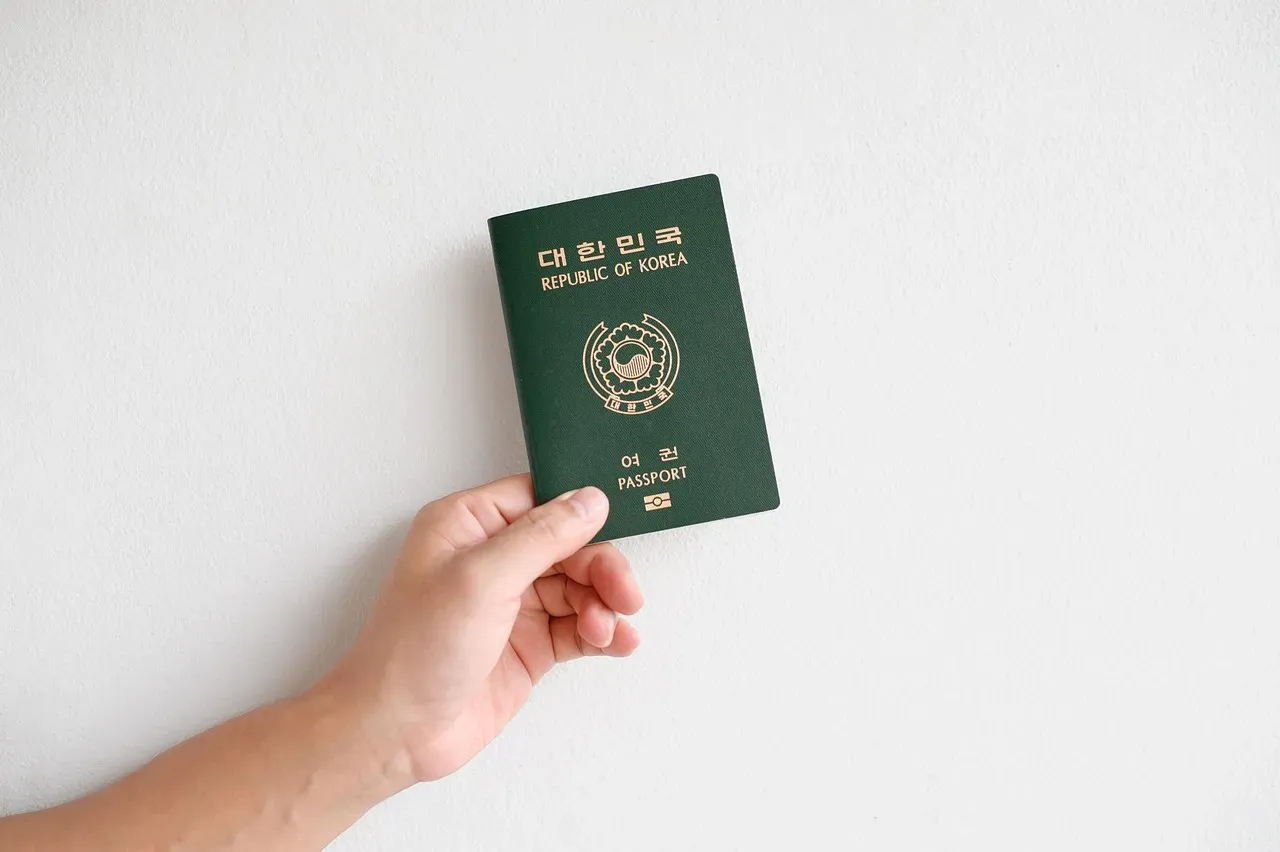
Many countries enforce what’s known as the six-month passport validity rule, a requirement that your passport remain valid for at least six months beyond your date of entry. Failing to meet this rule can result in denied boarding or being turned away at immigration. Here’s the thing, this rule isn’t universal, which creates massive confusion at check-in counters.
In September 2024, British Airways staff incorrectly told a UK passenger she needed at least six months left on her passport to enter the United States, even though the United States only requires a passport to be valid until the date of departure. British passports must be less than ten years old on the day of entry to EU countries and have at least three months of validity after the planned departure date from the EU. Airlines carry the financial burden if they allow someone to board who gets denied entry, so gate agents often err on the side of extreme caution.
Having a passport that is valid five months and twenty-two days beyond your travel date will get you turned away at the boarding gate if six months is required. The rules really are that strict. Let’s be real, most travelers assume their passport is fine as long as it hasn’t expired yet.
Water Stains and Physical Damage
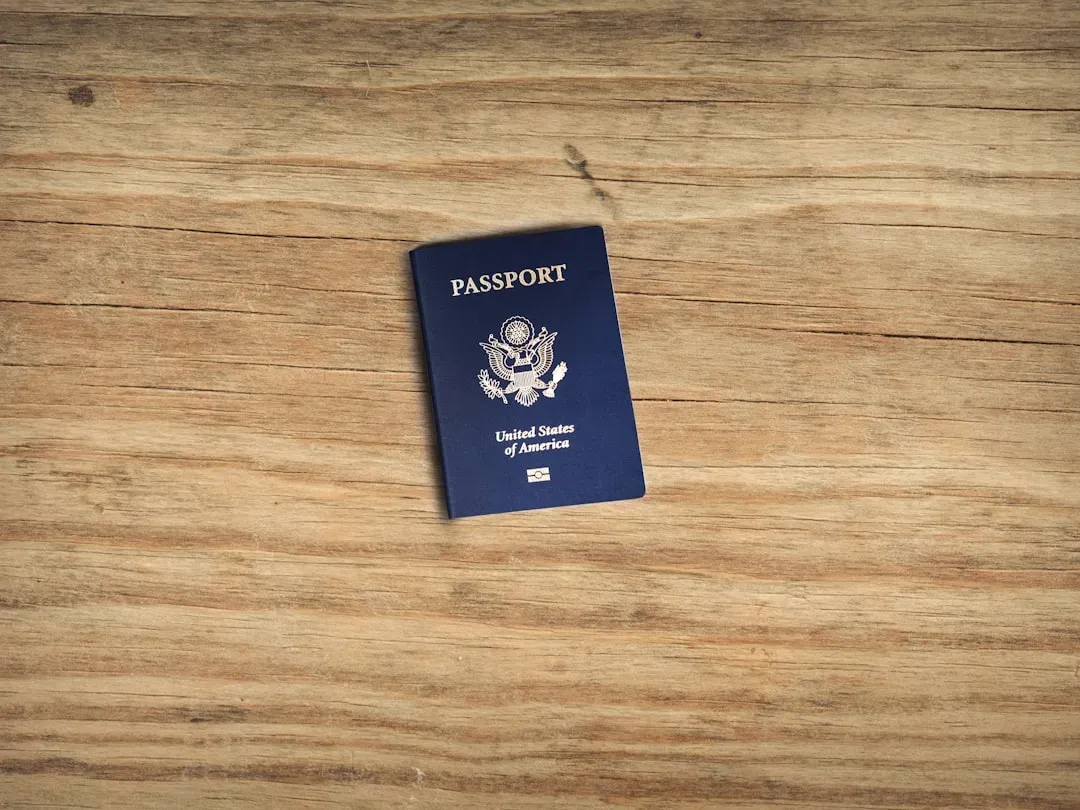
Passports exposed to water, coffee, or ink can become unreadable, and in one study, 65% of airline staff noted that water-damaged passports fail automated scanning machines at airports. There’s a recent example of a passenger being denied boarding at a UK airport, because of a slight ink stain on the passport. Even something as innocent as a coffee ring can trigger rejection.
The U.S. State Department warns that any significant damage beyond everyday wear and tear, such as a torn page, laminate peeling, or unauthorized markings like stickers or stamps, can lead to delay or denial of boarding. Airlines and border officers often have different thresholds for what they consider acceptable, and passengers were denied boarding simply because of a small tear or water stain.
Airlines may deny boarding, as some countries now have zero tolerance policies around damage to passport, with Vietnam and Jordan among those following suit.
The Blank Page Problem Nobody Talks About
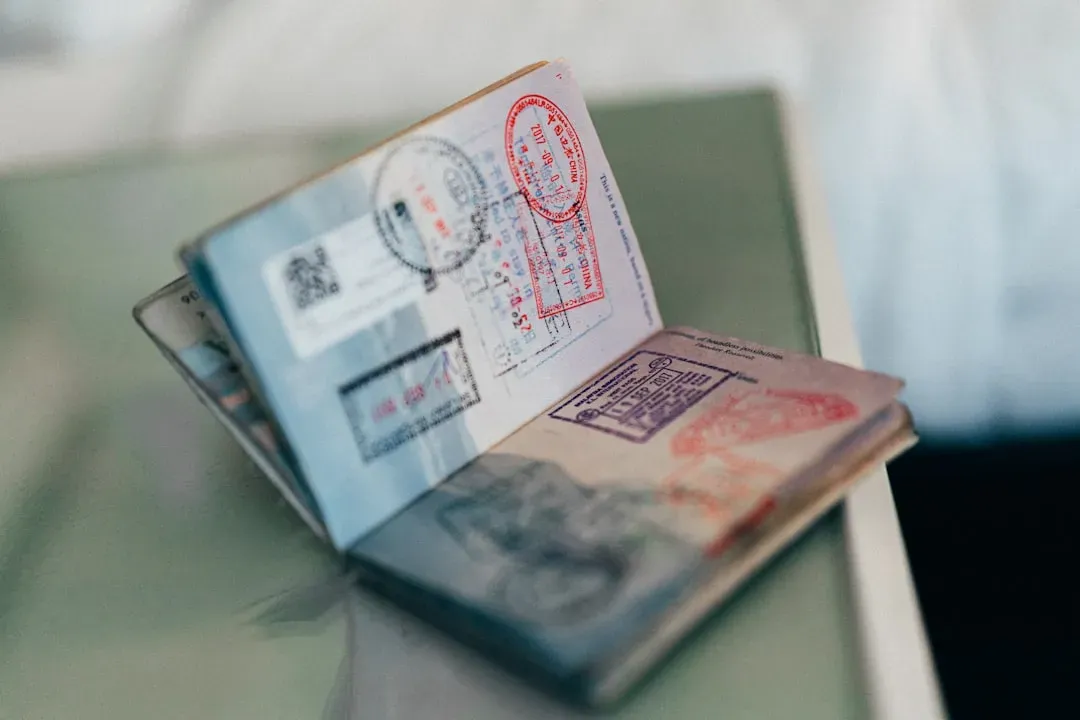
One rule many travelers miss is needing an adequate number of blank pages in their passport for visas, and entry and exit stamps. Some countries require passports to have at least two to four blank visa or stamp pages, and thus, some airlines will not allow you to board if this requirement is not met. Honestly, this one catches frequent travelers by surprise more than anyone else.
Italy, Portugal, Singapore, Germany, India, Belgium, South Africa, the Netherlands, Cuba, Iceland, Zimbabwe and Indonesia require two blank pages, while countries that require one page include France, Japan, Mexico, Greece, Thailand, Australia, Morocco, Argentina and Vietnam, among others. According to a 2023 survey of international airlines, 87% reported denying boarding at least once due to missing pages, and passengers with more than one damaged page are particularly at risk.
The problem intensifies when you’re visiting multiple countries on one trip. Each destination eats up pages faster than you’d expect.
Damaged Chips and Technical Failures
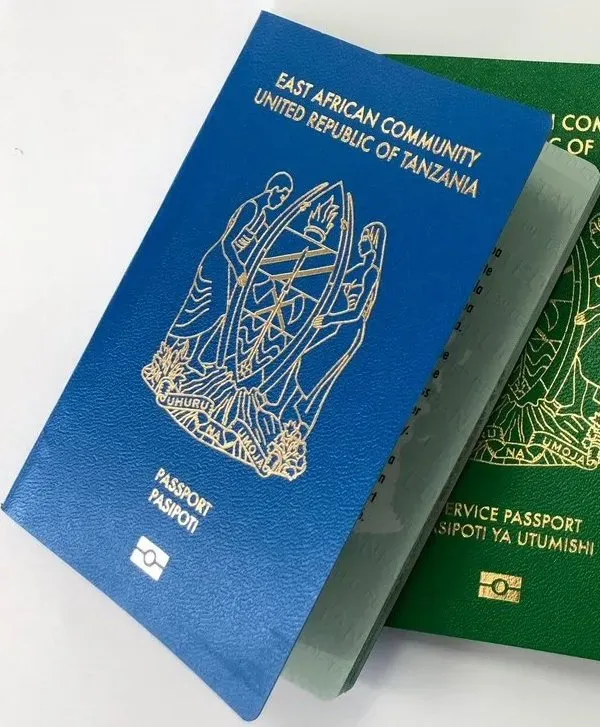
E-passports contain RFID chips storing biometric data, and airlines and immigration systems check chip functionality; a damaged chip can cause rejection, with a 2023 survey finding 55% of airlines reported boarding delays due to non-functional chips. These chips crack from pressure, extreme temperatures, or just being tossed around in luggage too many times.
Chips cracked from mishandling or extreme pressure prevent electronic scanning, forcing manual verification that can take 15 to 30 minutes per passenger. Airlines have nothing to gain and everything to lose by taking any risks, because if a passenger is denied due to a damaged passport, the passenger must be returned home on the next available flight at the airline’s expense, and the airline gets fined.
Immigration officers at your destination might be lenient, yet airlines can’t take that gamble. They face penalties and costs if you get turned away abroad. That’s why gate agents scrutinize passports with an intensity that feels excessive until you understand the stakes they’re facing.
What Happens When You Get Denied

In 2023, around 25,000 passengers were denied boarding on U.S. flights, which equates to about 29 passengers per 1 million. The financial and emotional toll on travelers can be devastating. When denied boarding, travelers lost days of their trips and had to rebook with different airlines.
Travelers denied boarding because of a damaged passport are often not entitled to a refund under airline policies or federal regulations. Most travel insurance clauses state very clearly that it is your responsibility to ensure that you have appropriate documents to travel, so if you have a damaged document and you are denied boarding, you are on your own financially.
If you discover the damage before leaving the United States, your best option is to contact a regional passport agency immediately, as these agencies have the ability to issue same-day passports in cases of imminent travel, provided you can show proof of an international departure within fourteen days. The lesson? Check your passport weeks before departure, not the night before. Inspect every page for tears, stains, peeling laminate, or anything that looks remotely questionable. Make sure you understand the specific entry requirements for every country on your itinerary, not just your final destination.
Did you check your passport lately? What would you do if they stopped you at the gate tomorrow?