The Retirement Boredom Myth: Why 40% of Retirees Quietly Go Back to Work
Picture this: you’ve spent decades dreaming about retirement. No more alarms, no more commutes, just endless days of freedom. You finally get there, and then… what? For a growing number of retirees, that question becomes impossible to ignore. The reality is that retirement doesn’t always live up to the fantasy, and a surprising number of people are doing something about it.
The Numbers Don’t Lie: Unretirement Is Booming

The top reasons seniors plan to return to work include increasing cost of living (69%), boredom (42%), and rising housing costs (39%), according to a 2024 ResumeBuilder survey. Let’s be real, that boredom stat is huge. Nearly half of people who went back to work did so because retirement was just… boring.
In the U.S., older workers are re-entering the workforce at unprecedented levels. According to recent data, 191,000 men over 70 rejoined the workforce in September, and another 144,000 in October. A record-breaking 3.15 million men over 70 are now working in the U.S. Think about that for a second. We’re not talking about people in their early sixties testing the waters. These are folks well into their seventies choosing to clock back in.
When the Dream Turns Into a Nightmare
Honestly, I think we’ve built up this fairy tale image of retirement that doesn’t match reality for most people. For many, retirement turns out to be pretty boring. People have this big, grandiose dream of retiring and never having to work again and yet three months into retirement they realize they don’t like all the extra free time they have. They just want to be important again.
That last part hits hard. After spending three or four decades being needed, contributing, solving problems, suddenly you’re just… there. Many seniors are choosing to remain employed not just for financial reasons, but because they still feel a strong desire to contribute in meaningful ways. This desire goes beyond just income; it fulfills a need for social interaction, structure, and purpose. In our survey, 42% of respondents reported working to avoid boredom.
The Social Connection Crisis Nobody Talks About
Here’s something that caught me off guard: The loss of community and routine is another major driver behind unretirement. In fact, 45% of retirees that returned to work did so for social and emotional benefits, according to T. Rowe Price data. You spend thirty-plus hours a week with coworkers, building relationships, sharing coffee breaks and inside jokes. Retirement strips that away overnight.
Women and single retirees are more likely to cite income as the primary motivator for working into retirement, while men were more likely to cite social connections as a motivator to return to work. The gender divide here is fascinating and tells us something important about how different groups experience retirement.
Research shows the stakes are high. Social isolation and loneliness have been linked to higher risks for a variety of physical and mental conditions: high blood pressure, heart disease, obesity, a weakened immune system, anxiety, depression, cognitive decline, Alzheimer’s disease, and even death.
The Financial Reality Check

Let’s talk money, because it matters. An increase in the cost of living is the top reason one in eight retired seniors are likely to return to work in 2025. Inflation doesn’t care that you’re retired. Your grocery bill still climbs, your property taxes still increase, your healthcare costs keep rising.
One out of every 5 respondents reported they had returned to work due to rising expenses. Indeed Flex reported its usage among people age 62 and older had grown 70 percent compared with January 2024. That seventy percent jump in one year should tell you everything about how dire the financial pressure has become for seniors.
The hard truth? 79 percent of Americans agree there indeed is a retirement crisis. More than half of Americans (55 percent) are concerned that they cannot achieve financial security in retirement.
The Mental Health Benefits of Working
This might sound counterintuitive, but work can actually be good for you. Unretirement isn’t just about financial health. It’s also good for mental and emotional well-being. Older adults who return to work often experience improved mood, reduced stress, and a greater sense of purpose.
Roughly half (48%) of those working in retirement felt they needed to work for financial reasons, while a similar portion (45%) chose to work for social and emotional benefits. The split is nearly even, which destroys the assumption that everyone going back is just desperate for cash.
Volunteering reduces the risk of depression by 43% among seniors, according to research published in the Journal of American Geriatrics Society. Whether it’s paid work or volunteering, staying engaged matters enormously for mental health.
The Planning Paradox: Was This Always the Plan?

Here’s where things get interesting. Most unretirements were planned prior to retirement, and unretirement is not a result of financial shocks, poor planning or low wealth accumulation. Wait, what? So people actually intended to go back to work all along?
A T. Rowe Price study found an increasing number of employees are indicating a desire to work, with 57% of pre-retirees stating they want to continue working in some form upon reaching the traditional retirement age of 65. More than half already know they want to keep working before they even retire. The traditional model of working until sixty-five and then stopping cold just doesn’t fit how people actually want to live.
Age Discrimination: The Elephant in the Room

Going back isn’t easy, though. Approximately 31% of seniors thinking of going back to work say they are highly concerned about age bias, and 35% are somewhat concerned. Nearly two-thirds worry that their age will hurt their job prospects, and honestly, they’re probably right to worry.
Among respondents who believe finding a job would be difficult, one-third (34%) blame age discrimination as the reason for their anticipated difficulty. This is by far the most common response, according to AARP research. Companies talk a big game about diversity and inclusion, but ageism remains stubbornly persistent.
Remote Work Changes Everything

The 2020 pandemic did bring one silver lining for older workers. Those who are driven to return to the workforce due to financial considerations often favor remote work, especially if they face mobility challenges, disabilities, or caregiving responsibilities. Remote roles offer them flexibility and convenience that align with their physical and personal needs.
Indeed Flex usage among people age 62 and older had grown 70 percent compared with January 2024. Remote and flexible options are making it possible for people to work who might not otherwise be able to handle a traditional office setup. It’s hard to say for sure, but this flexibility might be what tips the scales for many considering unretirement.
The Geography of Unretirement
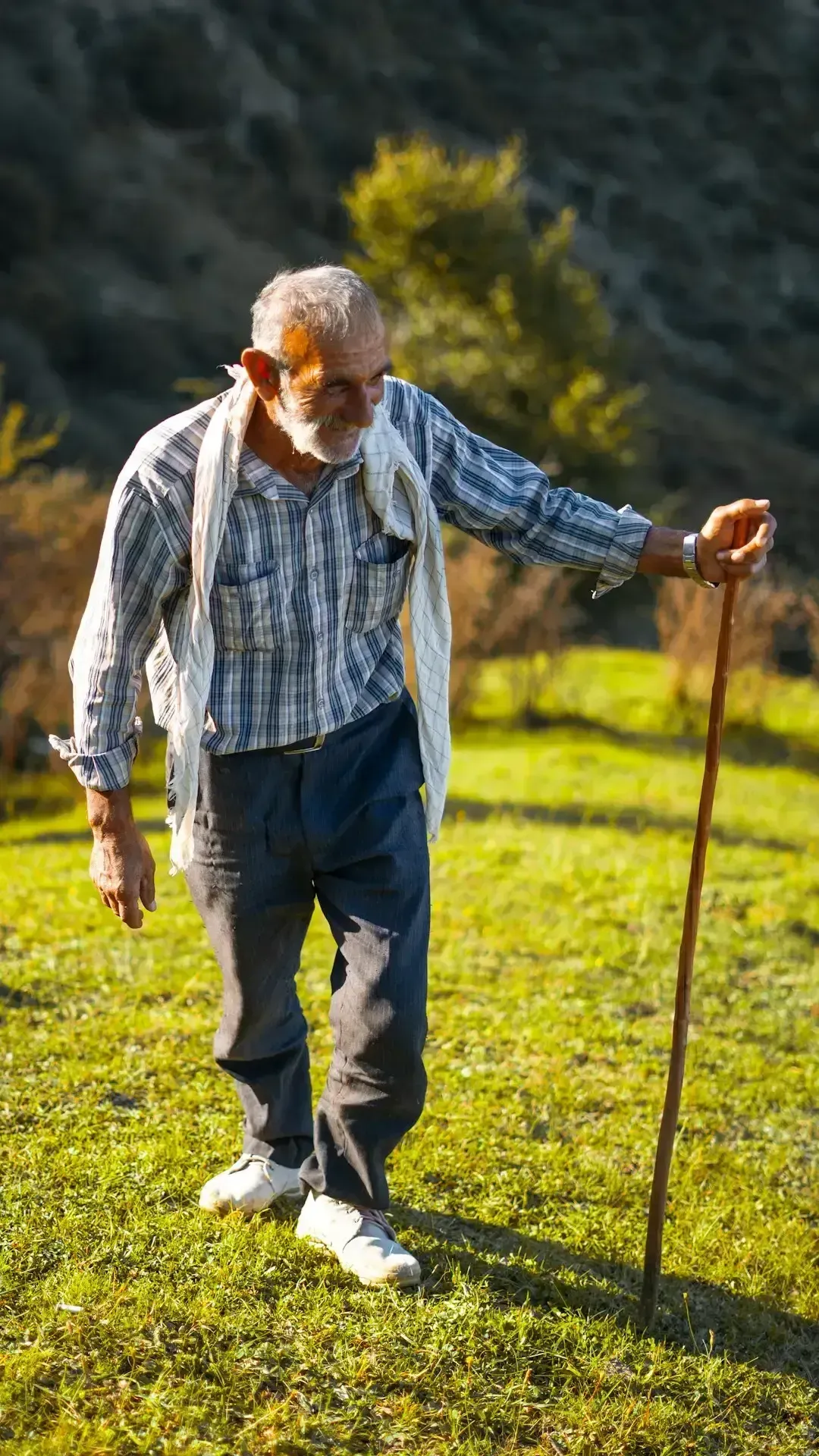
Not all states are experiencing this trend equally. The states with the highest shares of workers aged 65 or older include Nebraska (26.8%), Vermont (25.6%), and Iowa (24.7%). Meanwhile, 19% of adults aged 65 or older were employed in 2023 nationally, according to Pew Research.
Regional differences matter because cost of living, healthcare availability, and job opportunities vary dramatically by location. Someone in rural Iowa faces a completely different retirement landscape than someone in metropolitan Maryland.
What This Means for the Future

19% of adults 65 and older are in the workforce today. Projections indicate that by 2031, employees 55 and older will account for 25% of the global workforce. Japan is expected to lead the way, with 38% of its total workforce aged 55 and older. The trend is global and accelerating.
The long-held assumption that seniors should retire in their 60s is quickly becoming outdated. Today, there is no set retirement age for those who wish to continue working or re-enter the workforce. We’re witnessing a fundamental shift in how society thinks about work, age, and retirement. The old model is dying, and what replaces it looks a lot more flexible, individualized, and frankly, more human.
Whether retirees are returning for money, meaning, or simply to escape the monotony, they’re rewriting the retirement playbook. And maybe that’s exactly what we needed all along.
What do you think drives people back to work after retirement? Is it mostly financial, or is there something deeper going on?