These 6 Dishes Are Cheaper to Order Out Than Make at Home
Let’s be real here. We’ve all been fed that line about how cooking at home always saves money compared to eating out, right? It sounds good in theory. You buy the ingredients, you make the meal, you save a fortune. Simple math. Except sometimes the math doesn’t quite work out that way. There are certain dishes that, when you actually sit down and calculate everything from specialized ingredients to time to equipment, you might realize you’re better off just picking up the phone and placing that order.
I know it sounds counterintuitive. According to USDA data, the cost of food at home rose 1.2% in 2024, while the cost of food away from home rose 4.1%, which makes dining out seem like the more expensive option across the board. Yet, for certain dishes, the initial investment and complexity can actually tip the scales in favor of takeout. Not every meal follows the same rules, and some require such specific ingredients, equipment, or expertise that your wallet might thank you for just supporting your local restaurant instead.
Pizza With All the Fancy Toppings

Pizza orders from restaurants can easily reach $20 to $25 for two people, while the cost of ingredients like oil, flour, yeast, cheese and tomato sauce can come in at under $6 for a basic 12- to 14-inch homemade pizza. That sounds like a win for homemade, sure. The thing is, that calculation only works for a plain cheese pizza with basic toppings.
Once you start adding specialty ingredients like fresh mozzarella, prosciutto, arugula, truffle oil, or artisan sausages, the costs skyrocket. 55% of respondents saved money just by a switch to frozen pizza from the grocery store versus pizza from a restaurant, but that’s comparing frozen to restaurant, not scratch-made gourmet pizza. When you factor in that you probably can’t buy just one slice of prosciutto or a small bottle of truffle oil, suddenly that delivery option starts looking pretty reasonable. You’re stuck with leftover ingredients that might not get used again for months.
Authentic Sushi Rolls
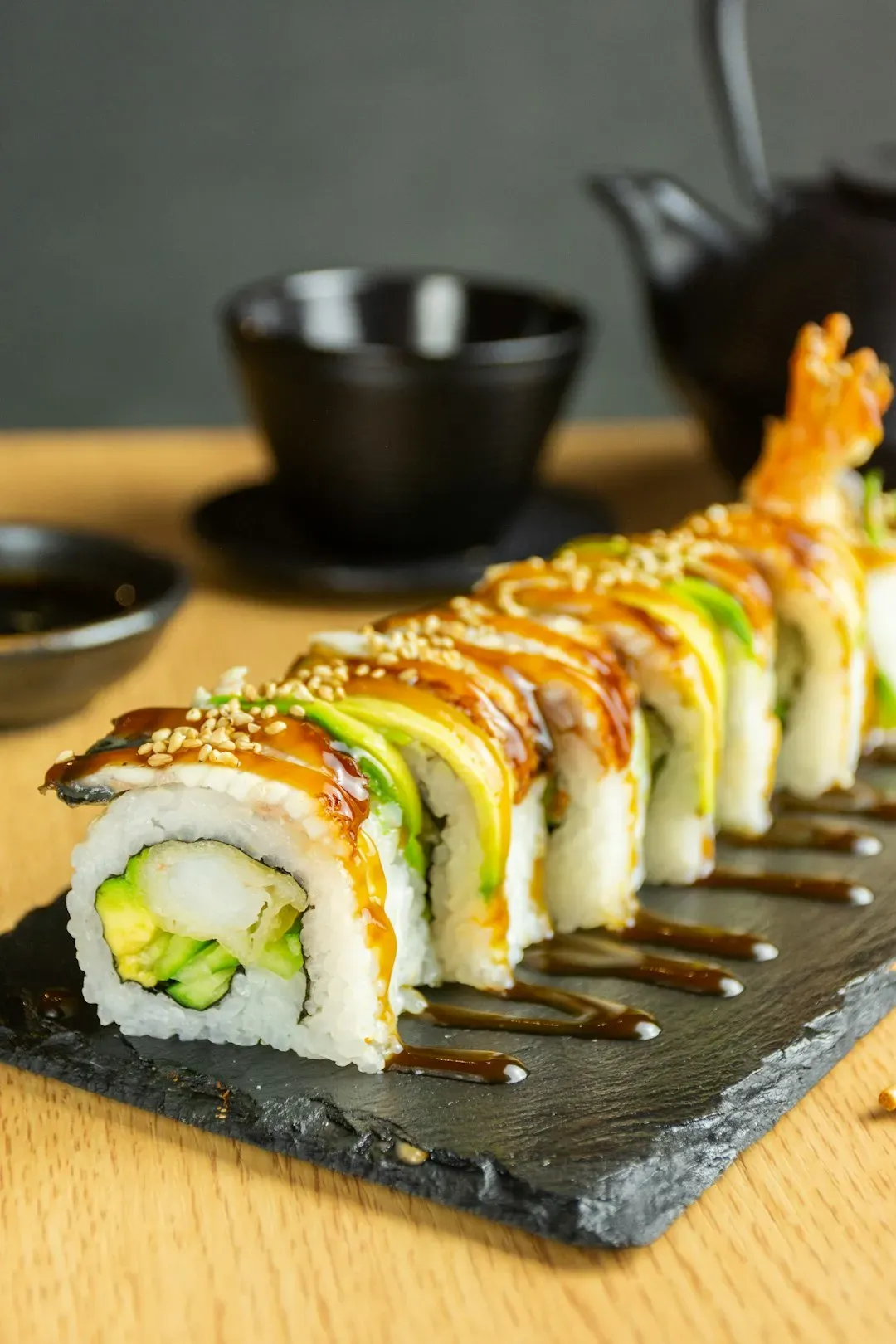
Making sushi at home seems like such a fun idea until you actually try to source sushi-grade fish. The costs add up shockingly fast. Did you know that you can save up to 80% of your costs if you make your own sushi? according to some enthusiasts, but that figure assumes you already have all the equipment and know what you’re doing.
Most people believe that sushi is expensive because of the cost of the fish, however this is only part of the reason. Sushi is time-consuming to prepare, which really drives up the price due to high labor costs. Here’s the thing though: when you’re making it at home for the first time, you need a bamboo mat, proper short-grain rice, rice vinegar, nori sheets, wasabi, pickled ginger, and that expensive sushi-grade fish. The fish alone can be prohibitively expensive for a single meal. Unless you’re planning to make sushi every week, you’re probably better off hitting up your favorite sushi spot and letting the professionals handle it.
Buttery, Flaky Croissants

Croissants are deceptively simple-looking pastries that hide an incredible amount of work behind those golden, flaky layers. Croissants are costly to produce. Learn how lamination, ingredients, and labor drive up costs for bakeries and catering kitchens. The lamination process requires folding butter into dough repeatedly, chilling it between each fold, and maintaining exact temperatures throughout.
Compared to non-laminated breakfast pastries, like scones or muffins, croissants are not a very profitable endeavor. To start, any industrial croissant operation requires a dough sheeter – a down payment of around $2,500. Even for home bakers, you need European-style high-fat butter, precise temperature control, and an entire day of your time. So then if I don’t count my time, a batch of croissants costs me $2 in materials. I normally get 10 croissants out of a batch, so that comes out to 20 cents per croissant, but that’s the material cost only. When you add your labor and the risk of messing up a batch, that bakery croissant for three or four dollars becomes pretty attractive.
Restaurant-Quality Pho
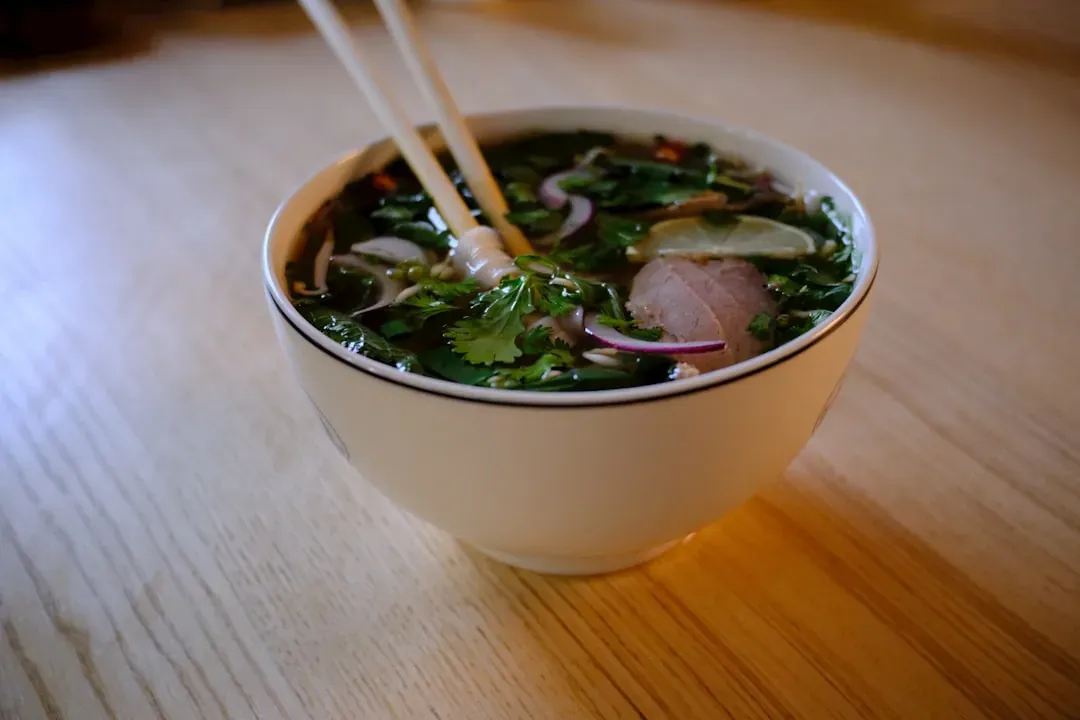
Pho is one of those dishes that seems straightforward until you dive into making an authentic version. The broth alone requires hours of simmering beef bones, charred onions and ginger, star anise, cinnamon sticks, coriander seeds, and other specialized spices. You need to buy a substantial quantity of bones to get enough richness, and you’ll be running your stove for anywhere from eight to twelve hours.
Most home cooks don’t keep fish sauce, hoisin sauce, Thai basil, and fresh rice noodles lying around. You’ll probably need to make a special trip to an Asian grocery store. When a bowl of pho at a Vietnamese restaurant costs somewhere between eight and twelve dollars, and you consider that homemade pho requires expensive bones, hard-to-find herbs, specialized noodles, and half a day of active cooking, ordering out makes a lot more sense. The restaurant has already made that investment in time and ingredients, and they’re serving dozens of bowls from the same giant pot.
Perfectly Fried Chicken
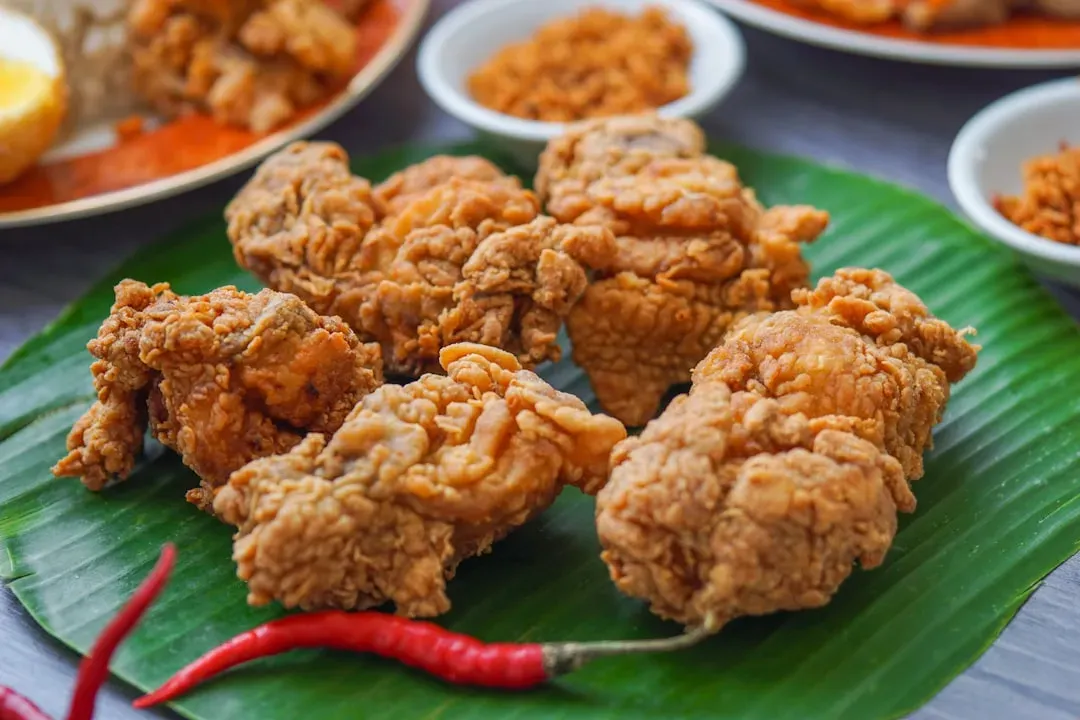
Fried chicken seems like it should be economical to make at home. Chicken is relatively cheap, flour and spices are pantry staples, and how hard could it be? The reality is messier and more expensive than you’d think. You need a substantial amount of oil for proper deep frying, which can easily run you ten to fifteen dollars for a container large enough to submerge chicken pieces.
It used to be said that eating out costs more than making food at home, but with inflation, that is not always the case. Specialized frying equipment or a quality deep fryer helps ensure safety and consistency, but that’s another upfront cost. Then there’s the cleanup nightmare. Oil splatter everywhere, disposing of used frying oil properly, and the lingering smell that permeates your entire house for days. When you can pick up a bucket of fried chicken for fifteen to twenty dollars and skip all that hassle, the convenience factor alone might be worth paying for someone else to do the frying.
Complex Thai Curries
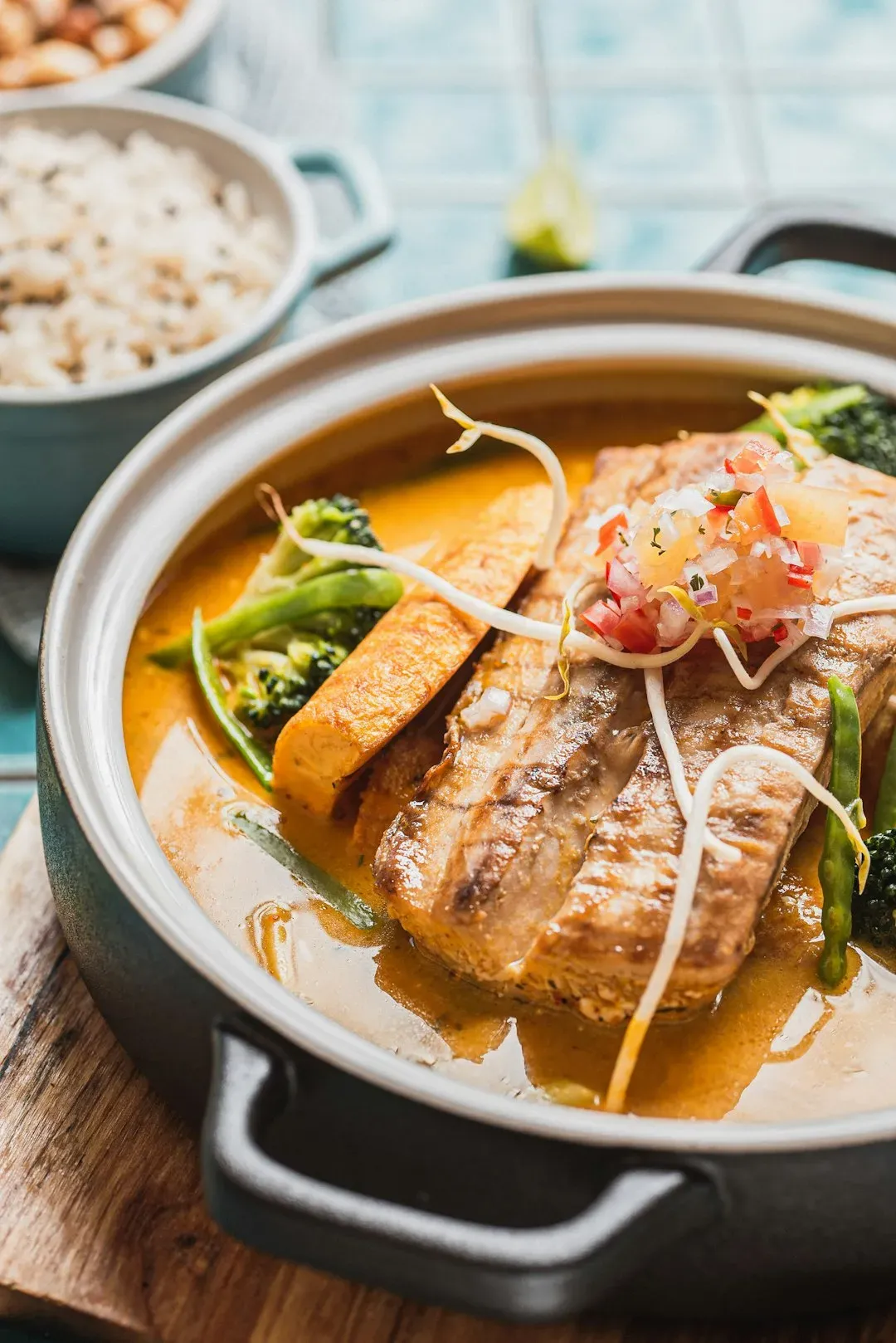
Thai curries require such a specific array of ingredients that most home cooks simply don’t have on hand. Fresh lemongrass, galangal, kaffir lime leaves, Thai basil, fish sauce, shrimp paste, and various curry pastes are essential for authentic flavors. Sure, you could substitute some ingredients, but then you’re not really making Thai curry anymore.
The specialized ingredients aren’t just expensive individually; they’re also sold in quantities far exceeding what a single recipe requires. That galangal root? You’ll use maybe an inch of it and the rest will sit in your fridge until it goes bad. Those kaffir lime leaves? Same story. A Thai restaurant has already invested in bulk quantities of these ingredients and uses them across multiple dishes daily. When a curry dish at a Thai restaurant costs twelve to fifteen dollars and would require you to spend forty dollars on specialty ingredients you’ll barely use, the choice becomes pretty obvious.
The notion that cooking at home is always cheaper needs some serious reconsideration for certain dishes. While the average meal at an inexpensive restaurant costs nearly 285% more than eating at home ($16.28 versus $4.23 per meal), that statistic doesn’t capture the full picture for labor-intensive or ingredient-specialized dishes. Equipment costs, specialized ingredients in quantities you can’t actually use, and your own time all factor into the true cost equation. Sometimes supporting your local restaurant and letting the experts do what they do best is actually the smarter financial move. What dishes have you tried making at home only to realize ordering out would’ve been easier?