Ghost Mansions: Why the 5-Bedroom “Forever Home” Is Becoming a Boomer Liability
Picture this: sprawling suburban neighborhoods where three-bedroom homes feel cramped, where grandparents rattle around in 3,000-square-foot houses with empty nests and silent hallways. Empty-nest baby boomers own nearly three in ten large U.S. homes, while millennials with kids own just over fourteen percent of the country’s large homes, according to a Redfin report from 2024. That five-bedroom house that once buzzed with family life? It’s turned into something nobody anticipated: a financial trap disguised as an asset.
The Numbers Behind the Empty Nest Epidemic
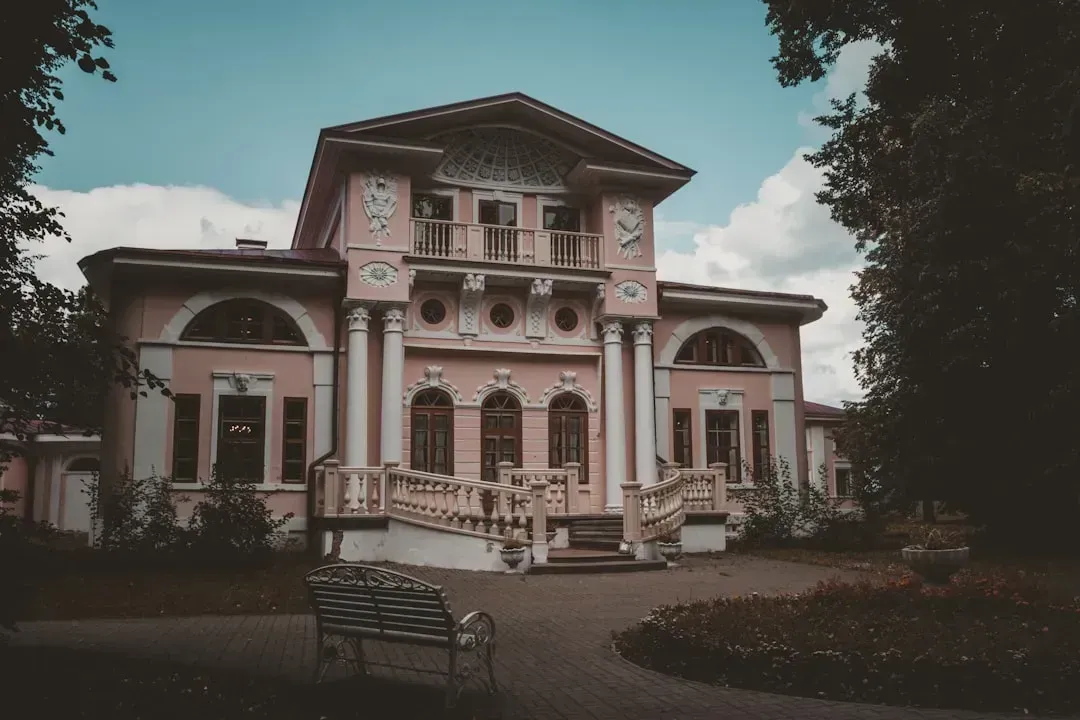
Let’s be real, the data tells a story that most people didn’t see coming. According to the U.S. Census Bureau, the share of homeowners over the age of 55 has steadily increased from forty-four percent in 2008 to fifty-four percent by 2023. Think about that for a second – more than half of all American homes are now owned by people over 55. Most boomers who own homes have no mortgage, with the median monthly cost of owning a home at just six hundred twelve dollars, including insurance and property taxes according to Redfin data from 2024. Sounds great on paper, right? Here’s the thing though: those low monthly costs are masking a bigger problem.
A decade ago, young families were just as likely as empty nesters to own large homes. The landscape has completely transformed. Those large suburban houses that baby boomers bought during favorable economic conditions in the 1990s are now sitting like monuments to a bygone era. Roughly half of all one-to-two-person boomer households own large homes, while only about one-quarter of millennial households with kids own them.
When Your Dream Home Becomes a Money Pit
Here’s where it gets uncomfortable: aging homes don’t get cheaper to maintain, they get more expensive. Homes age and maintenance costs often grow, with even routine services like gutter cleaning, pest control, and annual HVAC tune-ups adding up to thousands of dollars a year. I think the shocking part is that many retirees genuinely underestimate these cumulative expenses. HVAC servicing costs three hundred to five hundred dollars annually, roof repairs and gutter cleaning add another four hundred to twelve hundred dollars, while lawn care and snow removal services typically run one thousand to twenty-five hundred dollars depending on location and property size.
That’s not counting emergency repairs. Roofs leak, furnaces die, and suddenly you’re looking at five-figure repair bills on a fixed income. Even when you’ve paid off your mortgage, property taxes can increase over time, especially in gentrifying areas, leaving seniors on fixed incomes struggling to keep up with rising tax bills. Homeowners’ insurance is another nightmare – premiums rise not just because of age, but because older homes are prone to more claims.
The Downsizing Dilemma Nobody Talks About
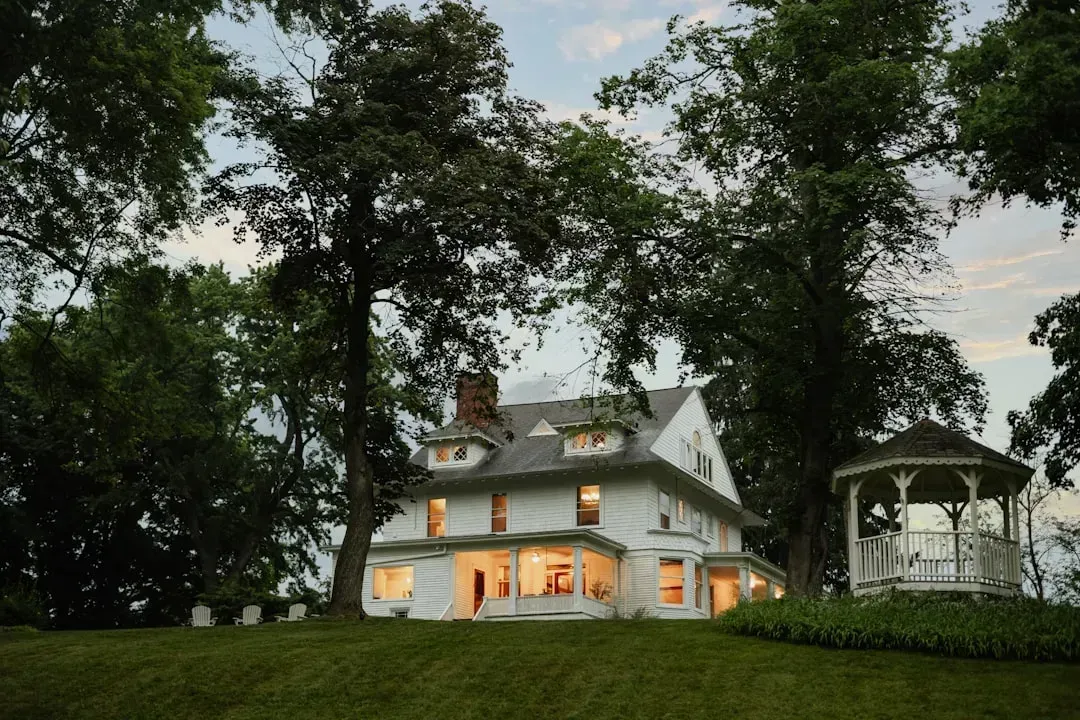
You’d think the solution is simple: just sell and downsize. Except it’s not that simple, is it? Older homeowners who want to downsize have been scared into staying put because a homeowner who sells for five hundred thousand dollars may find that a condo in their same area costs four hundred fifty thousand dollars, and after calculating realtor fees and closing costs, the profit hardly covers the new purchase. The math just doesn’t work anymore.
One of the biggest hurdles boomers face when downsizing is the sheer increase in home prices – while they may own a large home outright or with a low mortgage, smaller homes or condos in the areas they want to move to have become significantly more expensive, diminishing the financial advantage traditionally gained from downsizing. Honestly, this is the quiet crisis within the crisis. When moving into newer developments or retirement communities, they often encounter higher property taxes and mandatory homeowners association fees that can negate the savings expected from living in a smaller space.
Then there’s the emotional factor. It’s not easy to walk away from the home where your children grew up and where you celebrated milestones – boomers often delay downsizing because the emotional cost feels too high, but that emotional attachment can come at a steep practical price. Stairs become dangerous, bedrooms go unused, and property taxes rise while income falls.
The Hidden Costs of Aging in Place

Let me paint you a different picture. Many boomers think staying put is financially smart because they own their homes outright. Basic home modifications such as installing grab bars and better lighting can cost up to ten thousand dollars, while more extensive modifications like removing steps, widening hallways, adding ramps, lowering cabinets, and installing no-step showers could easily add up to one hundred thousand dollars or more, depending on the size of the house.
According to Genworth’s 2024 Cost of Care Survey, homemaker services for light housekeeping and meals run thirty to forty dollars per hour, while personal care aides cost thirty to fifty dollars per hour. If you need help for even a few hours a day, those costs skyrocket past what assisted living would cost. If you need a caregiver six hours per day, the national average cost is five thousand nine hundred dollars per month (using median hourly rates), compared to the national median cost of five thousand three hundred fifty dollars for an assisted living community.
The truth? Staying in that big house might actually be more expensive than moving to a retirement community, especially once you factor in maintenance, modifications, and care needs. Home health care costs have risen more sharply than senior housing rents in recent years. The financial calculus is shifting beneath people’s feet.
What Happens When the Market Shifts
There’s this idea floating around called the “silver tsunami” – the theory that millions of boomer homes would flood the market as the generation ages. Spoiler alert: it’s not happening. Roughly seventy-eight percent of boomers currently own homes, and among this group, more than half never plan to sell, with just fifteen percent expecting to sell in the next five years, according to a 2024 Clever Real Estate survey. There’s unlikely to be a flood of large homes hitting the market anytime soon because boomers don’t have much motivation to sell, and the bulk of boomers are only in their sixties, still young enough to take care of themselves and their homes without help.
But here’s the kicker: what happens in ten or fifteen years when these homeowners can’t maintain these properties anymore? The change in home-buying behaviors by younger generations may result in a glut of homes that could grow as high as fifteen million by 2040, with homeowners selling for far below what they paid – if they can sell them at all, and most seniors will be able to sell their homes, but it may become especially difficult in smaller, distant and slow-growing markets, according to some studies.
Millions of millennials and members of Generation Z may not be able to afford those homes, or they may not want them, opting for smaller homes in walkable communities instead of distant suburbs. The mismatch is real. These large suburban homes were built for a different era, a different family structure, and possibly a different economy.
What we’re witnessing isn’t just a housing trend – it’s a slow-motion collision between generational expectations, economic realities, and demographic shifts. The five-bedroom forever home is becoming less of a legacy asset and more of a liability, and the families who own them are starting to realize it. Whether through rising maintenance costs, impossible downsizing economics, or shifting buyer preferences, the ghost mansion phenomenon is here to stay.