These Rare Bicentennial Coins Are Quietly Rising in Value
Most people dismiss those quirky 1776–1976 quarters with the drummer boy design as pocket change, nothing more than a historical curiosity. That’s a mistake. While the U.S. Mint churned out over one and a half billion of these coins to celebrate America’s 200th birthday, a select few have started commanding serious attention from collectors. Market activity for these coins has been accelerating rapidly in recent years, with specific Bicentennial quarter types showing stronger auction interest and updated grading trends revealing quiet increases in value.
Let’s be honest: not every Bicentennial quarter will fund your retirement. The vast majority remain worth exactly what they say on the tin – 25 cents. Still, certain varieties are fetching hundreds, thousands, or even tens of thousands of dollars at specialized auctions.
The Silver Secret That Changes Everything
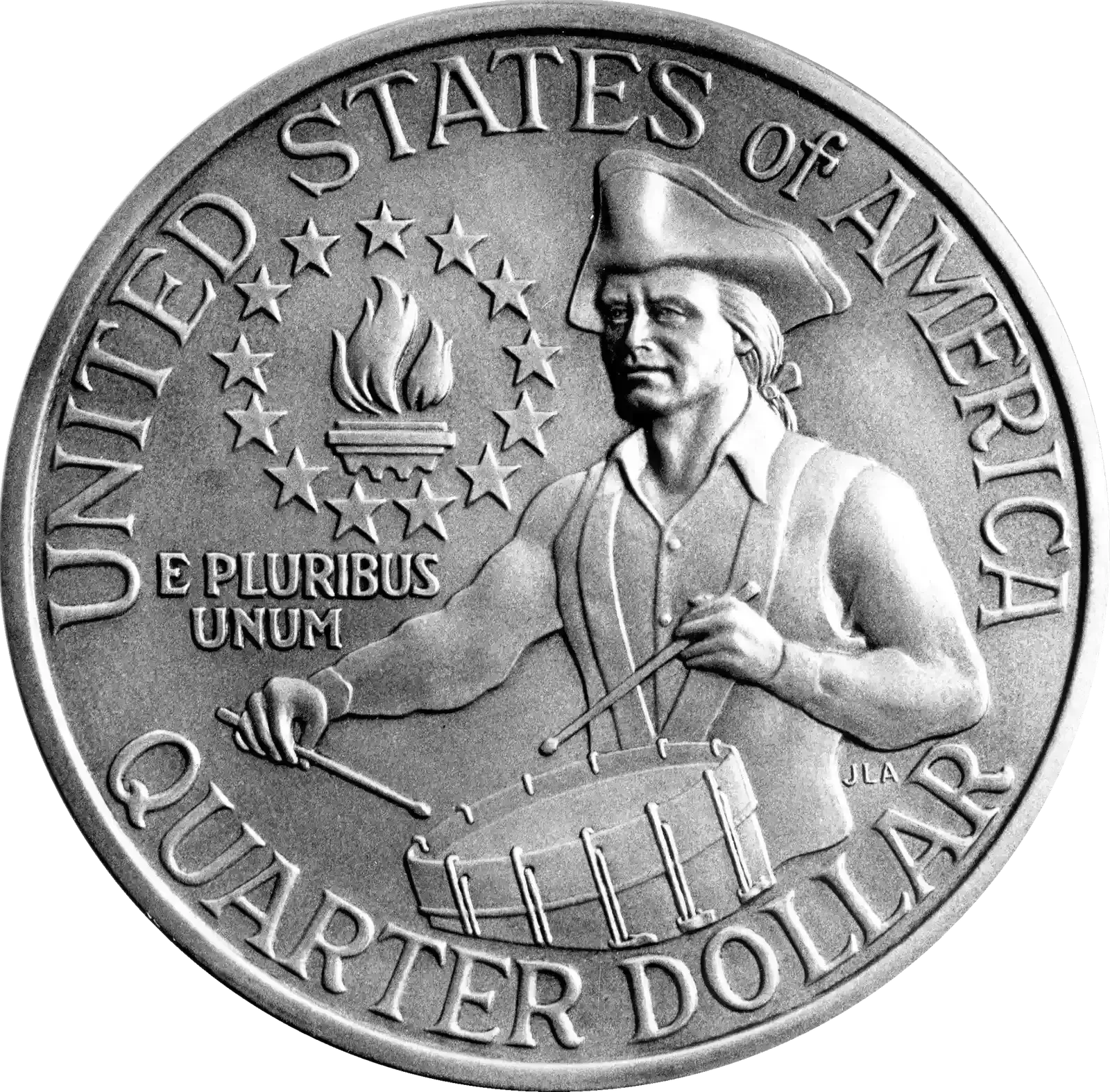
While most Bicentennial Quarters were struck in copper-nickel composition, a limited number were minted in 40% silver, making them more valuable due to their precious metal content. These weren’t meant for your grocery store change jar. Some of the Bicentennial quarters were composed of 40% silver, an important distinction because the silver coins are rarer and therefore much more valuable. Here’s the thing: you can spot them fairly easily if you know what to look for.
Silver Bicentennial quarters have a solid silver edge without the copper stripe seen on clad coins and weigh slightly more than regular circulation strikes. A 1976-S Bicentennial Silver Quarter with a very high grade sold for $19,200 at auction, according to verified auction records. Rare 1976-S silver quarters have sold for up to $19,200. That’s not speculation – it’s documented market reality.
Errors That Collectors Actually Want
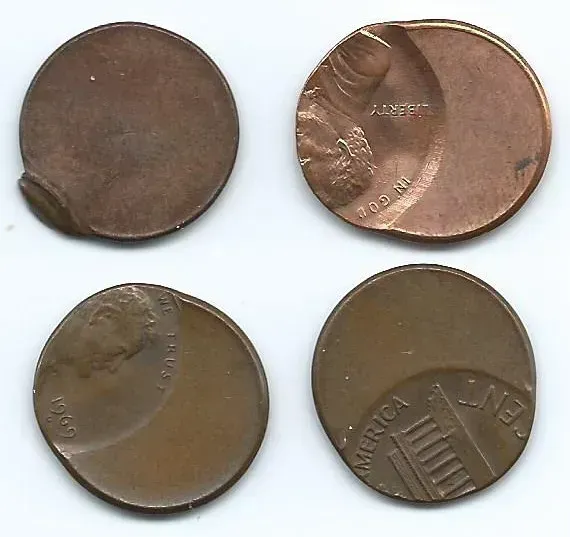
Ironically, manufacturing mistakes can transform an ordinary coin into a small fortune. Doubled-die Bicentennial quarters, such as an MS66 FS-101, reportedly sold for $8,400 at Heritage Auctions in 2023. The FS-101 variety designation is the most significant die variety in the entire Bicentennial quarter series, and collectors hunt for it aggressively.
Wrong planchet errors are even more dramatic. Some Bicentennial quarters were accidentally struck on 5-cent nickel planchets, with the quarter design compressed onto the smaller canvas and parts of “LIBERTY” and “QUARTER DOLLAR” running off the edge. Notable error varieties include 1976 Quarters struck on dime planchets, with examples selling for thousands at auction. These aren’t urban legends. They’re real coins that occasionally surface at estate sales and in forgotten coin collections.
Condition Is Everything
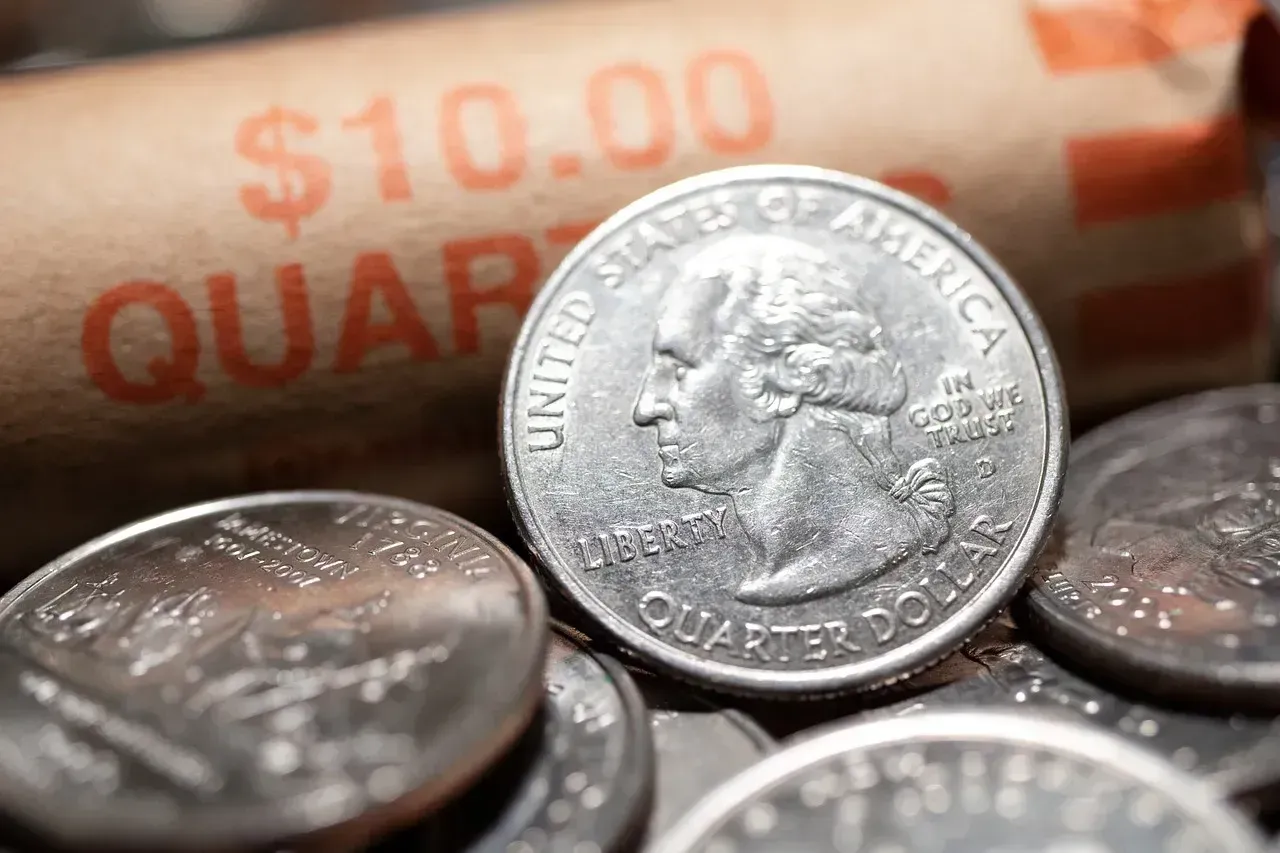
Rarity in Bicentennial quarters is not about mintage numbers but about survival in high condition. Think about it: these coins circulated for decades in cash registers, pockets, and washing machines. Because most were heavily circulated, examples with strong luster, minimal marks, and sharp design details are much harder to find today, which is why professionally graded, high-condition examples often sell for significantly more than raw coins.
High-grade toned 1976 Bicentennial quarters, such as PCGS MS68 examples, have sold at GreatCollections for thousands. NGC coins at the same MS68 grade, however, fall in the $550 to $700 range. The lesson? Grading company, provenance, and visual appeal all matter when serious money changes hands.
The Quiet 2024 Surge
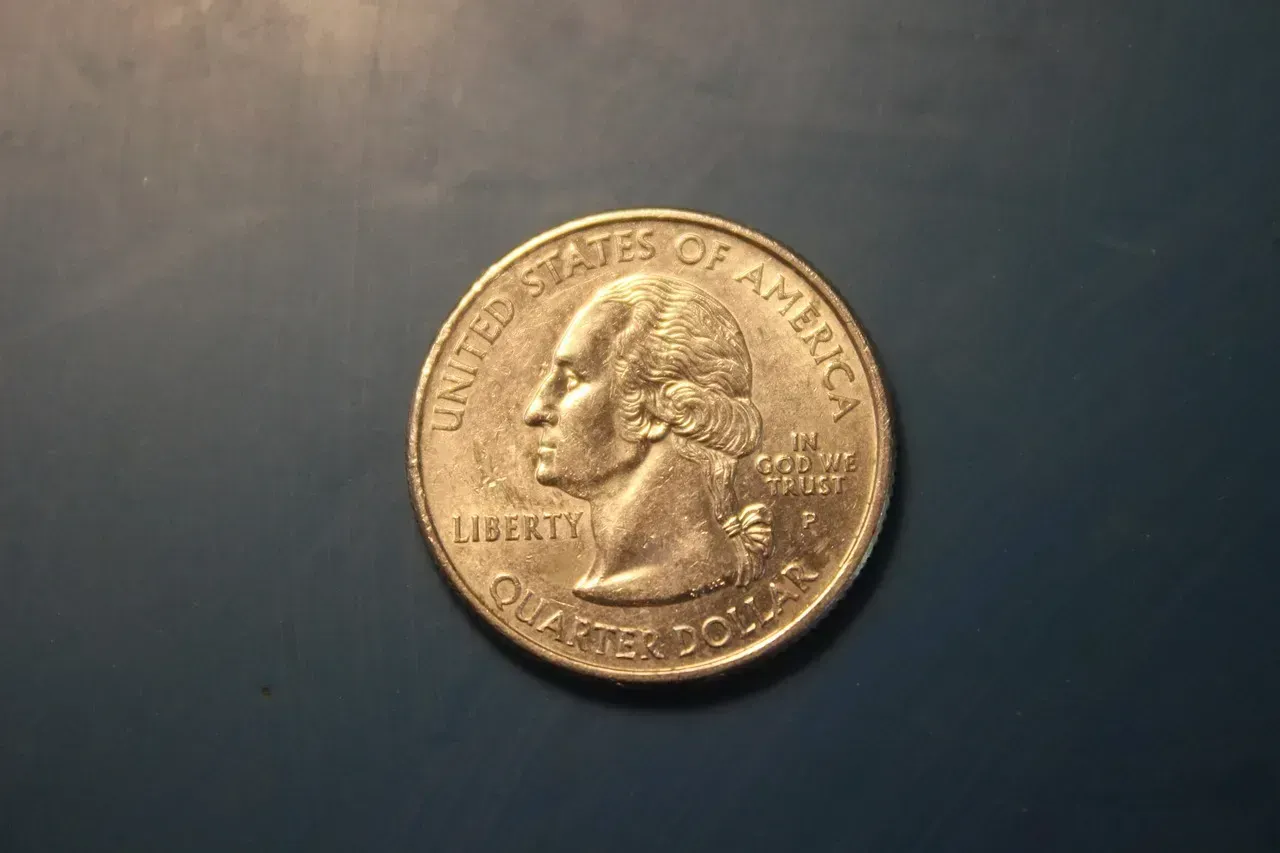
The market outlook for 1976 Bicentennial Quarters continues to show upward momentum, with coins certified by PCGS or NGC earning higher prices, especially those with exceptional visual appeal, and auction performance for error strikes and high-grade examples remaining strong.
The 40% silver Bicentennial issues have gained from rising silver prices, and even if collector demand slows temporarily, the intrinsic metal value helps protect their long-term worth. Social media has played a surprising role here, too. Bicentennial finds shared on TikTok, YouTube, and collector groups keep the series trending, with viral discoveries encouraging new collectors to search their change, creating sustained demand.
How to Know If You Have One
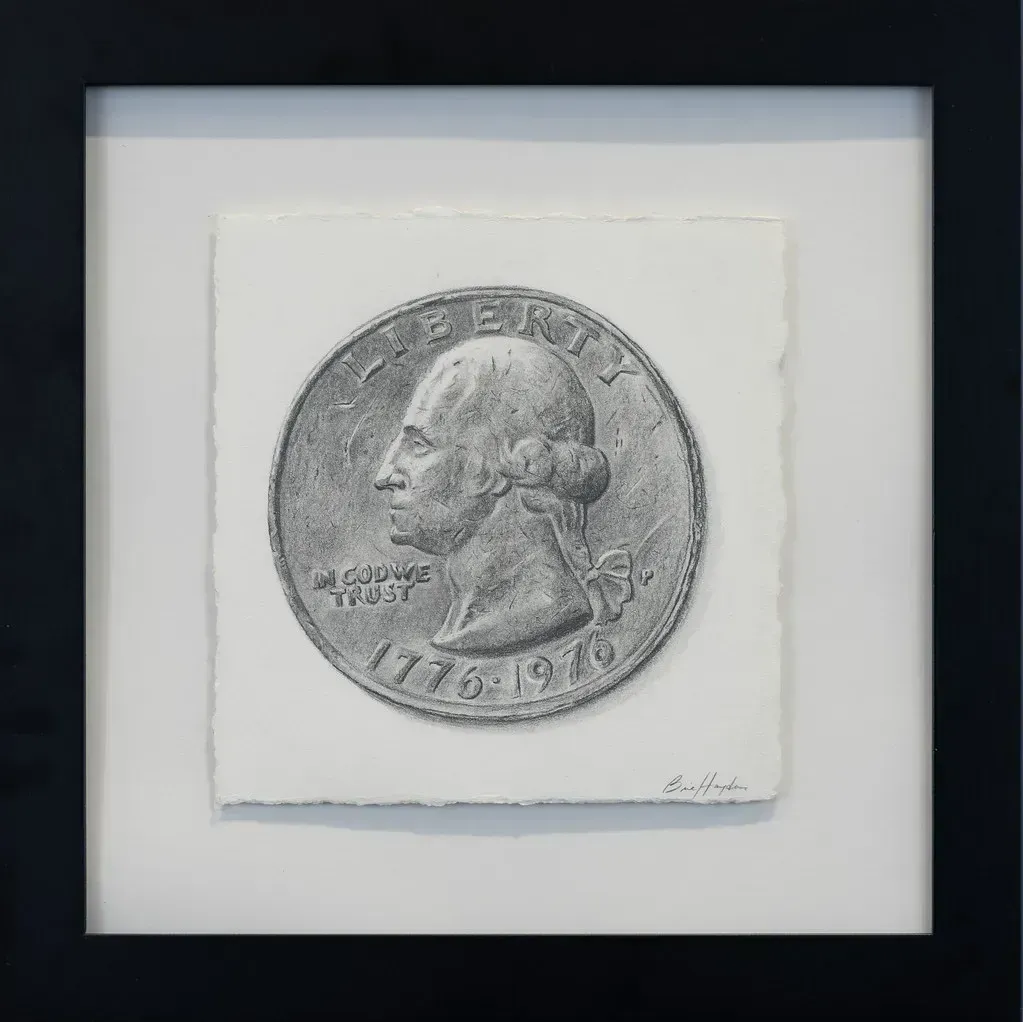
Start simple. Examine your coin’s mint mark, overall condition, and metal composition, checking the edge for signs of silver, looking closely at the sharpness of the design, and watching for unusual strike characteristics. Philadelphia quarters lack a mint mark entirely. Denver coins show a small “D.” San Francisco pieces, especially proofs and silver versions, bear an “S” and are generally more desirable among collectors, particularly if the coin appears unusually clean, sharply struck, or silver.
If you’re uncertain, don’t guess. Authentication is essential since rare Bicentennial Quarters are frequently targeted by counterfeiters or altered to appear valuable. Professional grading services like PCGS, NGC, or ANACS can verify authenticity, grade condition, and maximize resale value. Most circulated examples won’t be worth the grading fee, honestly. The typical Bicentennial quarter – circulated or uncirculated – is not extremely valuable, with most worth face value or modest premiums.
Still, coins with unusual minting errors, silver composition, or exceptional preservation can achieve astonishing market values, sometimes reaching tens of thousands of dollars. The trick is knowing where to look and what counts. Even rare varieties like silver proofs or error coins can sell from $50 to over $5,000, depending on condition and rarity.
What’s remarkable is that interest in the 1976 Bicentennial Quarter continues to grow as new collectors enter the hobby and rare examples appear unexpectedly in everyday circulation, with discoveries in pocket change, bank rolls, and old coin stashes keeping this issue relevant across generations. Check your change. You never really know what might be hiding there.