What to Do With Your Pennies After the U.S. Stops Minting Them
Understanding What Happens When the Penny Actually Ends
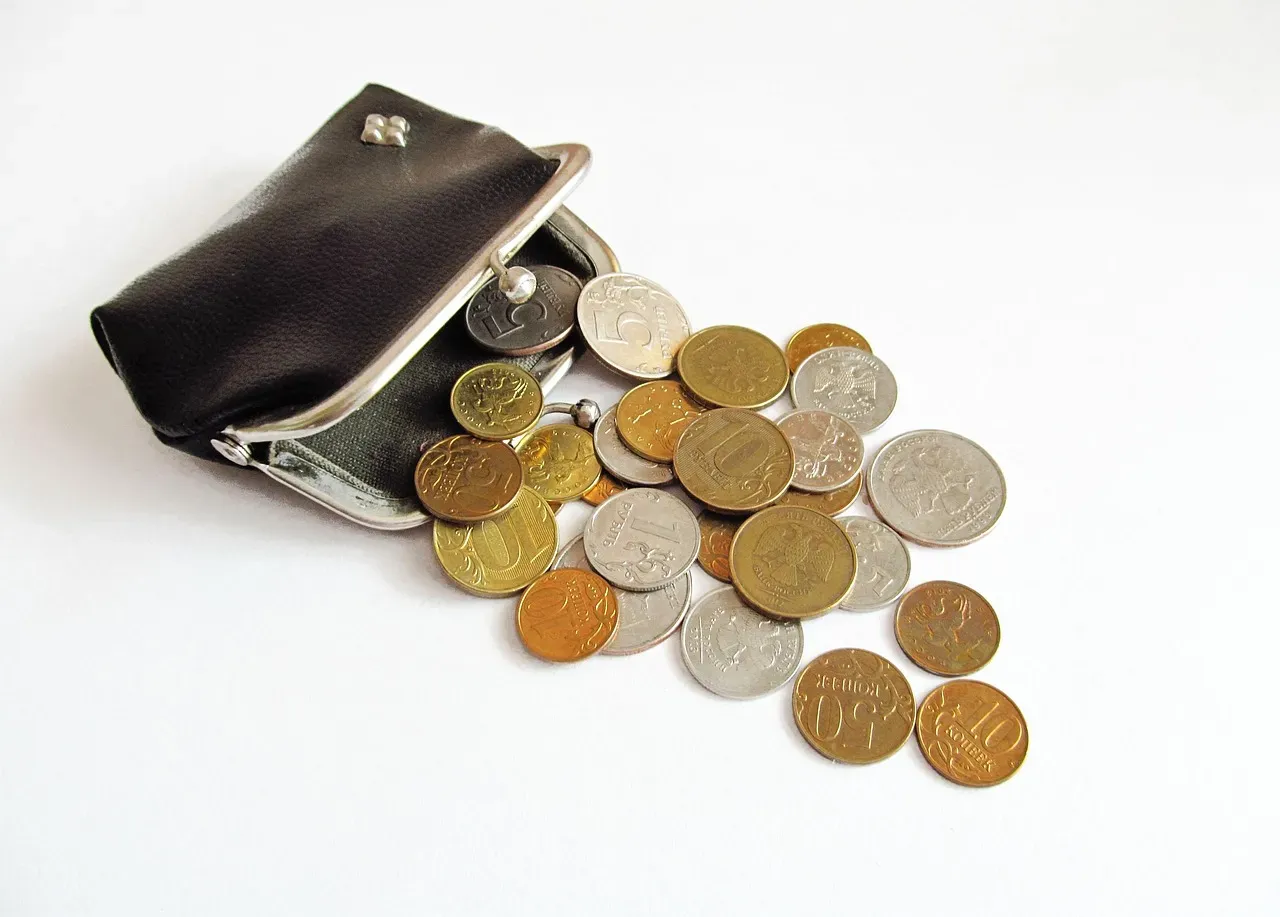
Right now, the United States has not officially stopped minting pennies, but there have been active debates in Congress and reports from the U.S. Mint and Government Accountability Office about eliminating them because they cost more to make than they are worth. In recent years, it has typically cost the Mint noticeably more than one cent in materials and production to create a single penny, which means taxpayers effectively lose money every time new ones are produced. Other countries, like Canada in 2012, have already ended their lowest coin and kept cash prices working smoothly by rounding final totals. Looking at those examples, most proposals in the U.S. suggest that if pennies are discontinued, existing ones would still remain legal to use for a long time, but new ones would simply stop being produced.
Rolling, Sorting, and Cashing In Before Banks Change Their Rules
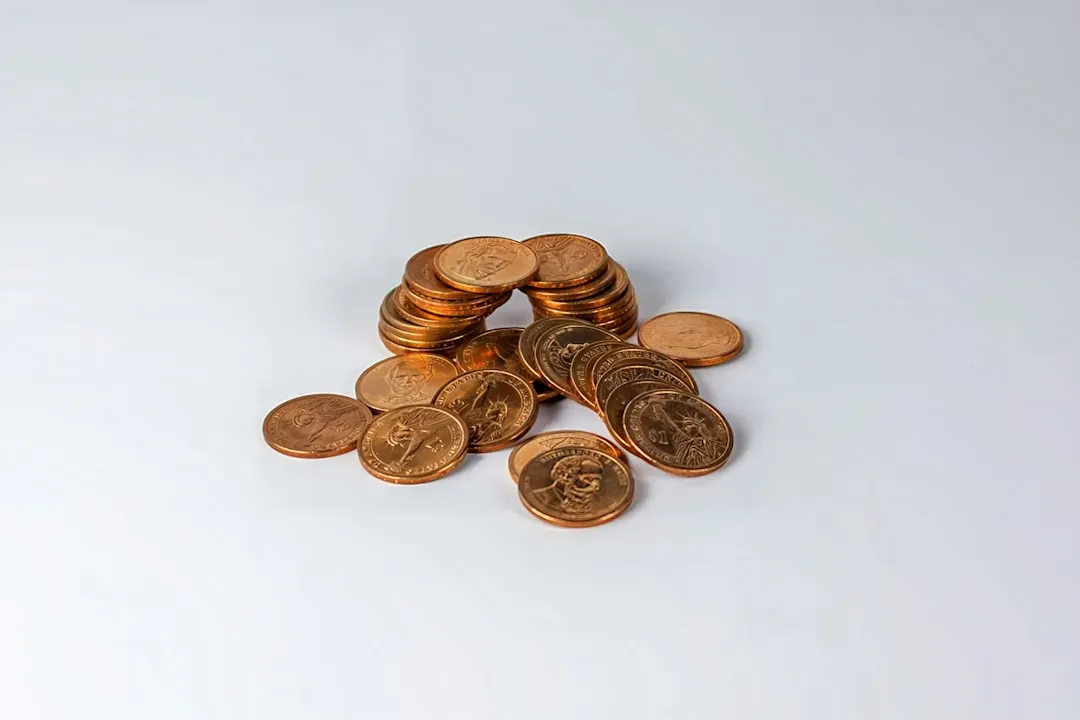
If the U.S. announces an end to minting pennies, one of the first practical things to do is gather every jar, drawer, and cup where they have piled up, because many households collectively hold thousands of coins. Banks and credit unions today generally still accept rolled pennies in standard paper rolls, typically fifty coins per roll, and coin-counting kiosks in grocery stores will usually take them too, sometimes for a small fee. In countries that have phased out small coins, such as Canada and Australia, banks continued accepting them for years but gradually tightened rules, so it is reasonable to expect U.S. banks could eventually limit or end penny deposits after a long grace period. That means turning loose change into deposits or bills sooner rather than later reduces the risk of being stuck later with coins that are harder to redeem at face value.
Looking at Collector Value Instead of Just Face Value
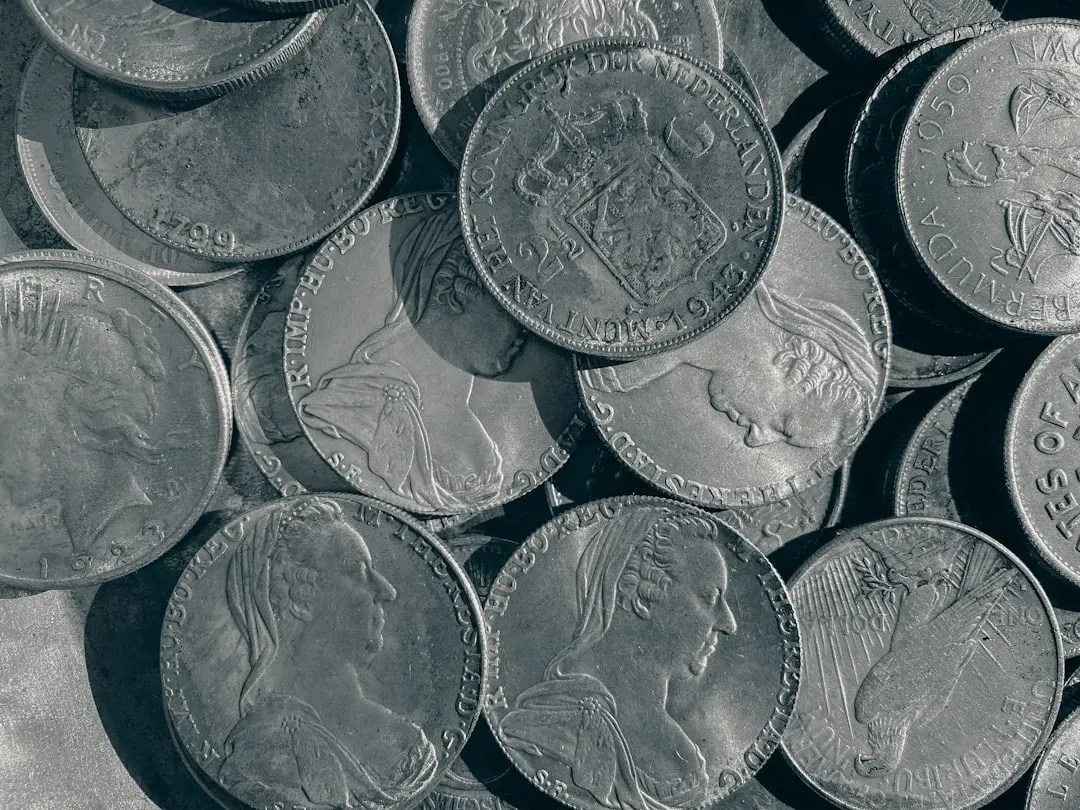
Not all pennies are equal, and some already trade well above one cent because of their date, mint mark, or condition, so it makes sense to check before dumping them in a bulk machine. Older Lincoln cents from the early twentieth century, low-mintage years, and “wheat” pennies can sell for more than face value in coin shops or online marketplaces when they are in good shape. When Canada ended its penny, coin dealers saw an increase in people searching their change for rare dates and errors, and the same pattern would likely appear in the U.S. as public attention turns to the smallest coin. Focusing on simple steps like separating older pre‑1960 pennies, shiny uncirculated coins, and anything that looks unusual can turn a handful of otherwise ignored change into a small but real amount of extra money.
Saving Copper-Rich Pennies as a Tiny Hedge
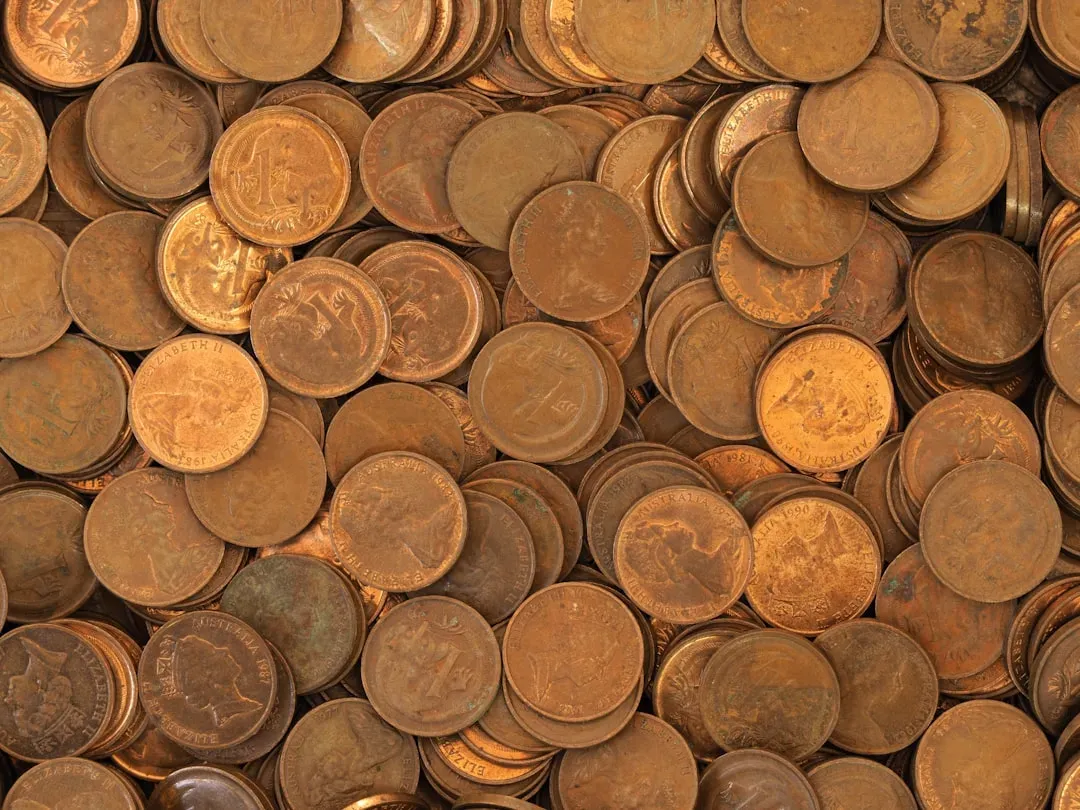
Another angle people talk about is the metal content of older pennies, especially those minted before the early 1980s that contain a much higher proportion of copper rather than a mostly zinc core. The market value of copper as a raw material has at times made the metal content of these older coins worth more than one cent, although it is currently illegal to melt U.S. cents in large quantities for their metal value. In past price spikes, interest in hoarding pre‑1982 pennies grew as some people viewed them as a very small, long‑term hedge on rising commodity prices, similar to how others collect small silver coins from decades ago. If minting stops, that psychological shift from “small change” to “finite copper token” could grow stronger, so setting aside older pennies in labeled containers is one way to bet that future rule changes or higher copper prices might someday make them more valuable.
Repurposing Pennies at Home Once They Fade From Everyday Use
Even if pennies slowly disappear from store counters, they can still be useful at home instead of just sitting forgotten in boxes. People already use them for things like weighing down tablecloths, leveling furniture, making inexpensive game tokens, or creating simple craft projects, and those uses will still work if they stop circulating in new transactions. In places where small coins became less common after withdrawal, many households kept a few around for sentimental reasons or for practical tasks, turning them into a kind of everyday relic rather than official money. Treating your remaining pennies as small tools, materials for art projects, or even as a way to teach kids about money history is a way to give them a second life instead of leaving them in a dusty jar.