Why Americans Fell in Love with Frozen Dinners, Study Reveals
The modern American kitchen tells a fascinating story. Picture this: over one hundred thirty million Americans now regularly consume frozen complete dinners, marking an unprecedented shift in how we think about food. This phenomenon isn’t just about convenience anymore. Recent industry studies from Conagra Brands and Circana reveal that frozen dinners have become a $91.3 billion market that’s redefining American eating habits.
What makes this transformation even more surprising is how dramatically consumer perceptions have changed. Frozen meals once carried stigma as “last resort” food, yet today they’re viewed as smart lifestyle solutions for busy households.
The Numbers Don’t Lie: Market Growth Explodes
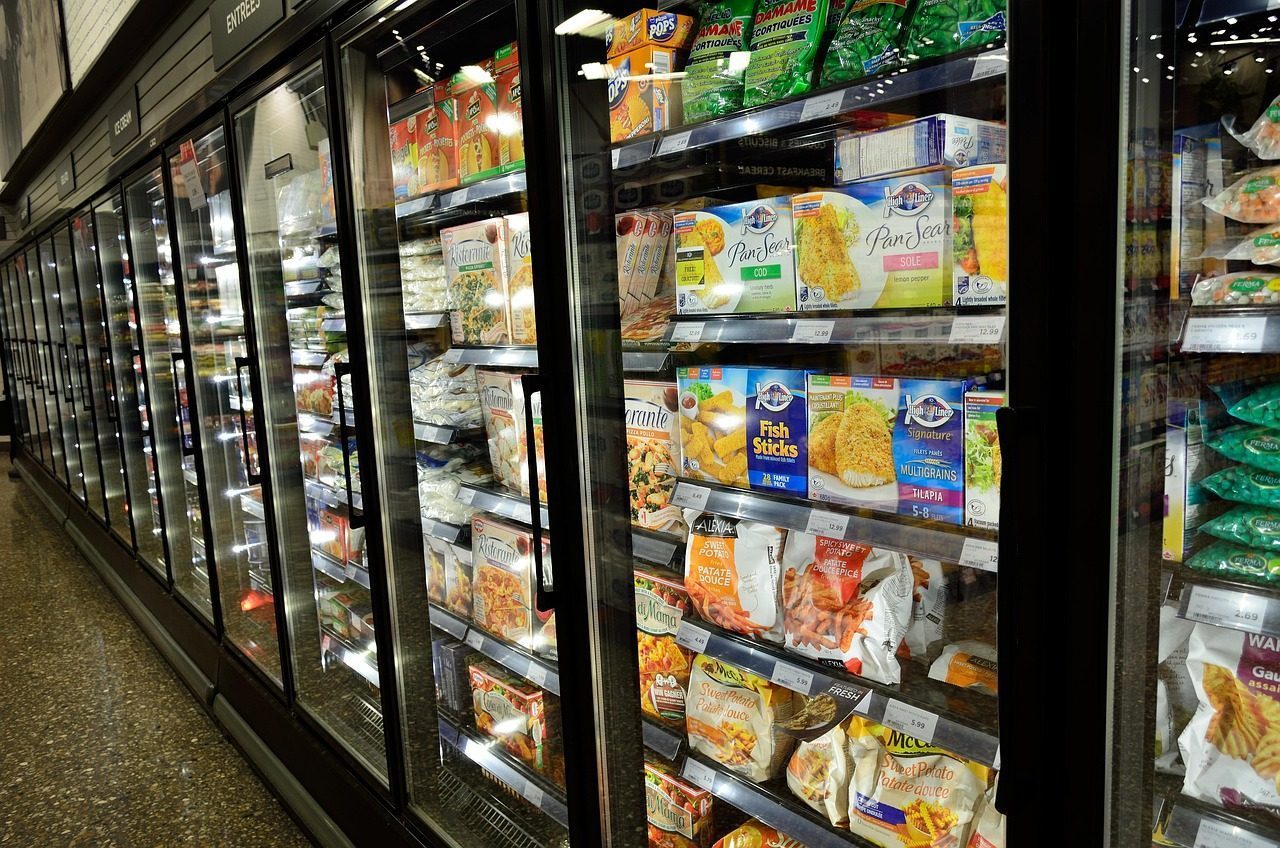
According to this statistic, 127.92 million Americans consumed frozen complete (TV) dinners in 2020. This figure climbed to 130.55 million by the end of 2024. The data presents an undeniable reality about American food preferences. This data-driven report reveals how consumer behaviors, generational preferences, and innovations are reshaping the $91.3 billion U.S. frozen food market.
The growth trajectory shows no signs of slowing down. The United States Frozen Food Market, which was worth US$ 79.66 billion in 2024, is expected to grow at a CAGR of 8.91% during the period from 2025 to 2033 and reach US$ 171.56 billion by 2033. Increased demand for convenient ready-to-eat foods, increased use of frozen fruits and vegetables, and improved freezing technology propel growth.
Celebrity Chefs Enter the Freezer Aisle
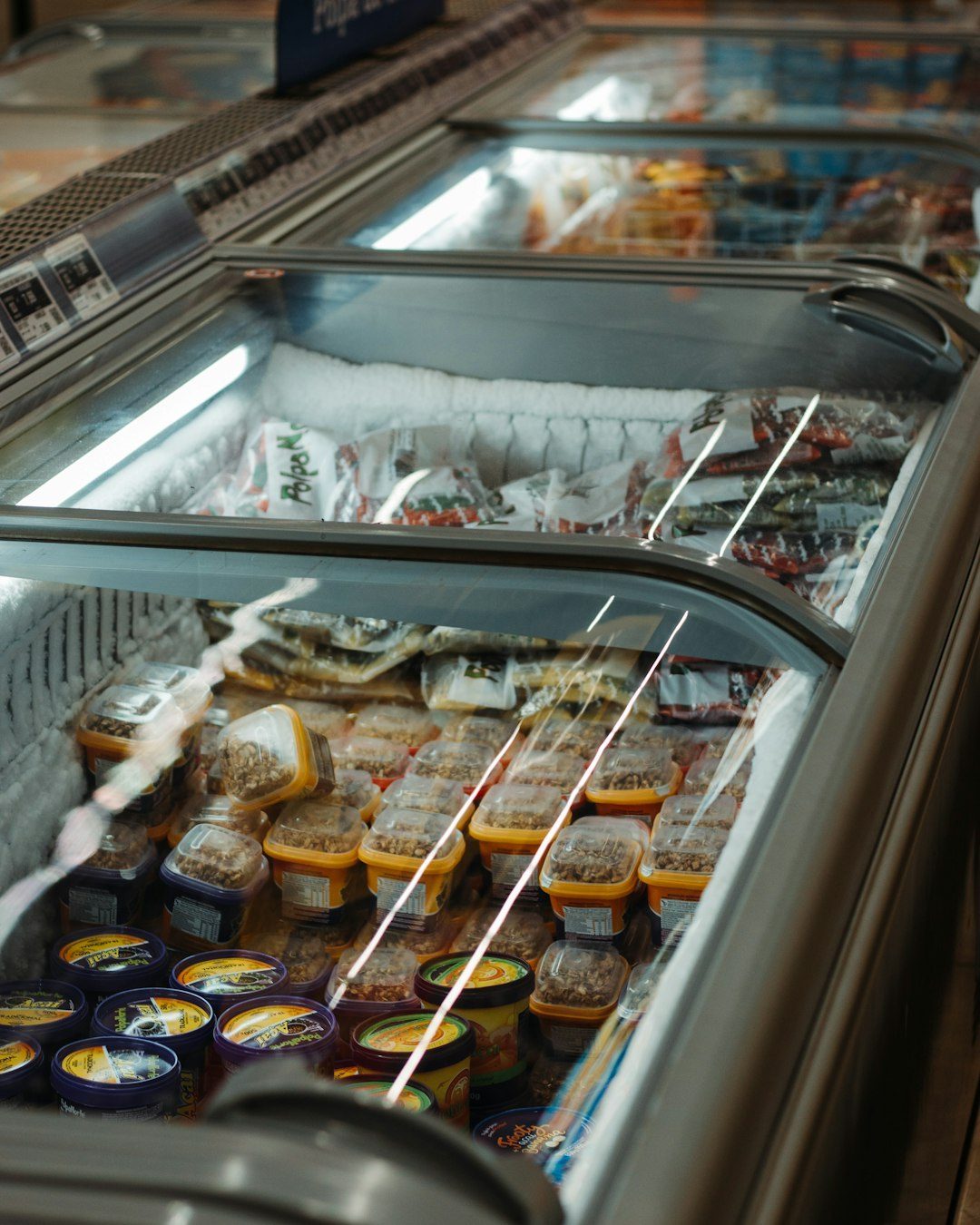
The frozen dinner landscape changed dramatically when major celebrity chefs began putting their names on freezer-friendly products. In August 2023 celebrity chef Gordon Ramsay launched a range of eight frozen dinners in Walmart, just two months later TV personality and James Beard Award-winning chef Andrew Zimmern launched a frozen entrée (main meal) line. This marked a pivotal moment when high-profile culinary personalities legitimized the category.
Whether you love him or hate him, there’s no denying that Gordon Ramsay has made a serious impact in the culinary world – and now, thanks to his line of frozen meals, he’s made an impact on the frozen foods aisle at Walmart, too. The line, By Chef Ramsay, has come as somewhat of a surprise to fans and naysayers alike, seeing as Ramsay infamously stated that he wouldn’t eat any ready meal, aka a frozen meal, in a 2009 interview with Bon Appetit. The irony wasn’t lost on consumers.
Global Flavors Drive Excitement
American palates have become increasingly adventurous, driving significant demand for international frozen cuisine options. The frozen global street food market reached $543.5 million by the end of 2024, growing 26% year-over-year, according to Circana data. This growth reflects consumers’ appetite for authentic global experiences straight from their freezers.
The fastest-growing global street food is bao buns, which saw a 583% increase in sales between October 2022 and the end of 2024. Tacos grew by 53%, followed by samosas (32%), empanadas (31%), and dumplings (18%). These remarkable growth rates demonstrate how Americans are embracing diverse culinary traditions. The convenience factor allows people to explore cuisines they might never have tried otherwise, transforming frozen food aisles into global marketplaces.
Spice Trends Heat Up the Frozen Market
The “swicy” (sweet plus spicy) trend has taken frozen foods by storm in ways researchers didn’t anticipate. Sales of hot honey – honey infused with chili peppers – have skyrocketed, growing 74% in 2024, compared to 2023. These increased sales reflect the uptick of ‘swicy’ (sweet + spicy) product launches, described by CNN in 2024 as “the hottest trend in food right now”.
Similarly, Gen Z consumers are 48% more likely to buy spicy frozen meals compared to the overall consumer base, according to Circana data, year ending Nov. 3. Buffalo remains the leading spice, but hot honey increased volume sales by 74% in the year ending Oct. 20, per Circana data. Young consumers particularly drive this trend, seeking bold flavors that deliver restaurant-quality heat at home.
Modern Health Consciousness Reshapes Preferences
Health trends profoundly influence frozen dinner innovation, with manufacturers responding to evolving dietary needs and medical considerations. In 2024, Nestlé launched its GLP-1 Nutrition initiative, and Vital Pursuit, a frozen product line tailored to the nutritional needs of GLP-1 users. This reflects how medical weight management trends directly impact food product development.
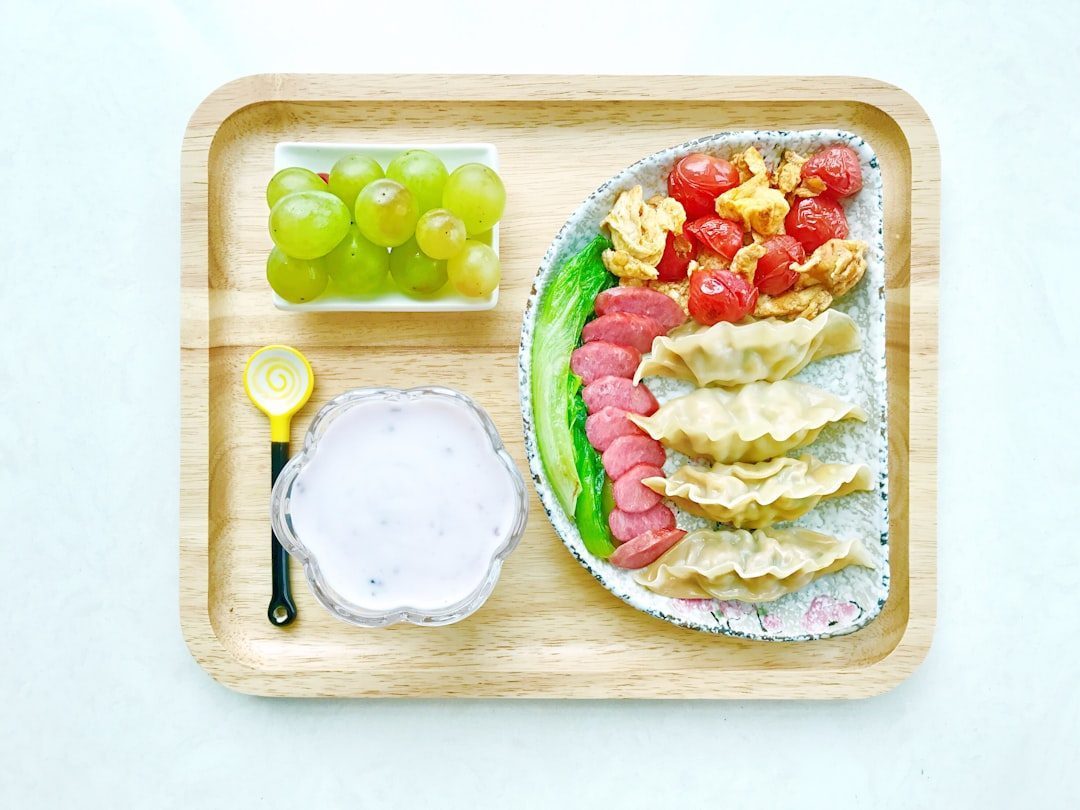
We are seeing really strong growth for frozen appetizers among GLP-1 consumers, probably because they might microwave, or air fry a couple of dumplings and call that their dinner. Consumer behavior adapts to medication effects, creating new market segments. Increased demand for vegan and plant-based frozen dinners, frozen vegetables, and fruits is driving innovation.
Bite-Sized Revolution Takes Hold
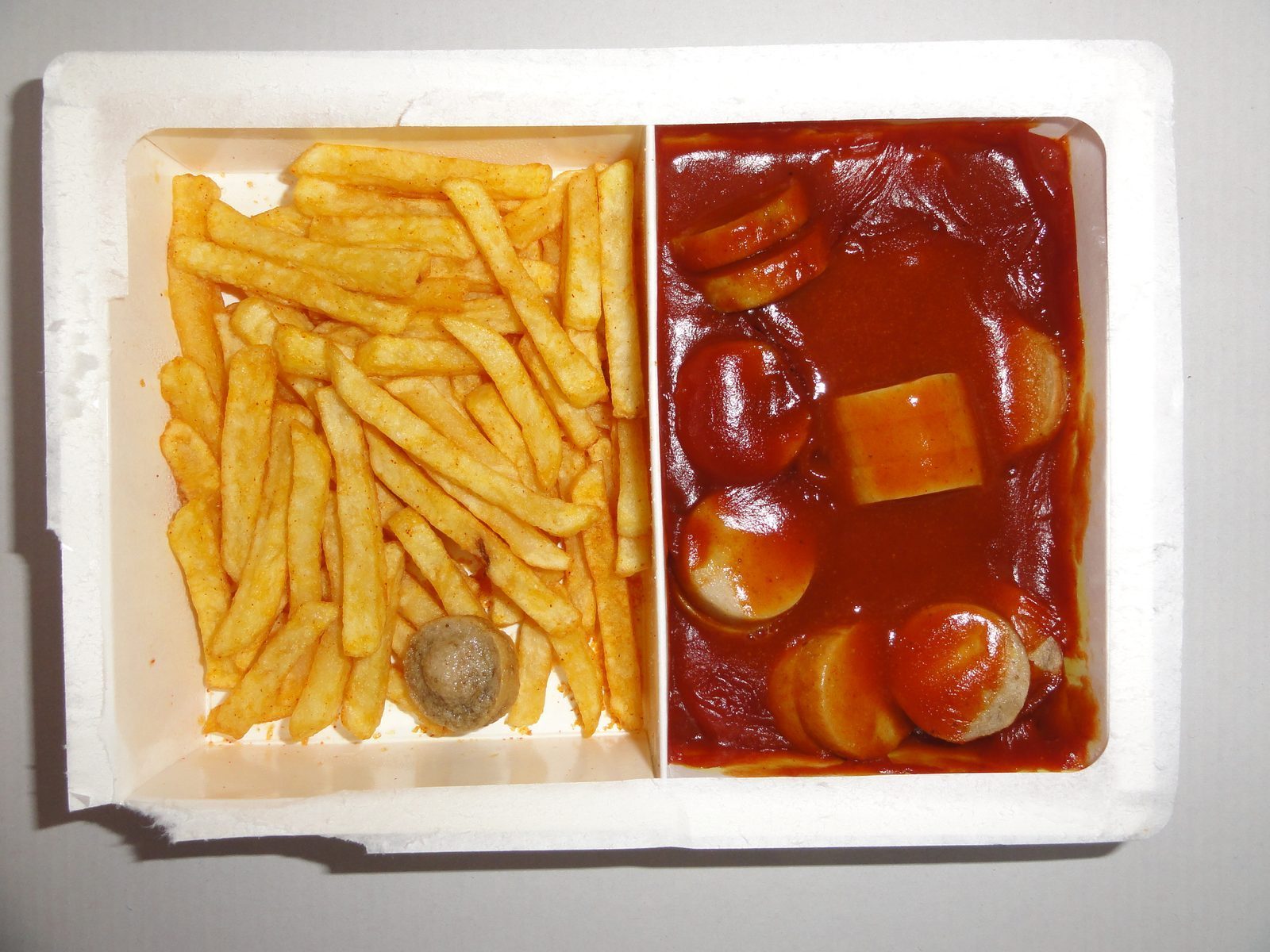
The “bites and minis” category represents one of frozen food’s fastest-growing segments, appealing strongly to younger demographics and busy families. Frozen bites and minis are popular among younger generations and families with young children. Consumption has increased 31% year over year. These smaller portions align perfectly with modern snacking culture and portion control preferences.
The top-growing category, frozen seafood bites, experienced a 50% growth year over year, while chicken bites grew 21%. In a time where protein content has become a more salient feature on products and one that consumers are increasingly interested in, protein-based bites, including steak and chicken, experienced double-digit Google search volume growth. These products blur the lines between snacks and meals.
Generation Gaps in Frozen Food Preferences
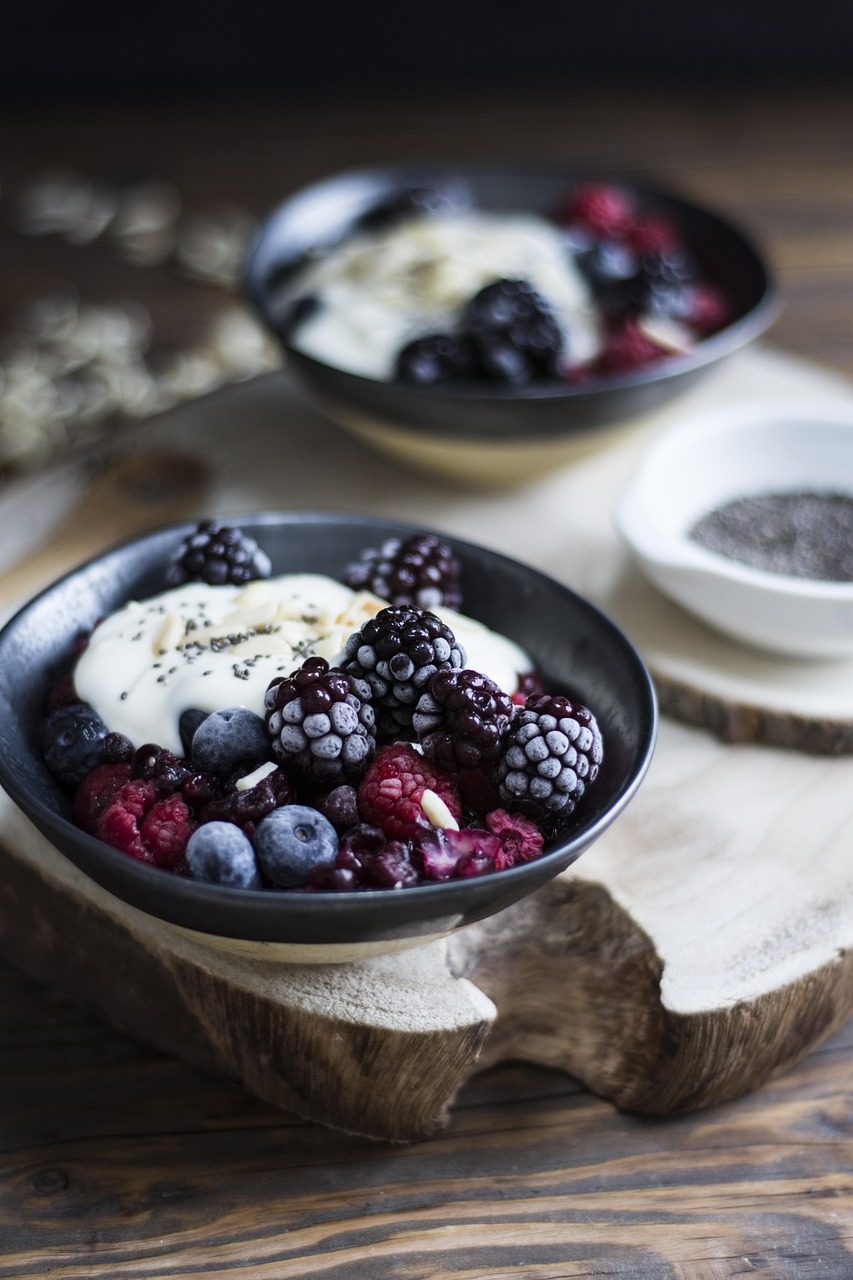
Different generations approach frozen dinners with distinct preferences and purchasing patterns. Generation X, that is those born between 1965 and 1979, were the heaviest consumers as ** percent stated to consume frozen ready-made meals on a regular basis. This generation grew up during frozen food’s mainstream adoption period.
In the last three months, 41% of shoppers purchased individual size frozen meals weekly, or every time they shop, according to Brightfield Group’s Q3 2023 survey. This compares to 23.8% for 2-serving size and 20% for family-sized portions. Single-serve portions dominate purchasing decisions across all age groups, reflecting changing household compositions and lifestyle priorities.
Technology Revolution in Home Cooking
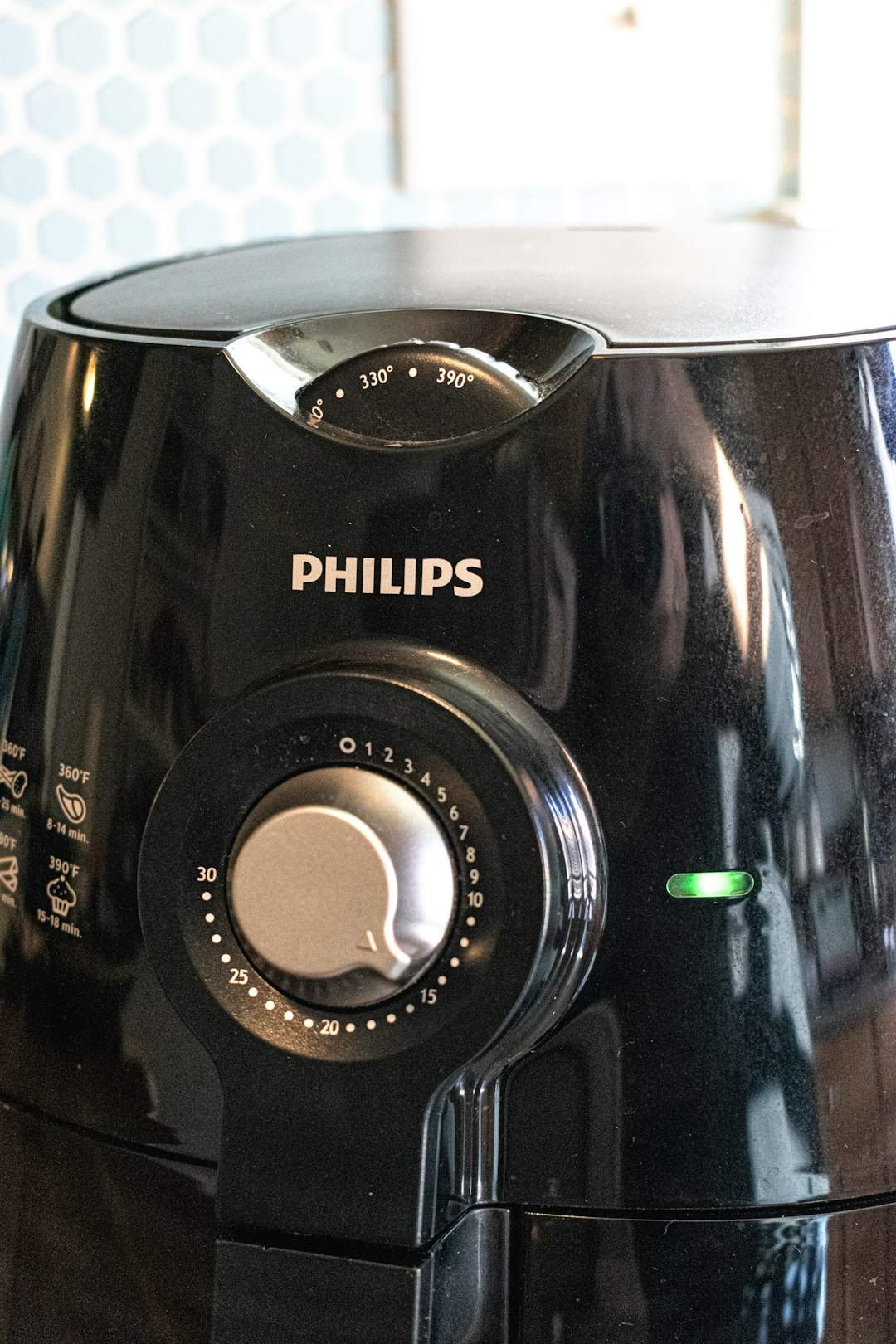
Air fryers and other modern appliances have revolutionized how Americans prepare frozen meals, creating new quality expectations and cooking methods. More than half of Americans have frozen food on hand, especially vegetables, and nearly half now own at least one secondary freezer. Home storage capabilities have expanded significantly, enabling bulk purchasing and meal planning strategies.
The appliance revolution affects product development too. Manufacturers now design frozen foods specifically for air fryer preparation, recognizing that consumers want crispy textures without traditional deep-frying methods. This technological shift has elevated the quality potential of frozen meals considerably from their microwave-only origins.
Economic Pressures Drive Practical Choices
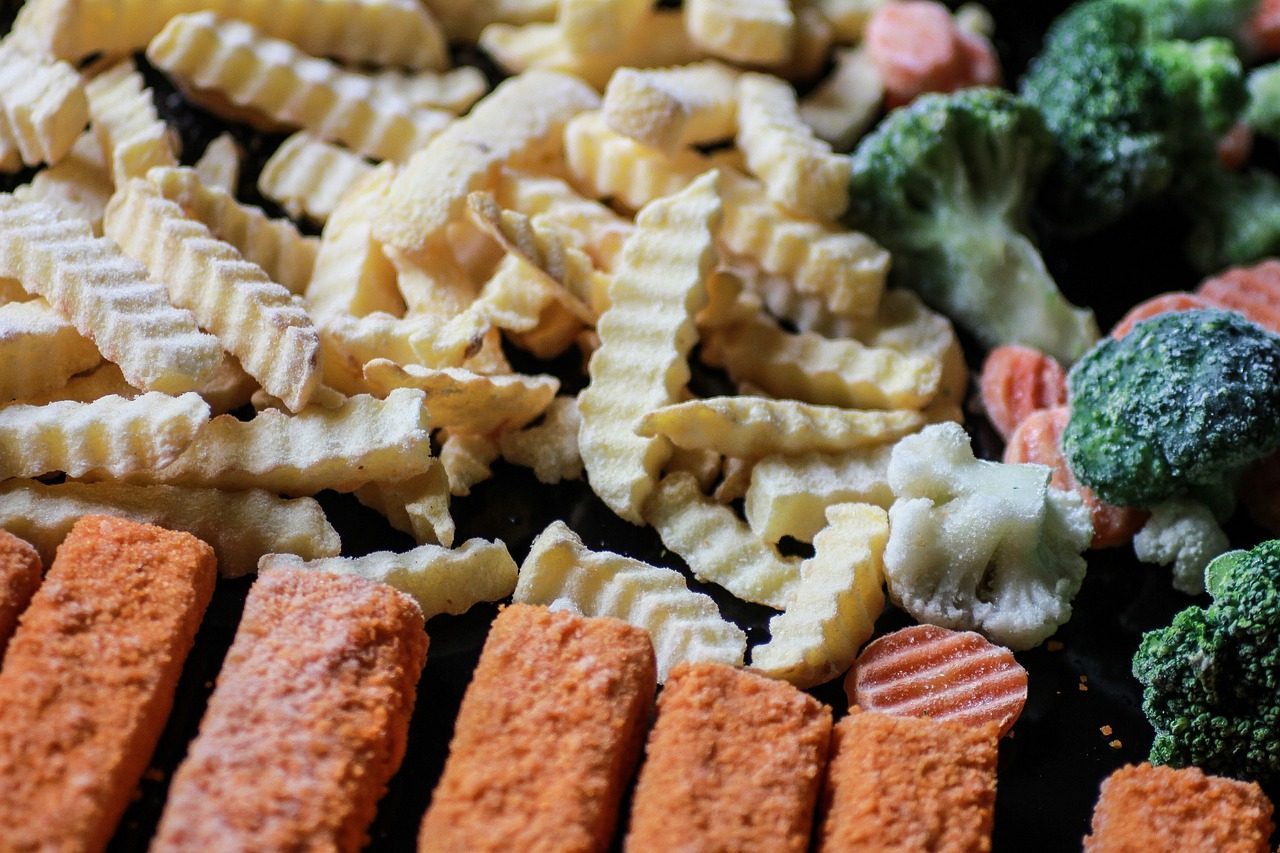
Rising restaurant costs and economic uncertainty push more Americans toward frozen alternatives that deliver similar satisfaction at fraction of the price. Research from a March survey of more than 1,200 consumers found that between 70% and 80% of diners – depending on the generation – have been eating at home more often in response to rising prices.
Notably, 47% of consumers cite the ease of preparation, which saves time on cooking and cleaning, as a primary motivator. Similarly, 47% report eating more meals at home, driving the demand for convenient food options. The dual pressures of time scarcity and budget consciousness create perfect conditions for frozen dinner adoption.
E-commerce Transforms Shopping Habits
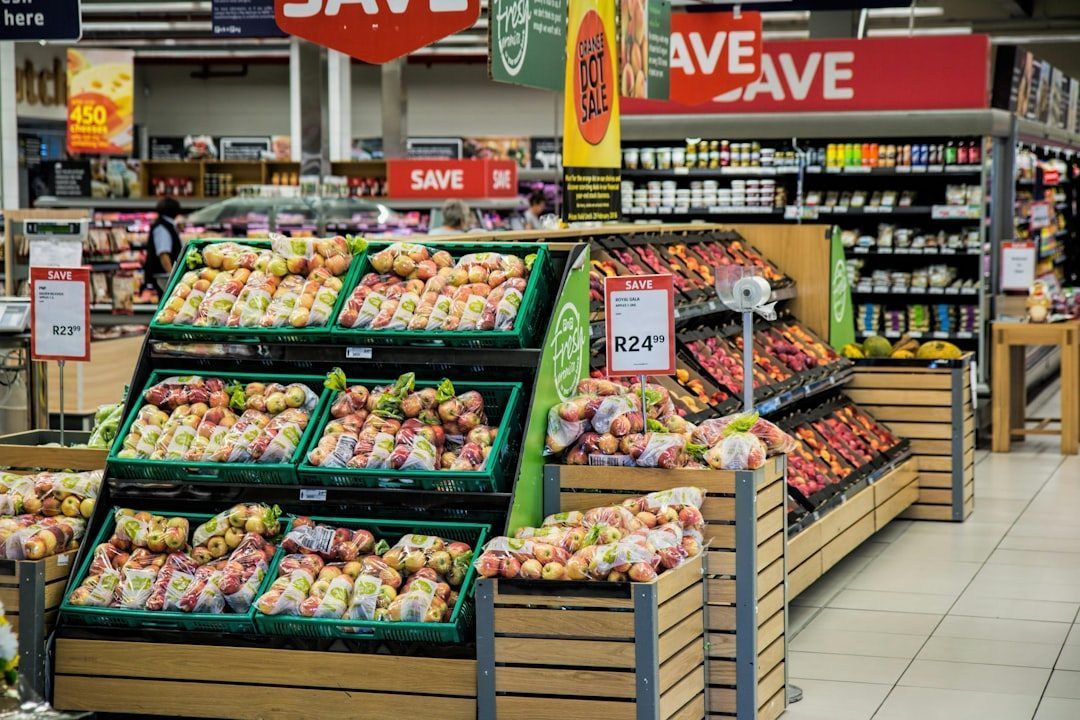
Online grocery shopping has fundamentally altered how Americans discover and purchase frozen dinners. Online sales of frozen foods surged by 75% in 2020, with frozen dinners/entrees, meat, poultry, and seafood leading the way. However, online shoppers may overlook new items, with 7% unsure where to find them and 26% rarely or never browsing for new products.
In 2024, over 138 million Americans purchased groceries online, but only 9.5% of U.S. supermarkets currently offer online grocery fulfillment – showing massive untapped potential. The convenience of doorstep delivery removes traditional barriers to frozen food purchasing, especially for families juggling multiple responsibilities.
The transformation of American frozen dinner consumption represents more than a simple shift in eating habits. It reflects broader changes in lifestyle, technology, global culinary awareness, and economic realities. What began as emergency meal solutions has evolved into a sophisticated market segment that captures over ninety billion dollars annually. The industry’s ability to adapt to health trends, embrace global flavors, and leverage celebrity endorsements demonstrates remarkable innovation within traditional food manufacturing constraints. What do you think about this frozen food revolution? Tell us in the comments.