The Story Behind the Invention of the Potato Chip, Data Shows
The origins of America’s beloved potato chip remain shrouded in layers of myth and conflicting claims, despite extensive research into this crunchy snack food phenomenon. Nobody knows for sure who invented the potato chip or where it was invented, yet the small town of Saratoga Springs, New York, has cemented its place in culinary history as the birthplace of what we now consume in staggering quantities. Modern data reveals that Americans consumed about 1.5 billion pounds of potato chips annually, with 284.37 million consumers in 2020, rising to 292.95 million by the end of 2024. What started as an accidental creation in the mid-1800s has evolved into a global market estimated at USD 56.23 billion in 2025, expected to reach USD 76.82 billion by 2030.
The Multiple Origins Mystery at Saratoga Springs
The earliest documented connection to potato chips in Saratoga Springs involves not one, but several family members working at different establishments. Three of the most popular legends involve three people in a single family, two of whom are part African American and all three are at least part Native American.
A New York Herald article from 1849 notes the “fame of ‘Eliza, the cook,’ for crisping potatoes,” adding that “scores of people visit the lake and carry away specimens of the vegetable, as prepared by her, as curiosities”. This reference predates the more famous George Crum story by several years.
The confusion deepened when at least five different men and women have been credited as the creator of potato chips at Moon’s Lake House, a popular restaurant in the resort town of Saratoga Springs. Each claim has its supporters, making definitive attribution nearly impossible.
George Crum’s Rise to Culinary Fame
George Speck, also known as George Crum, was born July 15, 1824, in Saratoga County, New York, was a member of the Mohawk people, and worked as a hunter, guide and cook in the Adirondack Mountains before being hired at Moon’s Lake House near Saratoga Springs. One regular patron, Commodore Cornelius Vanderbilt, regularly forgot Speck’s last name and called him “Crum,” with Speck eventually embracing the name, saying that “a crum is larger than a speck”.
The legendary story claims that Crum became agitated when a customer sent his French-fried potatoes back to the kitchen, complaining that they were cut too thickly, so Crum reacted by slicing the potatoes as thin as he possibly could, frying them in grease, and sending the crunchy brown chips back out. However, modern research has largely debunked this tale.
Historian T.J. Stiles concluded “There is no truth to the tale” regarding Vanderbilt being the disgruntled customer, and Crum’s supposed role in inventing the potato chip seems to have gone largely unrecognized in his lifetime, even though he was widely known across the U.S. and celebrated for his cooking.
The Sister’s Accidental Discovery
When Catherine Wicks died in 1924, her obituary authoritatively identified her as follows: “A sister of George Crum, Mrs. Catherine Wicks, died at the age of 102 and was the cook at Moon’s Lake House. She first invented and fried the famous Saratoga Chips”. This claim suggests the true inventor might have been working alongside the more famous George Crum.
The popular narrative that George Crum invented the potato chip was eventually debunked by his sister Kate Speck who claimed she invented what would soon be known as the famous Saratoga chips, saying she sliced off a sliver of potato and it fell into a hot frying pan by accident. This accidental discovery story feels more believable than the elaborate customer complaint narrative.
The leading legend regarding Catherine is that while making crullers (donuts), she accidentally dropped a potato into a vat of hot fat, creating the first crispy potato chip through pure chance rather than culinary spite.
Evidence of Earlier Recipes Challenges All Claims
Research reveals that recipes for frying potato slices were published in several cookbooks in the 19th century, with a recipe for fried potato “shavings” included in a United States cookbook derived from an earlier English collection in 1832, and William Kitchiner’s The Cook’s Oracle (1817) also included techniques for such a dish. This timeline completely predates any Saratoga Springs claims.
Even Catherine Speck’s claim is undermined by the existence of cookbooks in the United States and Great Britain that described earlier versions of the chips that were called fried potato shavings. The evidence suggests that thinly sliced, fried potatoes were already being prepared in various forms across different regions.
What makes the Saratoga connection significant isn’t necessarily the invention itself, but rather the popularization and branding that followed. The chips became popular and subsequently known as “Saratoga chips” or “potato crunches,” and for years, they were known as Saratoga chips, still sold under that name today.
The Marketing Myth Evolution

In the 1980s, folklorists William S. Fox and Mae G. Banner traced the evolution of the legend, finding that Moon’s Lake House received credit for the potato chip in the mid-1800s, the first known mention of Crum’s involvement dated to 1885, and Vanderbilt was first introduced in an advertisement produced 120 years after the supposed invention. This timeline shows how legends grow and evolve over time.
Most of the stories claiming Crum to be the inventor of the potato chip are sourced back to Harvey Noss and the snack trade association that he founded. Industry promotion played a significant role in cementing certain versions of the origin story.
According to Snopes, George Crum “never made the claim that he had invented the potato chip, let alone claimed the tale as his own – those assertions emerged only many years after his death”. This posthumous attribution raises questions about the authenticity of the entire narrative.
Crum’s Restaurant Empire and Legacy

Regardless of invention claims, George Crum built a remarkable culinary empire. In 1860, Crum opened his own restaurant, “Crumbs House,” near Saratoga Lake where he catered to an upscale clientele including William Vanderbilt, Cornelius Vanderbilt, and Jay Gould, with one of the restaurant’s attractions being a basket of potato chips placed on every table.
George Crum opened Crum’s Place in Malta, New York in 1860, where he provided every table with a basket of chips, and the chips remained a delicacy for the elite until the 1920s when entrepreneur Herman Lay brought them to the South to introduce them to a wider audience. His restaurant operated successfully until 1890.
Crum never patented or attempted to widely distribute his potato chips, but they were soon on their way to becoming an international phenomenon with the help of aspiring snack food entrepreneurs around the country. This decision to keep his creation local may have cost him millions in potential revenue.
Laura Scudder’s Packaging Revolution
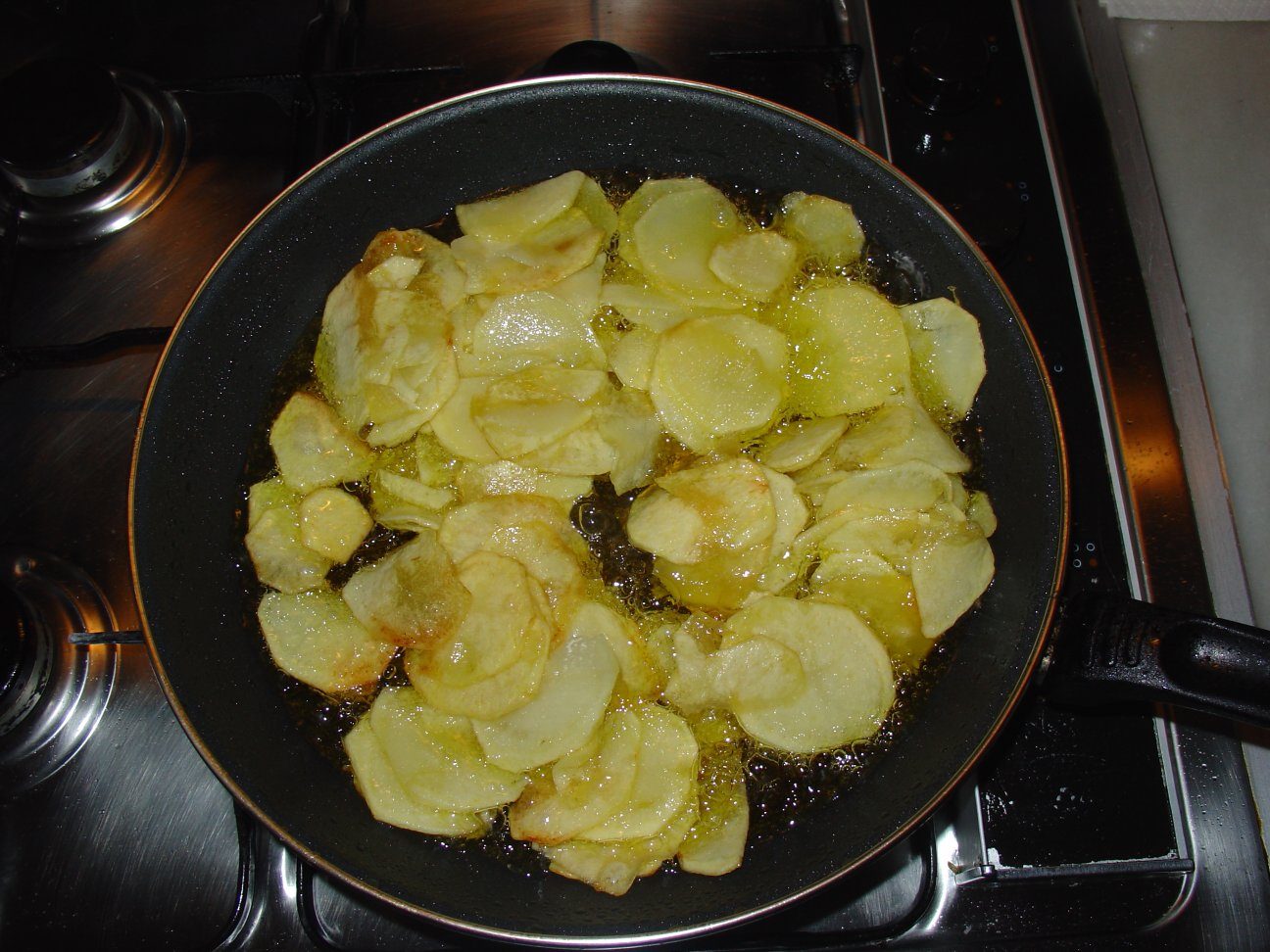
In 1926, Laura Scudder produced her first batch of kettle fried potato chips in the kitchen of her home, beginning with 200 pounds of potatoes washed, peeled, and sliced by hand, and started paying female employees to take home sheets of wax paper and iron them into the form of bags, which were then filled with chips at her factory the next day. This innovation would transform the entire industry.
From the early 1900s, potato chips were distributed in bulk to stores, with customers sold smaller portions in paper bags filled from barrels or glass display cases, and by the time the chips arrived home, chips at the bottom of the bags or tins were stale and crumbled. Scudder’s packaging solved this fundamental problem.
She found that her wax paper bags kept the chips fresher longer, more protected from contaminants, and less likely to be crushed, revolutionizing the potato chip industry, and is credited with being the first to imprint a freshness date on food products. These innovations became industry standards that persist today.
The Birth of Mass Production
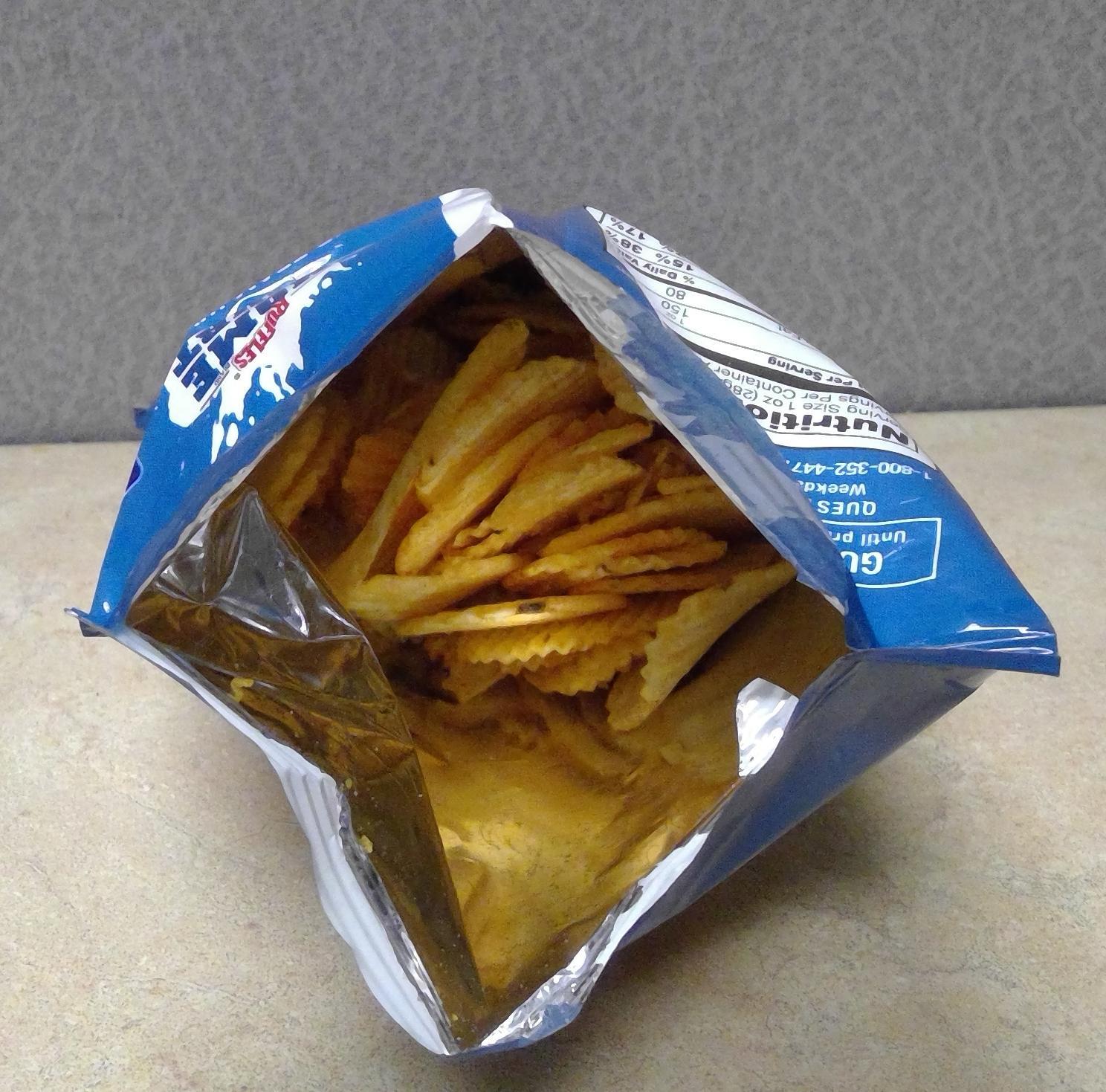
In 1895, a man named William Tappenden began making potato chips for sale to local grocery stores, at first in his kitchen and later in a makeshift factory behind his house, marking the first attempt by any person to put potato chips onto grocery store shelves. This represented the transition from restaurant delicacy to consumer product.
Soon grocers around the United States were selling chips in bulk from barrels or glass display cases, then in 1926 Laura Scudder came up with the concept of putting potato chips into wax paper bags creating the “bag of chips” concept, and in 1932 Herman Lay founded Lay’s in Nashville, Tennessee, with his potato chips becoming the first successfully marketed national brand.
The progression from local specialty to national phenomenon required multiple innovations in packaging, distribution, and marketing that took nearly a century to fully develop.
Modern Consumption Data and Market Growth

Today’s potato chip industry represents massive economic activity. The U.S. potato chips market size was valued at USD 10.07 billion in 2023 and is projected to grow at a CAGR of 5.7% from 2024 to 2030.. Industry revenue has grown at a CAGR of 0.8% over the past five years, to reach an estimated $12.3 billion in 2025, with the market size of the Potato Chip Production industry in the United States at $12.3 billion in 2025.
The fried potato chips segment dominated the market and accounted for 59.1% market share in 2023, widely favored for their crispy texture and savory flavor preferred by many consumers seeking snack options. An estimated 11.2 million pounds of potato chips are consumed on Super Bowl game day in the United States alone.
More than 65% of Americans consume potato chips weekly, with 22% opting for baked or low-fat options, while regional flavors like barbecue and spicy variants make up over 30% of new product sales. These statistics demonstrate the snack’s enduring popularity across different demographic groups.
Health Trends and Industry Innovation

Baked potato chips segment is expected to witness the fastest growth with a CAGR of 6.1% over the forecast period, as awareness about health and wellness increases and more consumers seek snacks perceived as healthier alternatives to traditional fried potato chips. The organic/natural potato chips segment is projected to grow at the fastest rate registering a CAGR of 8.3%, with organic snack food sales in the U.S. growing by 12% in 2023 compared to the previous year.
Over 60% of consumers prefer ready-to-eat snacks and 31% actively choose health-focused potato chip options, with 60% of consumers preferring ready-to-eat snacks and 31% actively choosing health-focused potato chip options. This shift toward healthier alternatives is driving innovation across the industry.
Companies are focusing on packaging innovations to meet sustainability goals and comply with regulations, as demonstrated by Frito-Lay’s commitment to achieve 100% recyclable or compostable packaging by 2025, with this combined emphasis on flavor development and sustainable packaging helping companies maintain competitive advantages.
The story behind the potato chip’s invention reveals how food legends often matter less than the innovations that follow. While we may never know exactly who first dropped a thin slice of potato into hot oil, the data clearly shows that this accidental discovery became one of America’s most successful snack foods. From mysterious origins in 1850s Saratoga Springs to today’s billion-dollar global industry, the potato chip’s journey reflects changing consumer habits, technological advances, and the power of effective marketing to create enduring food traditions.