You Can’t Order These 8 Classic Sandwiches at Most Delis Anymore
Liverwurst on Rye with Raw Onions

Liverwurst was once the choice for anyone who wanted a sandwich with character. The soft liverwurst, sharp raw onion rings, and a streak of spicy mustard hit like old world comfort, with a silky texture and pleasantly funky flavor. It wasn’t subtle. The strong, earthy taste demanded commitment from anyone brave enough to order it, creating devotees who couldn’t get enough of the organ meat paired with the bite of raw onions.
Liverwurst’s popularity peak in the U.S. lasted from the 1940s to the 1970s, but by the 2020s, it had disappeared from the mainstream, even in deli hotbeds like New York City. As palates drifted, fewer shops started slicing it fresh and many began shying away from offal entirely. By the 2020s, liverwurst had disappeared from the mainstream. After 2024, what little liverwurst that remained in distribution grew even more rare. One of the few companies still making it, Boar’s Head, ended production after an outbreak of the foodborne pathogen listeria at a Virginia processing plant directly led to the deaths of nine people.
Olive Loaf on White Bread
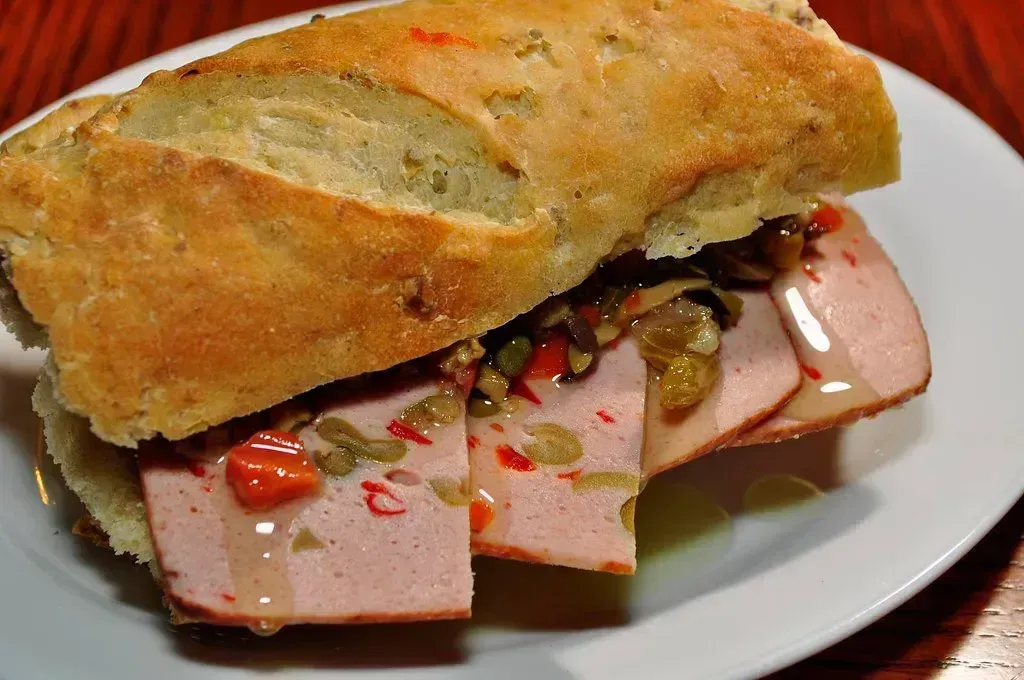
Picture pink bologna studded with bright green olives, sliced thin and slapped onto soft white bread with nothing but yellow mustard. Olive loaf was a lunchbox favorite particularly in the late 1960s and early 1970s, when supermarket delis began to grow in popularity and olive loaf was one of the standout offerings. The briny pop of those pimiento-stuffed olives cut through the processed meat in a way that actually worked, creating something memorable for an entire generation of schoolkids.
So where did it go? Through the 1990s, bologna sales in general fell one percent each year, according to Michael Moss in his 2013 book “Salt Sugar Fat.” This steady decline, coinciding with an intentional shift towards lower-fat diets, likely explains why olive loaf has practically disappeared from store shelves, leaving a new generation largely unfamiliar with what was once a popular deli meat. Oscar Mayer revealed that olive loaf was discontinued in a comment on Facebook in 2025, with other brands also hard-pressed to find, as Boar’s Head claimed to be striving to restock stores in 2025 but it’s no longer on their website’s product page. It’s hard to say if olive loaf will ever make a comeback, especially with younger generations labeling it as “weird.”
Beef Tongue with Horseradish and Pickles
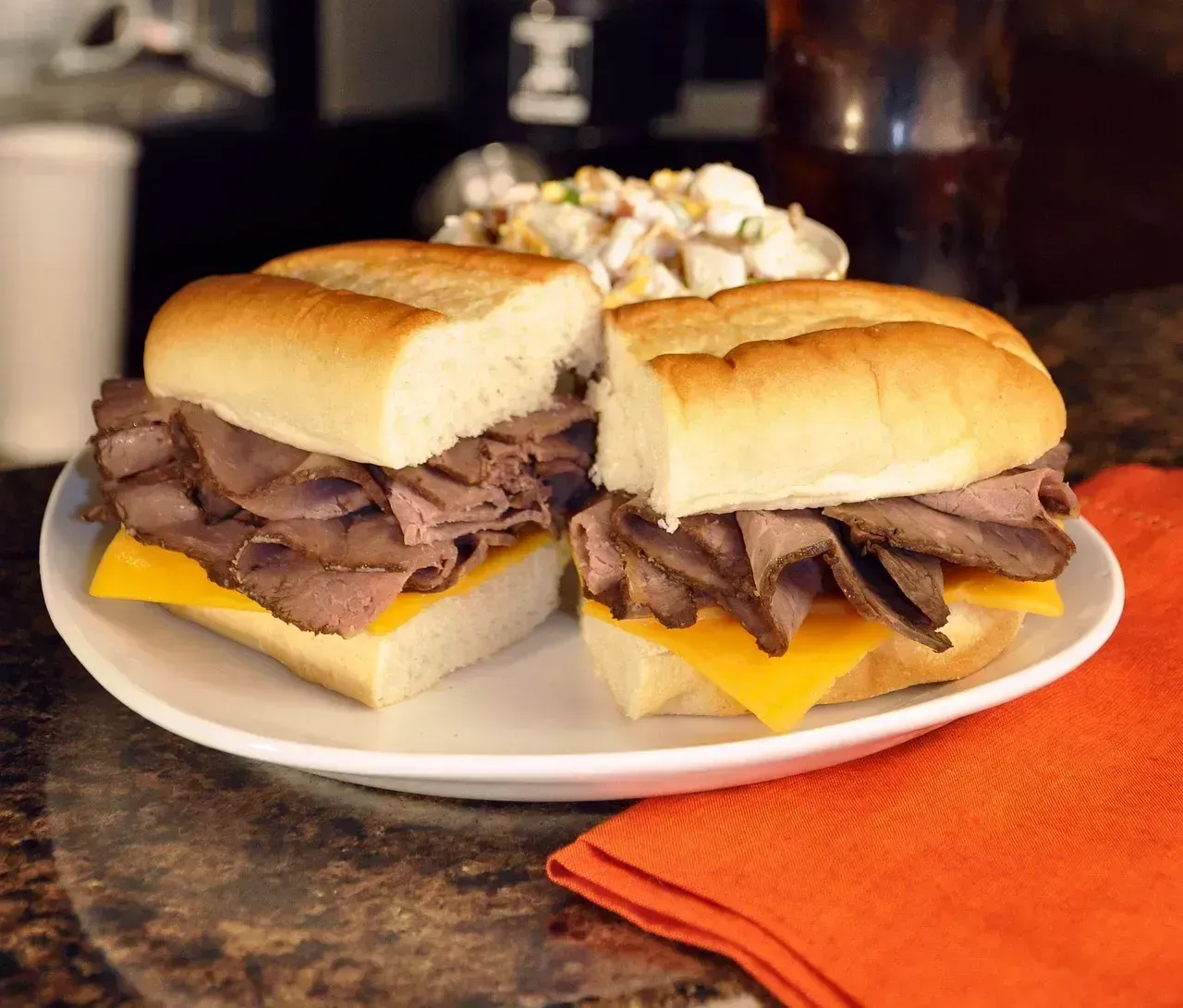
This one isn’t for everyone. Tongue was an exceptionally cheap cut of meat, so people got creative cooking it through broiling, baking, or serving it corned, slicing it up for sandwiches with horseradish and pickles, with popularity stemming more from necessity than flavor. Yet for those who acquired the taste, tongue offered surprisingly tender meat with a delicate texture you couldn’t get from regular cuts.
Beef prices eventually dropped, and other cuts of the animal became less pricey, so people were once again able to select the cuts of meat they actually wanted to eat, not just what they could afford. Beef tongue sandwiches are still important in Jewish food culture, and it can still be found in more traditional delis. Katz’s Deli in New York still serves it, bless them. Still, most folks today would rather not think about where their sandwich came from, which probably explains why tongue never made a mainstream comeback.
Chopped Liver Sandwiches
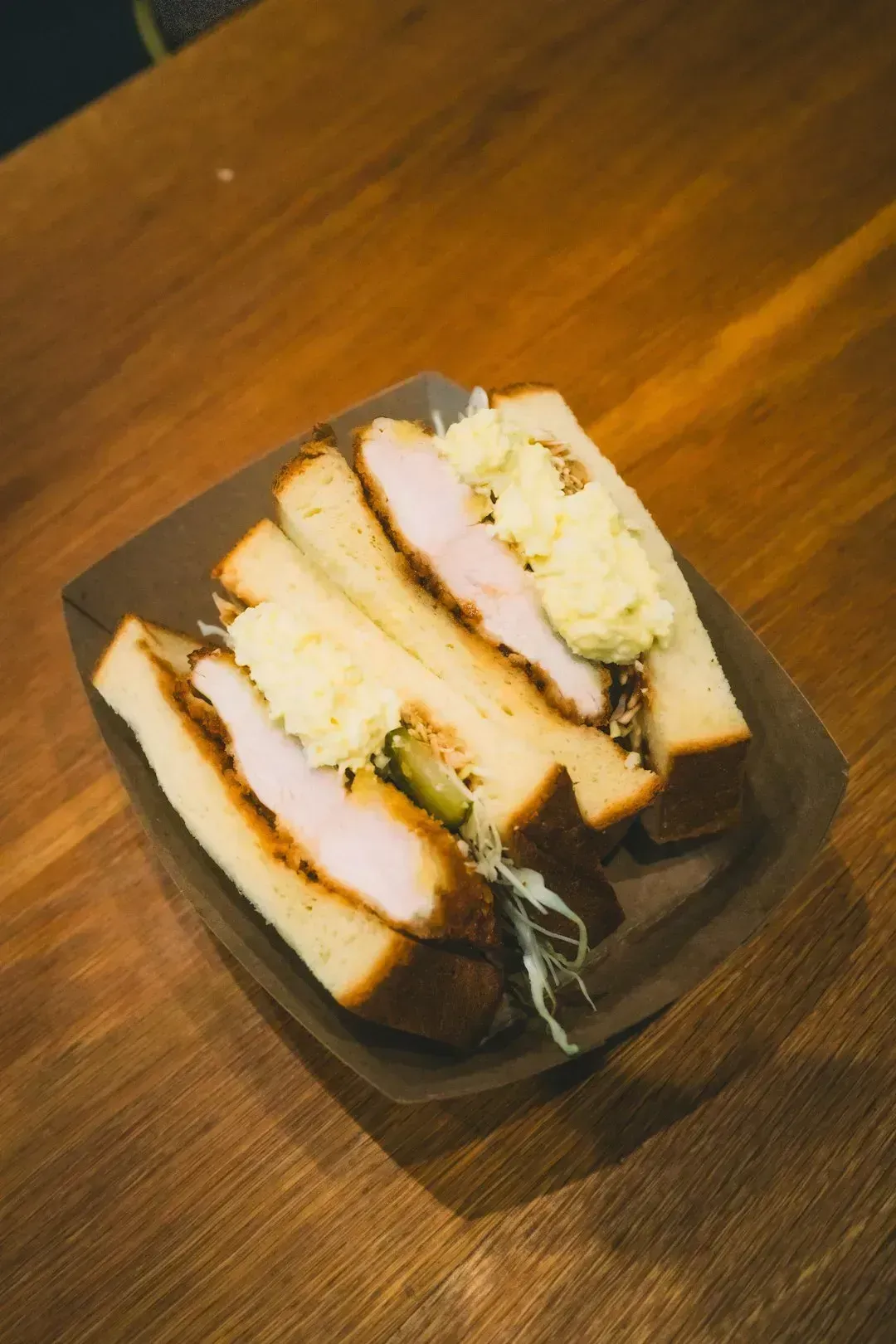
Walk into any Jewish deli in the early Sixties and you’d find chopped liver sandwiches proudly displayed right alongside pastrami and corned beef. This spread made from chicken livers, hard-boiled eggs, and schmaltz (rendered chicken fat) was a delicacy that regular customers ordered without hesitation. Slathered thick on rye bread, it represented a cornerstone of traditional Jewish-American deli culture.
Beef tongue holds a symbolic place in Jewish culinary heritage. Some Sephardic communities serve it during the high holidays as a wish to move forward in the year ahead. This reverence carried over to the classic deli, where tongue became a staple sandwich, prized for its rich, tender texture, and always on rye. Let’s be real, younger diners just don’t gravitate toward organ meats the way their grandparents did. The change in tastes pushed chopped liver from a daily staple to an occasional specialty item that you’ll only find in the most traditional establishments.
Ham Salad on a Roll
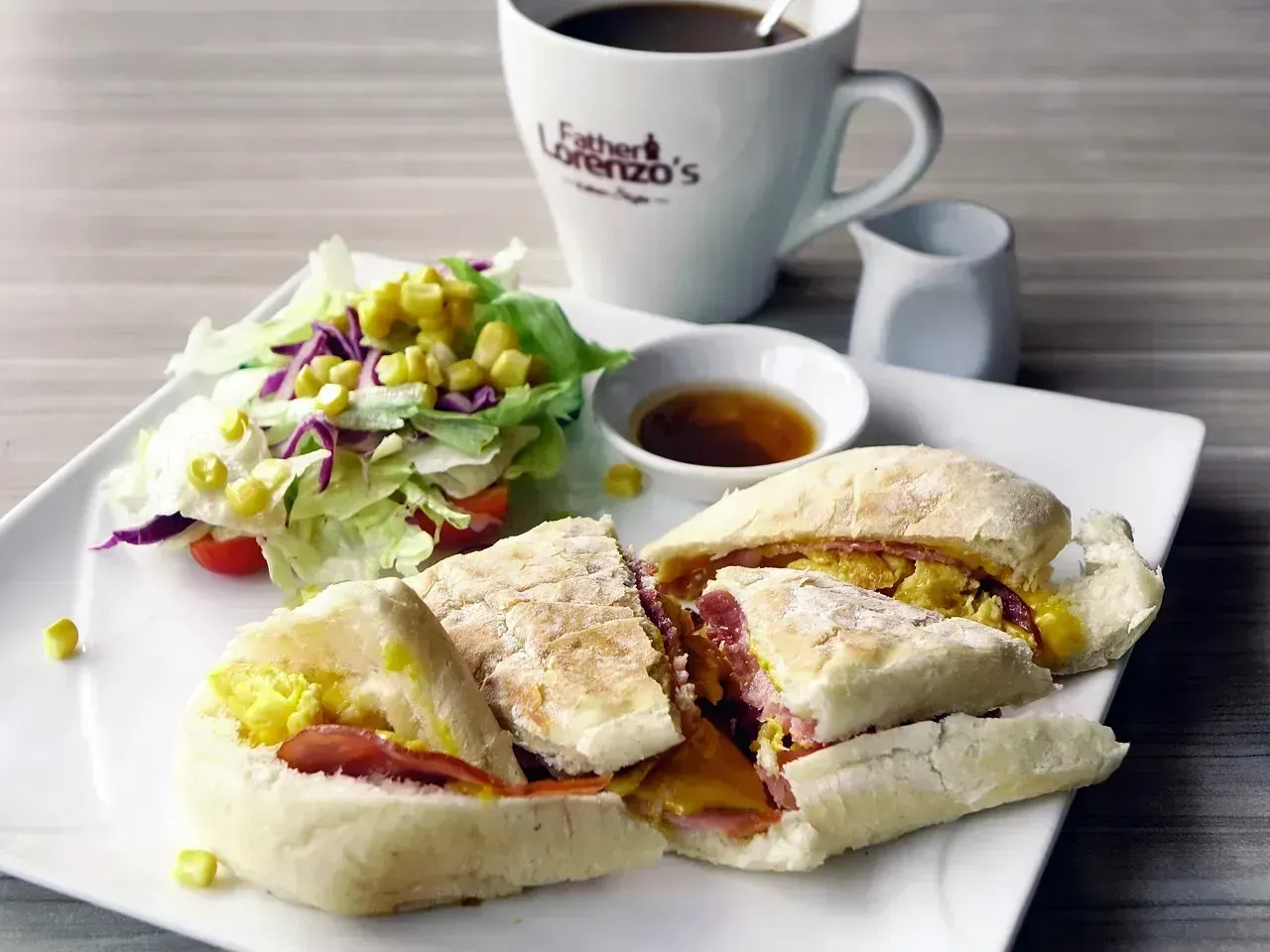
Ham salad was once a deli counter staple, a simple mixture of chopped ham, mayonnaise, and sometimes a bit of pickle relish, spread thick on a soft roll or sliced bread. It offered a straightforward, satisfying lunch that didn’t require much fuss. You could grab it quickly, and it hit the spot every time.
Prepacked options and sodium fears nudged ham salad away, with people worrying about mayo sitting out. Food safety concerns killed many a mayo-based sandwich, fair or not. The rise of individually wrapped, preservative-laden alternatives made fresh-made ham salad seem risky by comparison. If you find a deli making it fresh today, you just scored a throwback win. The texture’s weird if you’re not used to it, especially for people accustomed to modern, ultra-processed sandwich fillings.
Egg Salad on Pumpernickel
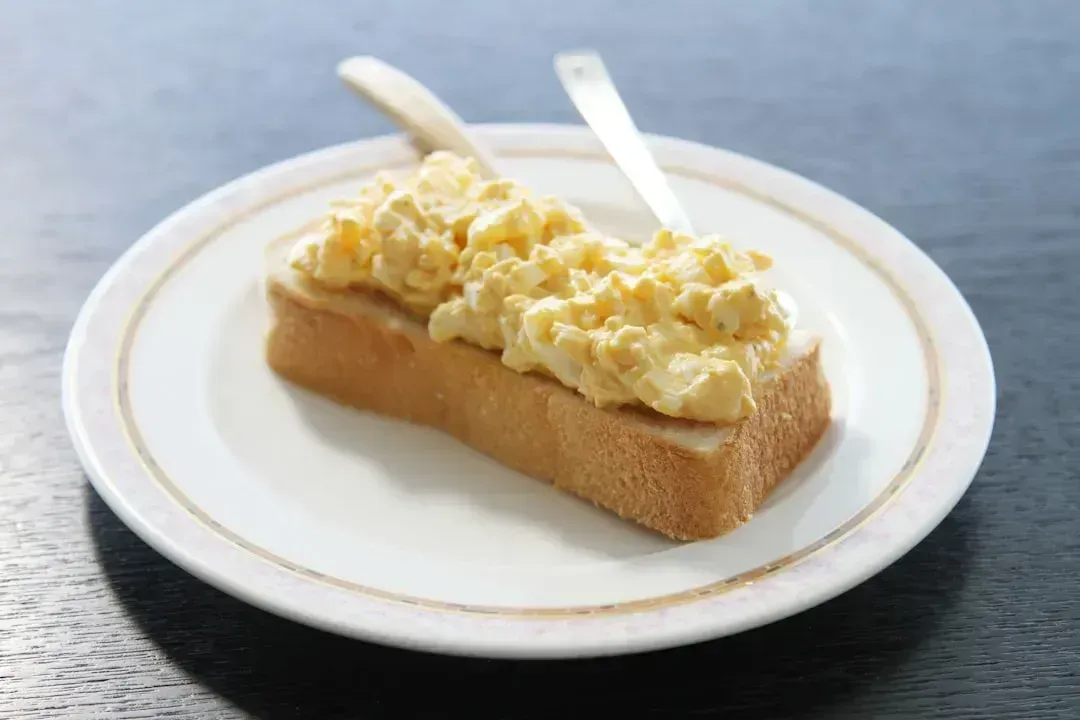
Delis once stacked this simple favorite without apology, with chopped eggs, a hint of mayo, a dash of paprika, and fresh dill meeting dark pumpernickel, with the bread turning it into something deeper and slightly sweet. The dense, almost cake-like texture of pumpernickel provided the perfect vehicle for creamy egg salad, adding complexity that white bread never could.
Here’s the thing: this wasn’t just egg salad. The pumpernickel made all the difference, transforming a basic combination into something worth seeking out. Yet as delis modernized and streamlined their offerings, the egg salad on pumpernickel quietly disappeared from most menus. You’ll still find egg salad sandwiches, sure, typically on white or wheat bread. Finding that dark, slightly sweet pumpernickel paired with egg salad? That’s become a rare gem in today’s delis, lost to the push for faster service and more familiar options.
Sardine Sandwiches
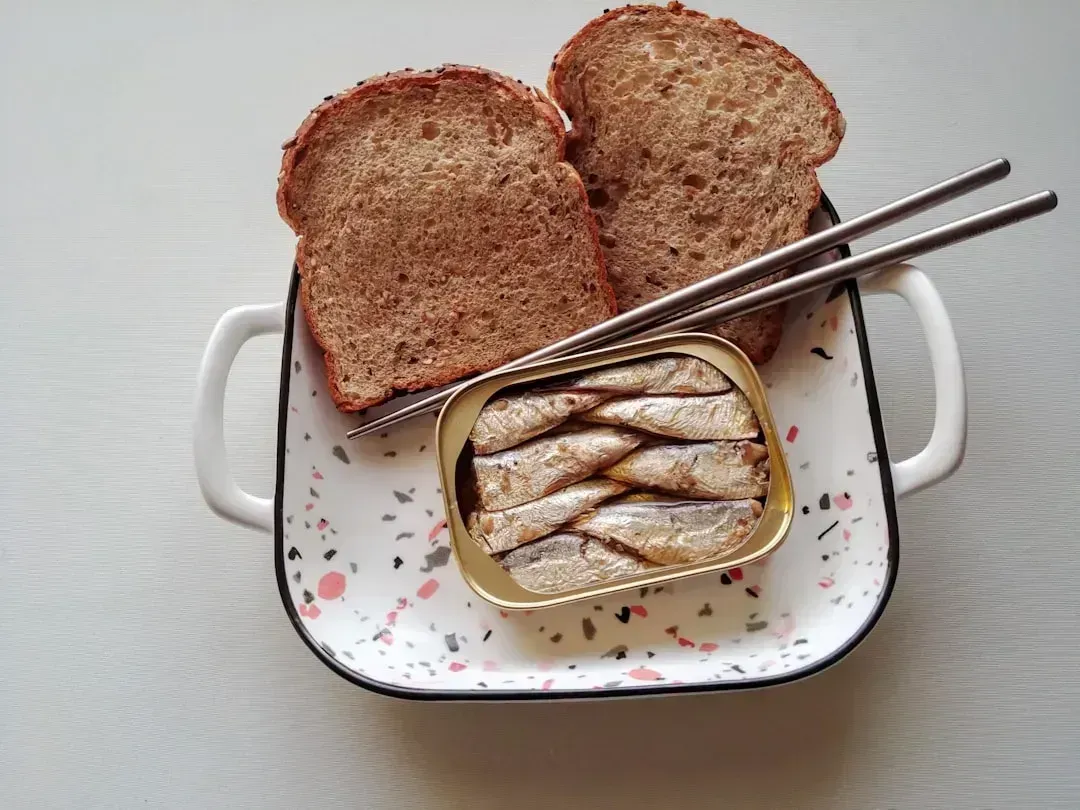
Sardine sandwiches were once common fare at lunch counters across America. Fishermen and working-class folks appreciated the convenience and affordability of these tiny fish, packed tightly in tins and smashed onto bread with a bit of mustard or onion. The strong, briny flavor didn’t bother anyone back then; it was just lunch.
In the 1950s, as commercial tuna fleets boomed, sardines fell to the wayside, with tuna being less fishy tasting, thus more appealing to more people, and at the time, cheaper than sardines, while chunks of tuna were likely easier for squeamish diners to handle than whole sardines. Tuna salad became America’s fish sandwich of choice, leaving sardines in the dust. Though sardines themselves have regained favor as a more sustainable option than tuna, the sardine sandwich hasn’t reclaimed its former glory. Maybe there’s hope for a comeback after all, though I wouldn’t hold my breath waiting.
Pimiento Cheese Club Sandwiches
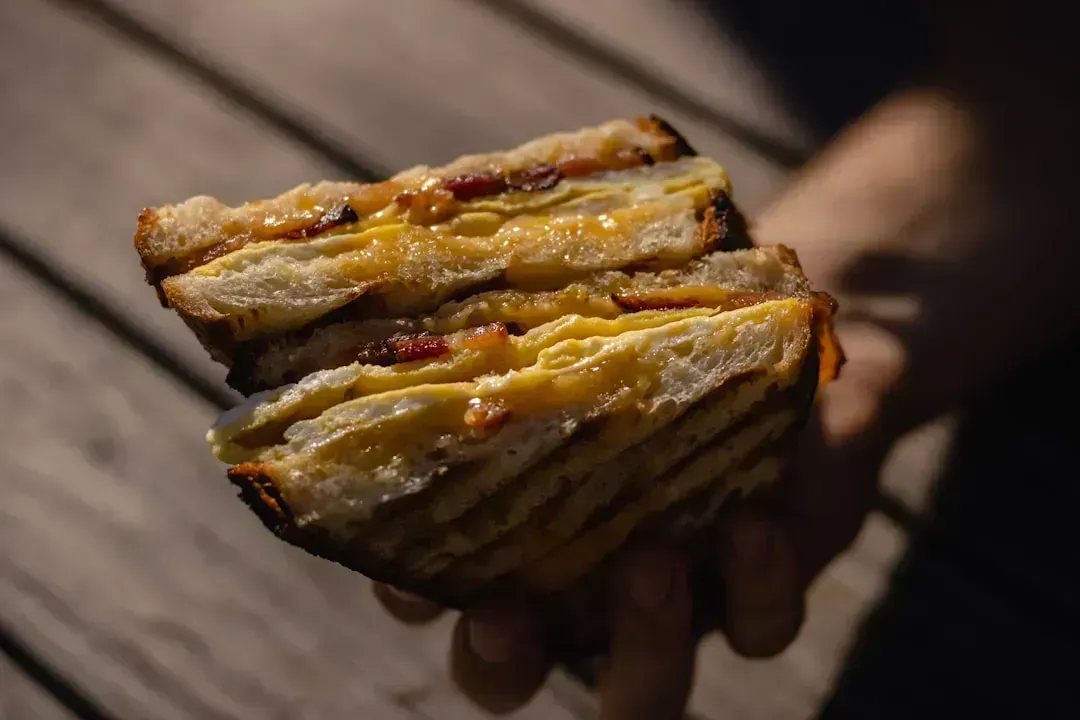
Before avocado toast conquered America’s brunch menus, there was pimiento cheese – the ‘caviar of the South’ that somehow made its way onto deli counters across the entire country during the mid-20th century. This creamy blend of sharp cheddar, mayo, and those distinctive red pimientos wasn’t just a Southern thing back then; delis from Boston to Seattle served it as a triple-decker club sandwich with crispy bacon, lettuce, and tomato on toasted white bread. The sandwich had this incredible combination of tangy, smoky, and creamy that made it a lunchtime favorite for secretaries and businessmen alike.
While pimiento cheese never really disappeared in the South (you can still find it at every church potluck and country club), it completely vanished from Northern deli menus by the early 2000s. Some food historians blame the rise of more sophisticated sandwich fillings like sun-dried tomato spreads and artisanal aiolis, which made humble pimiento cheese seem old-fashioned. The shift in consumer preferences and the perception that it wasn’t elegant enough for modern tastes pushed it off most deli menus outside the South.
Conclusion

These once-beloved sandwiches tell a larger story about how tastes change, menus evolve, and food traditions quietly fade away. While a few may still survive in old-school shops or regional delis, most have been pushed aside by modern trends and faster, more familiar favorites. Remembering them isn’t just about nostalgia – it’s a reminder of the rich, layered history behind everyday food and how easily it can disappear if no one asks for it anymore.