10 Electrical Add-Ons Inspectors Say Are Illegal – but Homeowners Keep Installing
Here’s the thing about electrical work in your home. The temptation to save a few hundred bucks can be powerful, especially when online tutorials make everything look ridiculously simple. Problem is, electrical inspectors across the country keep running into the same illegal installations over and over again. These violations can void your insurance, create serious fire hazards, and land you in expensive trouble when you try to sell your house.
Let’s be real. Most homeowners have no idea they’re breaking the law until an inspector shows up and drops a bombshell report. The following ten electrical add-ons are technically violations of building codes, yet people keep installing them anyway.
Extension Cords as Permanent Wiring
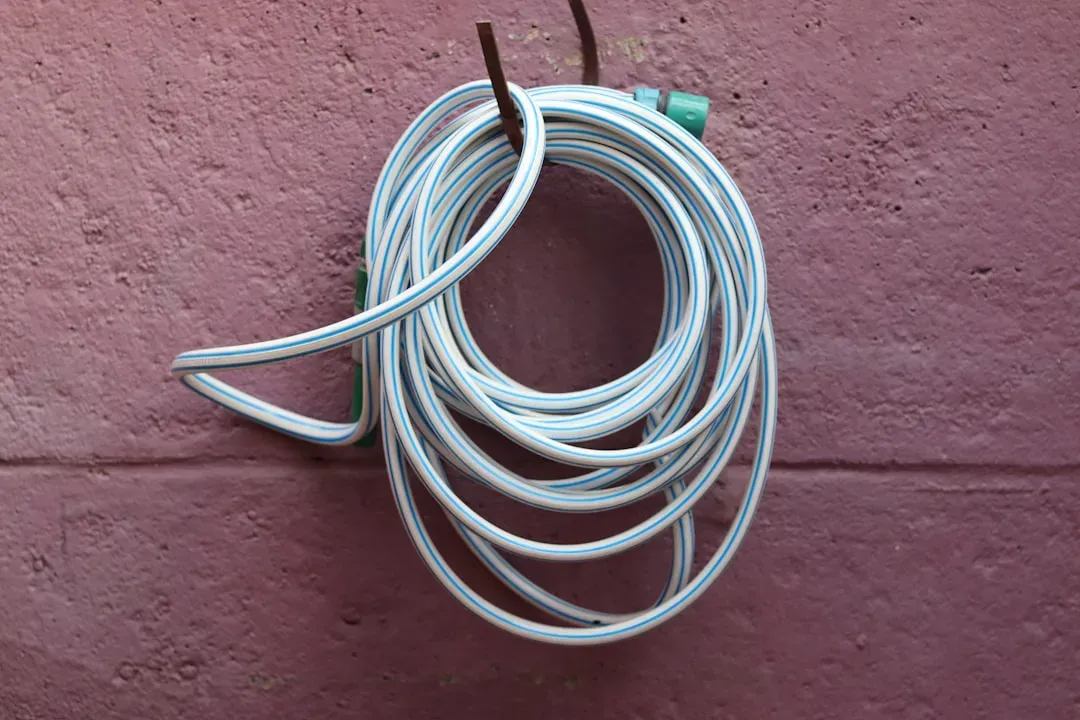
Extension cords are designed for temporary use and lack the insulation and load capacity needed for long-term power delivery, with fire investigators repeatedly linking permanent extension-cord setups to overheating and house fires. U.S. codes require fixed wiring to be installed in approved conduit, raceways, or walls. Yet homeowners continue snaking extension cords behind furniture, under carpets, and along baseboards as if they’re legitimate wiring solutions. According to CPSC estimates, there are some 4,600 residential home fires each year associated with extension cords; these fires kill 70 persons and injure some 230 others annually.
The real danger amplifies when you use these cords for high-demand appliances. Running your space heater or window AC unit through an extension cord is asking for trouble. OSHA’s regulations only allow extension cords to be used as temporary wiring for up to 90 days, with any cords in place over 90 days considered permanent wiring. Once that threshold passes, you’ve crossed into illegal territory whether you realize it or not.
Ceiling Fans Mounted to Standard Light Fixture Boxes
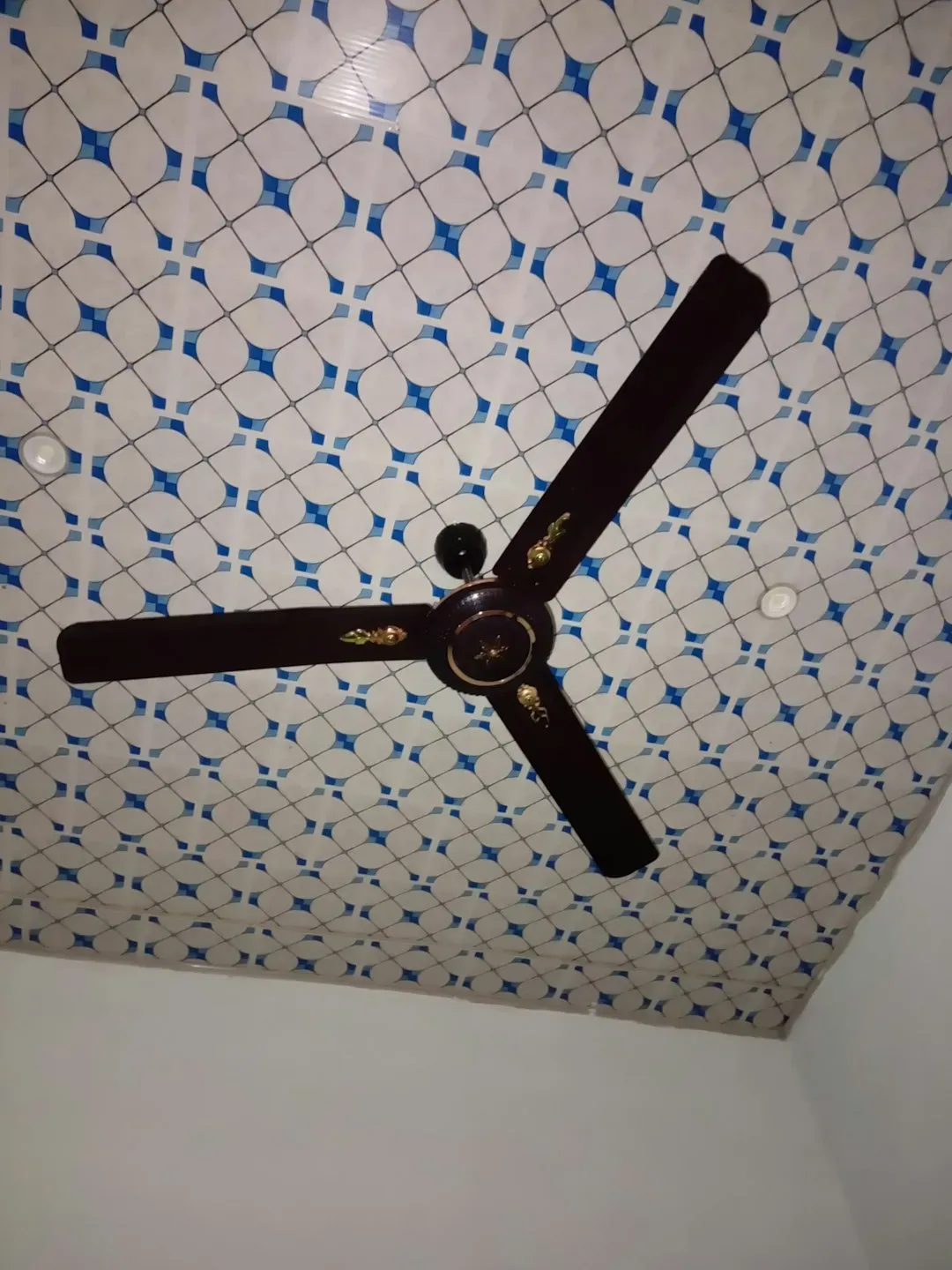
Some homeowners mount heavy ceiling fans to boxes designed only for light fixtures, with electricians warning that these boxes cannot handle the weight or vibration of fans, and failures having caused injuries and structural damage. U.S. building codes specify fan-rated boxes for any overhead fan installation. Think about it this way. A standard junction box might handle ten pounds of static weight, maybe.
Your ceiling fan weighs anywhere from fifteen to thirty pounds, plus it spins constantly, creating vibration forces that multiply the stress exponentially. The screws gradually work loose, the box pulls away from the joist, and suddenly you’ve got a dangerous projectile spinning above your head. Fan-rated boxes cost maybe ten bucks more than regular ones, yet this violation shows up constantly during home inspections.
Hidden Junction Boxes Behind Walls
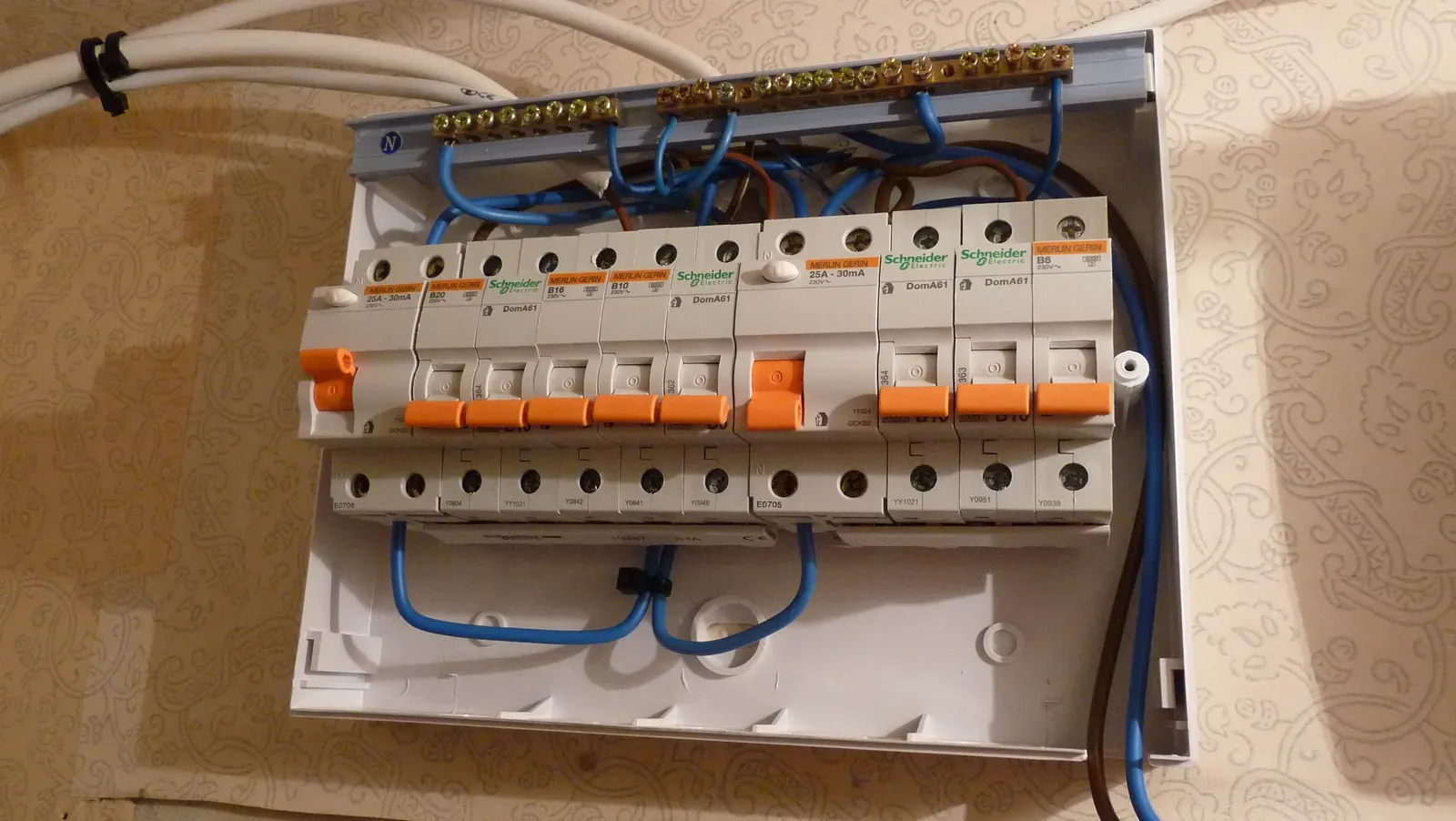
Junction boxes must remain accessible by law as required by the National Electrical Code, and hiding one behind drywall, cabinetry, or insulation prevents future inspections and increases the risk of unnoticed overheating or arcing, with electricians warning that concealed boxes are a leading cause of electrical fires. Honestly, this is one of those violations that seems harmless until you understand what happens when electrical connections fail inside an enclosed space with no ventilation.
Connections inside that box inevitably loosen over time. You need access to get in there and tighten things up periodically. Bury it behind sheetrock and you’ve created a ticking time bomb that nobody can defuse. Inspectors find this constantly during home sales, and it often derails closing deadlines while sellers scramble to find electricians to expose and repair the concealed work.
Bypassing GFCI and AFCI Protection Devices
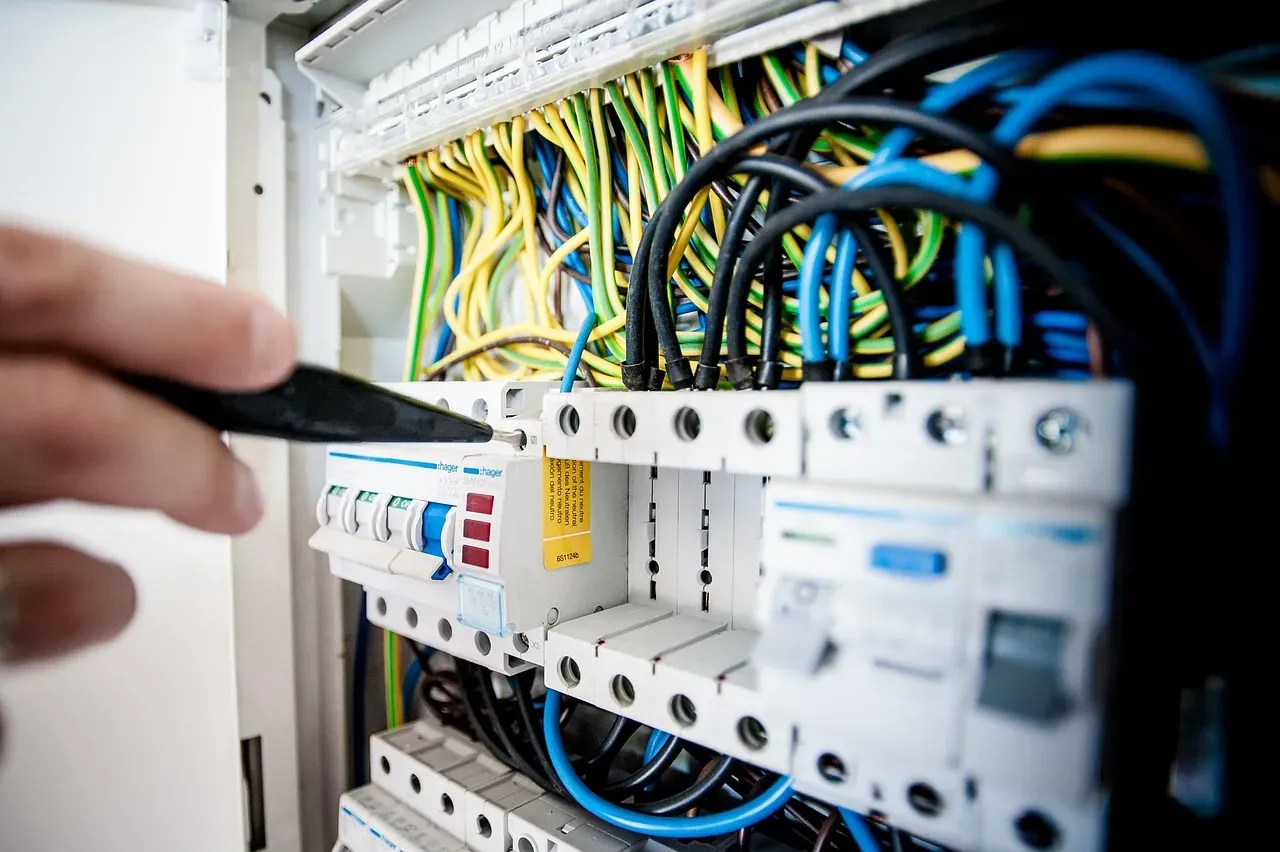
Some homeowners disable ground-fault or arc-fault protection because of nuisance tripping, but both devices are required by modern code in areas where shock or arc hazards are high such as kitchens, bathrooms, and bedrooms, with disabling them removing critical safety layers. Nothing frustrates a homeowner quite like a GFCI that keeps tripping, right? So what do some folks do? They bypass the protection entirely, which is spectacularly dangerous.
GFCIs detect tiny imbalances in current that indicate electricity is leaking somewhere it shouldn’t be, like through your body. AFCIs catch dangerous arcing conditions that can start fires behind your walls. When they trip, they’re literally trying to save your life or your house. If your GFCI keeps tripping, that’s a signal something is wrong with an appliance or the circuit itself, not a suggestion to disable safety equipment.
Backstabbed Outlets and Switches
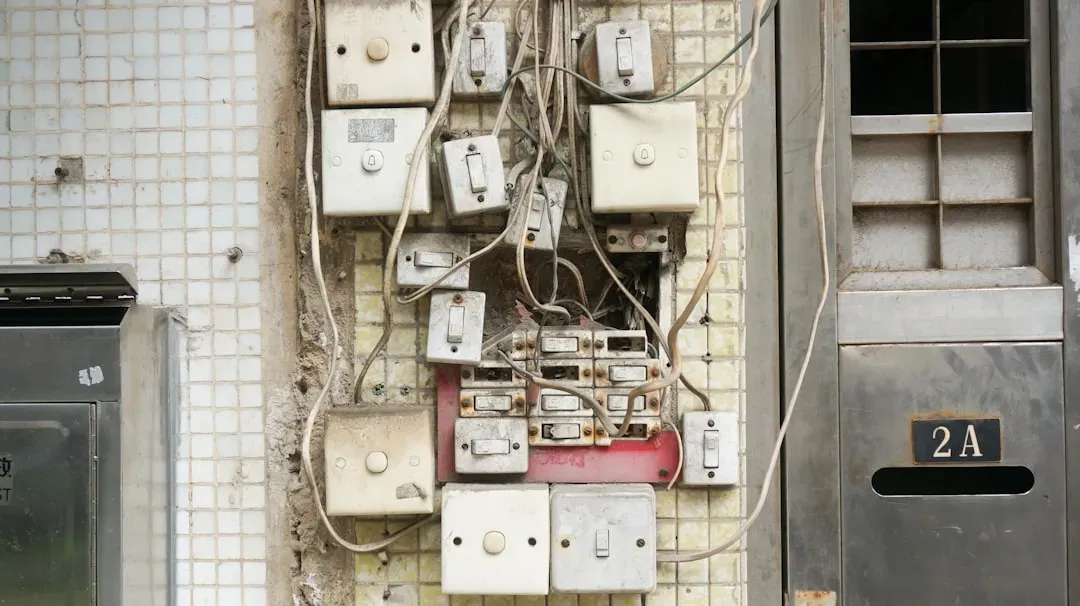
While backstabbing speeds up installation by creating loose connections over time, the method became popular during the 1970s and 1980s but remains controversial today, with some electricians still using it in new construction to cut costs and save time. Backstabbing is allowed under the National Electrical Code, so homes and buildings with backstabbed outlets can still pass inspections, making it an easy shortcut for some contractors.
The constant flow of electricity through the connection generates heat, causing the wire and the metal spring clip to undergo thermal expansion and contraction, with repeated thermal cycling causing the metal spring to lose its temper and decrease tension, and as the spring clip weakens, the pressure exerted on the wire drops, creating a loose connection prone to movement and vibration. This leads to increased resistance, overheating, and eventually arcing that can ignite nearby materials. It’s hard to say for sure, but many electricians believe this practice should be outright banned given the long-term fire risks.
Upsized Circuit Breakers Without Proper Wiring
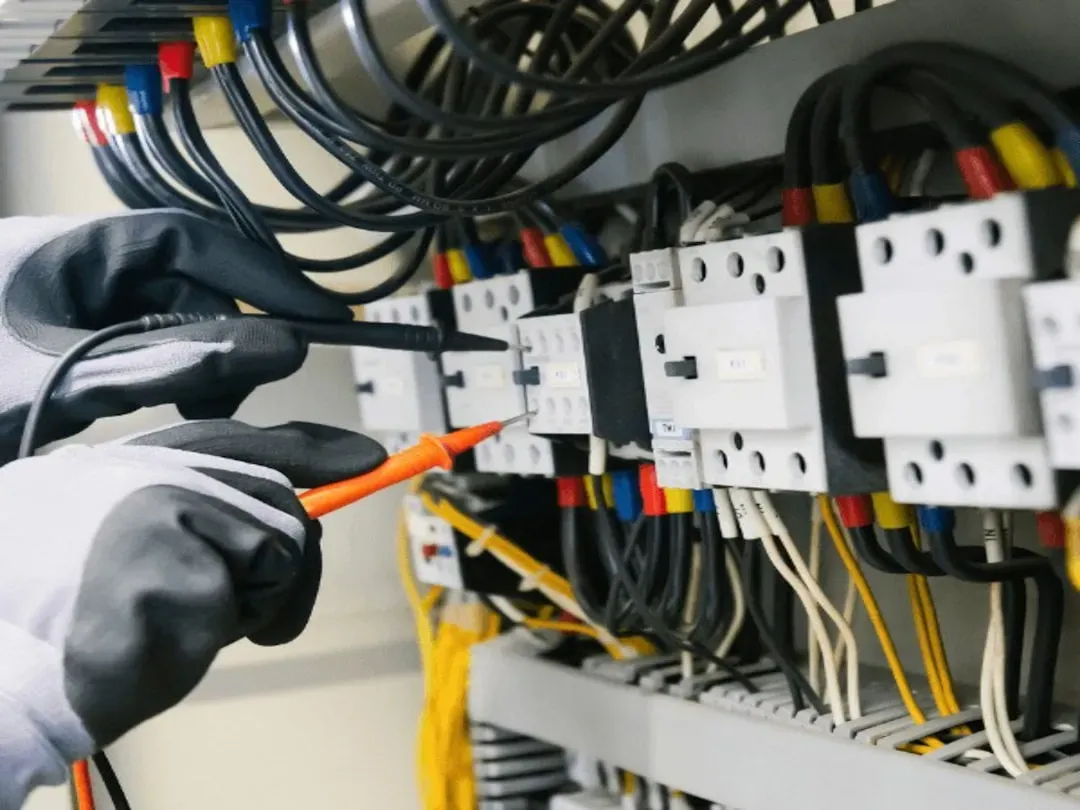
Replacing a 15-amp breaker with a 20- or 30-amp breaker to “stop tripping” is illegal and extremely dangerous, allowing wiring to carry more current than it was designed for and dramatically increasing fire risk. This violation is particularly insidious because it works perfectly fine until it doesn’t. Your breaker stops tripping, problem solved, right? Wrong.
The breaker exists to protect the wire, not just to inconvenience you. When you upsize that breaker without upgrading the wire gauge, you’re allowing the wire to carry more amperage than its insulation can safely handle. The wire heats up inside your walls where you can’t see it, gradually breaking down the insulation until something shorts out or catches fire. Inspectors find this constantly, and it’s always a massive red flag.
Ungrounded Three-Prong Outlets

Some homeowners add outlets without connecting them to a grounded system, especially in older houses, with un-grounded outlets violating electrical code and putting users at risk of shock, especially when plugging in metal-cased appliances or electronics, as certified electricians emphasize grounding as essential for both surge protection and personal safety. A previous homeowner got sick of having nowhere to plug in a three-prong plug and swapped out the two-slot, non-grounding type receptacles for three-slot, grounding-type ones, which was a code violation.
This creates a false sense of security. You’ve got a three-prong outlet, so everything must be properly grounded, right? Except there’s no ground wire actually connected to that outlet. The first time you plug in a metal-cased appliance and it develops a fault, you’re at serious risk of electric shock. The proper fix involves either running a ground wire, installing GFCI protection, or reverting to two-prong outlets.
Outdoor Use of Indoor-Rated Romex Cable
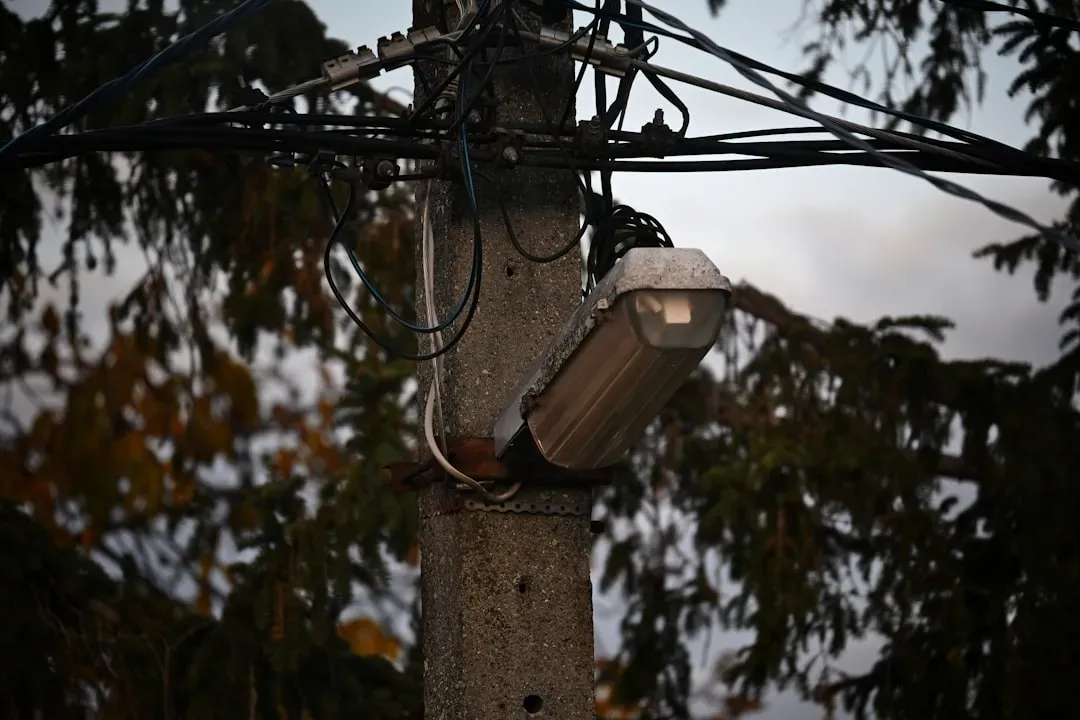
Romex is for indoor use only, and using it outside, under decks, across yards, or along fences exposes it to weather and physical damage violating code, as outdoor wiring must use approved weather-resistant conduit and cable types designed to withstand moisture and UV exposure. The problem is pretty straightforward. Romex has a paper covering inside that absorbs moisture like a sponge.
Once water infiltrates, corrosion starts eating away at your conductors. UV rays from the sun break down the outer jacket. A stray lawnmower blade can slice right through it. Professional installations use UF cable or proper conduit for outdoor applications. That extra fifty bucks you saved by using leftover Romex from your basement project won’t cover the damage when your outdoor lighting system shorts out during a rainstorm.
Unpermitted Circuit Additions to Overloaded Panels
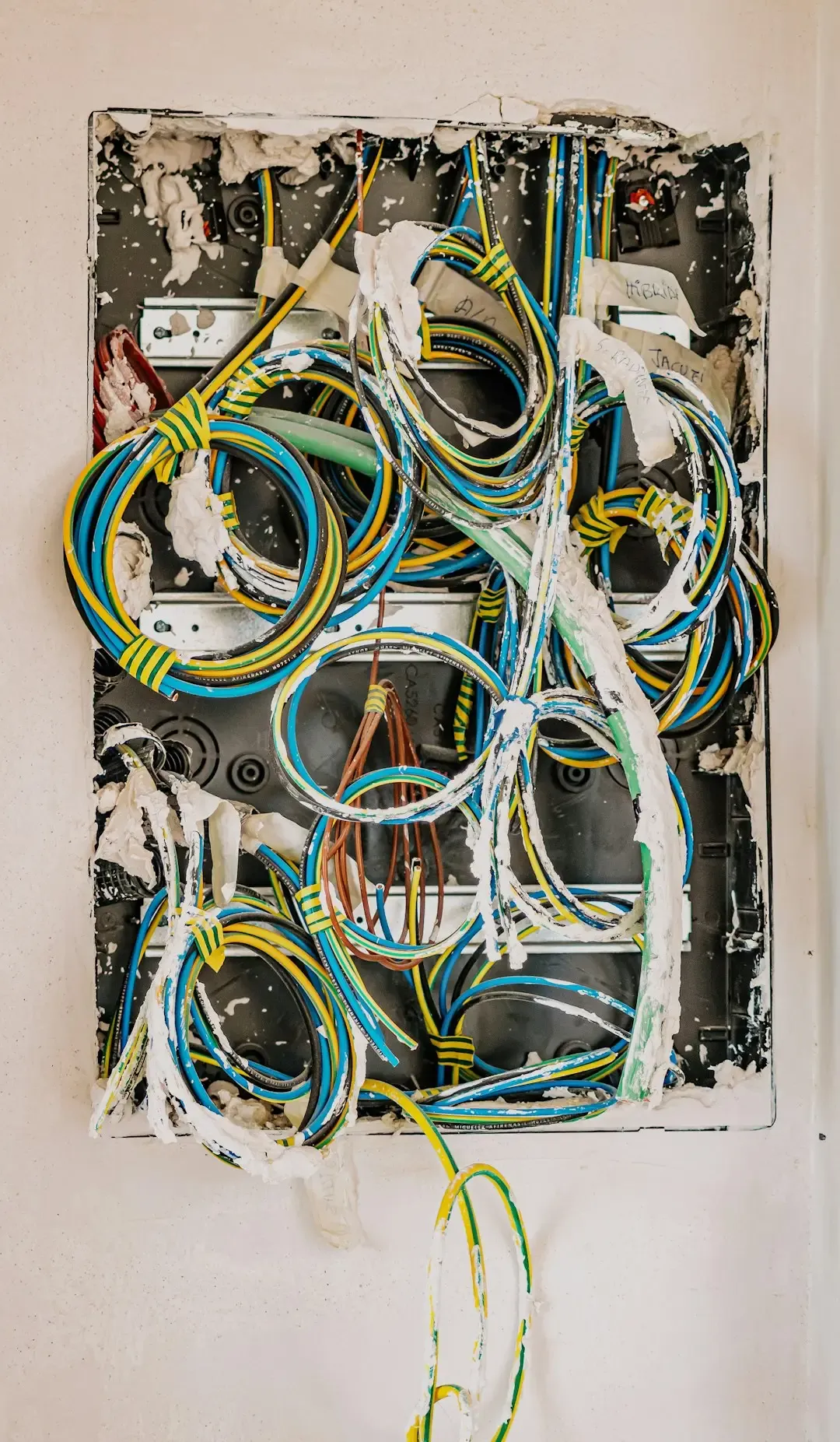
Electrical panels must be evaluated for available capacity before adding circuits, as unpermitted additions often overload panels, create unsafe heat buildup, and violate local codes, with home inspectors frequently flagging these illegal upgrades when homes are sold, sometimes requiring expensive corrections. Many states require licensed electricians for all but the simplest repairs, and installing new circuits, relocating wiring, or modifying panels without proper certification violates state and local regulations, with insurance companies potentially denying claims if illegal electrical work is found after a fire or accident.
Homeowners see empty slots in their panel and assume they can just pop in another breaker. They don’t realize the panel itself has a maximum amperage rating. Exceeding that capacity creates dangerous heat buildup inside the panel. Even worse, skipping the permit process means there’s no inspection, no documentation, and potentially no insurance coverage if something goes wrong.
Non-UL Listed or Counterfeit Electrical Components
The last and often overlooked hazard is using parts not approved by Underwriters Laboratories or another recognized testing agency, with these uncertified devices often found online at low prices that may lack proper insulation, grounding, or circuit protection, as according to the U.S. Consumer Product Safety Commission, counterfeit or uncertified electrical parts cause thousands of injuries and fires every year, with the NEC requiring all components used in home installations to be “listed and labeled” by approved organizations.
Those suspiciously cheap electrical outlets and switches on discount websites might save you money upfront, but they’re often counterfeit or uncertified products that don’t meet safety standards. They lack proper flame-retardant materials, have inadequate contact pressure, or use substandard metals that overheat under normal loads. You won’t know there’s a problem until the device fails catastrophically.