10 Foods Nutrition Experts Recommend Eating for a Longer Life
Extra Virgin Olive Oil
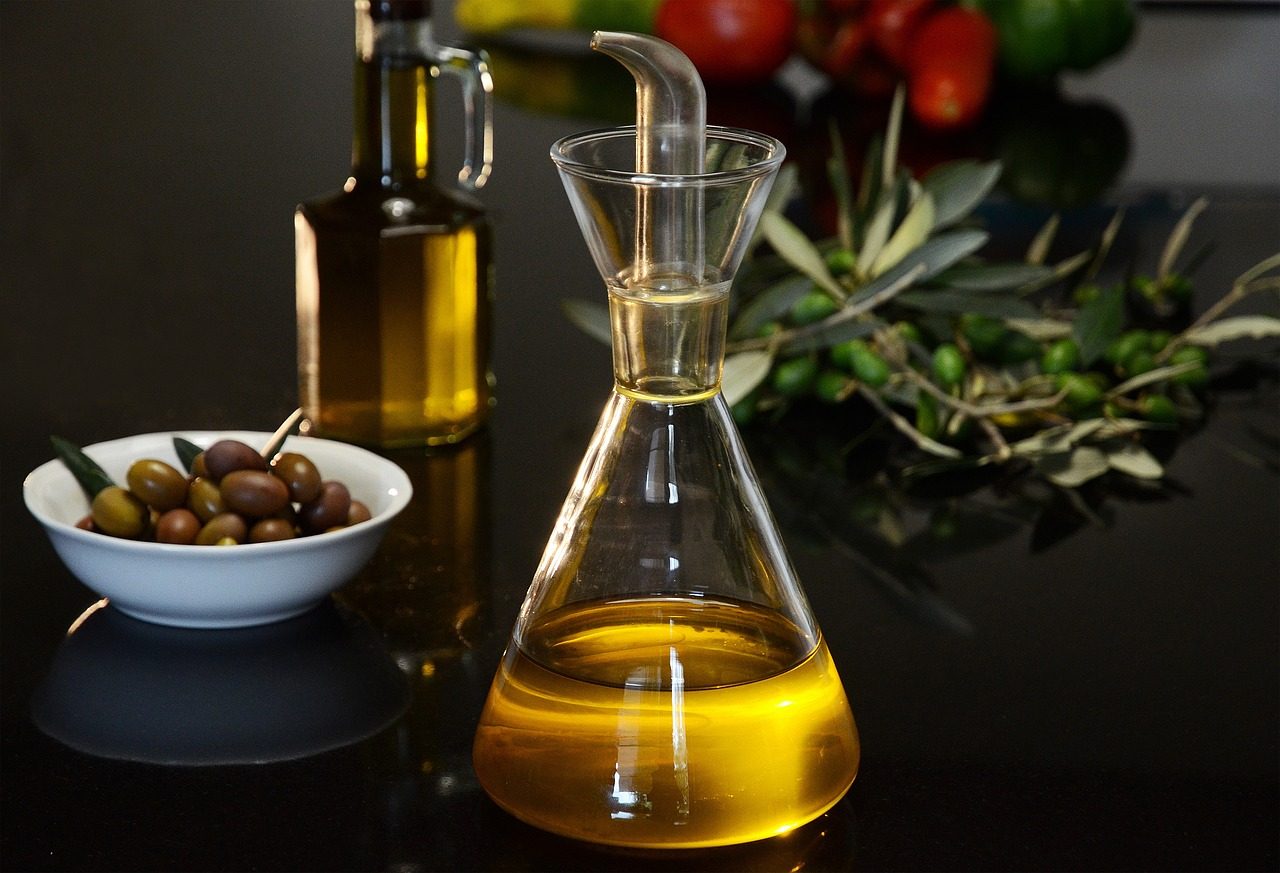
People who consumed the most olive oil – a little more than half a tablespoon per day – had a 19% lower risk of death from any cause over a 28-year period, compared with those who rarely or never consumed olive oil. That’s according to research from Harvard published in 2022. Honestly, it’s hard to think of another single ingredient that delivers such powerful longevity benefits. After 28 years, people who took in more than 7 grams of olive oil per day (about half a tablespoon or more) had a 28% lower risk of dementia-related death, regardless of their diet quality, compared with people who never or rarely had olive oil. The polyphenols found in quality extra virgin olive oil work at the cellular level to combat aging, reducing inflammation throughout your body. Studies link higher intake of olive oil-derived polyphenols to greater longevity.
Leafy Green Vegetables
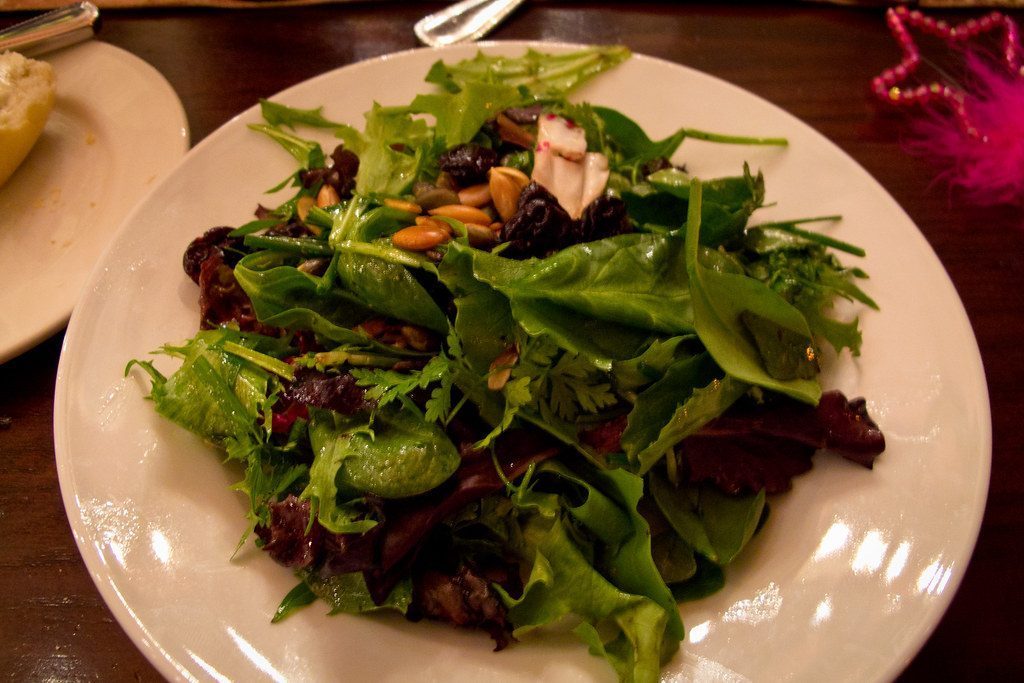
Consumption of green leafy vegetables was associated with slower cognitive decline; the decline rate for those in the highest quintile of intake (median 1.3 servings/d) was slower by β = 0.05 standardized units (p = 0.0001) or the equivalent of being 11 years younger in age. Spinach, kale, collard greens, and Swiss chard pack vitamins and minerals your body desperately needs as you age. Greater intake of salads, leafy greens or raw vegetables is associated with reduced risk of heart attack, stroke, diabetes and several cancers. I know it sounds crazy, but eating a large salad daily could essentially reverse your brain’s aging clock by over a decade. Think of leafy greens as nature’s multivitamin, delivering folate, lutein, vitamin K, and protective compounds that shield your cells from damage.
Berries

Let’s be real, berries taste amazing, which makes them one of the easiest longevity foods to incorporate into your diet. Harvard University researchers found that women who consumed at least one serving of blueberries and two servings of strawberries each week had slower rates of cognitive decline by as much as two and a half years compared with those who didn’t eat any. The anthocyanins that give berries their vibrant colors do much more than look pretty. A higher intake of flavonoids, anthocyanidins (primarily found in the deep blues and purples of berries), and other flavonoid subclasses was linked to reduced mortality risks. The benefits seemed to increase with each additional serving, suggesting a potential dose-response relationship between these substances and a healthier life. Blueberries, strawberries, blackberries, and raspberries are nutritional powerhouses that protect your brain and heart.
Nuts and Seeds
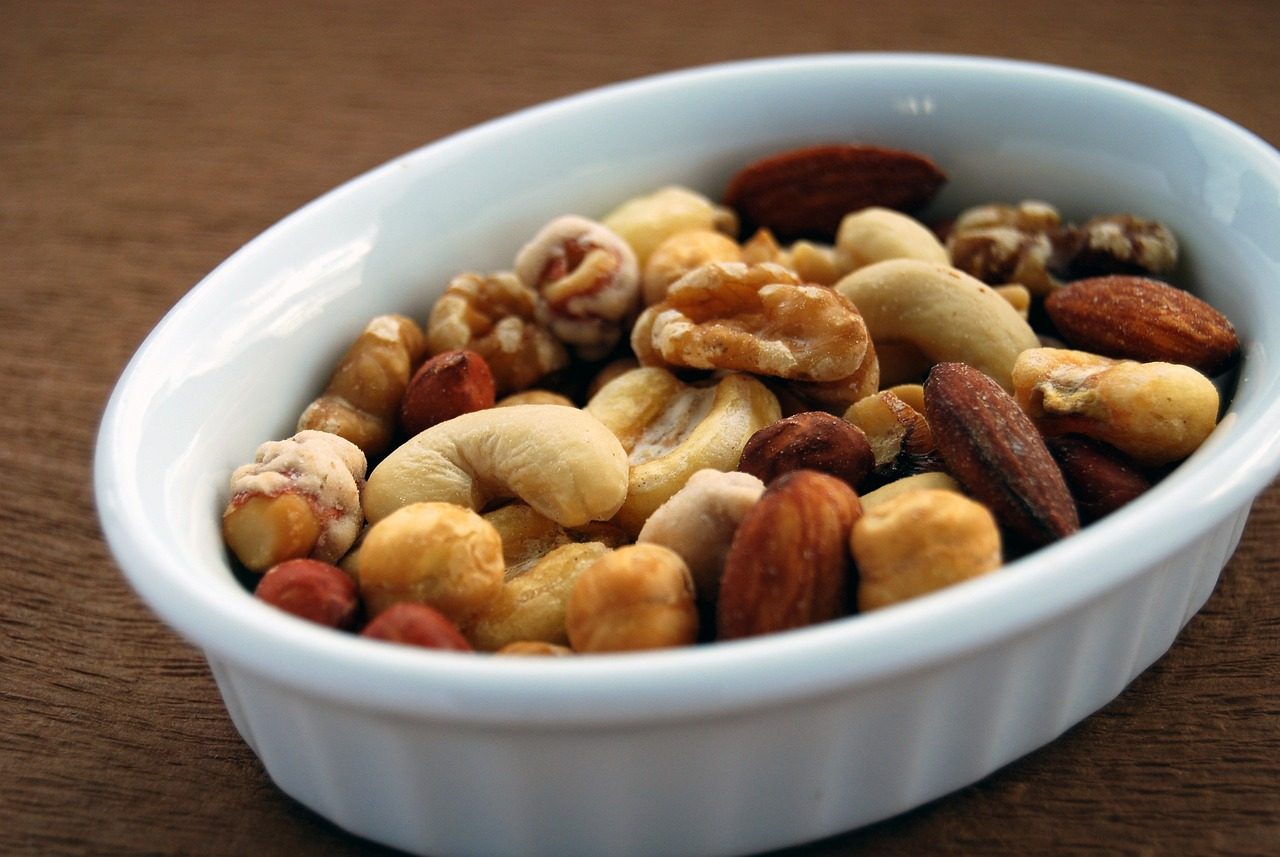
Researchers found that a serving of walnuts (1 oz.) supported cardiovascular health and could support a longer lifespan at age 60 (researchers project an additional 1.3 years in women and 1.26 years in men, to be precise) among those who consumed 5 or more servings per week compared to those who did not eat walnuts. Nuts are calorie-dense, sure, yet they’re associated with lower body weight rather than weight gain. A high-nutrient source of healthful fats, plant protein, fiber, antioxidants, phytosterols and minerals, nuts are a low-glycemic food. Despite their caloric density, nut consumption is associated with lower body weight. Eating nuts regularly also reduces cholesterol and is linked to a 35 percent reduction in the risk of heart disease. Seeds like flax, chia, and hemp provide omega-3 fats and minerals your body needs. Here’s the thing: a small handful daily can dramatically shift your health trajectory.
Whole Grains
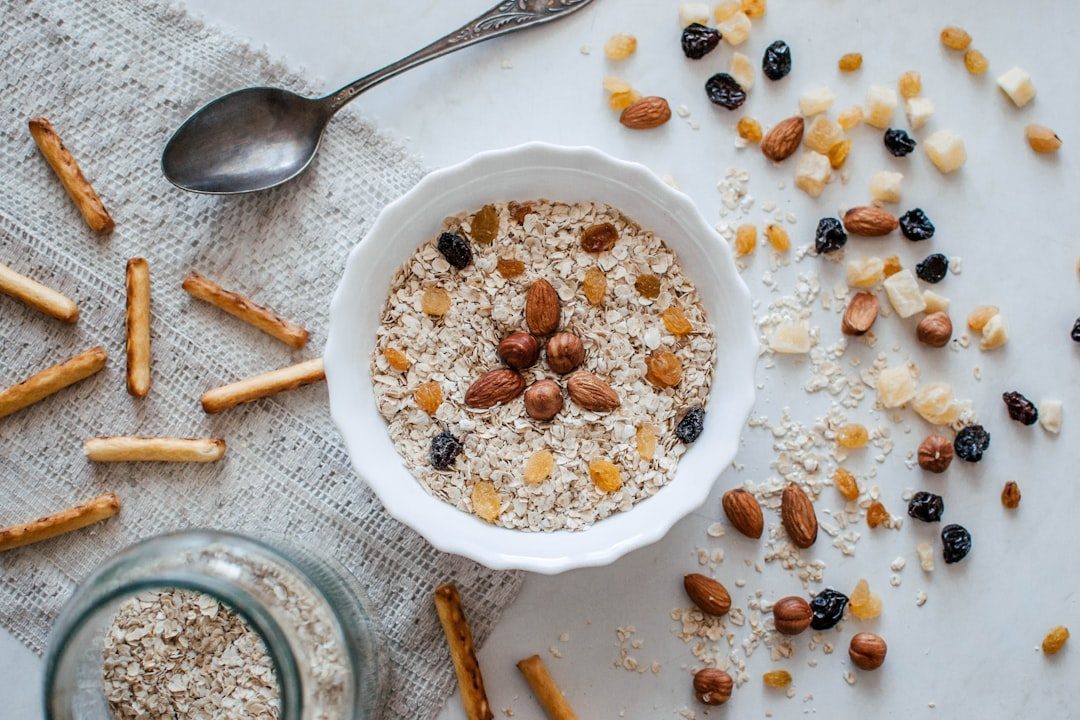
The largest gains are obtained from consuming more whole grains, nuts and fruits and less sugar-sweetened beverages and processed meats. Whole grains include the entire seed with its bran, germ, and endosperm intact, delivering far more nutrition than refined grains. According to the American Heart Association, they can also improve your cholesterol and lower your risk of diabetes, heart disease and stroke. Brown rice, quinoa, oats, and whole wheat bread provide sustained energy without the blood sugar spikes that accelerate aging. Sustained dietary change from unhealthy dietary patterns to the Eatwell Guide dietary recommendations is associated with 8.9 and 8.6 years gain in life expectancy for 40-year-old males and females, respectively. Sustained dietary change from unhealthy to longevity-associated dietary patterns is associated with 10.8 and 10.4 years gain in life expectancy in males and females, respectively.
Legumes
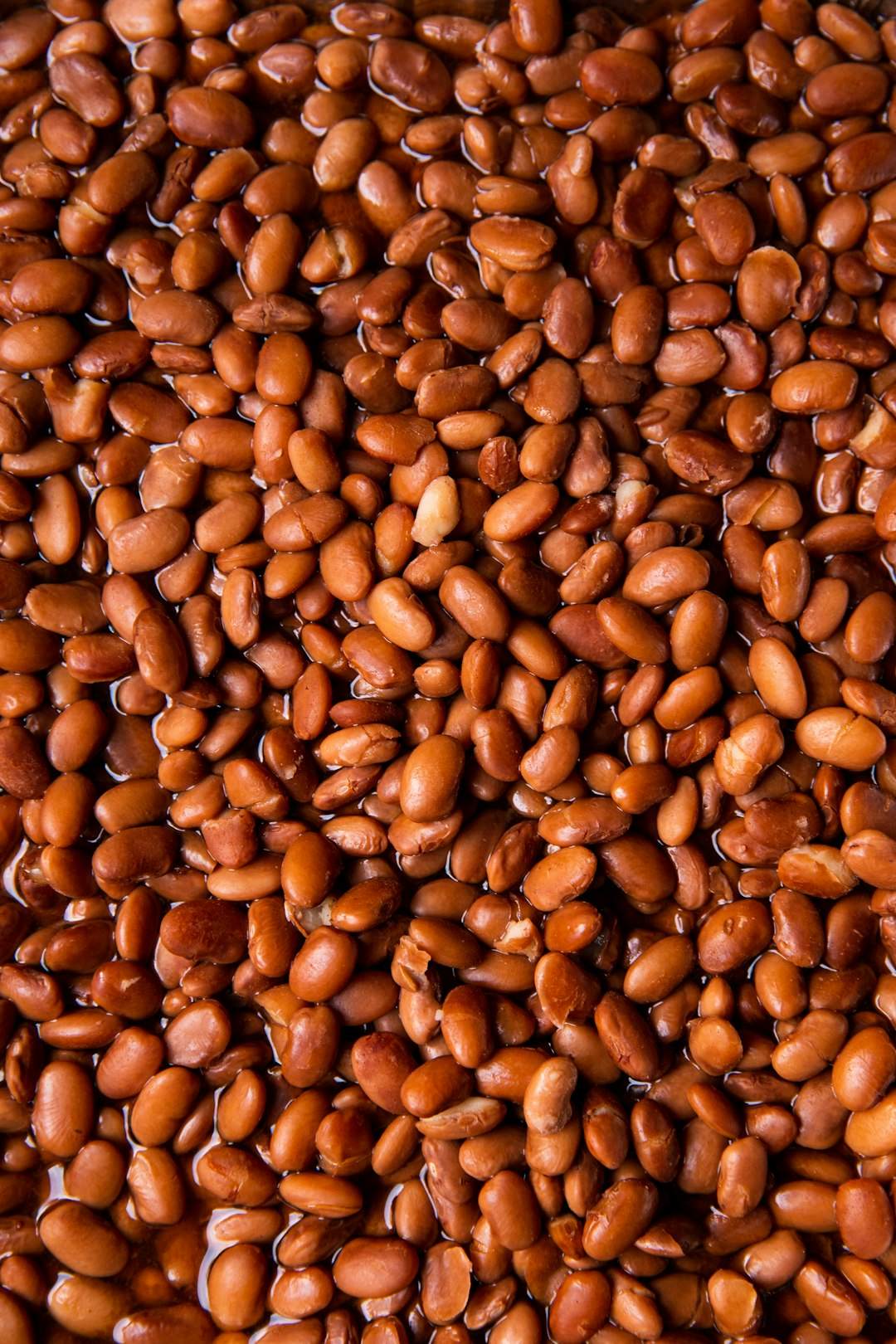
Americans’ widespread consumption of foods like processed meat and added sugars, combined with low intake of longevity-promoting foods like whole grains, nuts, legumes, and fish represents a huge missed opportunity. Beans, lentils, chickpeas, and peas are nutritional champions often overlooked in Western diets. Naturally low in fat and high in protein, fiber, and essential vitamins and minerals, they help prevent disease and support healthy aging. These foods improve heart health, regulate blood sugar, aid digestion, and reduce inflammation. Legumes cost pennies per serving, making them accessible to virtually everyone. The populations with the longest lifespans worldwide consistently eat legumes as a dietary staple, not an afterthought.
Fatty Fish
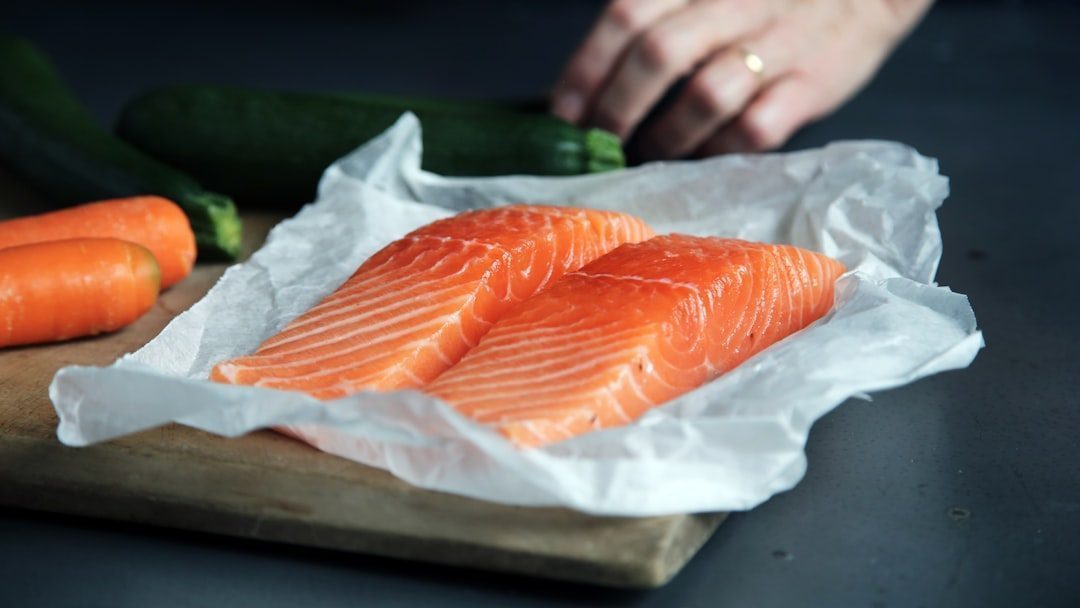
Salmon is a fatty fish (contains omega-3 fatty acid) and is low in environmental contaminants. Salmon is also a source of vitamin D, selenium, iodine, choline, and more. Wild-caught salmon, mackerel, sardines, and anchovies deliver omega-3 fatty acids your brain and heart desperately need. A large 2023 multinational study found a diet high in fruits, veggies, nuts, legumes, and fish was associated with lower cardiovascular disease and mortality in all world regions. Omega-3s reduce inflammation throughout your body, which is essentially the underlying cause of most age-related diseases. Aim for roughly two servings of fatty fish weekly to reap the cardiovascular and cognitive benefits that research consistently demonstrates.
Cruciferous Vegetables
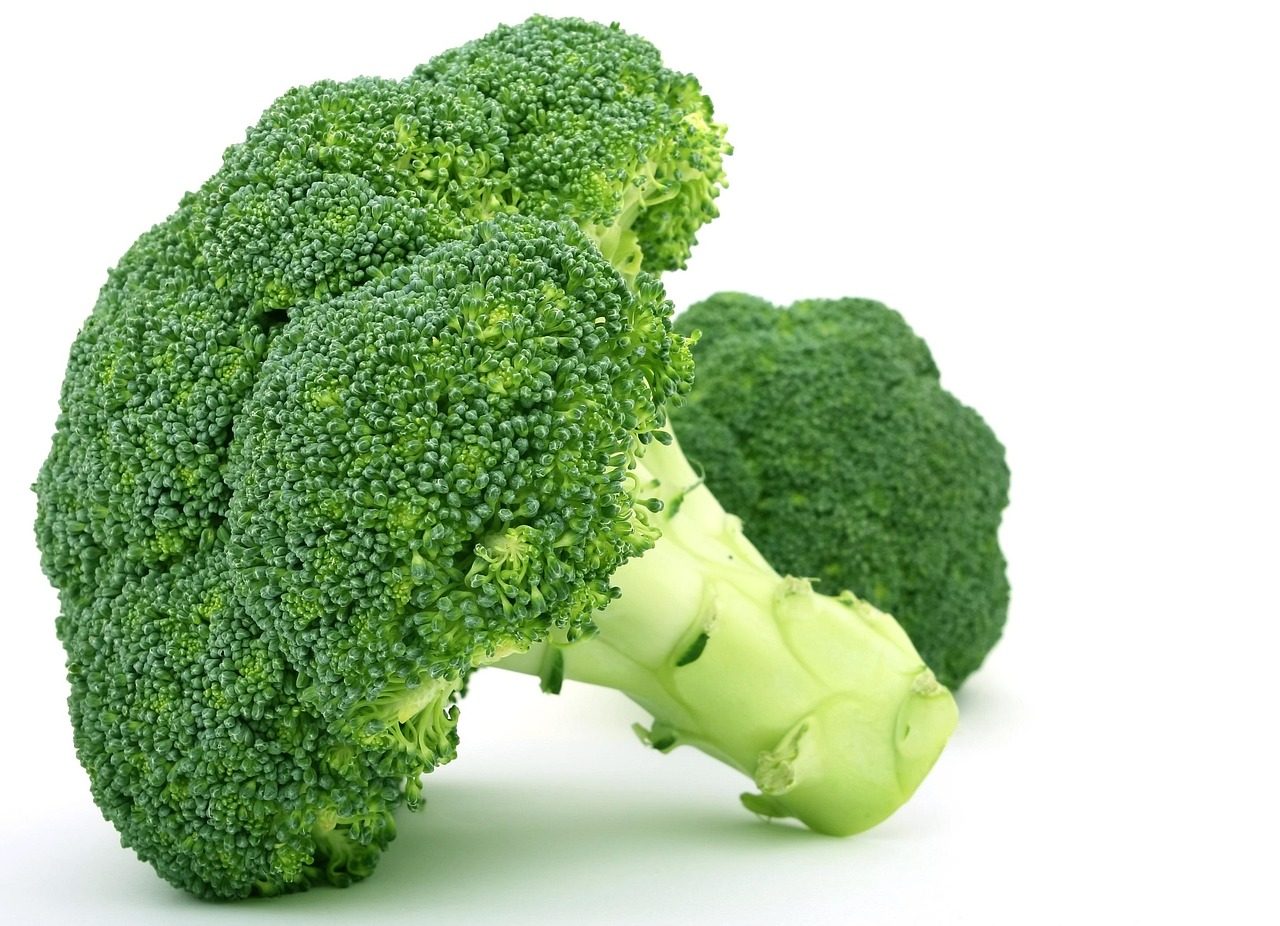
These are vegetable powerhouses with the unique ability to modify human hormones, activate the body’s natural detoxification system and inhibit the growth of cancerous cells. Cruciferous vegetables should be chewed thoroughly or eaten shredded, chopped, juiced or blended in order to release their potent anti-cancer properties. The cruciferous phytochemical sulforaphane has been found to protect blood vessel walls from inflammatory signaling that can lead to heart disease. Broccoli, Brussels sprouts, cauliflower, and cabbage contain compounds that literally help your body detoxify harmful substances. Research has linked cruciferous vegetables to lower risk of several chronic diseases, including neurodegenerative and cardiovascular diseases, possibly related to the antioxidant and anti-inflammatory effects of glucosinolates. In one study analyzing data from 134,796 adults, greater fruit and vegetable intake was associated with reduced risk of mortality, and the effect was particularly strong for cruciferous vegetables.
Plant-Based Proteins
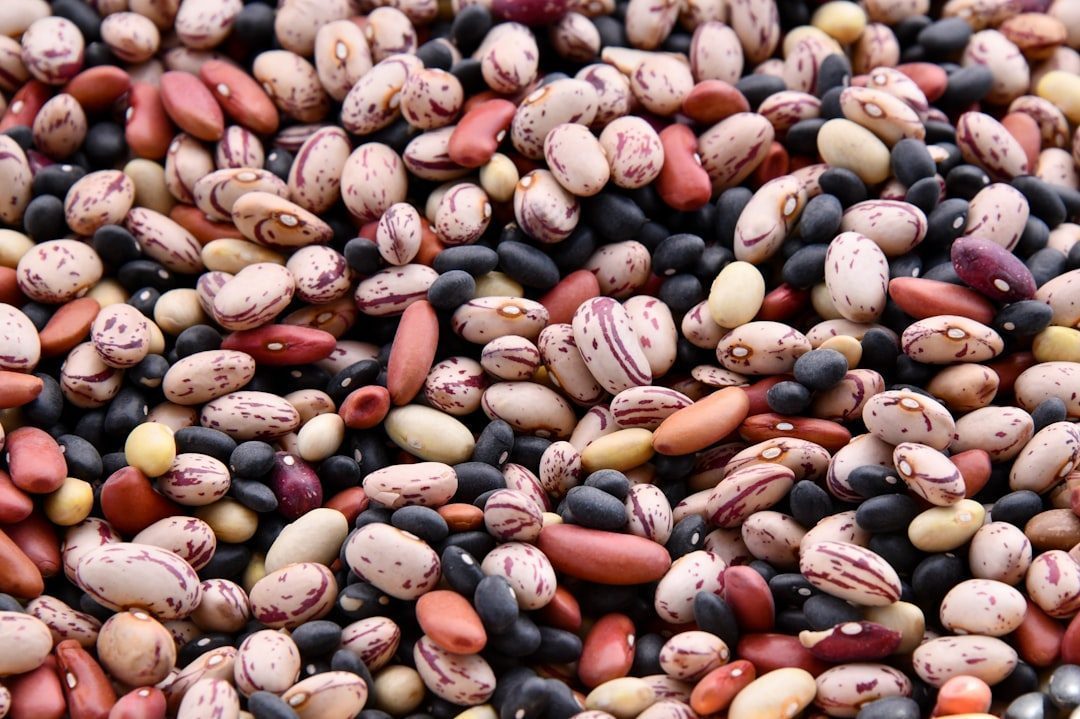
A global study has shown that countries which consume more plant-based proteins – such as chickpeas, tofu and peas – have longer adult life expectancies. This research analyzed food supply data from 101 countries spanning decades. Having done this, they found that countries where overall availability of plant-based proteins were higher, were associated with longer life expectancies. Tofu, tempeh, edamame, and other soy foods provide complete proteins along with protective compounds. Adopting a vegan diet could add five to seven years to one’s life. You don’t need to go completely vegan to benefit, though swapping some animal protein for plant sources makes a measurable difference.
Yogurt and Fermented Foods
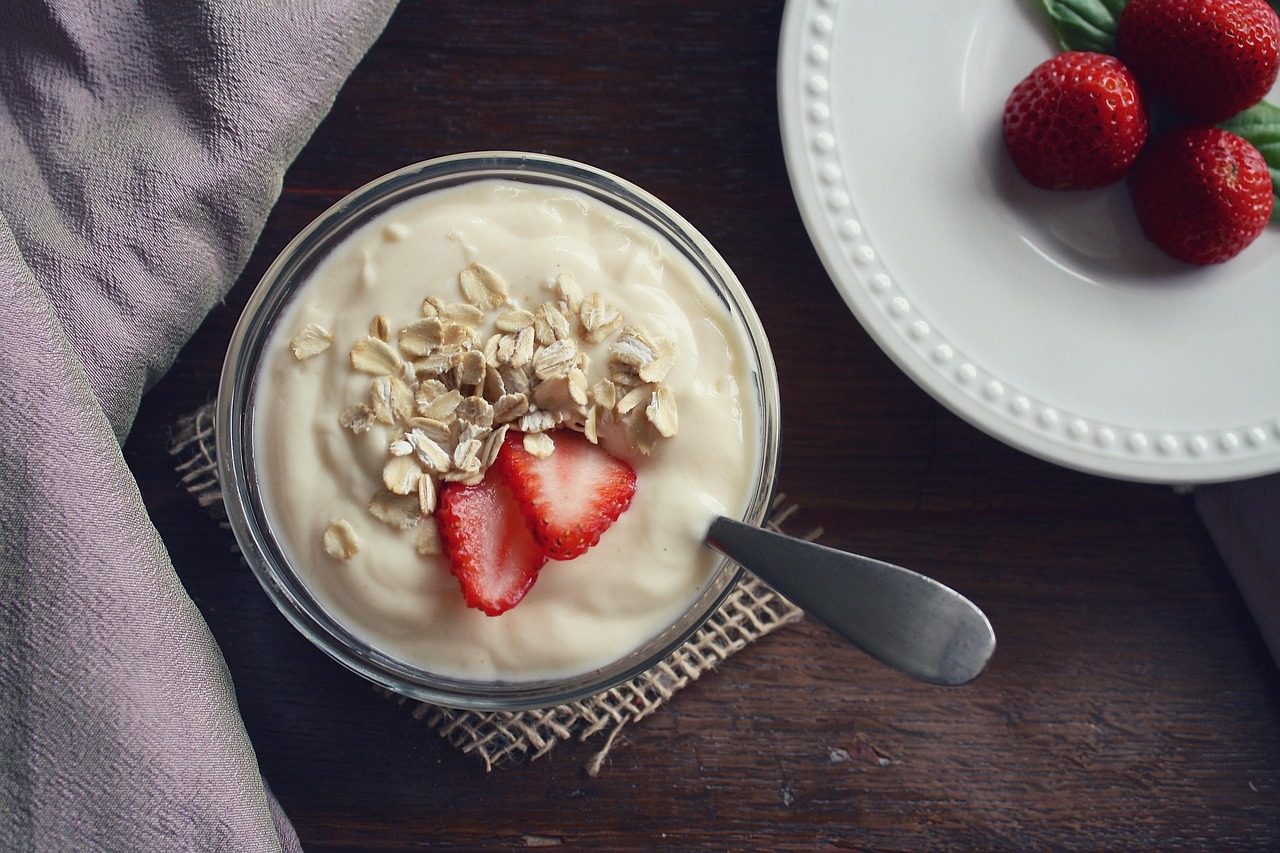
Researchers looked at high daily intake of yogurt compared with low daily intake and found that daily yogurt consumption was associated with an increase in lifespan and maintenance of heart health. Gut health matters far more than most people realize for longevity. Fermented foods like yogurt, kefir, sauerkraut, and kimchi deliver beneficial bacteria that support your immune system and reduce inflammation. One of the proposed reasons for the finding was the favorable influence of yogurt on gut health, though it is important to note that yogurt varieties will vary greatly not only in the amount of beneficial bacteria it contains, but also its nutritional profile. Your gut microbiome influences everything from your mood to your metabolic health. Choose plain, unsweetened varieties and add your own fresh fruit rather than buying sugar-laden options that undermine the health benefits.
What’s fascinating about this list is how these foods work synergistically. Combining a healthy diet with other lifestyle factors could extend disease-free life expectancies by 8–10 years. None of these foods are exotic or expensive superfoods marketed with outrageous health claims. They’re accessible, affordable staples available at any grocery store. The evidence supporting their longevity benefits comes from decades of research across different populations worldwide. Which of these foods will you add to your plate today?