10 Home Renovations That Are Technically Illegal (Yet Still Common)
Have you ever looked at that unfinished basement and thought about adding a bedroom down there? Or maybe you’ve considered doing your own electrical work to save a few bucks? You’re not alone. Homeowners across the country routinely tackle projects that technically require permits, professional help, or both. The thing is, most people don’t realize they’re breaking the rules until it’s too late. Let’s be real, the idea of dealing with permits and city inspectors sounds about as fun as a root canal. Yet skipping these steps can cost you way more than the hassle of doing things right from the start.
Some jurisdictions may even fine you each day while the construction is in progress, and those penalties add up faster than you’d think. We’re talking thousands of dollars in some cases, plus the potential nightmare of having to tear out work you already paid for. The temptation to fly under the radar is strong, especially when your neighbor seems to have gotten away with it. Still, here’s the thing: the consequences of unpermitted work can haunt you for years, affecting everything from insurance claims to home sales. So let’s dive in.
DIY Electrical Work Without Professional Licensing
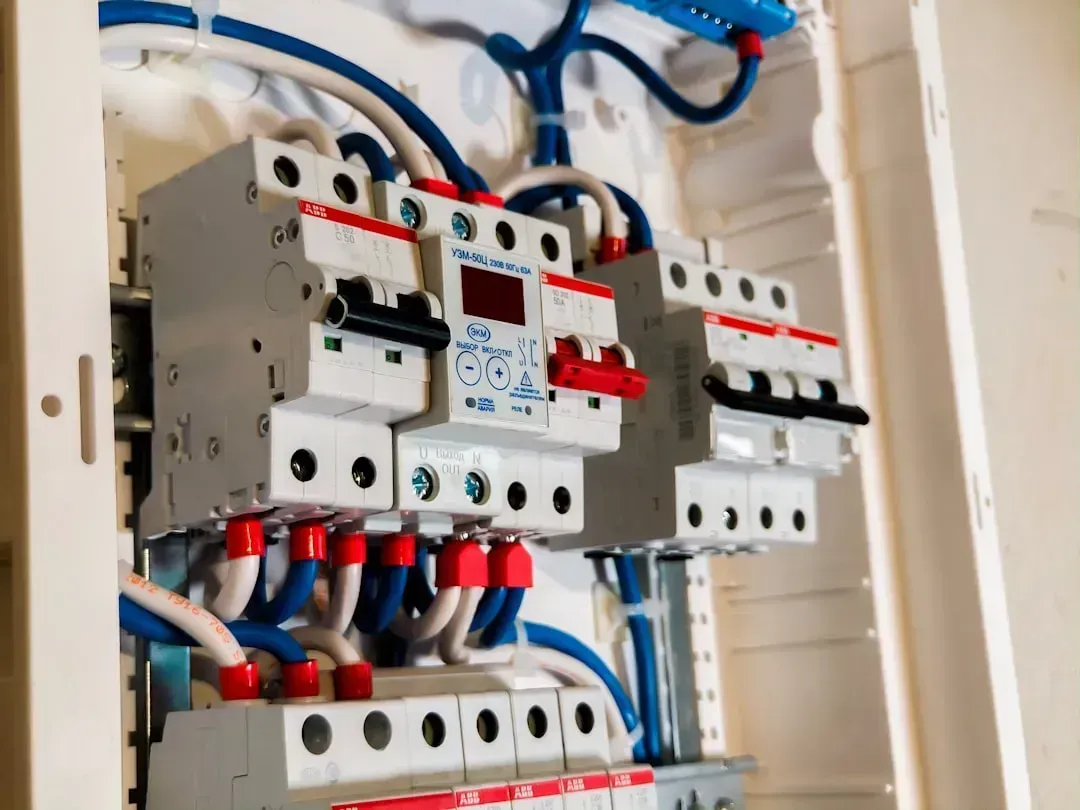
When it comes to electrical work done by homeowners, the real risk is fire, according to industry experts. About 400 electrocutions occur each year in the U.S., which makes this one of the more dangerous DIY temptations. While some states like Texas allow homeowners to do their own electrical work with a permit, many jurisdictions require licensed electricians for anything beyond replacing a light fixture. If you do electrical work without getting the proper permit, you can face fines due to issues like building code violations. The bigger problem? Unless you have professional training and experience as an electrician, you could make mistakes that cause a fire hazard, disrupt your electrical service or otherwise put your family and home at risk.
People love to think they can handle running new circuits or installing outlets themselves. I get it, the wiring doesn’t look that complicated when you peek behind the wall plate. Doing electrical work without a permit in Colorado can result in fines and require you to redo the work with a professional, and similar rules apply across most of the country. Here’s what most homeowners don’t consider: The penalty for not pulling a permit can also be seen when you try to sell your house later, and if your city inspects the home and can’t find permits for the work, you might end up having to tear apart walls to expose the work and hire someone to certify it.
Unpermitted Plumbing Modifications
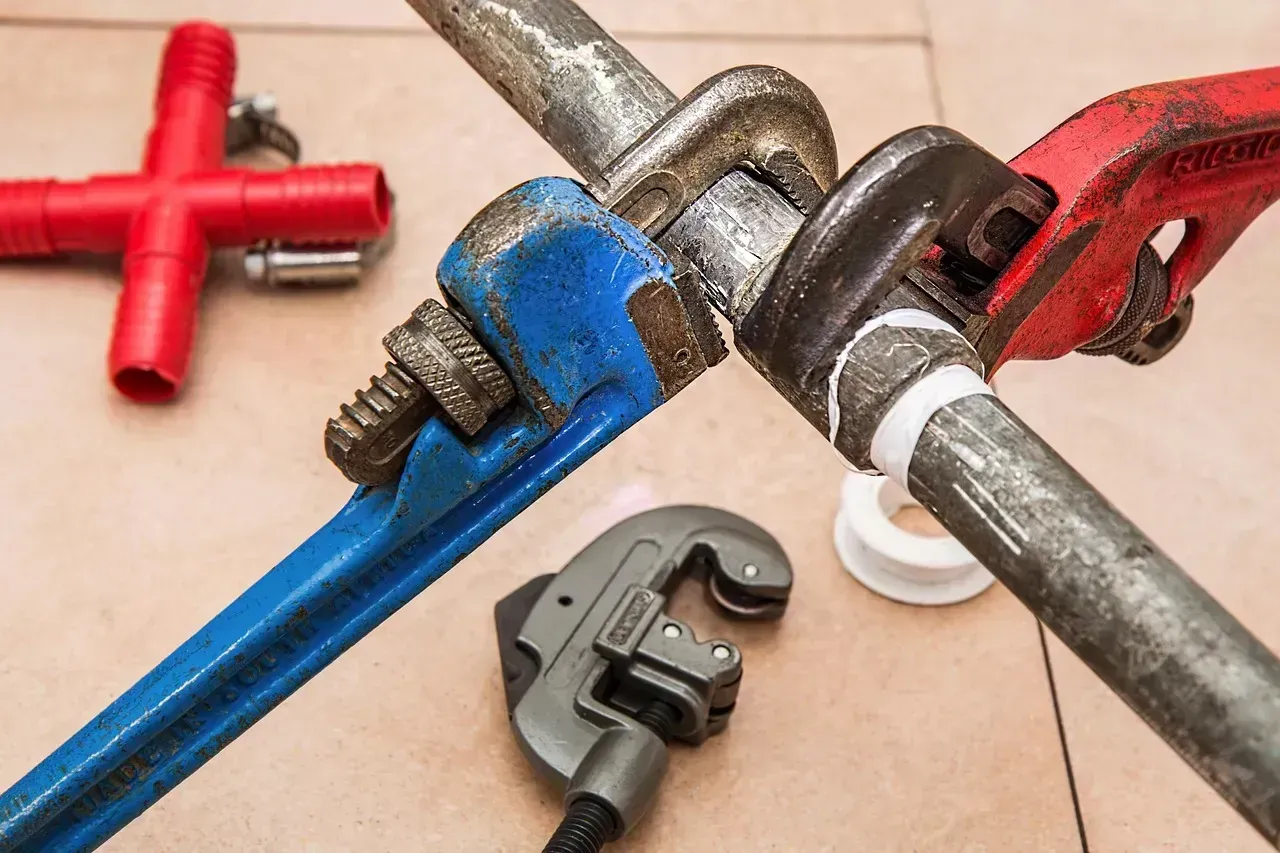
Replacing a faucet or toilet? You’re probably fine without a permit. Moving water lines, adding a bathroom, or installing a new water heater? That’s a different story entirely. As a homeowner, you may not be well-versed in current building codes, which makes DIY plumbing riskier than it appears. The codes exist for good reason, preventing everything from sewage backups to contaminated water supplies.
If someone is messing around with plumbing (the actual lines, not just replacing a toilet or sink) or electrical (not just changing a fixture but running new lines, adding boxes, etc) a permit should be obtained. Honestly, it sounds crazy, but improperly vented drains can create dangerous gas buildups in your home. A previous owner doing unpermitted construction can lead to problems like adding rooms and making the septic system too small for the property, which becomes a massive headache for future owners. Most jurisdictions require permits for any plumbing that involves moving or adding fixtures, and inspectors check to make sure your work won’t cause flooding or health hazards down the line.
Removing Load-Bearing Walls
Removing a load-bearing wall might seem like a smart renovation, but doing it without a permit can lead to serious issues as local building codes require permits for this type of work to ensure safety. This one should be obvious, but you’d be surprised how many people think they can just knock out a wall to create an open floor plan. Load-bearing walls literally hold up your house. Remove one incorrectly, and you’re looking at sagging ceilings, cracked walls, or worse.
Even if you hire a contractor to do the work, you may face hefty fines or even be required to demolish the newly constructed room if you skip the permit process. The thing is, determining which walls are load-bearing isn’t always straightforward. Walls running perpendicular to floor joists are usually structural, but there are plenty of exceptions. Unpermitted work can complicate future home sales, as you’ll need to disclose any renovations made without approval, and your homeowners’ insurance may also be affected as claims might be denied if the work was not officially sanctioned. It’s one of those projects where the cost of doing it right pales in comparison to the disaster of doing it wrong.
Finishing Basements Without Permits
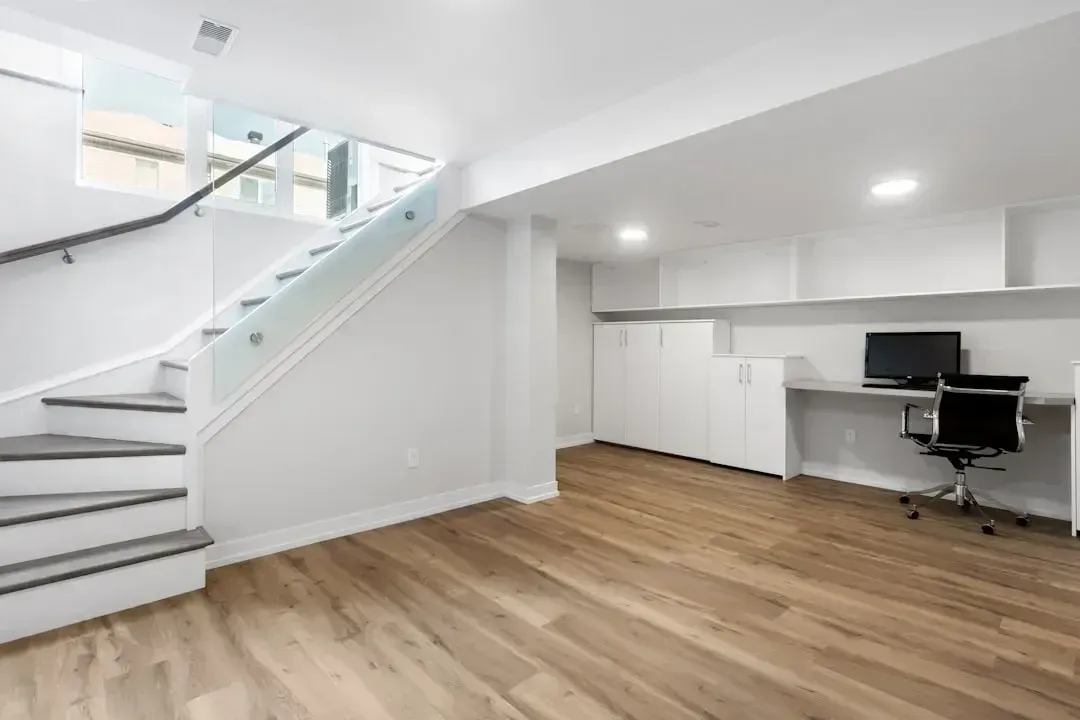
You need a permit to remodel or finish your basement or any part of your home, yet countless homeowners skip this step. Converting that dank basement into a family room or guest bedroom seems straightforward enough, especially if you’re handy with drywall and paint. The reality is way more complicated. Basements need proper egress windows for fire safety, adequate ceiling height, moisture barriers, insulation, and ventilation that meets code.
If a fire, flood, or other damage occurs in an unpermitted basement, your insurance provider may deny your claim. Think about that for a second: you spend thousands creating a beautiful space, then a pipe bursts or an electrical fire starts, and your insurance company walks away. Potential consequences of basement remodeling work without a permit include fines, legal penalties such as being asked to revert the work done, exposure to house hazards, and difficulty in future permit applications. In certain cities, finished basements that were never properly permitted don’t even count toward your home’s square footage, which means you’ve added zero value for resale purposes.
Adding Rooms or Square Footage
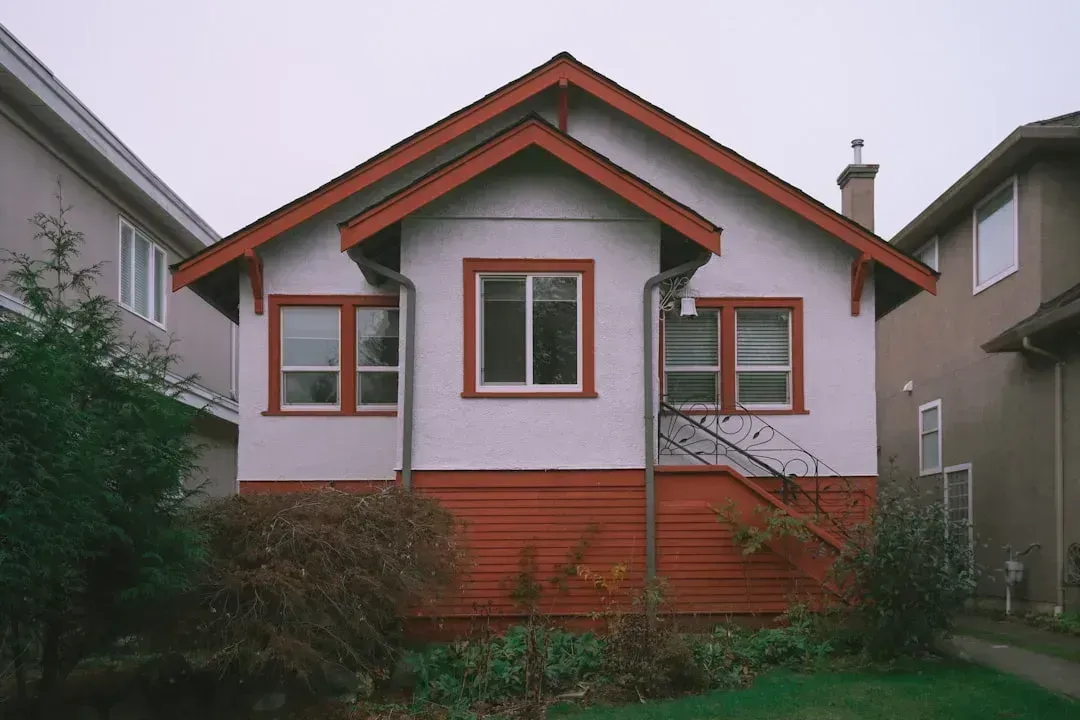
Building that sunroom addition or converting your garage into a bedroom without approval is incredibly common. It’s also incredibly illegal in nearly all jurisdictions. Cities require that certain projects are permitted in order to ensure the safety of the job and to properly assess property taxes in the future. That last part is key: unpermitted additions can lead to surprise tax assessments when discovered.
Any room additions not up to code will be excluded from the square footage stated in your home listings (which also means potential buyers down the line may think your home is smaller than it is). I know it sounds nuts, but you could actually decrease your home’s marketability by adding space without permits. A seller is required by law to disclose to potential buyers any remodeling or renovations done to the home, and constructing a major addition without permits could scare off some interested buyers, while you might be required by law to retroactively obtain permits to proceed with the sale. The kicker? Retroactive permits often cost more and require more inspections than if you’d just done it right the first time.
Unpermitted Roof Work and Structural Changes
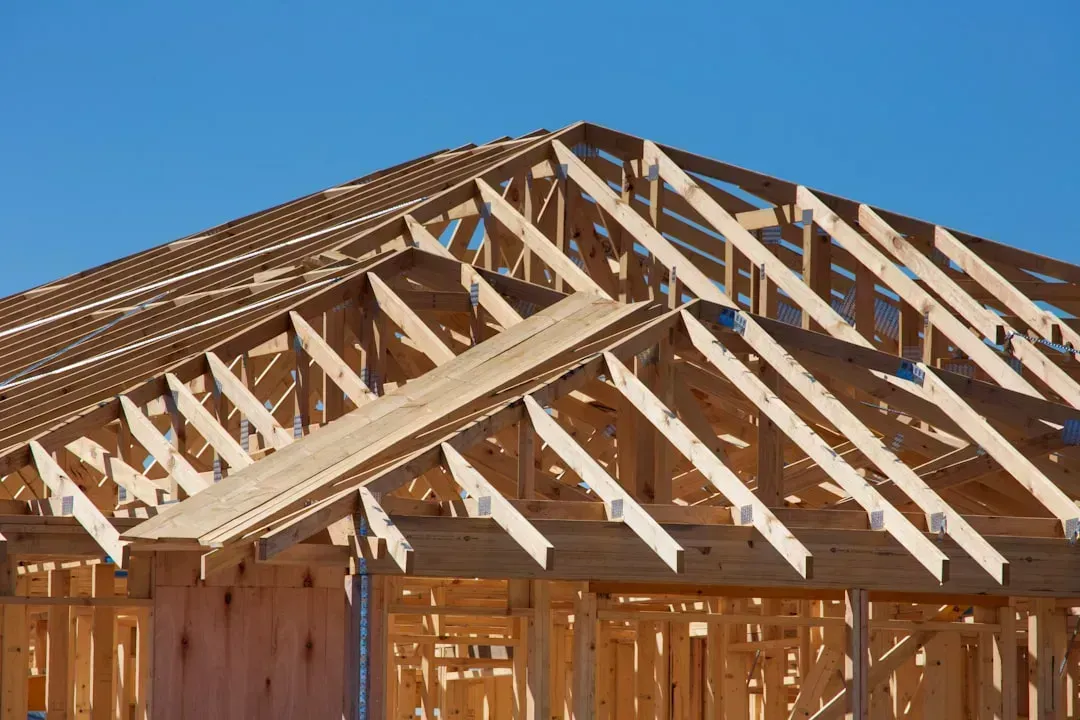
Making changes to your roof without obtaining the proper permit can bring serious consequences as local authorities view any unpermitted work as illegal, which might lead to fines or the requirement to reverse the modifications. Whether you’re replacing shingles, adding skylights, or changing roof pitch, most jurisdictions require permits for roofing work. The rules exist to ensure your roof can handle snow loads, wind, and other environmental factors specific to your area.
Some homeowners have faced six-figure fines for code violations, particularly in states with strict building codes like New York and California. Insurance companies may refuse coverage for damages if the work wasn’t approved, which could mean hefty out-of-pocket expenses. Roof failures can cause catastrophic damage to your entire home, and if that happens without proper permits on file, you’re potentially looking at total financial disaster. It’s hard to say for sure, but roofing might be one of the riskiest unpermitted projects simply because of the potential for widespread damage.
Installing Windows or Doors Without Approval
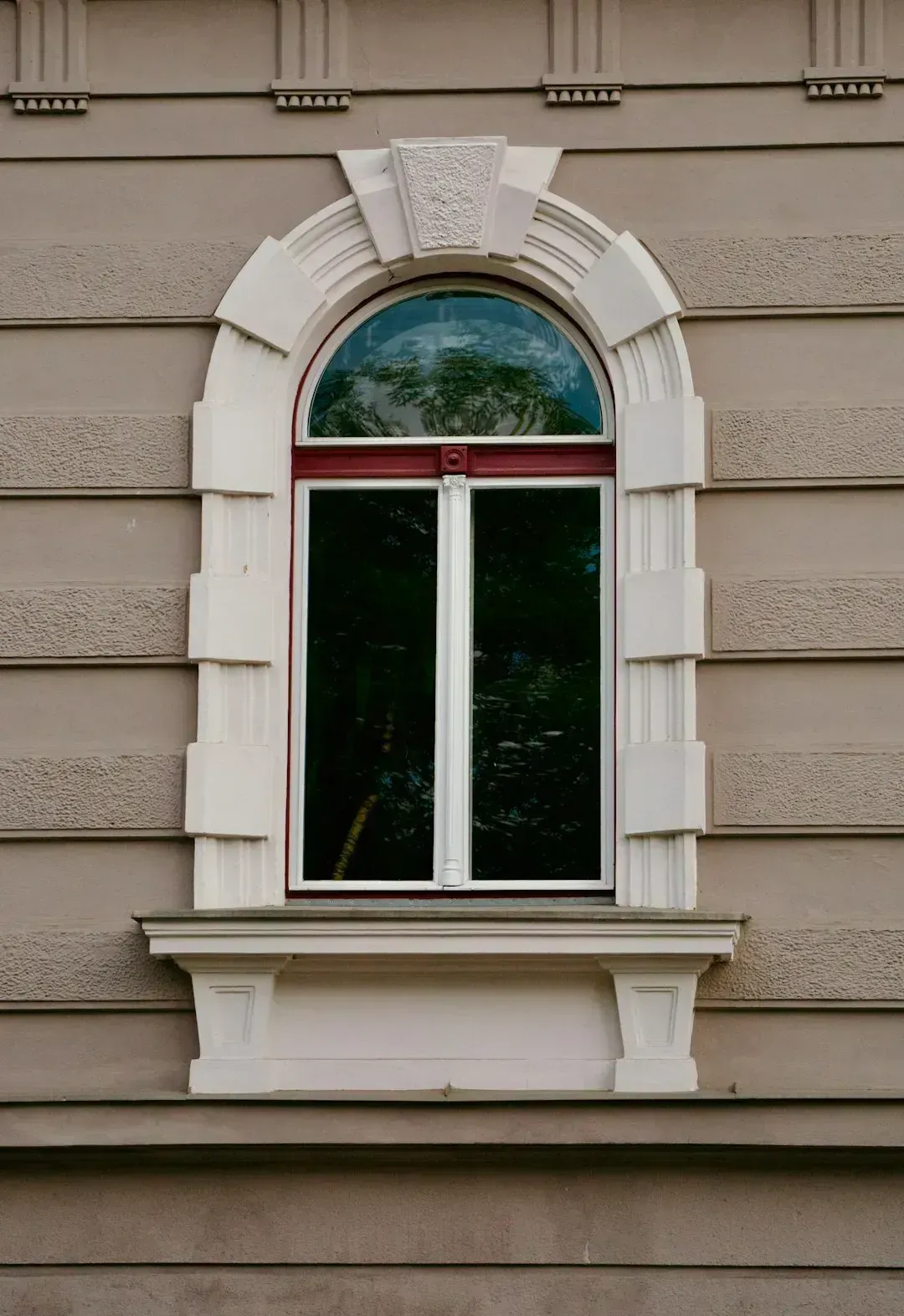
You might not need a permit for simple replacements, but if you’re changing the size or adding new windows, permits are often required. This surprises a lot of people because swapping out an old window for a new one seems harmless enough. The issue arises when you’re altering the structure of your home or changing egress requirements that affect fire safety.
New exterior doors face similar regulations. Skipping this step can result in fines or the need to reverse your work, and if the authorities catch you, it may also complicate the sale of your home later on. Energy codes have become increasingly strict too, meaning new windows and doors need to meet specific efficiency standards. Inspectors verify that installations are weathertight and properly flashed to prevent water intrusion. Installing these elements wrong can lead to rot, mold, and structural damage that won’t show up for years, long after you think you’ve gotten away with skipping the permit.
DIY Gas Line Installation
Installing gas lines can seem straightforward, but it’s a task that requires certification, as doing this work without the proper credentials is illegal and can pose serious risks, with improperly installed gas lines potentially leading to dangerous leaks that can result in severe accidents or even fatalities. This is one area where DIY work crosses from “technically illegal” into “genuinely life-threatening.” Natural gas leaks can cause explosions, carbon monoxide poisoning, and fires.
Let’s be real, gas line work should never be tackled by homeowners, period. Yet people still try, usually when adding a gas range, fireplace, or outdoor grill connection. The consequences go beyond just legal troubles or failed inspections. You should always hire a licensed professional for any gas line work, as they ensure everything is up to code and functioning safely. Even minor leaks that don’t cause immediate problems can lead to chronic health issues or create explosive conditions over time. This is genuinely one of those cases where the risk far outweighs any possible savings.
Unpermitted Deck Construction

DIY decks are among the most frequent violations and also one of the most dangerous, with many not built even close to code, especially problematic with elevated decks. Deck collapses make headlines every year, often during gatherings when the structure is loaded with people. Permits ensure your deck has proper footings, adequate structural support, and safe railings.
Getting a permit ensures your deck has all the necessary safety features and it’s attached to the house correctly. Here’s something most people don’t think about: improper ledger board attachment is one of the leading causes of deck failure. That’s the board that connects your deck to your house, and if it’s not secured correctly, the entire structure can tear away from the building. Building departments also verify that you’ve located underground utilities before digging, which helps you avoid other mishaps, like digging through an electrical cable. Honestly, deck permits are some of the most important for preventing injuries and deaths.
Converting Garages to Living Space
Garage conversions have exploded in popularity as home prices have soared, but doing them without permits creates multiple code violations. Converting attached garages into living space is a common practice and can be achieved in many cases, but careful planning must be used to meet numerous requirements, with the first obstacle being replacing the parking spaces somewhere on your property that the original garage provided. Zoning laws often require a minimum number of parking spaces per home.
Beyond parking, living space must meet more stringent requirements than a garage, with examples including a moisture barrier for the concrete floor and walls, insulation in the walls and ceiling, heating, electrical upgrades, and light and ventilation requirements. Garages aren’t built to the same standards as living spaces. The concrete slab typically lacks vapor barriers, walls lack proper insulation, and there’s insufficient heating and cooling. Unpermitted construction in residential homes includes basement remodels where homeowners create extra living space or bedrooms without obtaining city permits, while upgrades to kitchens and bathrooms such as installing new plumbing fixtures or electrical wiring can lead to code violations. These projects seem deceptively simple but involve complex building code compliance that most homeowners underestimate.
What did you think about these common but illegal renovations? It’s worth remembering that permits exist to protect you, your family, and future owners. Los Angeles issues $100 daily fines until owners properly permit projects, and many other cities have adopted similar aggressive enforcement. The bottom line? That money you save upfront by skipping permits often gets dwarfed by fines, insurance denials, and problems selling your home later. Were you surprised by how many everyday projects actually require official approval?