10 Long-Forgotten Southern Dishes Historians Believe Should Return
Countless Southern recipes have vanished into history’s kitchen drawers, leaving behind only faint memories in family recipe boxes and scattered cookbook mentions. Chefs and home cooks alike are rediscovering forgotten varieties of grains, vegetables, and fruits that were once staples of Southern cuisine. Recent research from food historians and culinary experts suggests these overlooked dishes deserve another chance at our modern tables.
Today’s revival movement isn’t just about nostalgia, it’s about reclaiming authentic flavors that tell the real story of Southern cooking. Through cookbooks, food documentaries, and culinary tours, chefs and historians are shedding light on the diverse cultural influences that have shaped Southern cuisine. By understanding the origins of Southern dishes and the people who created them, we gain a deeper appreciation for the richness and complexity of this beloved culinary tradition.
Pear Salad
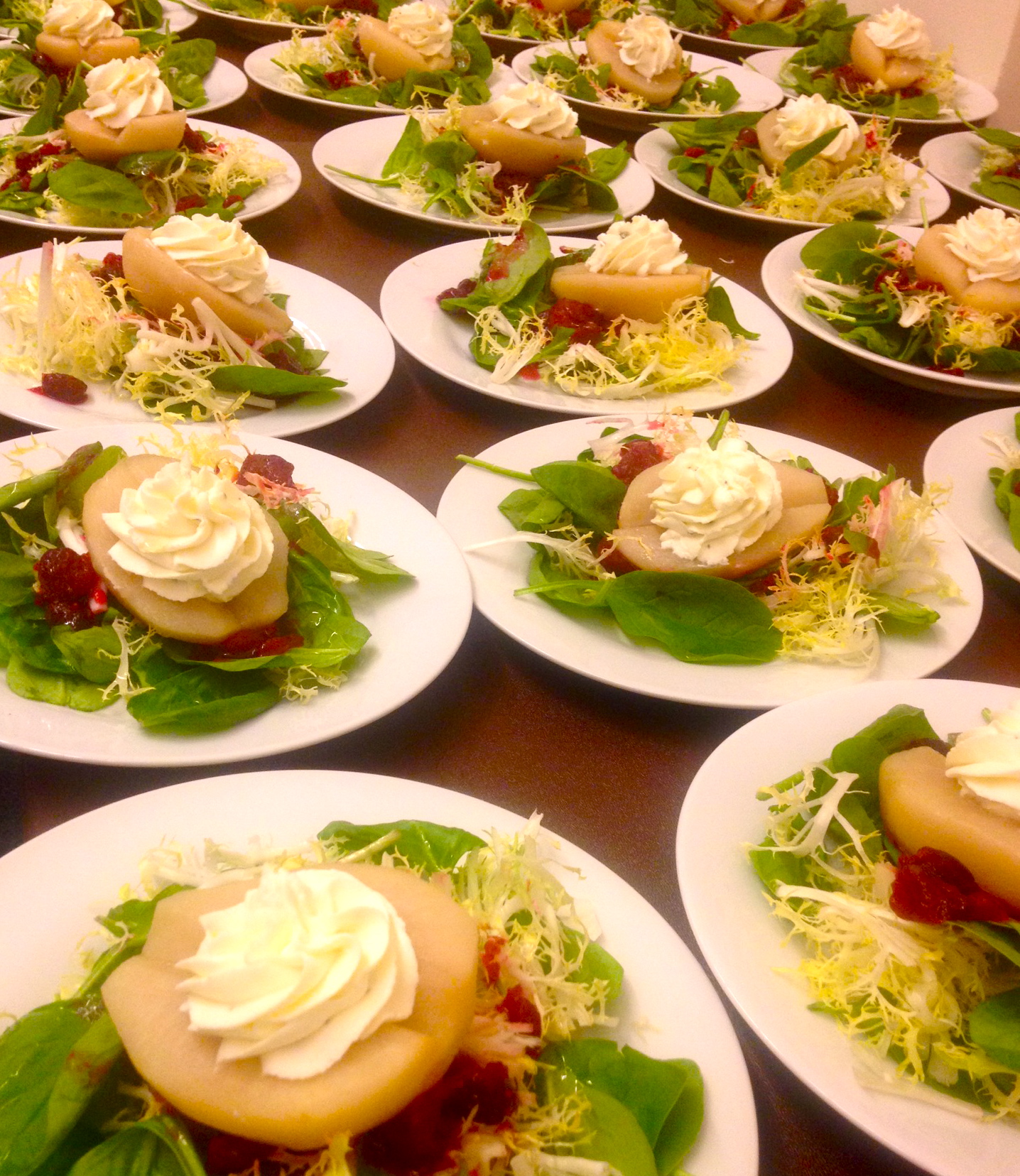
This Southern Pear Salad is a vintage recipe that combines canned pears, mayo, cheese, and cherries into a quirky dish. What might sound bizarre to modern palates was once a beloved staple at church suppers and Sunday dinners throughout the South. The dish featured canned pear halves served on lettuce leaves, filled with mayonnaise and topped with grated sharp cheddar cheese and a maraschino cherry.
My grandma from Texas made it with cottage cheese on the pear and the pear on a piece of lettuce. That was our Sunday after church dessert … Love those memories! Food historians note that this simple combination represented Depression-era ingenuity, transforming affordable canned goods into something special for family gatherings. This southern pear salad is the perfect old-fashioned recipe. Juicy canned pears topped with creamy mayonnaise, shredded cheese, and a sweet maraschino cherry.
Hot Mississippi Delta Tamales
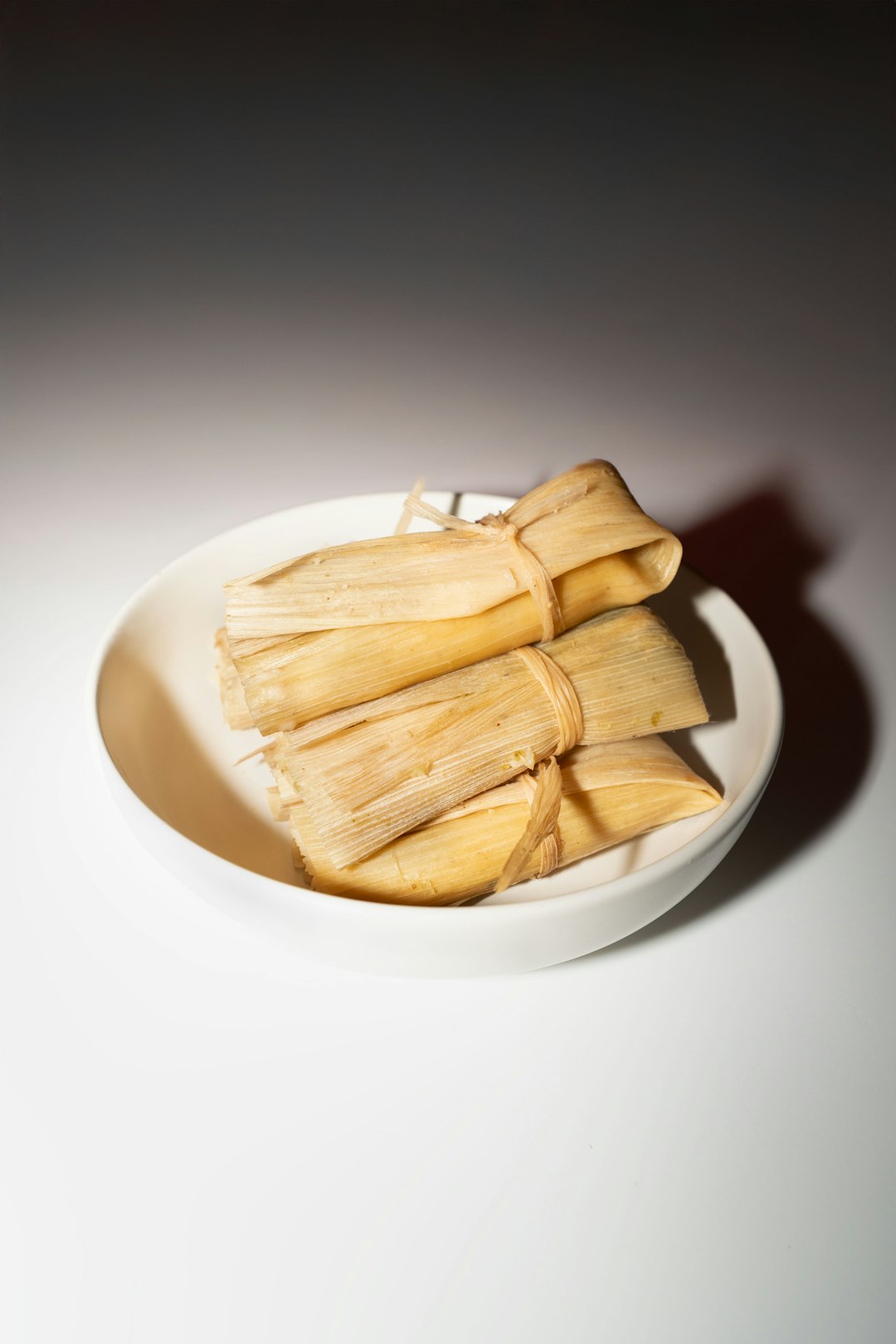
A hot tamale is a traditional dish native to the Mississippi Delta made of meat stuffed in cornmeal, wrapped in a corn husk, and simmered or boiled in a spiced brine. These distinctive tamales differ significantly from their Mexican counterparts, having evolved through African American culinary traditions in the early twentieth century.
The Mississippi Delta is a place where you can find just about any kind of food…But there is one dish that has been a staple in the Mississippi Delta for generations — hot tamales. Hot tamales are smaller than the tamales found in Hispanic America and their recipes vary significantly from chef to chef. The most common meat is ground beef or pork, but some chefs use turkey or even venison if brought in by customers. In the Mississippi Delta, no two people make hot tamales exactly the same.
Tomato Pudding
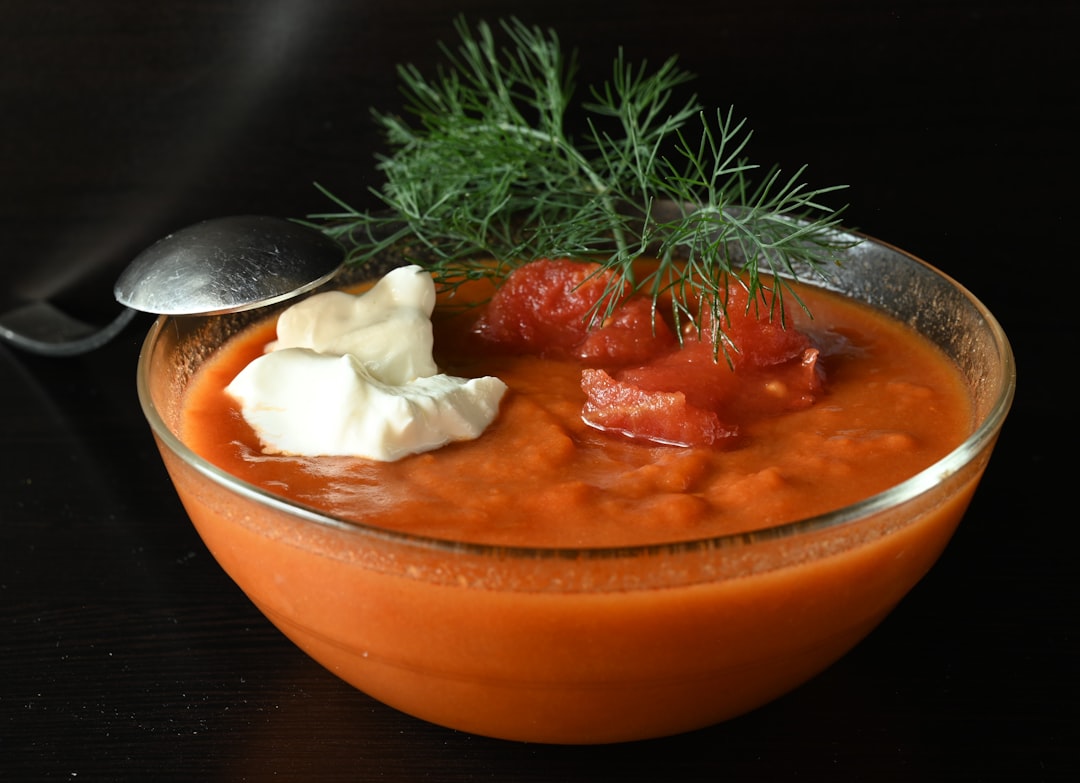
From pear salad and tomato pudding to vinegar pie and bacon crackers, we’re more than ready for these old-school classics to make a comeback according to Garden & Gun magazine’s exploration of forgotten Southern recipes. This savory-sweet dish combined stewed tomatoes with bread cubes, sugar, and butter, creating an unexpected comfort food that graced tables from Virginia to Georgia.
The dish served as both a side accompaniment to heavy meats and a way to use abundant tomato harvests during peak season. Historians suggest tomato pudding disappeared as fresh tomatoes became available year-round, making the preserved version seem unnecessary. The unique flavor profile, balancing acidity with sweetness, created a distinctive taste that modern Southern cooks are beginning to rediscover.
Vinegar Pie
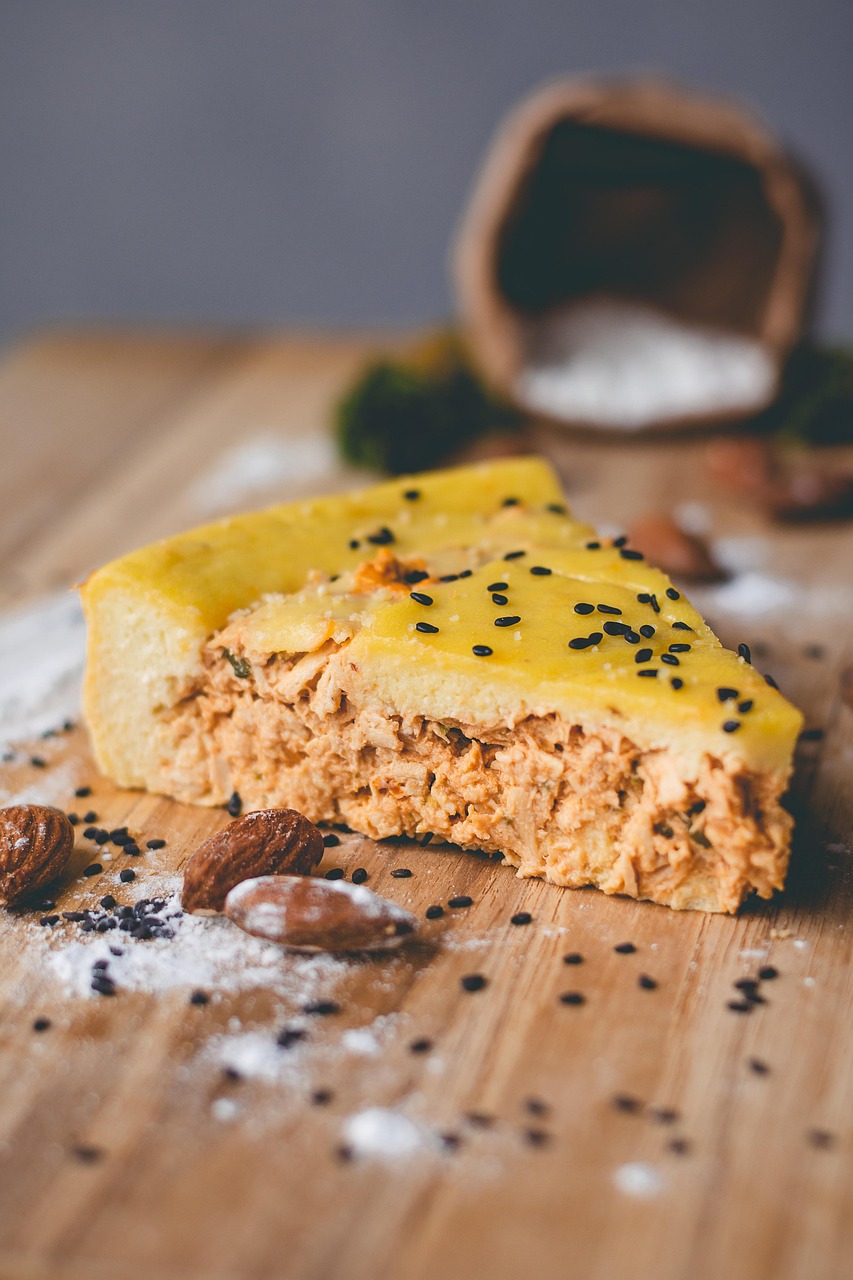
This Depression-era dessert emerged when expensive ingredients like lemons became luxury items beyond most families’ reach. Vinegar pie used common pantry staples including vinegar, sugar, eggs, and flour to create a surprisingly tart and satisfying dessert that mimicked lemon pie’s bright flavor profile.
The recipe required careful balance to achieve the right level of tartness without overwhelming the palate. Skilled bakers knew that apple cider vinegar produced the best results, while white vinegar created a harsher taste. From pear salad and tomato pudding to vinegar pie and bacon crackers, we’re more than ready for these old-school classics to make a comeback suggests growing interest in reviving this economical yet delicious dessert.
Jezebel Sauce
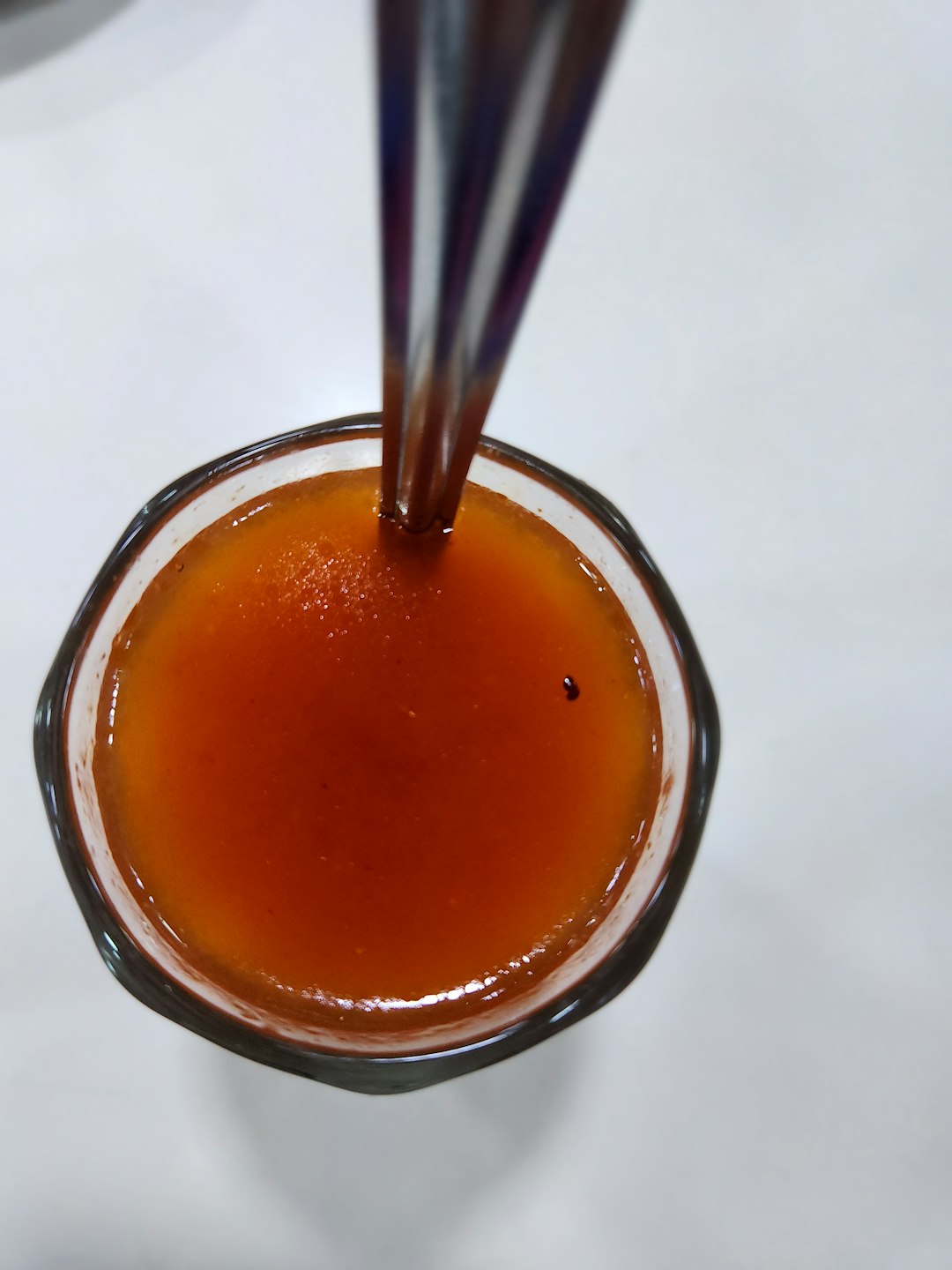
Legend has it, Jezebel Sauce was named for fiery Bible character Queen Jezebel, so it’s no wonder that this spicy-sweet sauce found its roots in the Southern Bible Belt. This versatile condiment combined horseradish, dry mustard, fruit preserves, and cream cheese into a complex flavor profile that complemented both meats and appetizers.
Horseradish and mustard give it a zing, while sweet fruit preserves balance out the flavor for a versatile concoction that’s delicious on everything from chicken and ham to a block of cream cheese. The sauce gained popularity at mid-century cocktail parties and holiday gatherings, serving as both a sophisticated appetizer spread and a glaze for meats. Its disappearance coincided with the decline of formal entertaining traditions, though recent cookbook revivals suggest renewed interest.
Moravian Sugar Cake
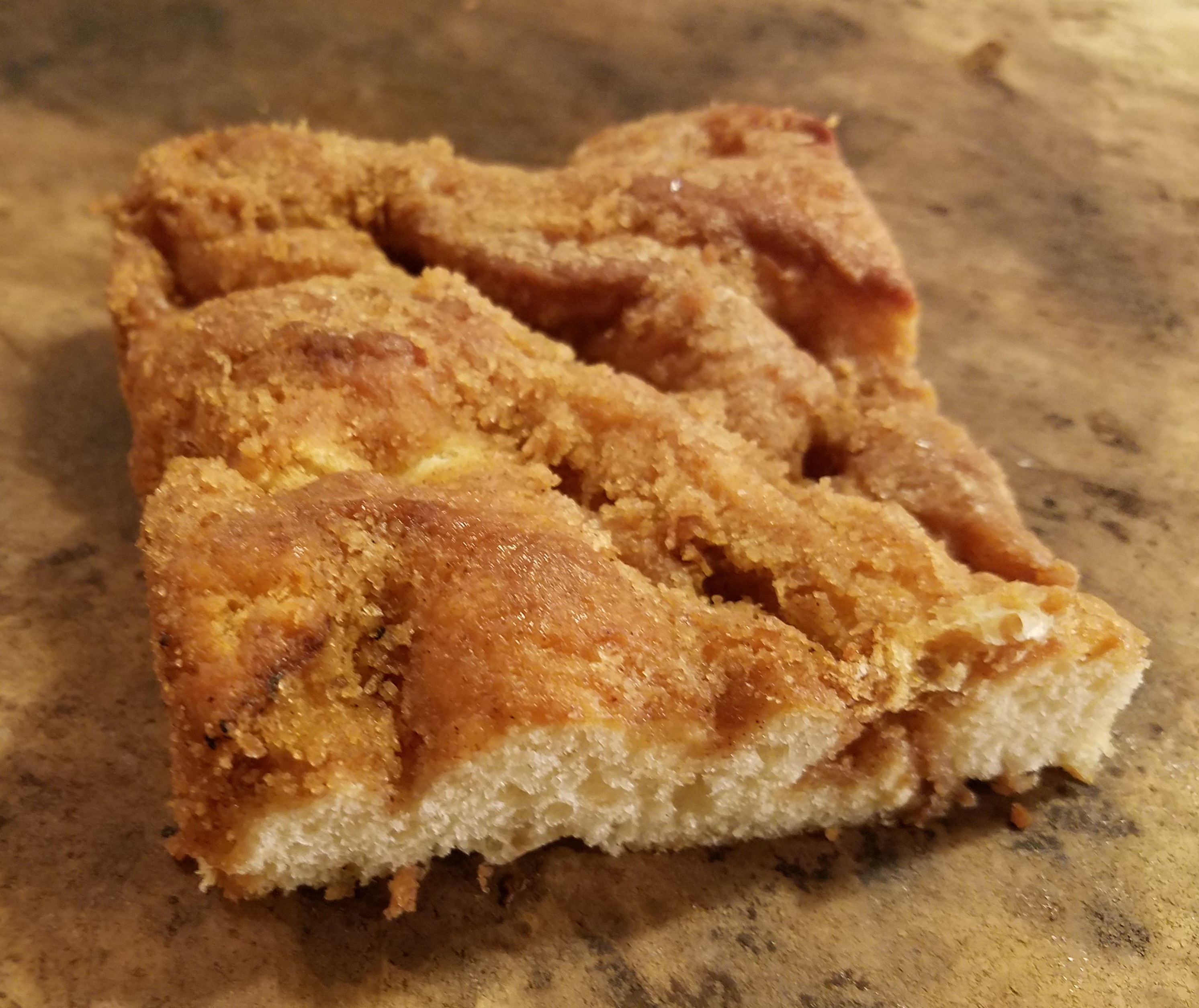
This sweet treat is a cousin of coffee cake, with a distinct bread-like texture from the addition of yeast and mashed potato to the batter. Named for Moravian settlers in the North Carolina Piedmont region who are credited with creating it, this fluffy cake is a delicious breakfast, snack, or dessert. The unique ingredient combination created a moist, tender crumb that distinguished it from other coffee cakes.
Traditional preparation involved dimpling the surface and filling holes with butter and brown sugar before baking, creating pockets of caramelized sweetness throughout. The recipe required patience as the yeast-based dough needed time to rise properly. We took ours up a notch by using mashed sweet potatoes in place of regular potatoes. Modern adaptations continue this tradition of innovation while honoring the original Moravian techniques.
Burgoo
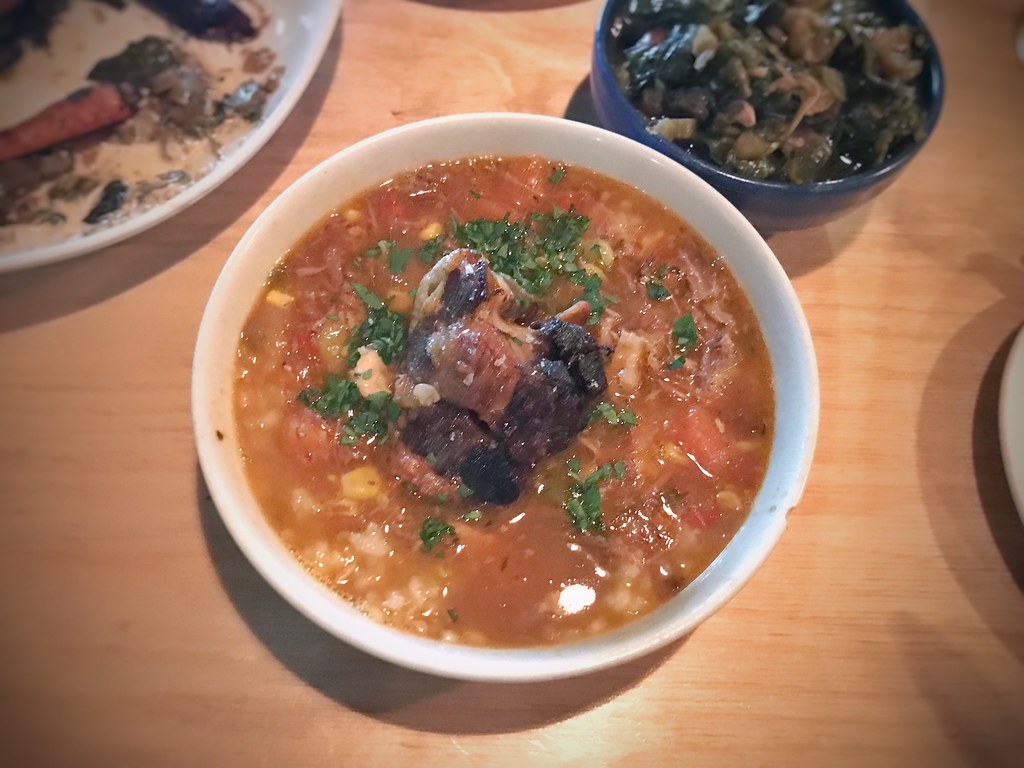
This hearty Kentucky stew represented the ultimate community dish, traditionally cooked in massive quantities for church gatherings, political rallies, and harvest celebrations. Original burgoo recipes called for whatever game and vegetables were available, creating a thick, nourishing meal that could feed dozens of people from a single pot.
Master burgoo makers became local celebrities, guarding their recipes and techniques with fierce pride. The dish required hours of slow cooking and constant stirring, making it a social event as much as a meal preparation. Historical accounts describe burgoo containing everything from squirrel and rabbit to corn, tomatoes, and lima beans, though modern versions typically use more conventional meats while maintaining the traditional cooking methods and communal spirit.
Chess Pie
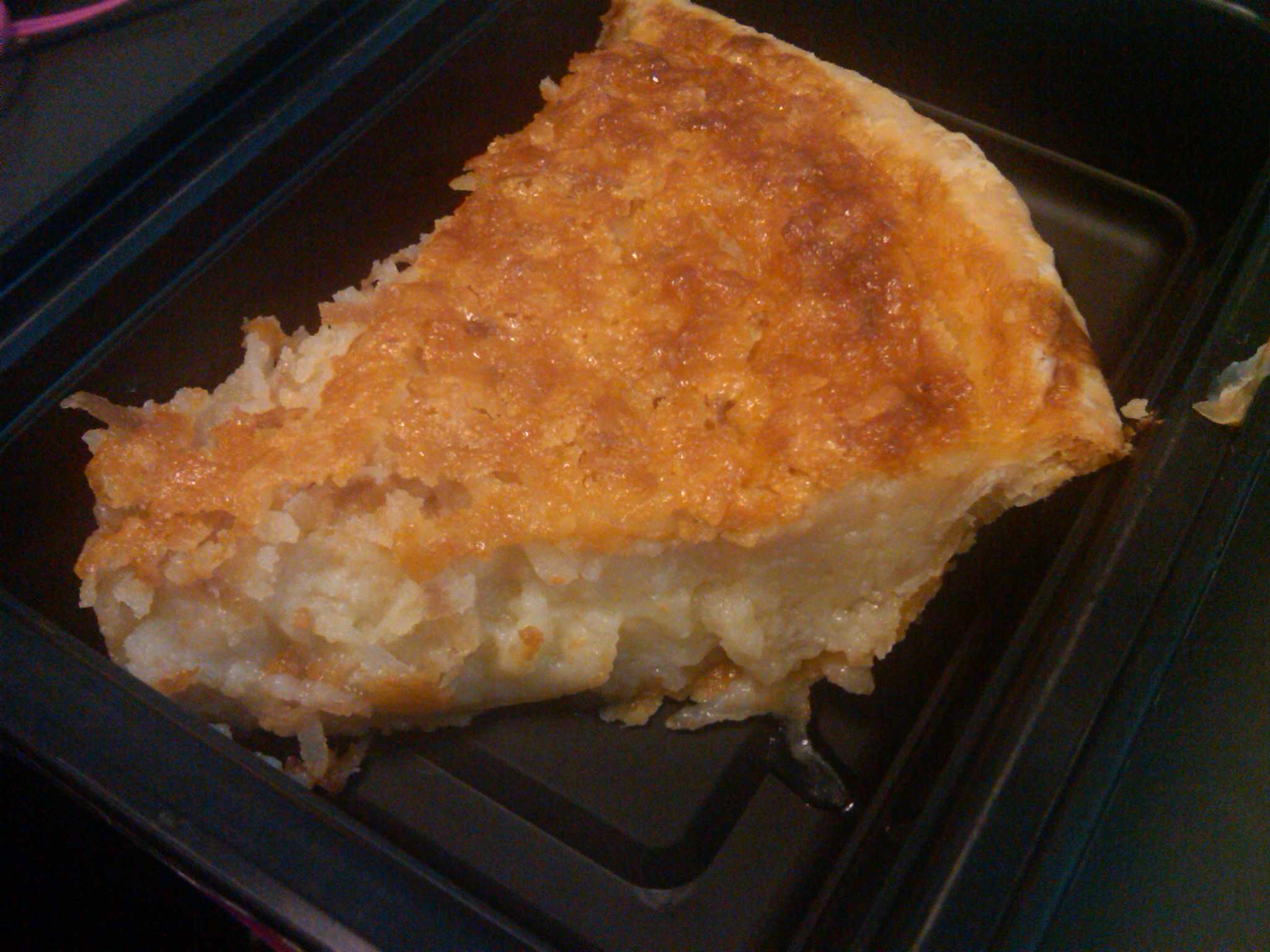
This simple custard pie became a Southern staple because it required only basic pantry ingredients that most households kept on hand. The filling combined eggs, sugar, butter, and a small amount of cornmeal or flour, creating a rich, sweet dessert that satisfied families even during lean times.
The pie’s name origins remain debated among food historians, with theories ranging from “chest pie” (stored in pie chests) to a corruption of “cheese pie.” What’s certain is its importance in Southern baking traditions, where reliable recipes that used common ingredients became treasured family heirlooms. The dessert’s golden, slightly caramelized top and creamy interior made it a favorite at Sunday dinners and special occasions throughout the rural South.
Hoe Cakes
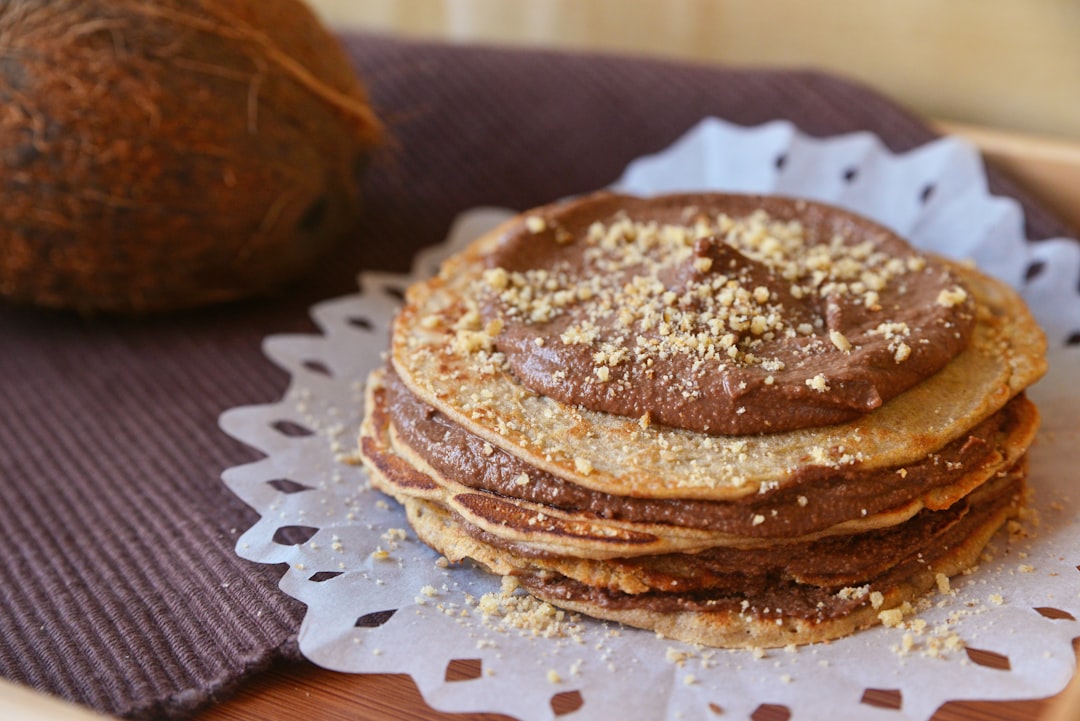
These simple cornmeal flatbreads earned their name from being cooked on hoe blades over open fires in the fields, providing sustenance for laborers who couldn’t return home for midday meals. The basic recipe required only cornmeal, water, and salt, creating a portable bread that could be prepared quickly with minimal equipment.
Archaeological evidence and slave narratives document hoe cakes as essential survival food, particularly for enslaved people working in fields far from kitchen facilities. The cooking method produced a crispy exterior and tender interior, making them more palatable than simple cornmeal mush. Modern food historians recognize hoe cakes as an important link to African American culinary heritage and rural survival techniques that deserve preservation and respectful revival.
Syllabub

This frothy beverage-dessert combined wine or sherry with cream, sugar, and lemon juice, whipped into a light, airy consistency that delighted Southern society gatherings. The drink required fresh dairy cream and careful technique to achieve the proper foam without separating, making it a mark of household sophistication.
Syllabub represented colonial elegance at its finest, served in delicate glasses at formal dinners and special celebrations. The recipe demanded high-quality ingredients and skilled preparation, factors that contributed to its eventual decline as simpler desserts gained popularity. Recent craft cocktail movements have sparked renewed interest in historical drinks like syllabub, with modern bartenders and food historians working to recreate authentic recipes using period-appropriate techniques and ingredients.
Modern Southern kitchens have room for these forgotten treasures alongside contemporary favorites. Each dish carries stories of resourcefulness, community, and cultural exchange that shaped the region’s culinary identity. Reviving these recipes means more than just following instructions; it means reconnecting with the hands and hearts that created lasting food traditions from humble ingredients and challenging circumstances.
What do you think about it? Tell us in the comments.