10 Popular U.S. Hot Dog Styles Organized by Regional Preference
You probably think a hot dog is a hot dog: a bun, a squirt of mustard, maybe some ketchup, and you’re done. Cross a few state lines, though, and that simple idea starts showing up with cream cheese, bacon, beans, coleslaw, or a pickle spear so green it looks like it glows.
These ten styles are grouped by region, so you can eat your way from the Northeast to the Southwest without leaving your chair. Toppings and details change from stand to stand, so treat each description as the classic version, not a rulebook.
Keep an eye on the last one. It takes nearly every habit you’ve picked up from the first nine and turns it into a full meal in a roll.
1. New York Dirty-Water Dog: The Sidewalk Classic
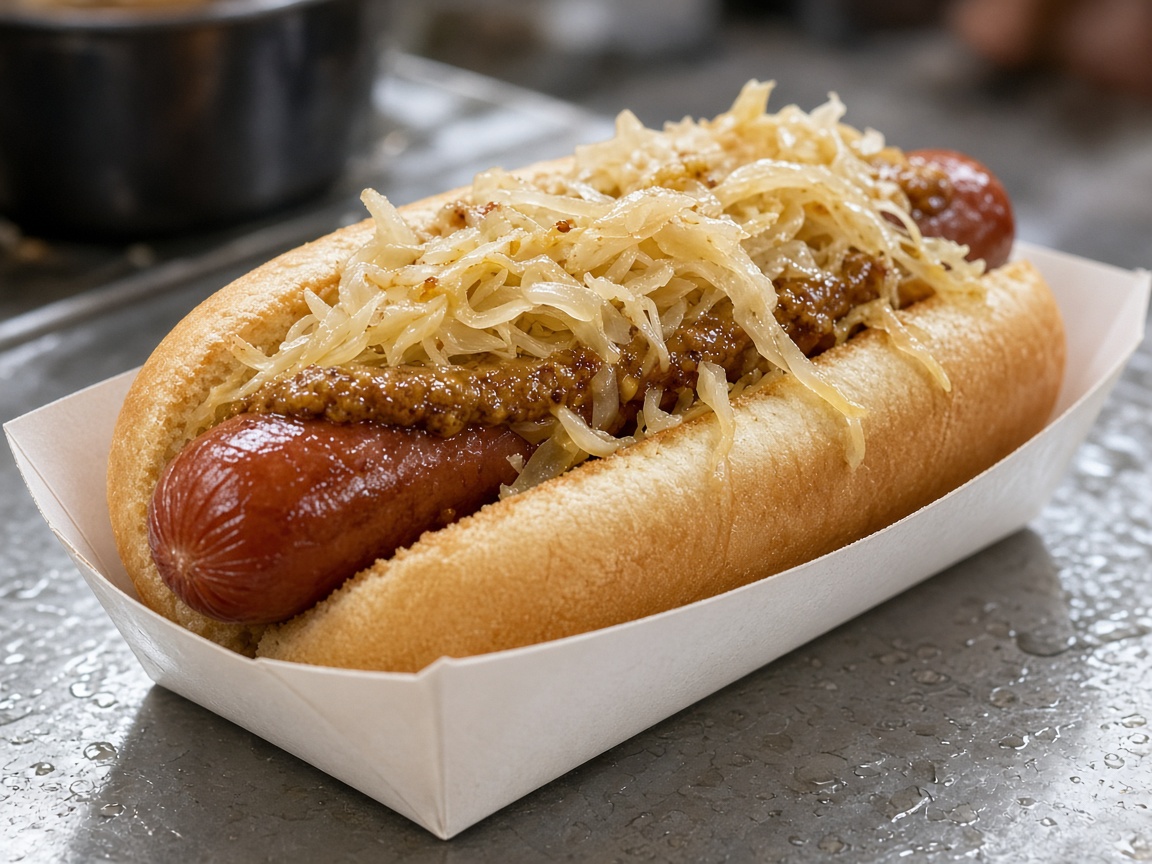
Picture a steel cart on a New York corner, steam curling up beside a faded umbrella. The hot dog inside has been warming in hot water, which is where the cheeky “dirty-water dog” nickname comes from.
The usual toppings are spicy brown mustard and sauerkraut, and many carts also offer onions cooked in a sweet-tangy red sauce. Ketchup turns up here and there, but mustard is the default order for most regulars.
The style is tied in the public mind to Nathan’s Famous, which opened at Coney Island in 1916 and still hosts its Fourth of July eating contest there. Papaya King and a long line of street carts keep the city’s own versions going.
What sets it apart is how little fuss there is. A snappy dog, a soft bun, and a few toppings are handed over in seconds and eaten standing up on the sidewalk.
2. Rhode Island’s “New York System” Wiener: The Style Named for the Wrong Place
Here’s the twist: one of the most famous “New York” hot dogs isn’t from New York at all. In Rhode Island, “New York System” means small wieners served with a very particular set of toppings.
Expect a steamed bun, yellow mustard, chopped onion, celery salt, and a spiced meat sauce. That sauce is the real star, and many shops treat their recipe like a family secret.
At a Glance
- Size: small wieners, so ordering several at once is normal
- Bun: steamed and soft
- Toppings: yellow mustard, chopped onion, celery salt, spiced meat sauce
- Ordering lingo: “all the way” means everything on top
Old-school counters around Providence are known for lining buns up along a server’s arm to build a batch of orders at once. It’s a little bit of dinner theater, and regulars love to watch it happen.
Origin stories vary, but the one most often told ties the style to Greek immigrants who came through New York. Regulars often order them “all the way,” which means with everything on top.
3. New England Split-Top Dog: The Bun Is the Whole Point
In much of New England, the bun gets top billing. Instead of opening from the side, the classic New England-style bun splits from the top and has flat sides that were made for the griddle.
Cooks brush those flat sides with butter and toast them until golden, which gives the hot dog a crisp, buttery frame. The same style of bun is the traditional home of the lobster roll, so it feels right at seaside shacks.
Maine adds a famous wrinkle with red snappers, bright red hot dogs in a natural casing that snaps when you bite. Mustard and a few simple toppings are typical, though every stand has its own habits.
This one is easy to copy at home with a skillet and a stick of butter. Toast the bun slowly, and the whole kitchen starts to smell like a summer clam shack.
4. Carolina and West Virginia Slaw Dog: Chili and Coleslaw in One Bite
Down South, hot dogs get their crunch from an unexpected place. A scoop of cold coleslaw goes right on top of the hot chili.
The classic stack is a steamed bun and dog, mustard, a beanless, finely textured hot dog chili, chopped onion, and creamy slaw. In many Carolina diners, ordering one “all the way” gets you something very close to this.
West Virginia has its own close cousin built on the same chili-and-slaw idea, found at local hot dog stands and drive-ins. The sweetness of the chili and the thickness of the slaw change from place to place, so no two stands taste identical.
The magic is the contrast: warm, savory chili against cool, tangy slaw. It’s a hot dog that demands extra napkins and rewards you for ignoring your manners.
5. Chicago Dog: Seven Toppings and a Famous No-Ketchup Rule
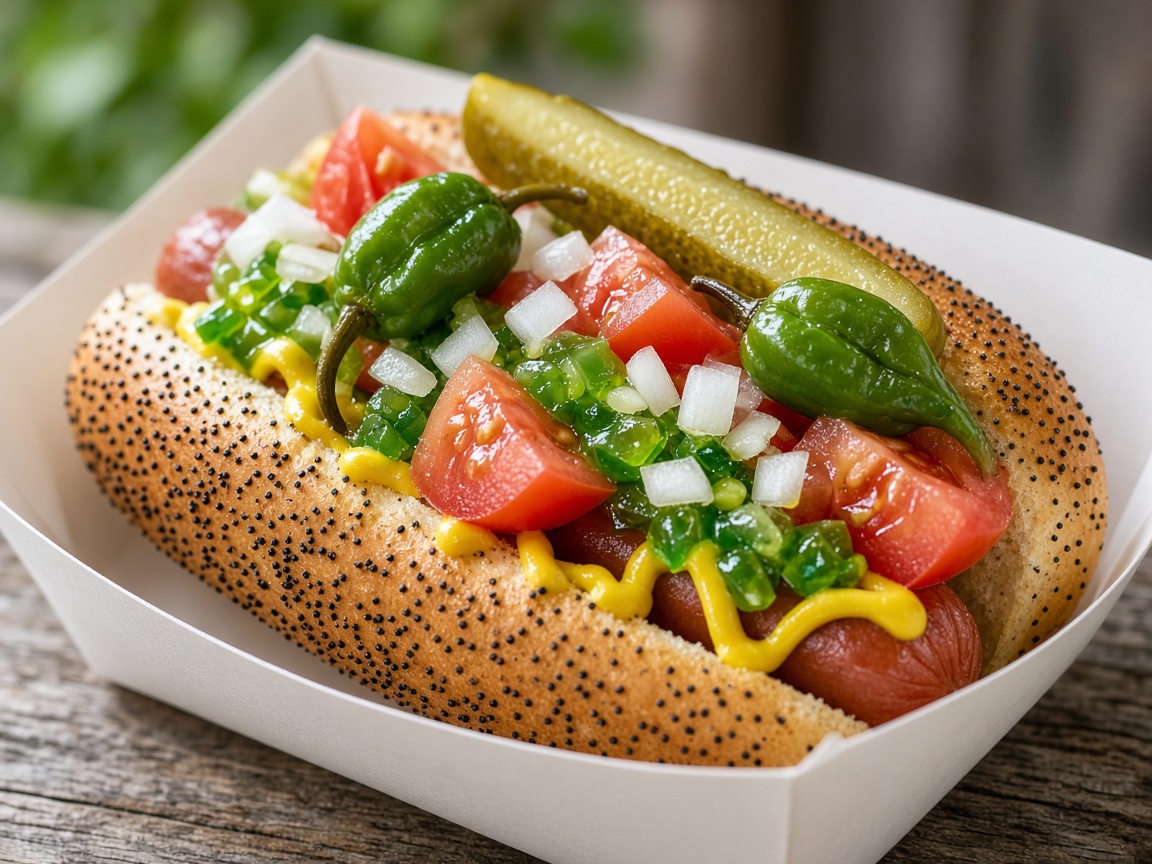
Chicago is where a hot dog turns into a garden salad on a bun. The classic arrives on a poppy seed bun piled with yellow mustard, bright green sweet pickle relish, chopped white onion, tomato wedges, a dill pickle spear, pickled sport peppers, and a dash of celery salt.
The dog itself is typically all-beef, and Vienna Beef is the best-known brand in town. The company dates to 1893, when Austro-Hungarian immigrants sold their sausages at the World’s Columbian Exposition.
Locals call the full build “dragged through the garden.” It’s a loud, colorful pile that looks like too much until you take the first bite.
Fast Facts
- Bun: poppy seed
- Dog: typically all-beef
- Topping count: seven, from mustard to sport peppers
- Finishing touch: a dash of celery salt
Then comes the rule everyone knows: no ketchup. Many stands won’t even offer it, and asking for it is a reliable way to get a raised eyebrow.
6. Detroit Coney: A Rivalry Built on Chili and Yellow Mustard
In downtown Detroit, two legendary coney restaurants sit practically next door to each other. American Coney Island and Lafayette Coney Island have fed office workers, night owls, and curious visitors on the same stretch of Lafayette Boulevard for generations.
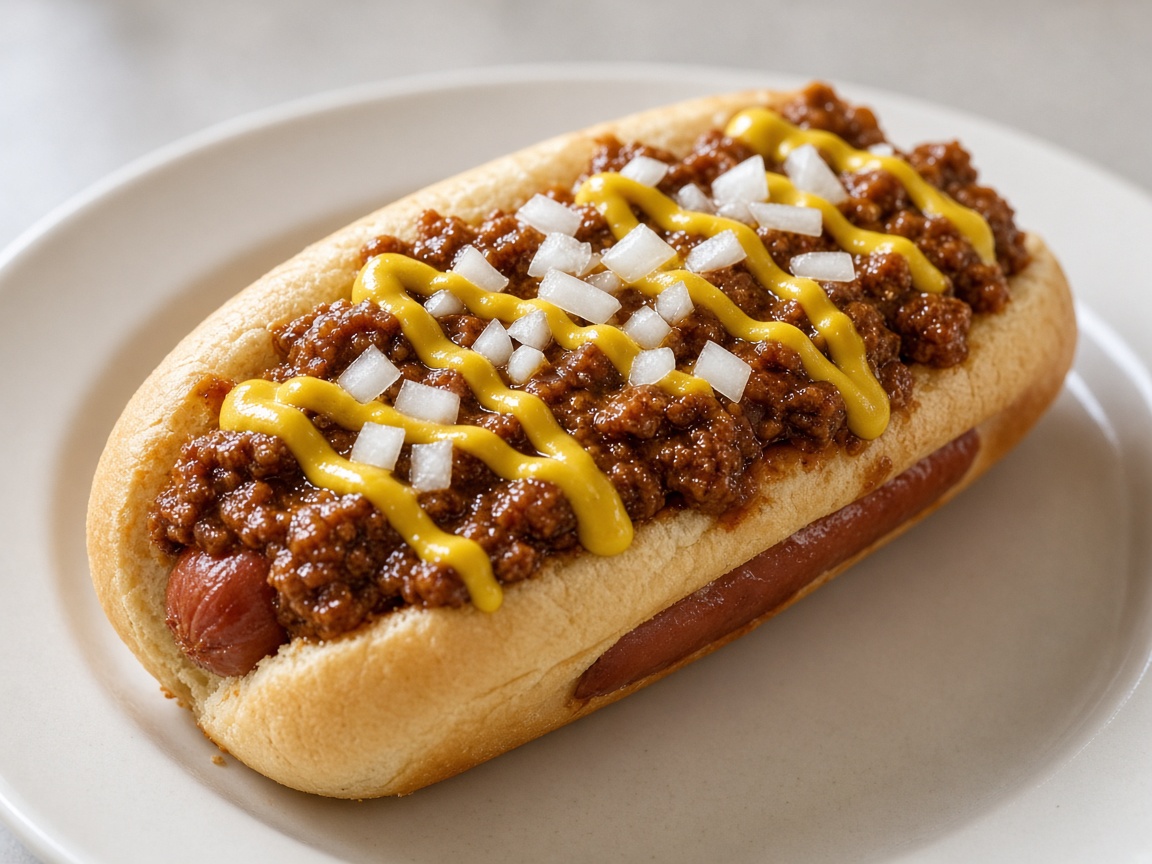
A Detroit coney is a natural-casing hot dog in a steamed bun, topped with beanless meat chili, yellow mustard, and chopped onions. Greek immigrant families helped build the city’s coney culture, and you can still find the style at diners all over the region.
Michigan’s Flint has its own take with a drier, crumbly meat sauce. If you travel the state, it’s worth asking which kind of coney you’re about to order.
Locals love to argue about whose coney is best. The arguing is half the fun, and almost nobody wants it to end.
7. Cincinnati Cheese Coney: A Mountain of Cheese on a Tiny Bun
Cincinnati chili is a different animal from the Texas kind. It’s a thinner, warmly spiced sauce that’s often described as hinting at cinnamon, and it’s served over spaghetti and hot dogs alike.
The cheese coney starts with a small hot dog in a soft, steamed bun. Then it gets mustard, a ladle of chili, and a snowy pile of finely shredded mild cheddar that buries everything underneath.
Quick Compare
- Detroit coney: beanless meat chili, yellow mustard, chopped onions
- Flint coney: a drier, crumbly meat sauce
- Cincinnati cheese coney: thinner, warmly spiced chili under shredded mild cheddar
Skyline Chili and Gold Star Chili are the two best-known chains, and independent chili parlors fill in the gaps around Cincinnati. Onions are usually an add-on rather than a given.
Because the dogs are small, ordering a few at a time is common. They disappear quickly, and the empty paper boats stack up faster than you’d expect.
8. L.A. Danger Dog: Bacon-Wrapped Street Food After Dark
When night falls in Los Angeles, the smell of bacon and onions drifts out of sidewalk carts near stadiums, concerts, and nightlife blocks. You often smell the cart long before you spot it.
A danger dog is a bacon-wrapped hot dog grilled on a flat-top and tucked into a soft bun. It’s usually topped with grilled onions and peppers, plus ketchup, mustard, mayo, or jalapeños, depending on the vendor.
The style is widely linked to Mexican street-food traditions, and it shares roots with a famous cousin from the Arizona-Sonora border region. You’ll meet that cousin at number ten.
Nobody agrees on exactly where the “danger” nickname comes from, which only adds to the mystery. Look for carts on the street rather than on restaurant menus, especially when a big crowd is letting out.
9. Seattle Dog: Cream Cheese on a Hot Dog, Seriously
Cream cheese sounds like it belongs on a bagel, not a hot dog. In Seattle, it’s a classic topping, and locals defend it with real conviction.
The Seattle dog comes on a split, toasted bun with a smear of cream cheese and grilled onions. Many stands add hot sauce or sriracha, and some use a sausage instead of a standard hot dog.
Street vendors working near bars, clubs, and event crowds helped make it a late-night favorite. Neighborhoods with plenty of nightlife are your best bet for finding one.
Fans describe the combination as creamy, tangy, and spicy all at once. It sounds like a dare, but the first bite is usually when the doubt disappears.
10. Sonoran Dog: The Bacon-Wrapped Meal That Out-Toppings Everything
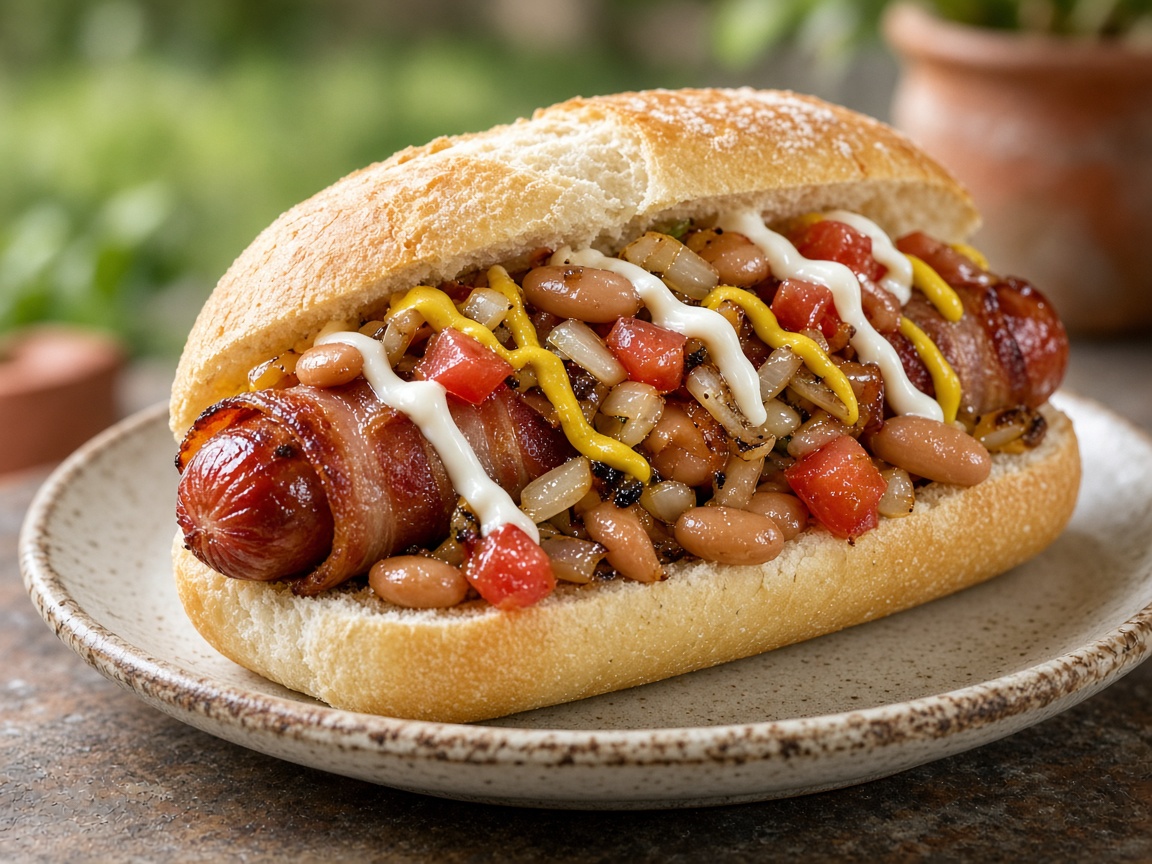
Which brings us to the style that makes even a loaded Chicago dog look restrained. The Sonoran dog comes from Hermosillo in Sonora, Mexico, and it has become a signature food of Tucson and Phoenix.
A hot dog is wrapped in bacon, grilled, and tucked into a soft bolillo-style roll. Then it’s topped with pinto beans, chopped onion, tomato, mayo, mustard, and a jalapeño salsa, and many stands serve grilled chiles on the side.
Southern Arizona is packed with carts and restaurants serving it, and Tucson’s El Güero Canelo has been recognized by the James Beard Foundation as an American Classic. Menus vary, so toppings and sauces differ from spot to spot.
Why It Stands Out
- Wrap: the hot dog is bacon-wrapped before it hits the grill
- Roll: a bolillo-style bun, sturdy yet soft
- Beans: pinto beans go right on top, which no other style here does
- Extras: grilled chiles often come on the side
The roll is the secret, because it’s sturdy enough to carry all that weight but soft enough to squish together in your hands. This isn’t a snack with a few toppings; it’s a hot dog that eats like a full dinner.
What Ten Buns Teach You About Home
Every style on this list started as a local answer to a simple question: what do we have, and what do we love? Immigrant families, street vendors, and neighborhood diners kept tweaking the same humble sausage until it tasted like the place it came from.
That’s why a hot dog can carry a whole region’s memory in a single bun. Try one of these at home this summer, and you may find that the best part isn’t the topping but the story that comes with it.