Everything You Were Told About “Prime” Steak Is Wrong: The Hidden Truth Behind Menu Labels
Walk into any upscale steakhouse and you’ll see it plastered across the menu. USDA Prime. The gold standard. The badge of honor that justifies a fifty dollar price tag. Here’s the thing, though: that label might not mean exactly what you think it does. Let’s be real, most of us have been conditioned to believe Prime equals perfection, the absolute pinnacle of beef quality. Yet what the restaurant industry doesn’t always advertise is how much variation exists within that single grade, or how the entire grading system itself operates on standards that might surprise you. You’re about to discover why that expensive Prime ribeye might not actually be superior to a well-chosen Choice cut, and how menu labels have quietly misled health-conscious consumers for decades. Honestly, once you understand what’s really happening behind the scenes, your next steakhouse visit will never feel the same.
The USDA Grading System Was Never Designed for Everyday Consumers
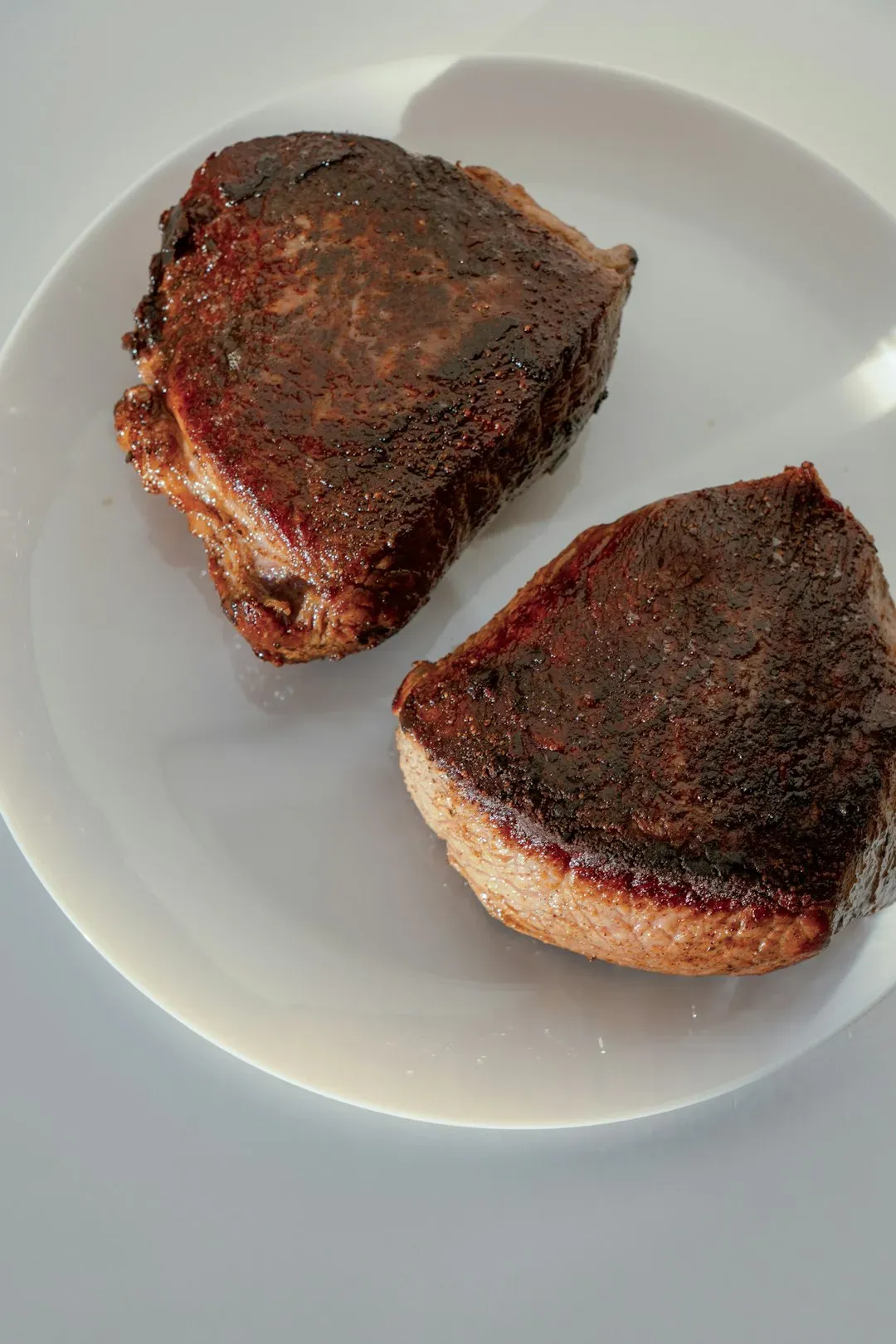
The concept of grading beef quality began in the US in 1926 when the Department of Agriculture was tasked with implementing a system to categorize whole carcass beef quality to aid large institutions, such as the military, hospitals, railroads, etc. Think about that for a second. This wasn’t created to help you pick out a great steak at the grocery store. Meat grading was developed in the U.S. as a marketing tool due to an agricultural recession, with cattle farmers hoping that the grading system would increase demand for the fatty meat that came from purebred, corn-fed cattle. So from its very inception, the grading system served commercial interests, not consumer education. The USDA grading system, especially at the higher levels, can sometimes be misleading, and not all USDA Prime is created equal.
What “Prime” Actually Measures Is Shockingly Narrow
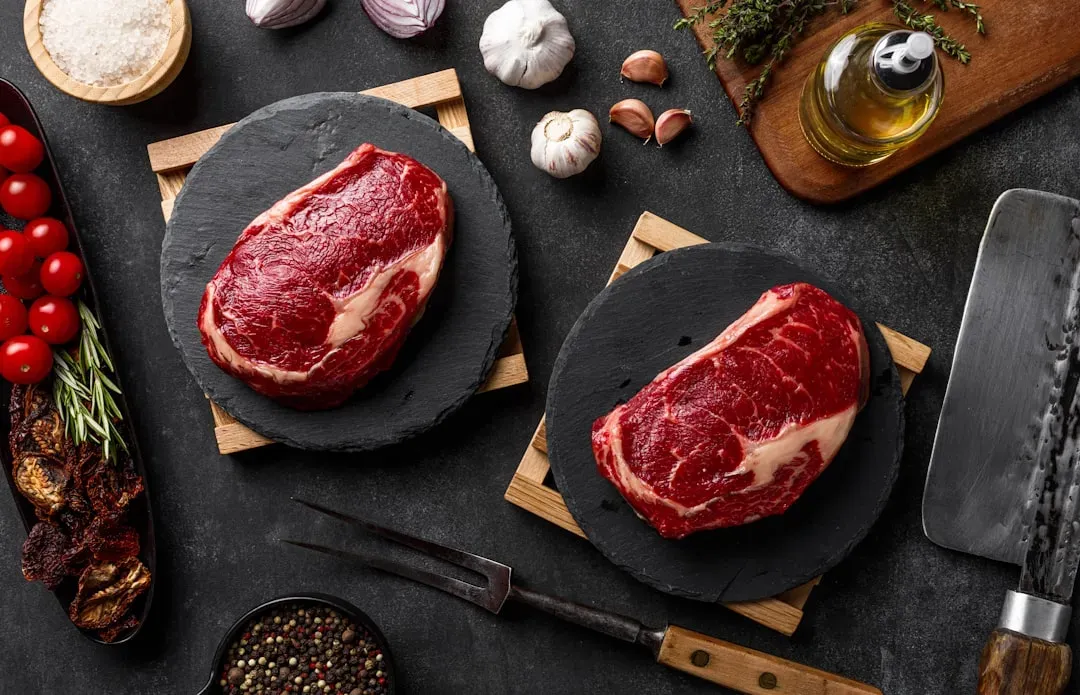
To determine a beef grade, the USDA grader looks specifically at the amount of marbling in the ribeye muscle between the 12th and 13th ribs, and based on that one location of the cow, they can then determine if the beef in the entire cow is Prime, Choice or Select. Wait, what? The entire grade of a massive animal gets decided by examining one single spot between two ribs? It sounds crazy, but that’s precisely how it works. If the USDA awards a prime quality grading, that means that the beef has abundant marbling, with 8 to 13 percent fat, and is from a young, well-fed cow, with only about 2 to 5 percent of beef sold in the foodservice industry receiving this grading. The issue isn’t just about marbling percentages. Not all USDA Prime beef is the same, and there are important factors that can make one Prime cut far superior to another, including cattle breed, with different cattle breeds having varying levels of marbling and tenderness, such as Angus and Wagyu.
Choice Grade Beef Hides a Massive Quality Range
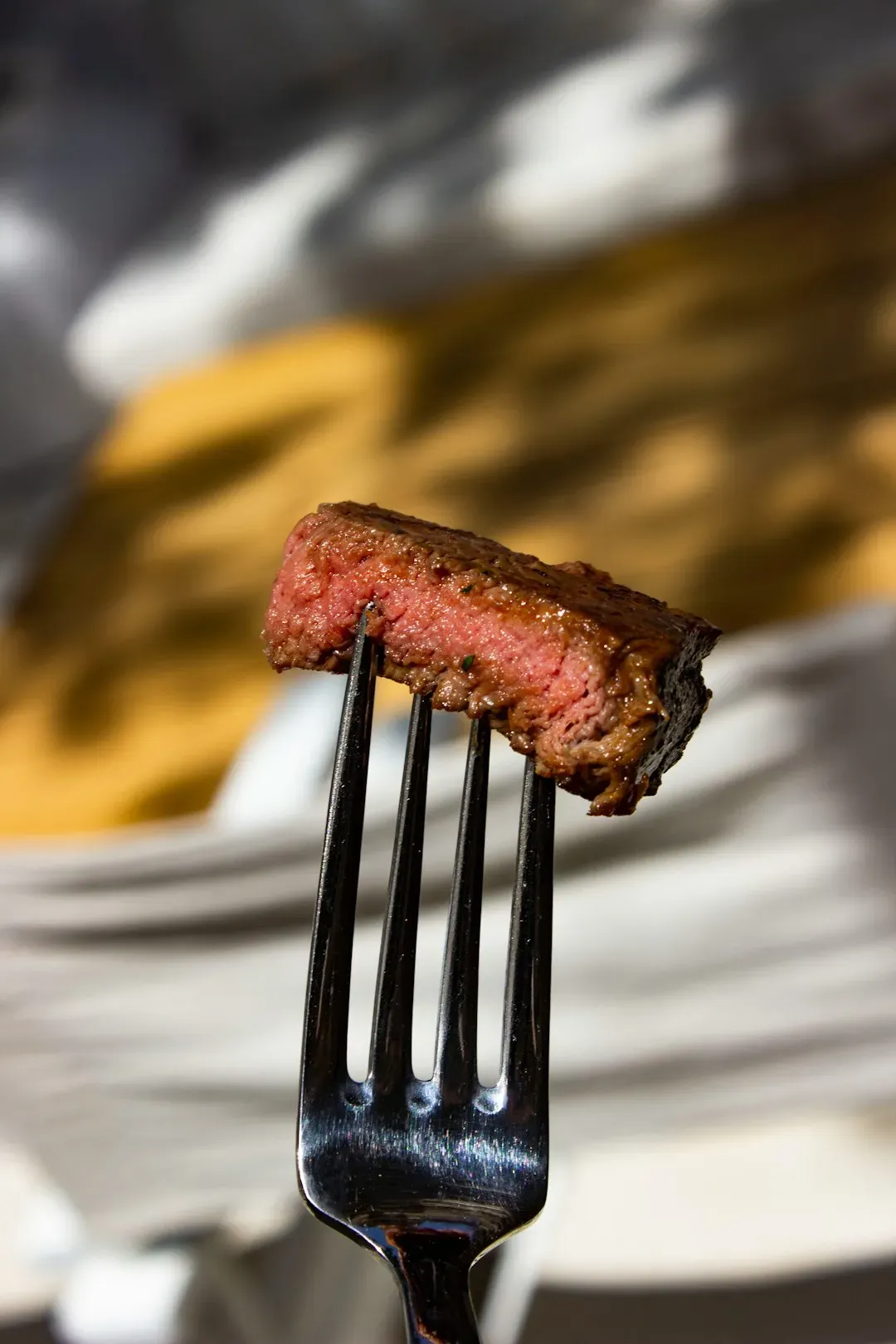
Qualifying beef can have moderate, modest, or even small marbling, and roughly 55 percent of graded beef is USDA Choice, meaning you might find lower-end Choice cuts that resemble Select beef, or higher-end Choice products that could pass for Prime steaks. This is where restaurants and butchers play games with your expectations. Many butchers, restaurants, and meat services make wholesale purchases of what’s known in the industry as “Top Choice” or “Upper Choice” beef, which includes only the upper two thirds of the grade, meaning USDA Choice steak with moderate or modest marbling, representing the upper two-thirds of Choice. So when you order a Choice steak, you have no clue whether you’re getting the top tier or the bottom. Grocery stores and other retailers are often left with small-marbled Choice cuts after the wholesale buyers have had their pick of the higher-end meat.
Restaurants and Grocery Stores Exploit Labeling Loopholes
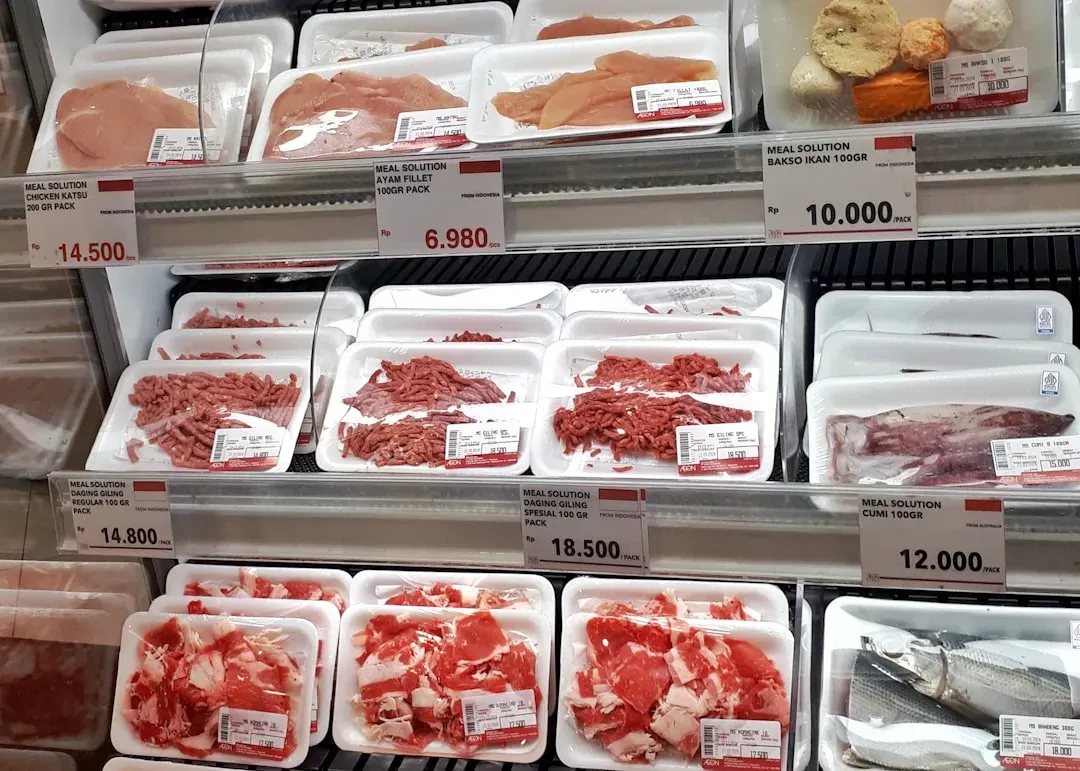
While only the USDA can use the terms Prime, Choice, and Select, graded cattle need not be marketed under the designation given by the USDA, as many supermarket chains will introduce a trademark name to avoid the “Select” designation, though any beef rated high enough to be either USDA Prime or USDA Choice will be marketed as such. Translation: if you don’t see Prime or Choice explicitly stated on the label, you’re probably getting Select grade or worse. Here’s where it gets shadier. Companies are mislabeling meat as antibiotic-free, deceiving their customers, with some reports raising concerns about antibiotic residues in beef labeled “Raised Without Antibiotics,” including products from major meatpackers. The four biggest meatpackers on the U.S. beef market unduly benefited from the old rule that allowed misleading “Product of U.S.A.” labels, as these corporations produced cheaper products by outsourcing to countries with fewer health and safety regulations, then labeled the meat as “Product of U.S.A.” because they package it within the United States.
The Recent Crackdown on Menu Deception Tells You Everything
Over 200 class action lawsuits were filed each year from 2020 to 2022 regarding false advertising in food and beverage, compared with 53 suits filed in 2011. Why the explosion in lawsuits? Because consumers finally started catching on. The new rule requires that to use the “Product of USA” or “Made in the USA” labels, meat, poultry, and egg products must be derived from animals born, raised, slaughtered, and processed exclusively within the U.S., with this claim remaining voluntary but requiring supporting documentation, and for multi-ingredient products, most ingredients must also be of domestic origin. The Final Rule announced on March 11, 2024 is intended to ensure that claims such as “Product of USA” and “Made in the USA” are truthful and not misleading, and was initiated in response to petitions from industry groups and consumer advocates, as well as findings from a 2022 consumer perception study indicating that prior labeling practices were confusing and often misinterpreted.
What does all this mean for you the next time you’re scanning a restaurant menu or standing in the meat aisle? Simple. Don’t let fancy labels do your thinking for you. Prime doesn’t automatically mean superior, Choice covers a huge spectrum, and those feel-good claims about antibiotic-free or American-raised might be smoke and mirrors. The beef industry has been playing fast and loose with consumer trust for far too long, relying on our ignorance to justify premium pricing. Armed with this knowledge, you can make smarter choices, ask better questions, and maybe save a few bucks without sacrificing quality. The power is back in your hands.