12 Home Decor Trends Designers Say Are Quietly Phasing Out
Home decor moves fast. One year you’re pinning something obsessively to your mood board, and twelve months later it shows up on a list of things to avoid. It’s almost funny, honestly, if it weren’t for the fact that a lot of us spent real money on it.
Designers have been unusually candid recently about what they’re watching slowly disappear from the interiors conversation. Some of these trends had magnificent runs. Others, in hindsight, were always a little questionable. What’s driving the shift is something deeper than taste alone, including how we live, work, and feel inside our own four walls.
Be surprised by what made the list.
1. The All-White Everything Interior
For a solid decade, the all-white interior reigned supreme. Crisp, clean, and seemingly timeless, it swept through Instagram feeds and renovation shows with no signs of slowing down. While clean and crisp all-white spaces were widespread, they’re being replaced by warmer, cozier environments. Designers simply got tired of looking at it.
The ubiquitous all-white color schemes and overly distressed decor made the farmhouse-inspired style all too formulaic. What replaced it is warmer, richer, and far more interesting. Bold colors, rich textures, and mixed materials are taking center stage as people seek more personalized and inviting settings. Think cream, warm linen, and deep ochre instead of blinding, sterile white walls.
2. Gray on Gray on Gray
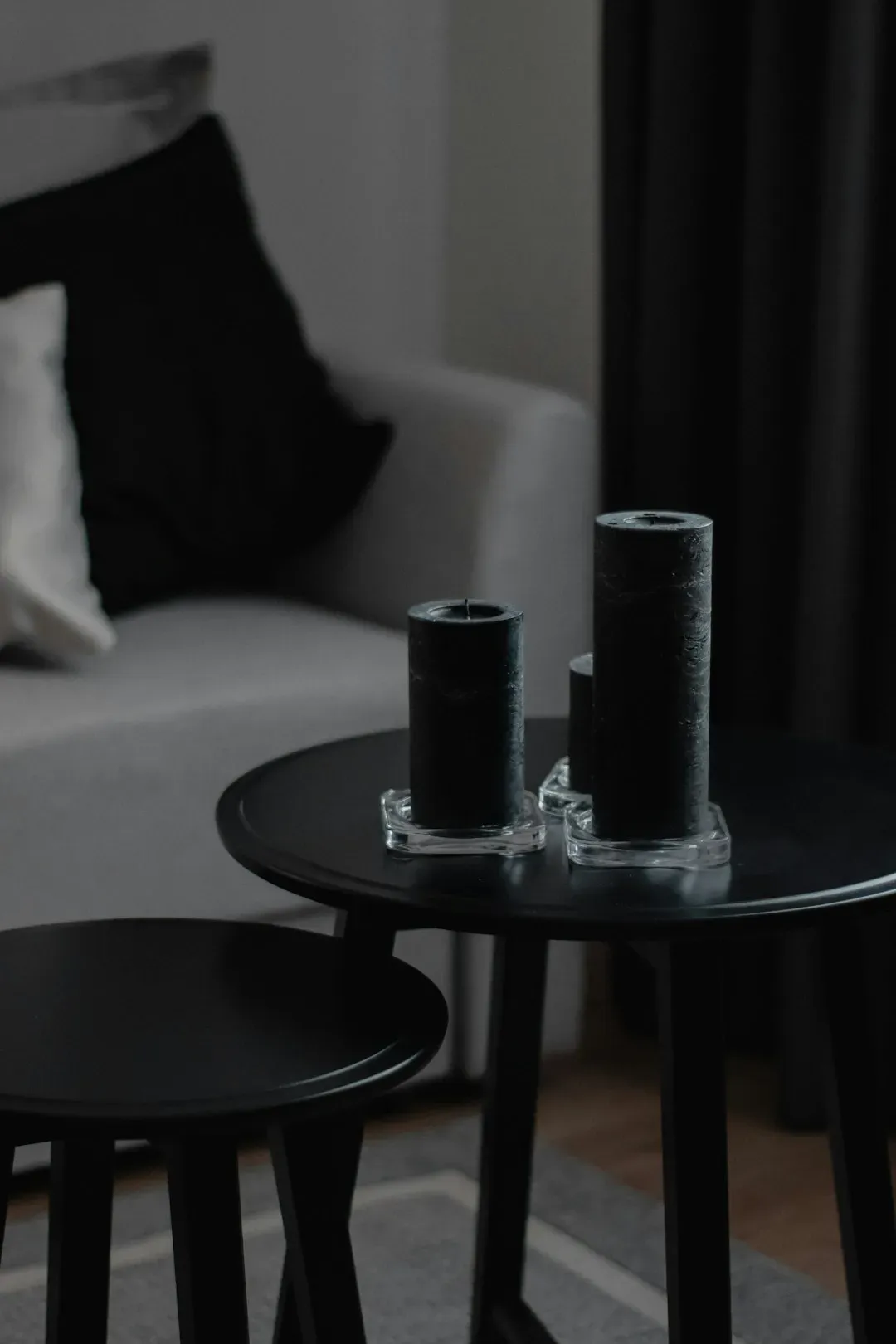
Gray had its moment, a long one. For nearly a decade it was the safe, sophisticated choice. Now? Yes, gray is outdated in most cases for walls, cabinets, flooring, and other interior finishes. The cool, monochromatic palette that once felt modern now reads as flat and a little cold.
More vibrant and colorful spaces are replacing the gray-on-gray trend, with warmer tones like beige, taupe, and jewel tones starting to emerge, moving away from the cool, monochromatic palettes that have dominated in recent years. It’s a shift that feels overdue. Mocha brown, olive green, terracotta, deep navy, and clay pink are now dominating walls, furniture, and textiles, replacing the cooler neutrals that defined previous years.
3. Open-Concept Floor Plans
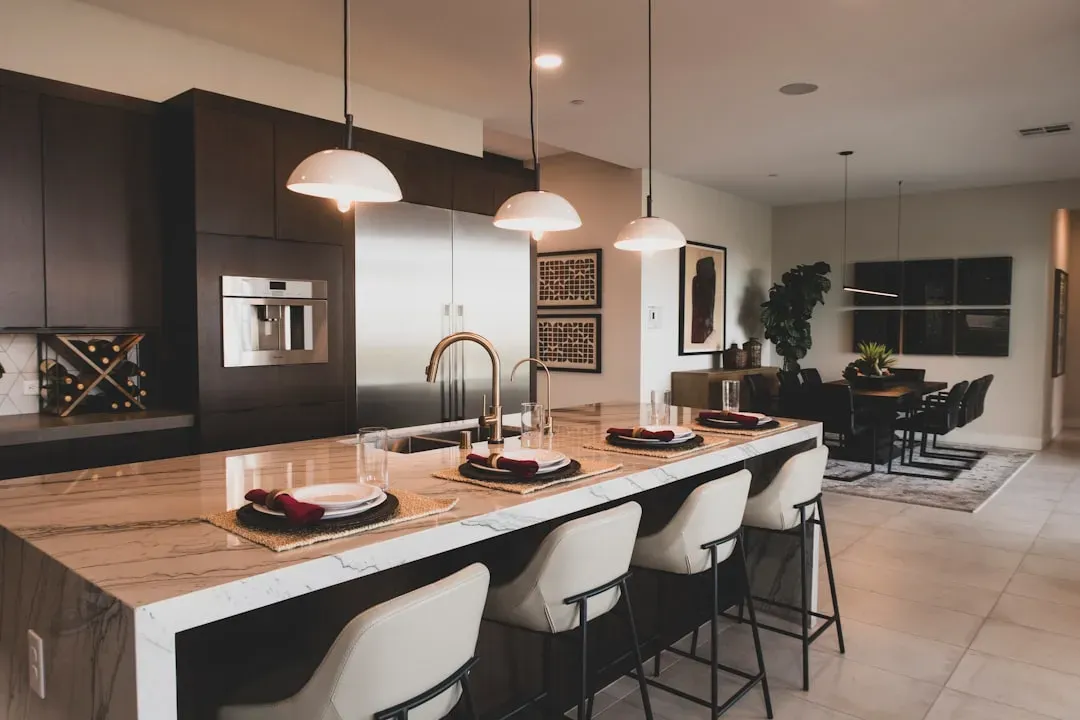
Here’s the thing, the open-concept layout was practically a cultural religion for a while. Knocking down walls felt liberating, modern, connected. Open-concept floor plans used to be the default go-to layout, but they have been declining in popularity in recent years. The reality of living in one is a lot less Pinterest-worthy than it looks.
Open-concept spaces once defined modern living, blending kitchen, dining, and family areas to encourage connection, but as needs evolve, so do priorities. Noise, clutter, and lack of privacy have many people rethinking the value of defined spaces, and the demand for comfort, practicality, and quiet is reshaping how we approach design. A more closed-off alternative is gaining popularity in 2026: closed layouts. Walls, it turns out, are making a quiet comeback.
4. Bouclé Fabric Everywhere
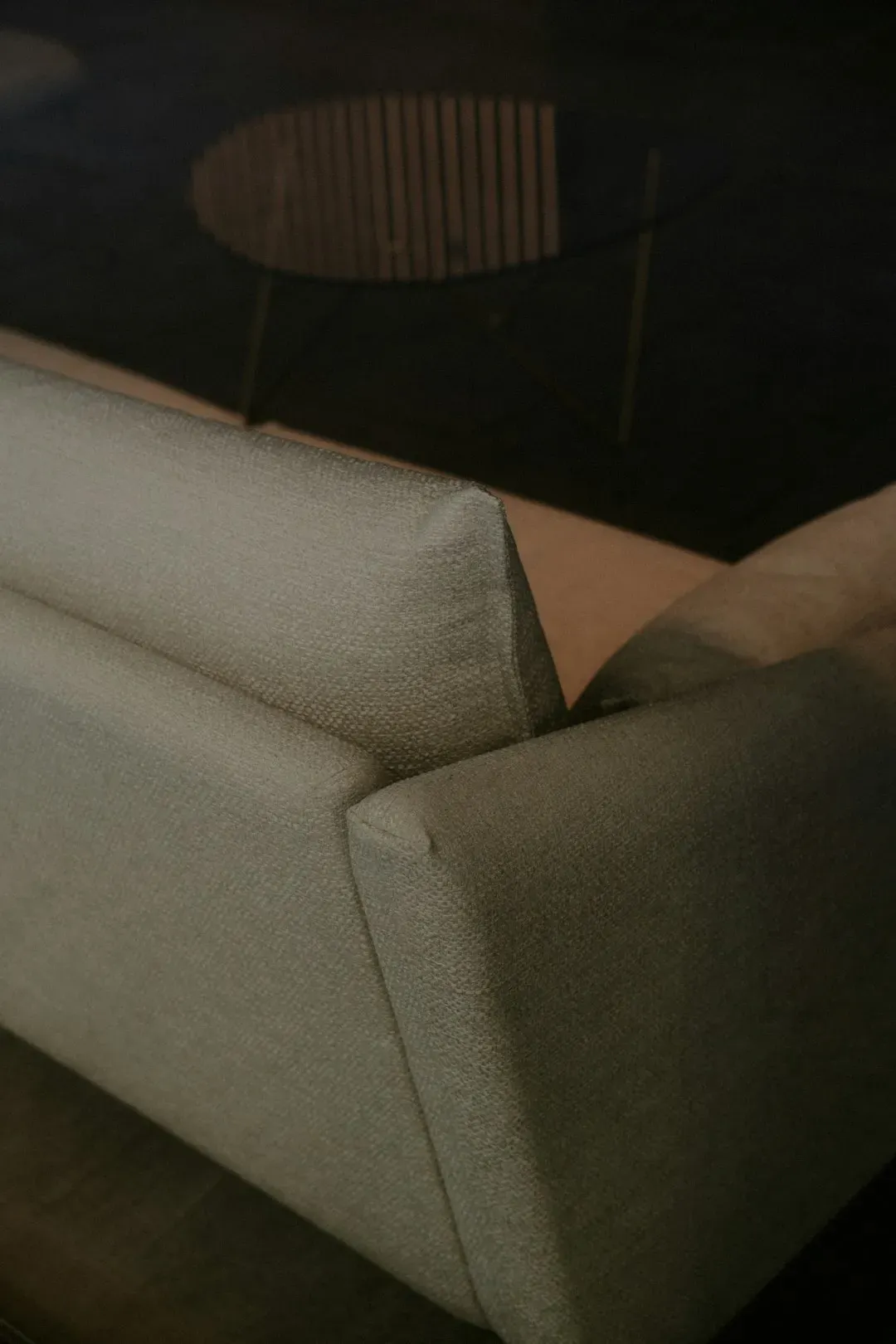
Bouclé was absolutely inescapable. Sofas, chairs, ottomans, headboards, even pet accessories got that loopy, woolly treatment. Bouclé became the Sol de Janeiro of the interior decorating world: it was splashed everywhere, and now the loopy, woolly fabric has been used on everything from furniture to cushions, throws, and even dog collars.
Some may not be ready to hear it, but bouclé is on its way out in 2026. It is uncomfortable to sit on, collects every speck of dust or crumb it touches, and is impossible to clean. It really had no business taking over like it did. There are so many other, more durable fabrics like linen, velvet, and leather that are better suited for everyday life. Bouclé was all the rage back in 2020, but its popularity has declined over the past few years, potentially due to its associations with minimalism.
5. Modern Farmhouse Style
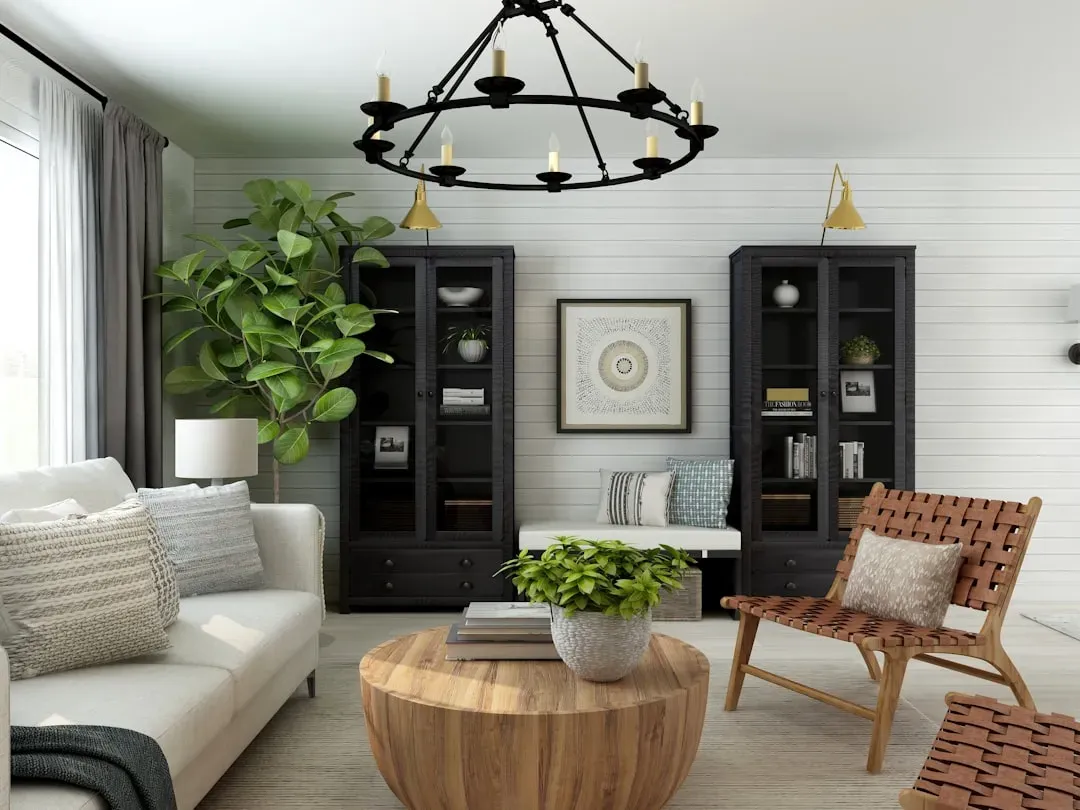
Shiplap, barn doors, “Gather” signs, matte black fixtures. The modern farmhouse aesthetic had a stunning decade-long run, fueled in large part by television renovation culture. Despite having a stellar rise over the last few years, the modern farmhouse aesthetic is likely on its way out. It simply became too familiar, too mass-produced, too everywhere.
The beloved farmhouse style, which dominated home décor for over a decade, is experiencing a significant shift. While the core elements of comfort and warmth remain valued, many signature farmhouse features have become too familiar in homes across America, and the style’s widespread adoption from big-box stores to luxury retailers has made certain elements feel overused and mass-produced. Mass-produced items like typography signs, faux-distressed furniture, and excessive buffalo check patterns now mark a space as outdated.
6. The Accent Wall
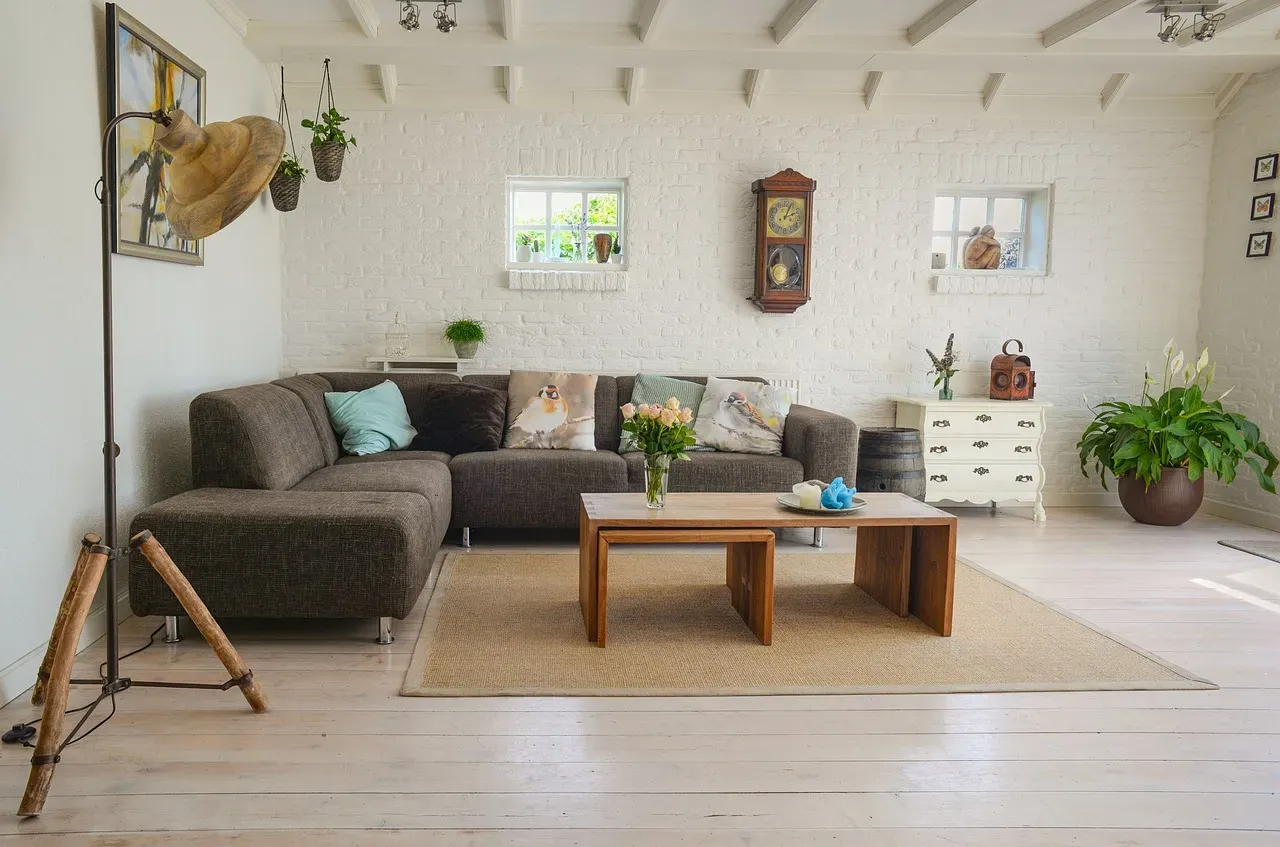
One bold wall, three plain ones. The accent wall concept made bold decorating feel approachable. Still, it has well and truly run its course. Accent walls have had their moment during the past several years, but adding paint or wallpaper to just one wall is far less impactful, and accent walls can make a room look awkward and unfinished instead of creating a harmonious feel.
Designers are hoping 2026 is the year we kindly retire the accent wall. The thinking behind it, that a room needs just one moment of contrast, has been replaced by something bolder and more committed. If you want to add a bold accent in 2026, consider doing the entire room. It’ll feel far more intentional. Color drenching, where the paint wraps from floor to ceiling in one immersive shade, is the natural evolution.
7. Open Shelving in Kitchens
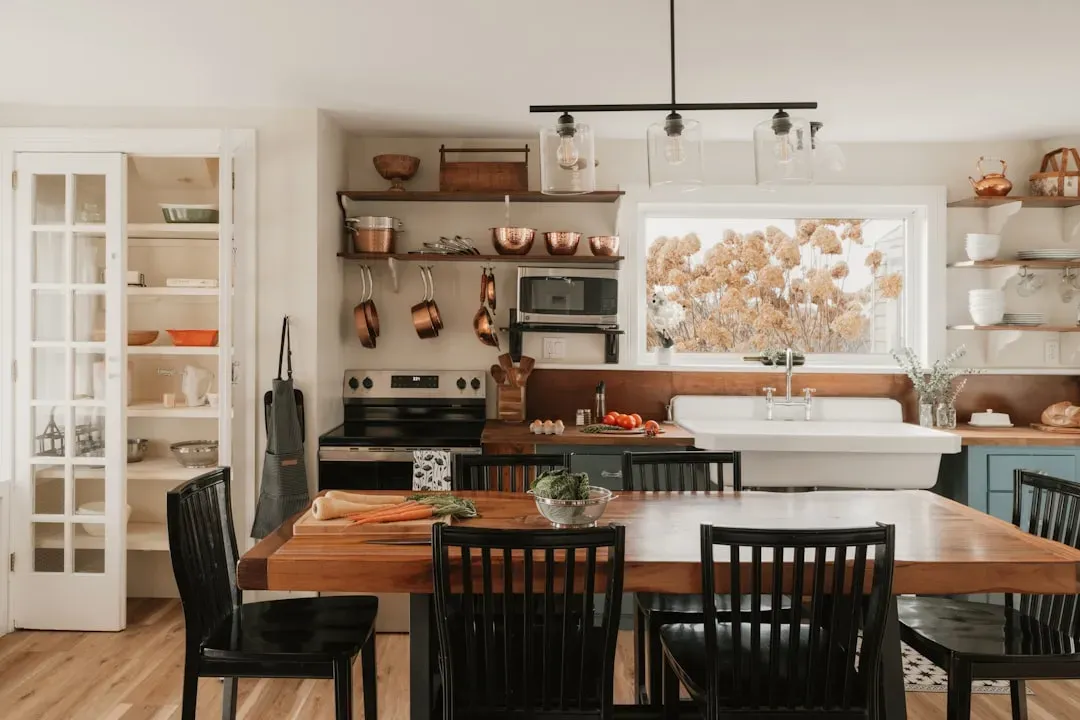
Open kitchen shelving looked dreamy in design magazines. It suggested a casual, curated abundance of beautiful ceramics and artisan dishware. The reality for most people? Grease-covered mugs and dusty spice jars on full display. Open shelving isn’t disappearing entirely, but in newer kitchen remodels its prevalence is fading. Fewer homeowners are ripping out all their upper cabinetry in favor of open shelves, and people have finally realized that open shelves can be difficult to style, a hassle to dust, and prone to making your kitchen look more cluttered.
Open shelving has been a favorite for showcasing beautiful dishware, but its impracticality is causing a decline in popularity. Designers are now steering clients toward concealed cabinetry with thoughtful inserts, or selective open display zones that are small, intentional, and easier to manage. It’s a shift that makes just as much sense to a working homeowner as it does to a professional designer.
8. Stark Minimalism
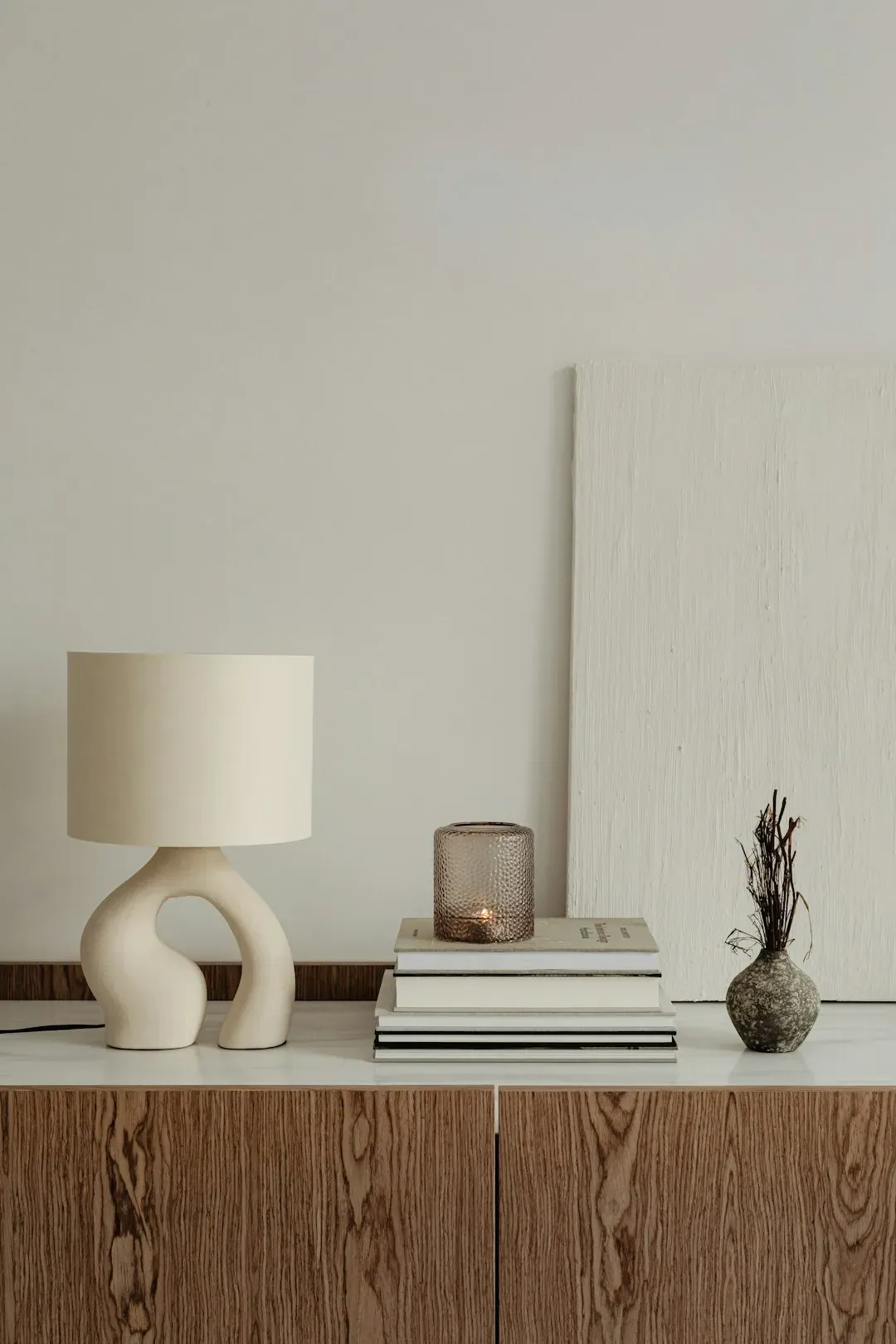
Empty surfaces, bare walls, a single plant in a concrete pot. The rigidly minimalist interior that dominated much of the 2010s and early 2020s is losing ground fast. Gone are the days of stark minimalism. Homes should feel inviting, layered, and lived in. Spaces that are too pared back can feel soulless.
From the lingering appeal of bookshelf wealth to the rise of crafted, character-rich spaces, 2025 and heading into 2026 has been defined by what many call the anti-trend, a shift toward decorating with meaning, memory, and joy. It’s an approach that celebrates living with what you love, rather than following fleeting fads. The mood of interior design in 2026 is described as “quietly expressive,” with spaces that feel calm, tactile, and deeply personal. That is the opposite of austere minimalism.
9. Waterfall Kitchen Islands
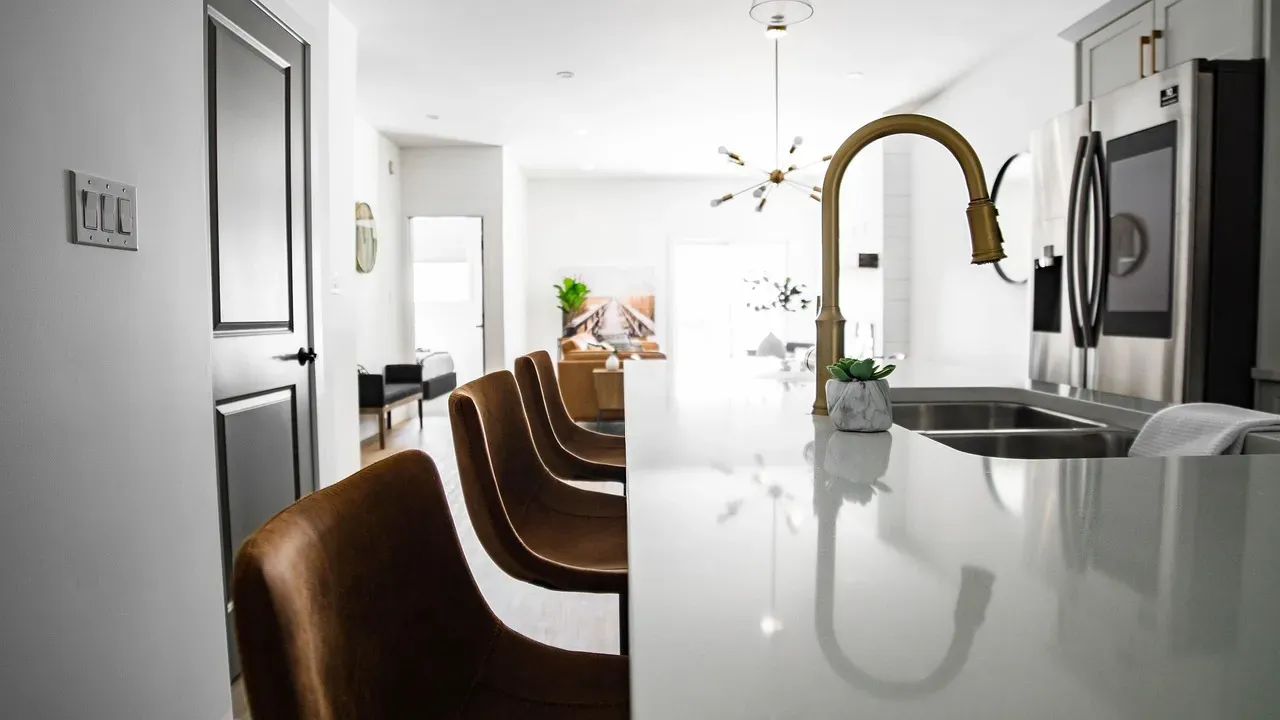
The waterfall island, where the countertop material spills dramatically down the sides, became the signature status symbol of the high-end kitchen renovation. For years, it was everywhere. Now, it is starting to look a little formulaic. With a waterfall island the benchtop material continues down one or both sides of the bench, as per a waterfall, with the longer side recessed to accommodate bar stools, but the design downside is that anyone sitting at the waterfall-end of the bench can’t sit comfortably, and waterfall islands simply don’t feel very novel anymore.
Designers are pivoting toward islands with decorative legs, mixed materials, and table-like silhouettes that feel fresher and more personal. The recommendation is to consider installing a kitchen island bench with decorative, table-like legs that add visual intrigue and allow people to stretch out when seated, which is trending toward 2026. It’s a small but meaningful shift from “look at my stone slab” to “come sit and stay a while.”
10. The Coastal Grandma Aesthetic
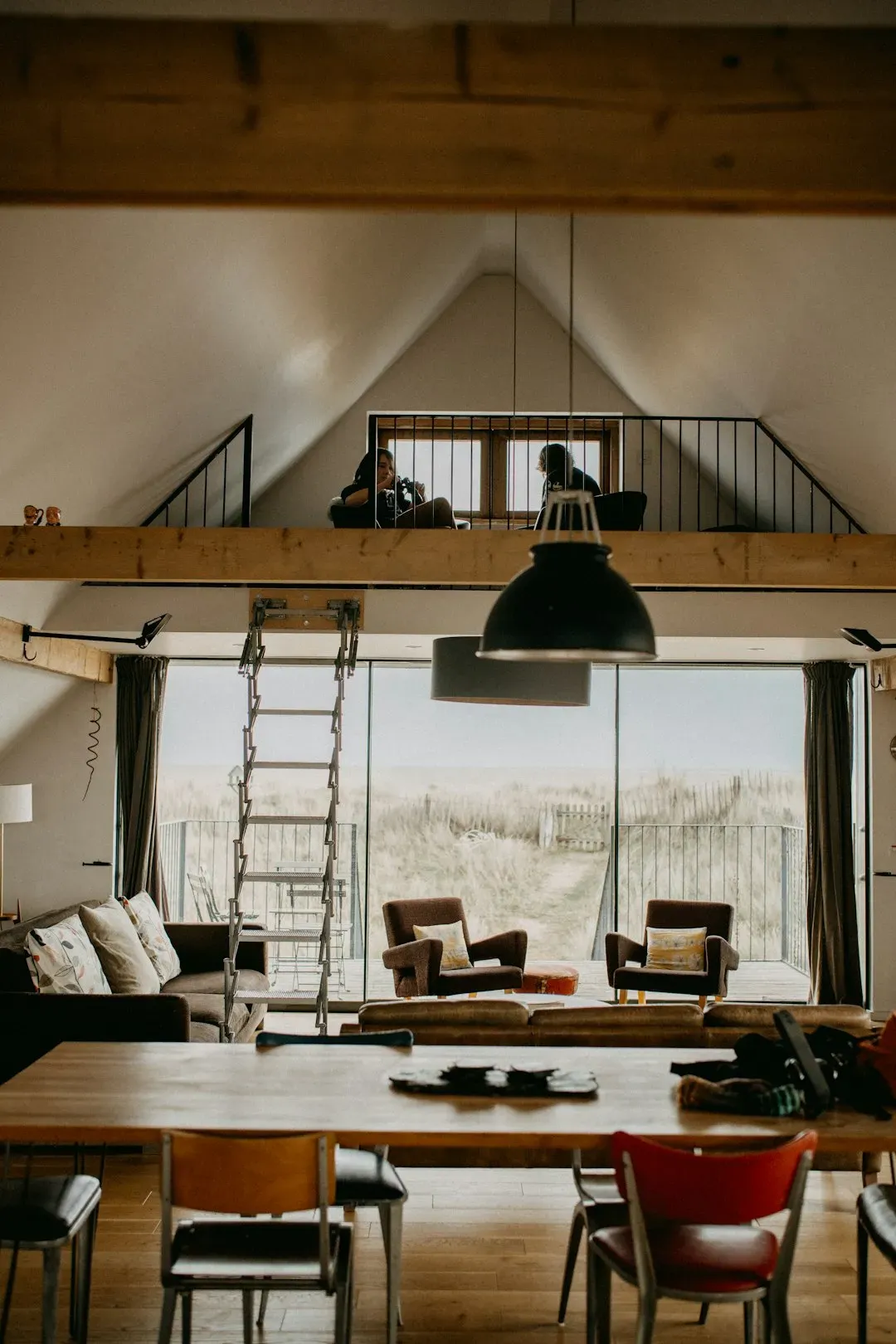
The coastal grandma trend swept through social media with remarkable speed. White linen, rattan, jute rugs, seagrass baskets, sun-bleached everything. It was charming for a season. The tide has started to turn on the coastal grandma aesthetic, and instead of lusting after that exclusive summer-in-the-Hamptons vibe, people want their homes to feel a little more relaxed and lived-in. Trying to commit to an aesthetic defined by all-white furniture and hard-to-care-for jute rugs is just a little too restrictive for real life.
Heading into 2026, there’s a shift away from copycat, picture-perfect spaces that feels long overdue. The problem with aesthetic-driven decorating is that it treats a home like a movie set rather than a living environment. Designers hope we’re moving away from the obsession with “perfect” spaces, homes that feel overly staged, overly coordinated, and so polished that there’s no real life or soul in them, in favor of interiors that actually have a story.
11. Polished Chrome Hardware and Fixtures
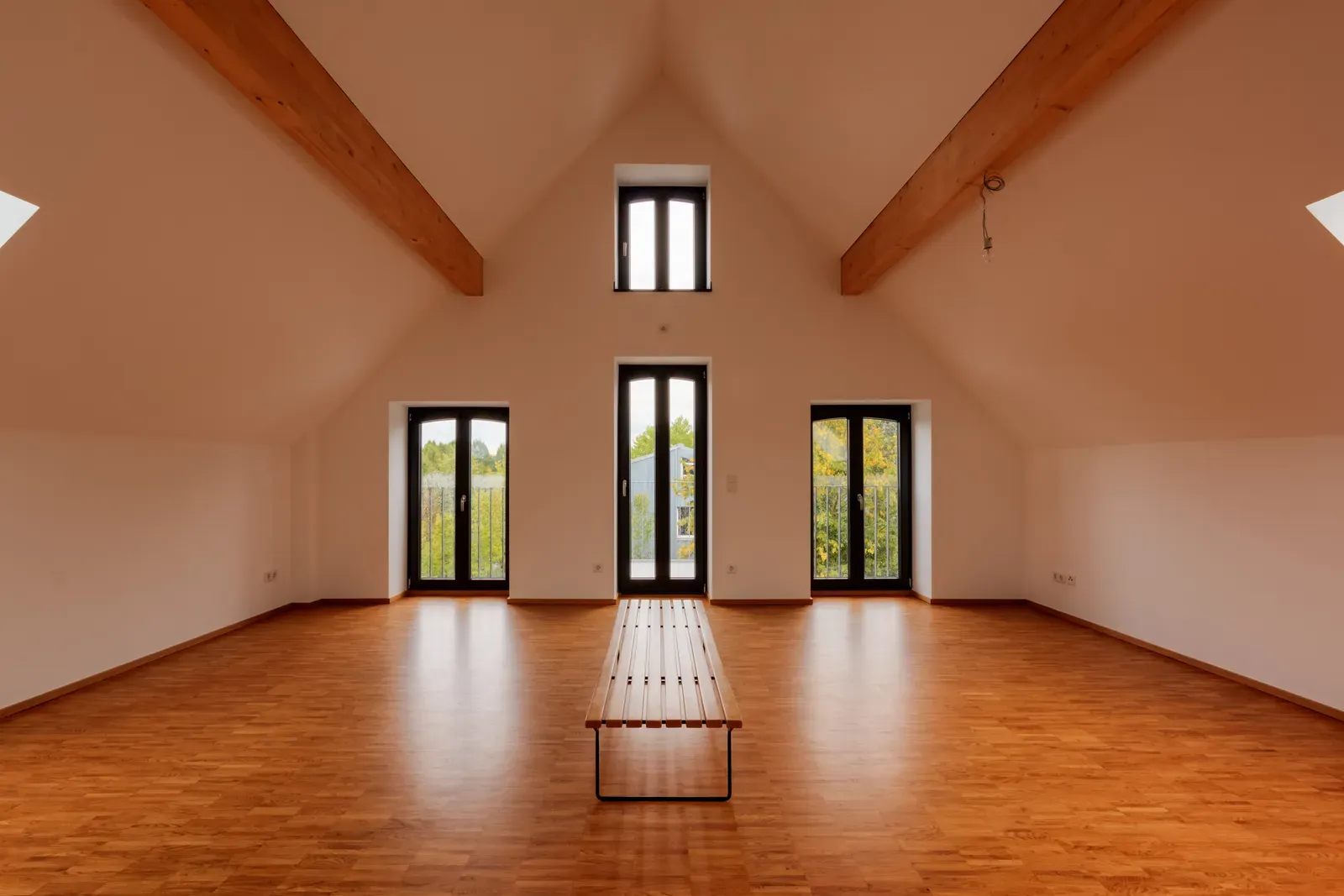
Chrome was the go-to finish for bathroom fixtures, kitchen taps, and cabinet hardware for years. Sleek, shiny, easy to source at any price point. However, it’s increasingly being flagged by professionals as the thing that quietly dates a room. Polished chrome in most homes can feel cold unless carefully balanced, and for 2026 there is a movement toward warmer finishes like brushed nickel, soft bronzes, and antique brass tones, which offer the warmth and understated elegance clients now prefer.
Honestly, the appeal of chrome was always a bit puzzling. It shows water spots immediately, it clashes with warm wood tones, and it can make a bathroom feel like a clinical space rather than a sanctuary. The top design direction now spotlights earthy color palettes, curved furniture, natural materials, and statement lighting, together creating homes that feel grounded, personal, and connected to nature. Chrome simply does not fit that picture anymore.
12. Matching Furniture Sets
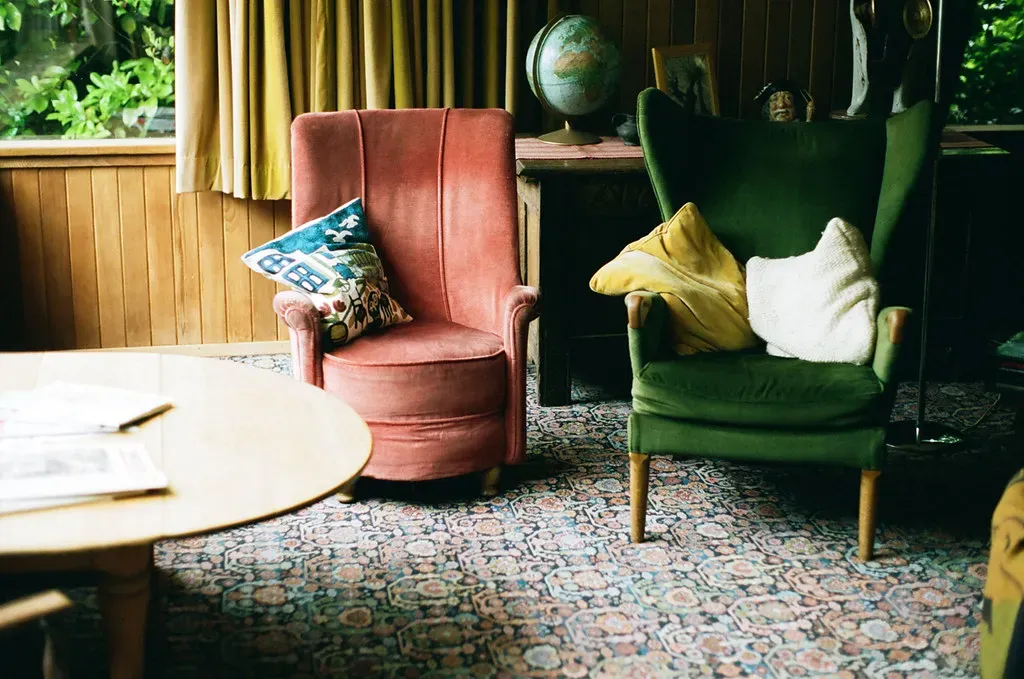
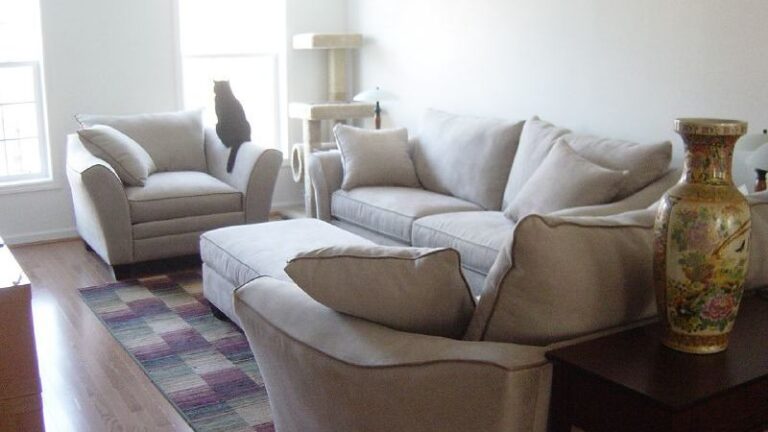
Walking into a furniture showroom and buying the entire coordinated collection, the sofa, the armchair, the coffee table, the sideboard, all in the same finish and fabric, was once the default approach to decorating a room. It felt safe and complete. The era of perfectly matched furniture sets is fading. Today, eclectic and curated looks featuring complementary pieces rather than identical ones are preferred.
Houses are becoming homes again, and there’s a big emphasis on a look that feels collected over time versus staged and brand new. That is almost the exact opposite of buying everything from one catalogue page. The era of cheap, mass-produced and quick-to-assemble furniture has gone. Consumers are growing more eco-conscious and have realized that powdered wood kept together with glue won’t last as long as real wooden furniture, and homeowners are now ditching the “everything new” mindset, opting instead for durable vintage finds, upcycled pieces, and furniture investments that will last a lifetime. The mismatched, layered look is not a sign of indecision. It’s actually a sign of taste.
What’s remarkable about all twelve of these trends is that none of them faded because they were ugly. Most of them were genuinely good ideas at their peak. They simply became overused, over-marketed, or overtaken by the natural human craving for something that feels more real, more personal, and less like a showroom. It feels clear that recent years have marked a shift from interiors designed to deliver a “wow” effect to spaces that hold and support human time. That might be the most honest design direction of all. What would you change first in your own home?