12 States Where $1M in Savings Lasts the Shortest Time
You might think having a million dollars saved for retirement makes you set for life. That sounds like a fortune, right? Here’s the thing: where you retire matters just as much as how much you save. In Hawaii, $1 million might last just 12 years for someone living there, while the same amount could stretch for decades in states with lower costs. Rising housing expenses, healthcare bills, and everyday living costs in certain states can eat through retirement savings faster than you’d imagine. Let’s dive into the states where even millionaire retirees need to watch their budgets carefully.
Hawaii Takes the Top Spot

Hawaii falls at the other end of the spectrum with a cost of living that ranks highest in the nation, and as a result, $1 million might last just 8.5 years. The island paradise comes with a hefty price tag attached to nearly everything. Groceries in Hawaii cost about 15 to 30 percent more compared to the national average, and for a family of four, expect to spend $1,200 to $1,500 per month on groceries. The cost of essentials including housing, groceries, transportation, utilities and health care for 25 years adds up to about $2.21 million. The beautiful beaches and year round sunshine definitely come at a premium that makes retirement savings disappear shockingly fast.
Massachusetts Burns Through Retirement Funds

In Massachusetts, which has the second highest cost of living in the U.S., $1 million could last about 12 years. The Bay State combines expensive housing with high costs across the board. The state’s high living expenses are based on a combination of pricey housing, groceries, health care, and utilities. Even though Massachusetts offers excellent medical facilities and cultural attractions, these benefits come with steep price tags. Massachusetts has a suggested savings of $1,645,764, reflecting the state’s high housing and healthcare costs, especially in cities like Boston.
California’s Golden State Prices

In California, $1 million would be last about 15 years, though some more recent analyses suggest even shorter timeframes. The state’s coastal appeal and mild climate attract retirees, yet those perks demand serious financial preparation. California ranks low in affordability, with seniors needing around $1,157,000 to retire, and the state also imposes the highest income tax in the nation at 13.3 percent. Housing costs drive much of the expense, particularly in popular areas. From San Diego to San Francisco, property values and rental rates can devastate even substantial nest eggs within years.
New York’s Expensive Reality

New Yorkers are expected to go through that $1 million amount in about 13 years. The Empire State punishes retirees with high taxes and living expenses. Retirees need over $1,037,000 in savings to live comfortably, while the state’s 10.9 percent income tax and high property tax rate of 1.6 percent chip away at fixed incomes. Healthcare and housing costs remain particularly brutal in and around New York City. New York has the highest tax burden of any state, which compounds the problem for people living on retirement income.
Alaska’s Hidden Costs

Alaska’s average annual retirement income is $80,348 to retire comfortably, with the youngest average retirement age of 61 years and a life expectancy of about 77 years requiring $1.34 million in savings. While the state has no income tax, the harsh winters drive up utility bills considerably. Transportation and food costs also run higher than many expect because nearly everything must be shipped in. Despite its tax friendly status, Alaska presents unique financial challenges that can drain savings accounts much faster than retirees anticipate.
Washington State Strains Budgets
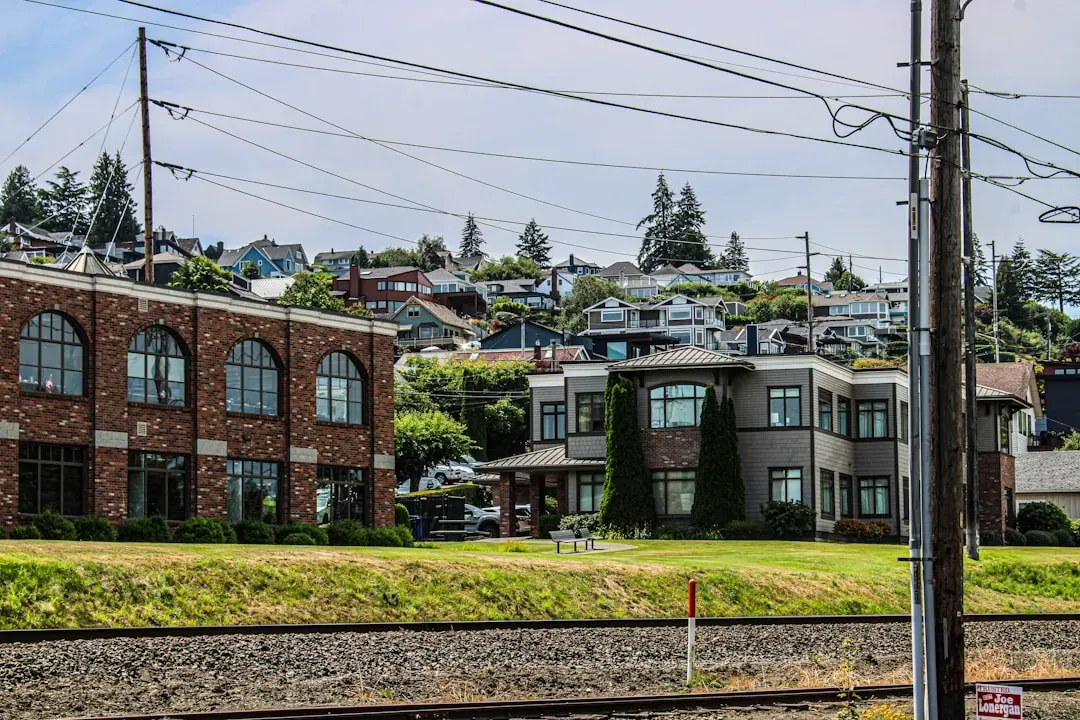
Washington lacks a state income tax, which sounds appealing on paper. The reality tells a different story. While the savings needed to retire at 50 is roughly $1.1 million in states like Mississippi and West Virginia, it is more than double that amount in states like California, Massachusetts and Washington. Housing prices in Seattle and surrounding areas have skyrocketed over recent years. Combined with expensive healthcare and everyday costs, retirement savings get depleted quicker than many Washington residents plan for when they first retire.
New Jersey Drains Retirement Accounts

New Jersey ranks low in affordability, needing about $964,000 in savings, and imposes the highest property tax rate at 2.23 percent along with a steep 10.75 percent state income tax rate. The Garden State might offer proximity to major cities and decent healthcare access, yet those advantages disappear under crushing tax burdens. Property taxes alone can consume a significant chunk of monthly retirement income. Annual expenses in New Jersey for someone who is 65 years or older are $64,736, and those looking to retire comfortably would need to have about $1.20 million saved.
Oregon’s Costly Pacific Northwest Living
Oregon has the sixth highest average annual retirement income of $82,454, equating to $1.34 million in total required savings, with yearly expenses coming out to about $68,712. Portland and other Oregon cities have seen dramatic increases in housing costs over the past decade. Healthcare expenses also rank above national averages. The state’s income tax takes another bite out of retirement funds, making Oregon surprisingly expensive despite its reputation for natural beauty and outdoor activities.
Maryland’s Expensive Mid Atlantic Position

Maryland retirees will need about $80,657 annually to retire comfortably, with yearly expenses amounting to $67,214, and these 13.8 years of retirement will require $1.11 million in savings. The state sits near major metropolitan areas, which drives up costs across categories. Property taxes and healthcare expenses both run high. Though Maryland offers excellent medical facilities and cultural opportunities, retirees pay dearly for those benefits in their monthly budgets and watch their savings accounts shrink faster than expected.
Connecticut Demands Deep Pockets

Connecticut’s required average annual income is $79,852 per year, with yearly expenses at an average of $66,543, meaning the average retiree will need $1.25 million saved to live comfortably in retirement. High property taxes plague Connecticut homeowners, even those who own their homes outright. Healthcare costs also exceed national averages. The state’s proximity to New York City influences prices throughout Connecticut, making even smaller towns expensive. Retirees often underestimate how quickly their nest eggs vanish here.
Rhode Island’s Small State Big Costs

Rhode Island ranks among the worst states to retire in for taxes when you consider tax rates on retirement income and property tax bills. The Ocean State packs expensive living into a tiny geographic area. Housing costs remain stubbornly high, particularly near the coast. Healthcare and everyday expenses also run above average. Though Rhode Island offers charm and New England character, retirees discover their million dollars doesn’t stretch nearly as far as they hoped when first planning their golden years.
Vermont’s Picturesque Price Tag

Vermont is among the worst states to retire in for taxes when you consider tax rates on retirement income and property tax bills. The Green Mountain State attracts retirees with its natural beauty and small town atmosphere. Those perks come with serious financial consequences. Property taxes bite hard, and the state taxes retirement income as well. Healthcare expenses run high in rural areas with limited provider options. Heating costs during long, cold winters add thousands to annual budgets, making Vermont a challenging place for retirees watching their savings.
That million dollar milestone doesn’t guarantee financial security everywhere. Location shapes retirement reality more than most people realize when they’re busy saving during their working years. Housing costs, taxes, healthcare expenses, and everyday living prices vary dramatically from state to state. Retirees need to calculate their specific situation carefully before choosing where to spend their golden years. What worked for your parents’ generation might not apply anymore. Have you thought about where your retirement savings would last longest?