Why the Casserole Was Once a Symbol of Family Status, Data Reveals
Picture this: it’s 1955, and nothing announced your place in American society quite like the casserole dish that emerged from your oven. What started as humble Depression-era survival food had transformed into something far more complex, a culinary calling card that spoke volumes about your family’s social standing. The truth is, casseroles weren’t just about feeding your family – they were about proving you belonged to a certain class of Americans who had made it past mere survival.
Recent research reveals how these one-dish wonders became silent ambassadors of middle-class aspirations, loaded with meaning far beyond their creamy mushroom soup base. Let’s dive into the surprising ways casseroles climbed the social ladder and why your grandmother’s tuna noodle bake was actually making a statement about her place in the world.
The Post-War Economic Boom Created Casserole Culture
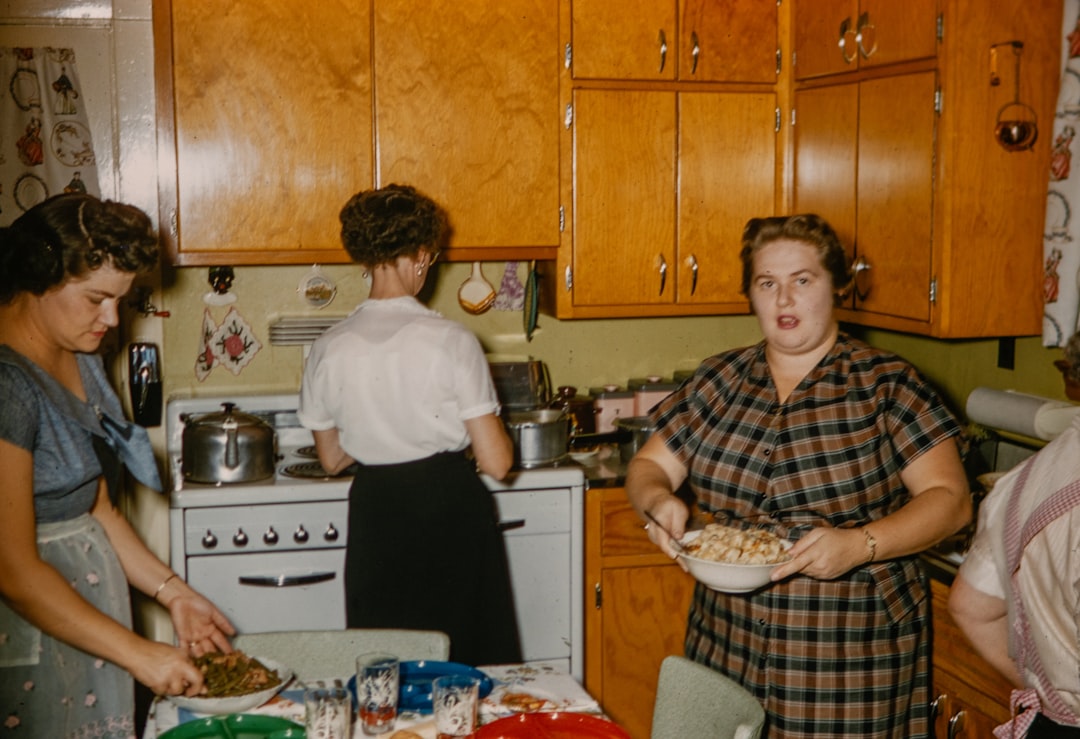
The 1950s brought significant economic prosperity to many Americans, with families experiencing increased wealth and social mobility after World War II ended. The U.S. population grew from 150 million to 179 million throughout the decade, and with this growth came new suburban communities hungry for ways to display their newfound prosperity. However, most American women could not achieve the ideal of the ‘genteel’ housewife as portrayed by mass-produced cookbooks.
The fictional Betty Crocker represented an upper-middle class suburban housewife who had access to electronic appliances, pre-packaged foods, and plastic cookware. This created a fascinating paradox where casseroles became both accessible to working families and aspirational for those climbing the social ladder.
Convenience Foods Distinguished the Haves from the Have-Nots
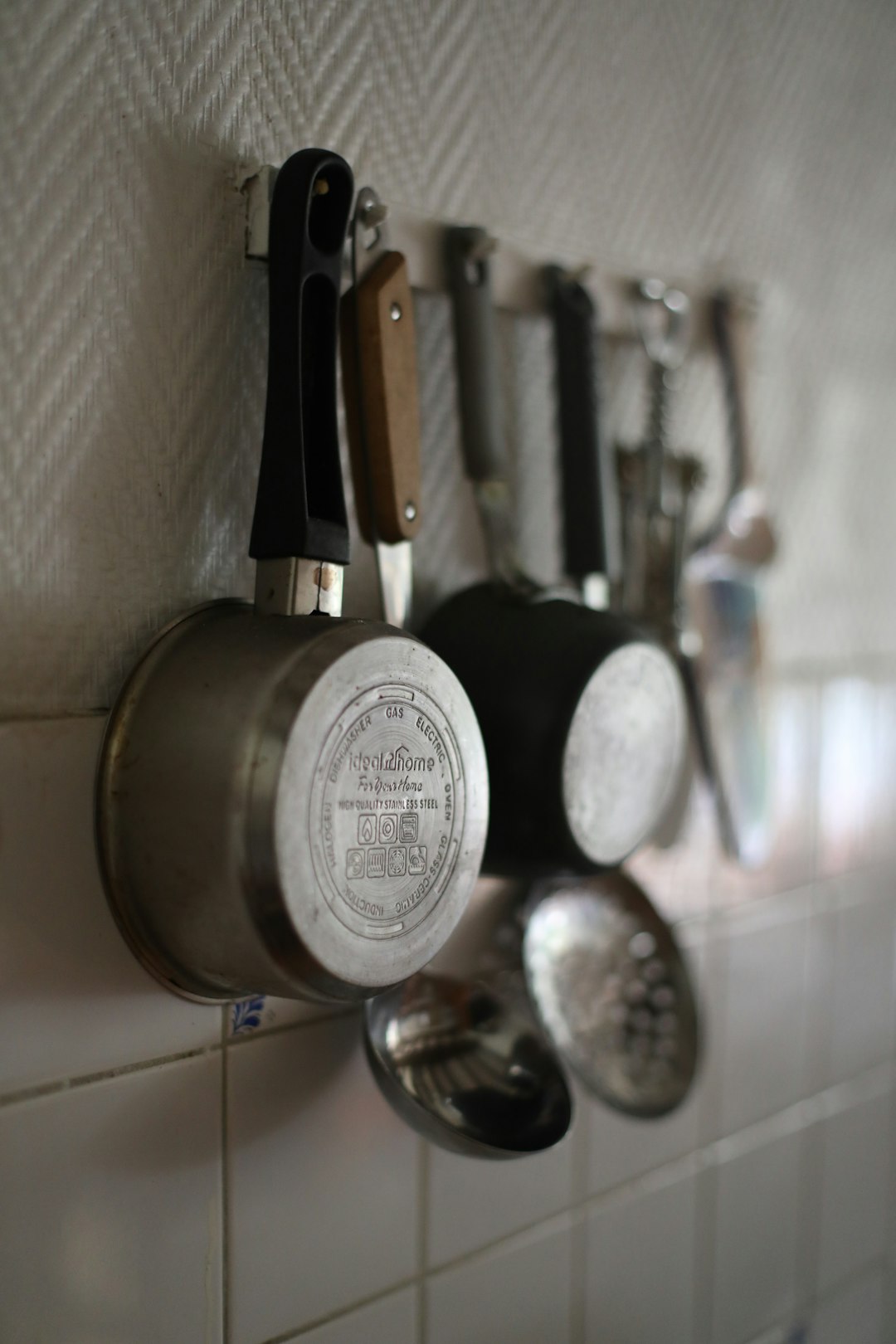
While electricity was installed in 80 percent of American homes by 1941, it remained costly, as were the kitchen appliances that used it. Icons like Betty Crocker promoted cooking as “fun,” “creative,” and “professional,” with packaged, canned, and frozen foods making cooking a luxury for elite women. The ability to casually open a can of Campbell’s Cream of Mushroom soup, introduced in 1934, became a marker of middle-class comfort rather than necessity.
In the 1950s, smaller home kitchens, lightweight oven-proof cookware, and greater availability of canned foods from Campbell Soup Company made casseroles simple and cheap. Yet this simplicity masked complex social dynamics about who could afford the “convenient” lifestyle these dishes represented.
Suburban Kitchen Technology as Status Symbols
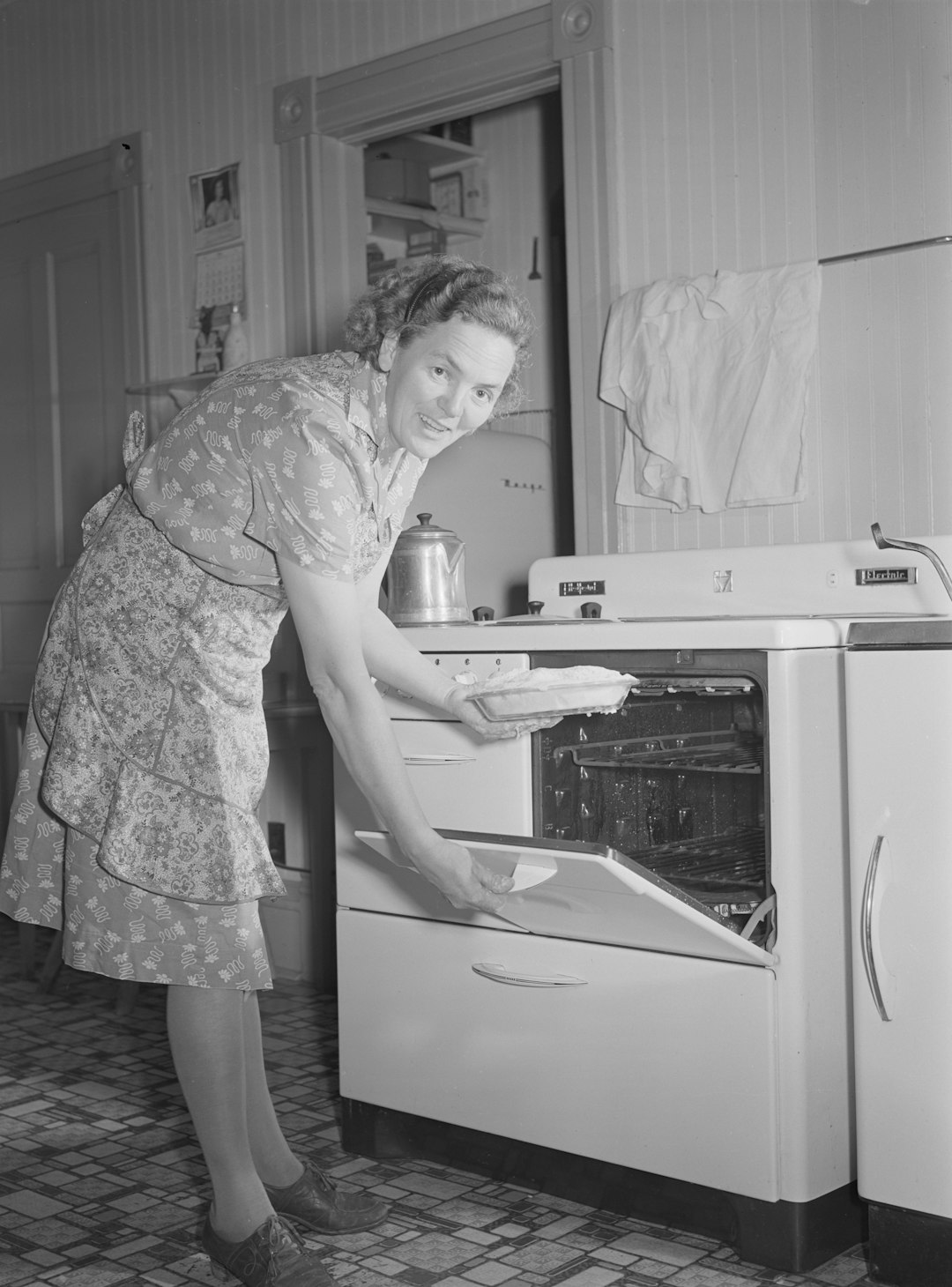
The television became one of the most popular home appliances in the 1950s, replacing the radio as a family’s primary source of entertainment. Similarly, the modern suburban kitchen became a showcase for technological advancement and social achievement. Most women still lived in rural areas and were lower-middle class or impoverished, making the suburban kitchen with its array of appliances a powerful status symbol.
Families who could afford electric mixers, modern ovens, and matching Pyrex casserole dishes were broadcasting their economic success. The casserole dish itself became an object that signaled you’d made it into America’s expanding middle class, complete with the leisure time to experiment with “creative” cooking.
International Cuisine Showed Cultural Sophistication

Casserole recipes appealed to middle-class women because they invited experimentation with foreign cuisine, with cookbook author Nedda C. Anders trying Mexican, Swedish, Armenian, Danish, and Indian dishes. However, most dishes didn’t call for exotic seasonings beyond chili powder and salt, demonstrating how Americans reformulated immigrant cuisine to fit their culture. By “going native,” Americans could show off their sophistication and refinement.
This culinary cultural appropriation through casseroles allowed middle-class families to appear worldly and educated without actually engaging with authentic ethnic cuisines. A “Swedish” casserole made with cream of mushroom soup and noodles suggested cultural awareness while remaining safely within American comfort zones.
Depression Origins Became Middle-Class Aspirations
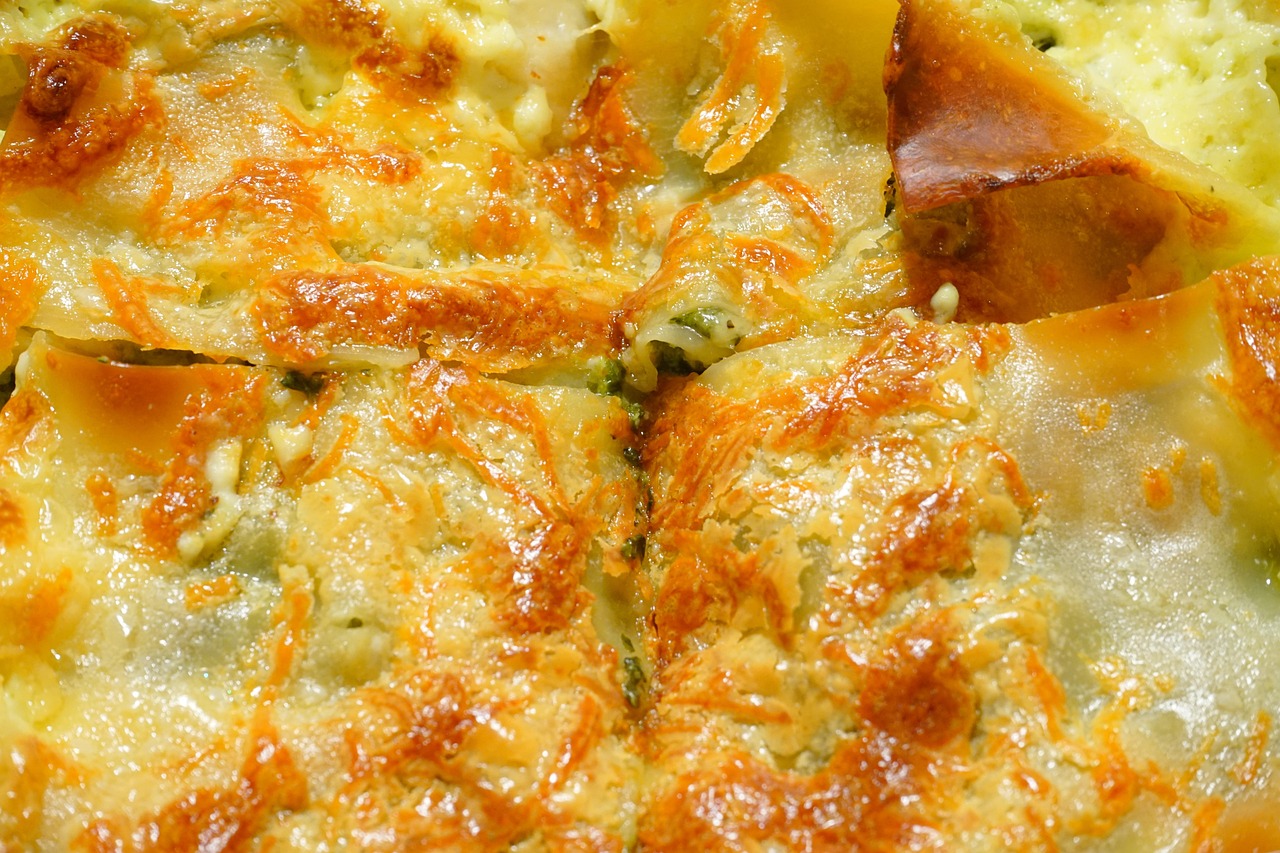
Casseroles proved popular and filling fare at Depression tables, where a handful of ingredients plus leftovers could feed a family a nourishing meal. In the late 19th century, the New World embraced casseroles from immigrant cultures, providing economical sustenance during the Depressions of the 1890s and 1930s and food scarcity during both World Wars.
What’s remarkable is how these survival foods transformed into symbols of prosperity. Campbell’s Cream of Mushroom soup, introduced in 1934, gave casseroles a tremendous boost by eliminating the need for cooks to prepare cream sauces from scratch. By the 1950s, using these “convenient” ingredients suggested you’d moved beyond mere survival into comfortable middle-class living.
Gender Roles Reinforced Through Casserole Expectations
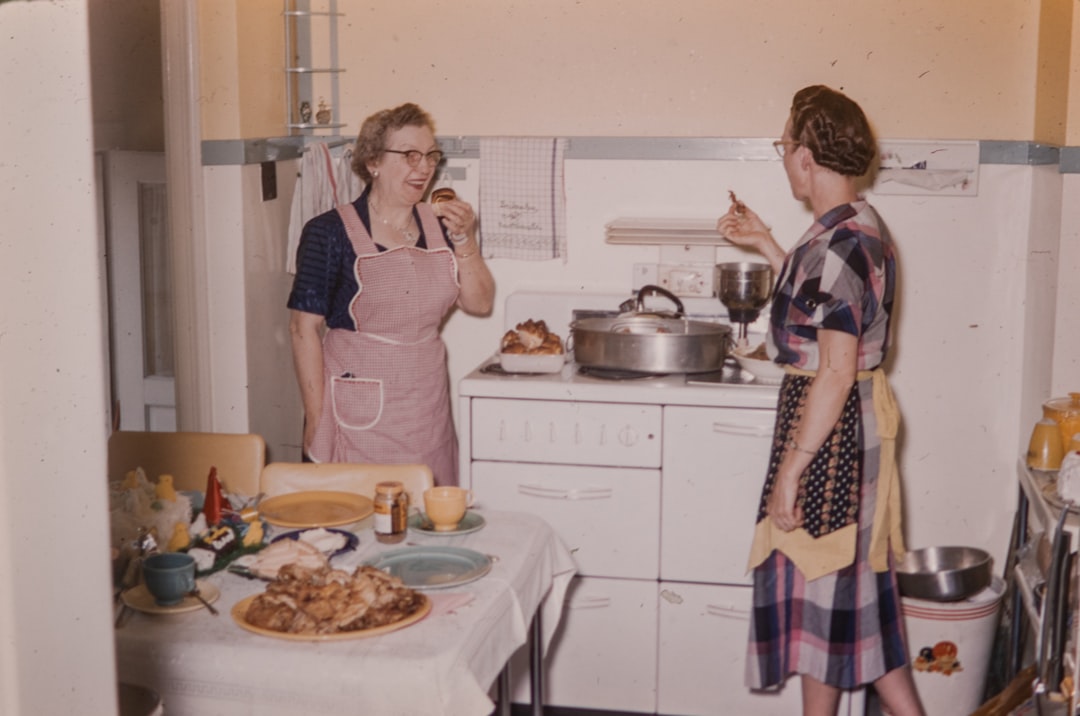
The husbands and fathers were breadwinners, while wives and mothers stayed at home, cleaned houses, cooked meals, and raised children. The ideal woman was seen as “the quintessential white, middle-class housewife who stayed at home to rear children, clean the house and bake cookies”. Casseroles became vehicles for women to demonstrate their domestic competence and family’s social status simultaneously.
1950s cookbooks instructed women to feed their husbands food they could “sink their teeth into” while avoiding “sissy foods” that would insult their masculinity. The hearty casserole satisfied both nutritional needs and social expectations about proper gender roles within middle-class families.
Church and Community Potlucks Displayed Social Standing
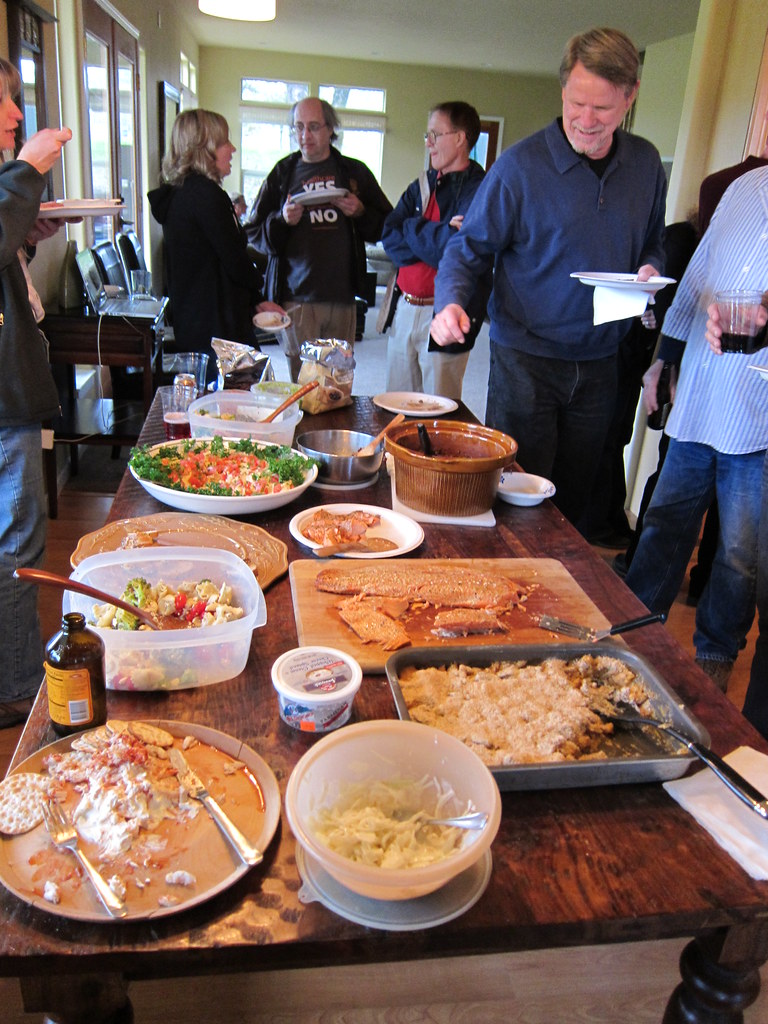
Dishes like Funeral Potatoes originated from Mormon community gatherings in Utah, becoming fixtures at post-service luncheons before spreading beyond church basements by the 1970s. King Ranch Chicken likely originated in Texas community cookbooks in the 1950s and 60s, then swept through Junior League collections and church potlucks.
These community gatherings became informal competitions where families could showcase their prosperity through elaborate casserole presentations. The quality of ingredients, creativity of preparation, and elegance of serving dishes all communicated messages about family resources and social aspirations within tight-knit community hierarchies.
Television Culture Reinforced Casserole Ideals
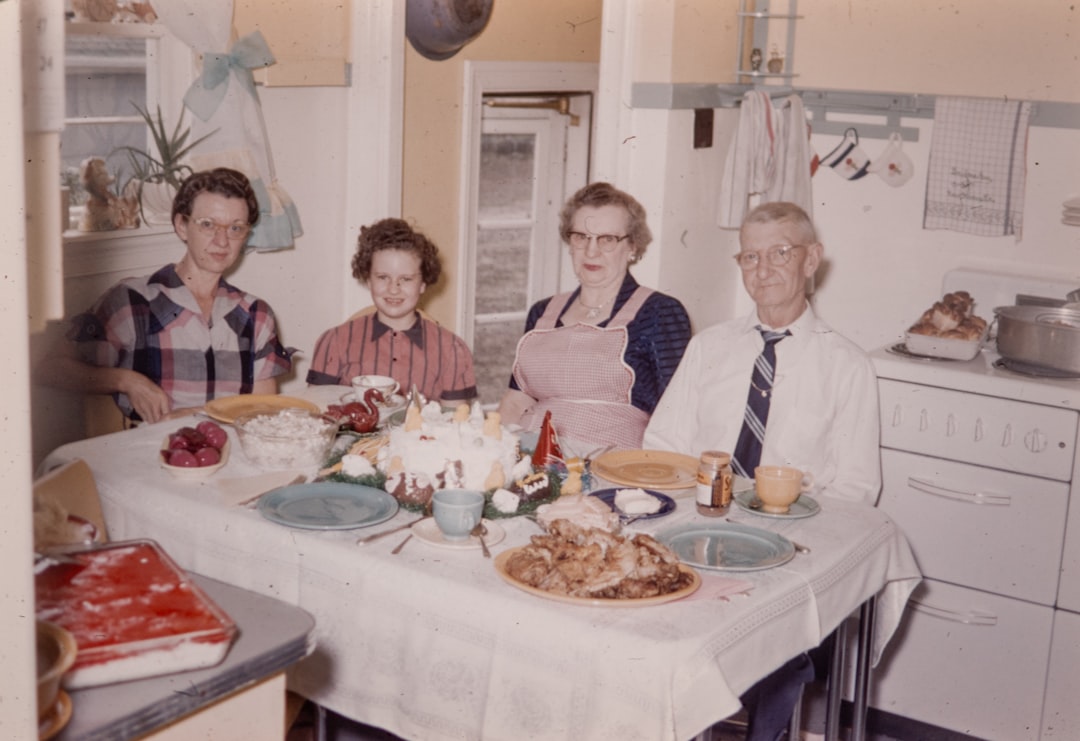
In the 1950s television challenged movies as the dominant form of American popular culture, supplying enduring images of suburban, family-oriented bliss with shows like Leave It to Beaver and Father Knows Best. Television had a profound impact on the US media landscape, driving consumer culture acceleration and exerting powerful influence through curated portrayals of American life that reinforced dominant values.
Television programming consistently portrayed middle-class families gathering around dinner tables laden with casseroles and other “modern” convenience foods. These images created aspirational templates that connected casserole consumption with successful American family life, reinforcing the dish’s status as a symbol of having achieved the American Dream.
Cookbook Marketing Targeted Social Climbers
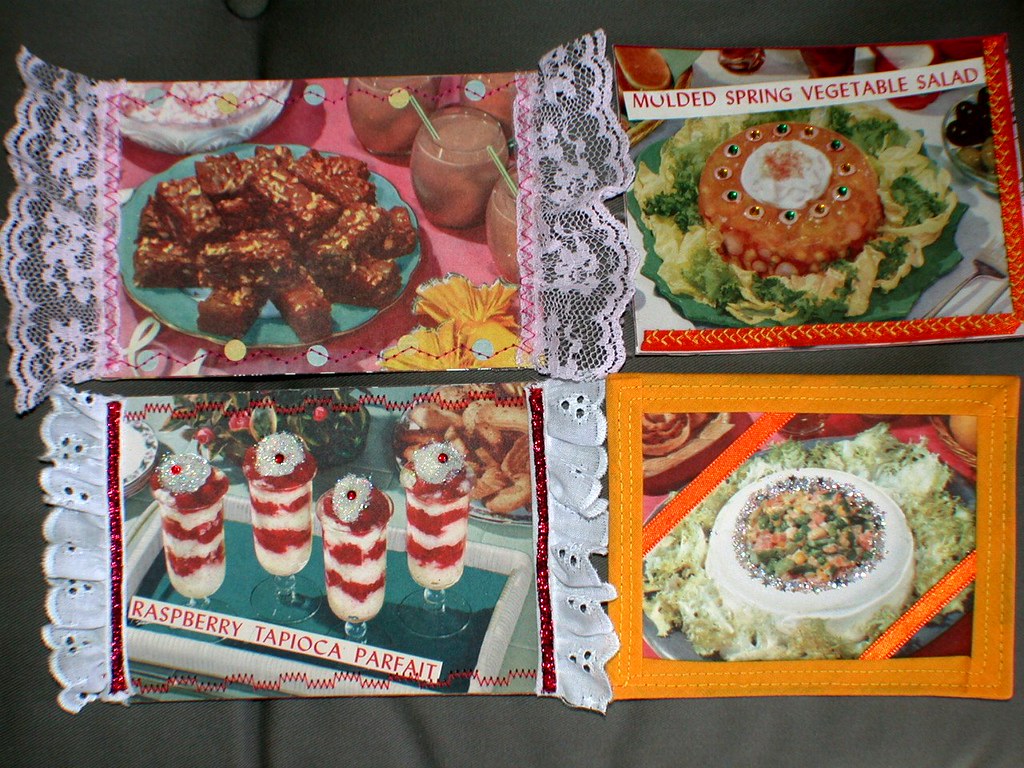
American cookbooks in the 1950s relied heavily on frozen, canned, or boxed foods, providing instructions for cooking from scratch while also including ideas for “doctoring up” pre-packaged products. Many cookbooks were addressed to the white, middle-class housewife in suburban homes, often excluding African-American, immigrant, and rural women.
This targeted marketing created artificial scarcity around “proper” casserole knowledge, making cookbook ownership and recipe sophistication markers of social achievement. Families who could afford multiple specialized cookbooks were demonstrating both their disposable income and their commitment to maintaining middle-class domestic standards through culinary excellence.
The Data Shows Casserole’s Lasting Social Impact
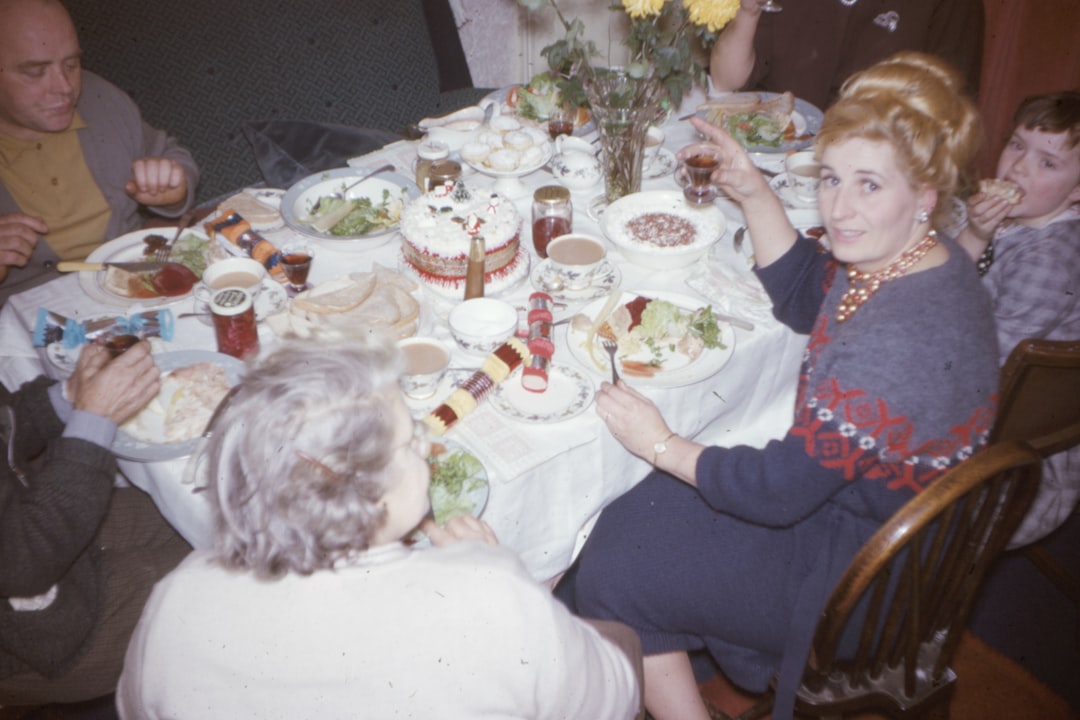
Research reveals that casserole culture reached far beyond mere convenience cooking to become a comprehensive system for communicating social status in post-war America. The era’s love affair with casseroles offered comfort and satisfaction while serving as testaments to families’ social positioning. Casseroles became “every bit as American classic as apple pie,” with families across the country using them as vehicles for displaying prosperity and cultural sophistication.
The transformation of Depression-era survival food into middle-class status symbols demonstrates how powerfully food functions as social currency in American culture. Even today, casserole preferences often reveal generational attitudes about class, convenience, and cultural belonging that trace directly back to these 1950s social dynamics.