Gone Yet Remembered: 8 Fast-Food Chains Lost to History, Study Finds
The American fast-food landscape has undergone dramatic changes, with iconic chains vanishing from our streets and collective memory. Our data shows that, as of August 2023, 379 fast food and restaurant chains closed in California, making it the most saturated market, followed by Texas (310) and New York (196), when 97 fast food and restaurant chains were studied. These closures tell stories of changing tastes, economic pressures, and the relentless march of corporate consolidation.
When it comes to fast food and restaurant chains closing in 2023, multiple factors come into play. If a restaurant is tucked away where nobody can find it, or if it’s drowning in competition, it’s likely to close its doors. While today’s survivors adapt and evolve, several once-beloved chains have disappeared entirely, leaving behind only memories and the occasional nostalgic social media post.
Burger Chef: The Pioneer That Couldn’t Keep Up
This Indianapolis-based chain deserves recognition as one of the true innovators in fast food history. In the 60s and 70s, there was another big cheese on the block by the name of Burger Chef. Reaching over 1,000 locations at its apex, the burger joint was a true innovator in the fast-food field, serving up a slew of firsts.
The Chef pioneered the value menu by offering a combo of a hamburger, fries, and milkshake called the Triple Treat, which, at the time it was introduced in 1969, cost 45 cents. It was the first to dole out kid’s meals with a toy and to offer a works bar where customers could customize their sandwiches. Yet innovation alone couldn’t save the chain from overexpansion and fierce competition.
Following a slow decline and the conversion of most locations into Hardee’s restaurants, the Burger Chef name was officially retired in 1996. The irony remains that many of Burger Chef’s innovations became industry standards, outlasting the chain that created them.
Howard Johnson’s: America’s First Restaurant Empire
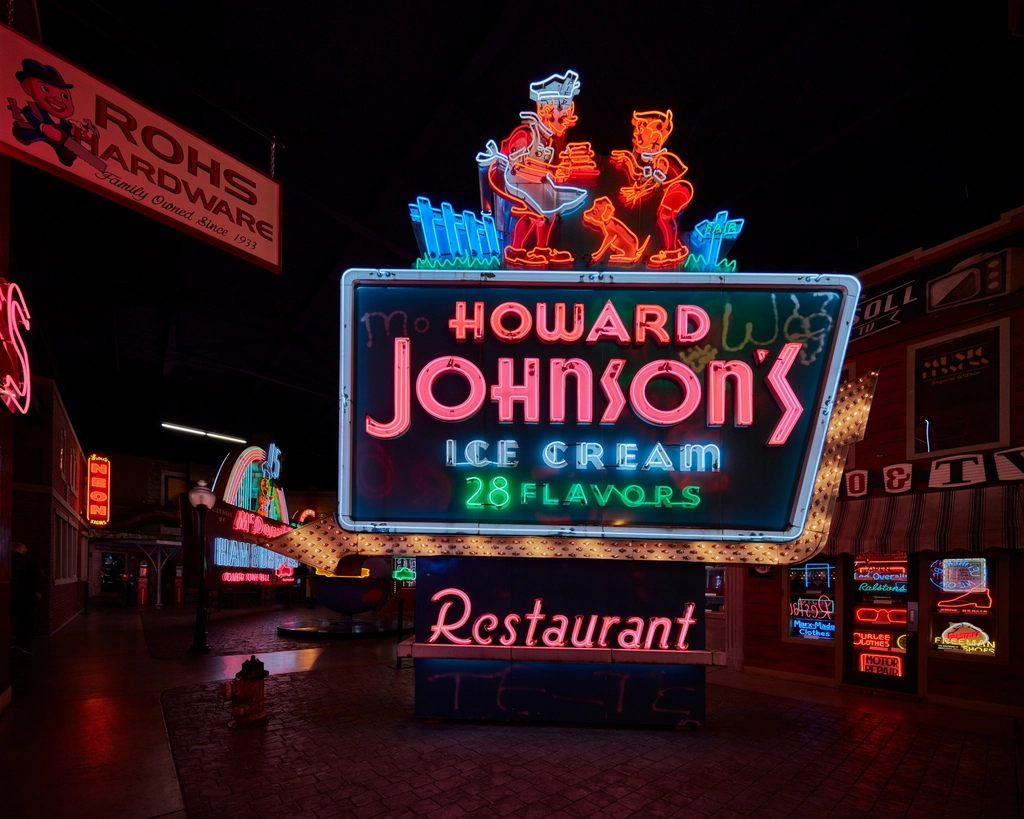
Howard Johnson’s was the largest restaurant chain in the U.S. throughout the 1960s and 1970s, with more than 1,000 combined company-owned and franchised outlets. Today, the chain is defunct – after dwindling down to one location, the last Howard Johnson’s restaurant (in Lake George, New York) closed in 2022 due to the COVID-19 pandemic.
Howard Johnsons’ popularity and large-scale footprint made it the largest restaurant chain of its time and America’s very first giant restaurant chain – later to be beaten out by McDonald’s. Sadly, though, all good things must come to an end, and the restaurant’s army of locations began to thin in the late 1990s, finally fizzling out for good in 2022 when its last station in Lake George, New York, closed its doors.
The chain’s downfall came from its inability to adapt to the fast-casual revolution. While McDonald’s embraced speed and efficiency, Howard Johnson’s clung to its traditional full-service model, ultimately losing relevance in a rapidly changing market.
Chi-Chi’s: The Tex-Mex Giant’s Tragic End
Chi-Chi’s: Perhaps no chain saw a more disastrous end to their run as a restaurant chain as Chi-Chi’s did. Originally founded in 1975, the popular Tex-Mex chain saw big expansion across both the United States and Europe, having opened 230 locations at the company’s height.
However, the company would not only file for bankruptcy in 2003 but would see even more chaos as they looked to close their doors: Just one month after filing for bankruptcy, Chi-Chi’s was hit with the largest outbreak of hepatitis A ever seen in the United States. Chi-Chi’s had the largest hepatitis A outbreak in U.S. history.
The health crisis proved catastrophic for the already struggling chain. While some locations still operate in Europe, the American dream of Chi-Chi’s ended in scandal and tragedy, serving as a cautionary tale about food safety in the restaurant industry.
Red Barn: The Farm-Fresh Alternative That Faded Away
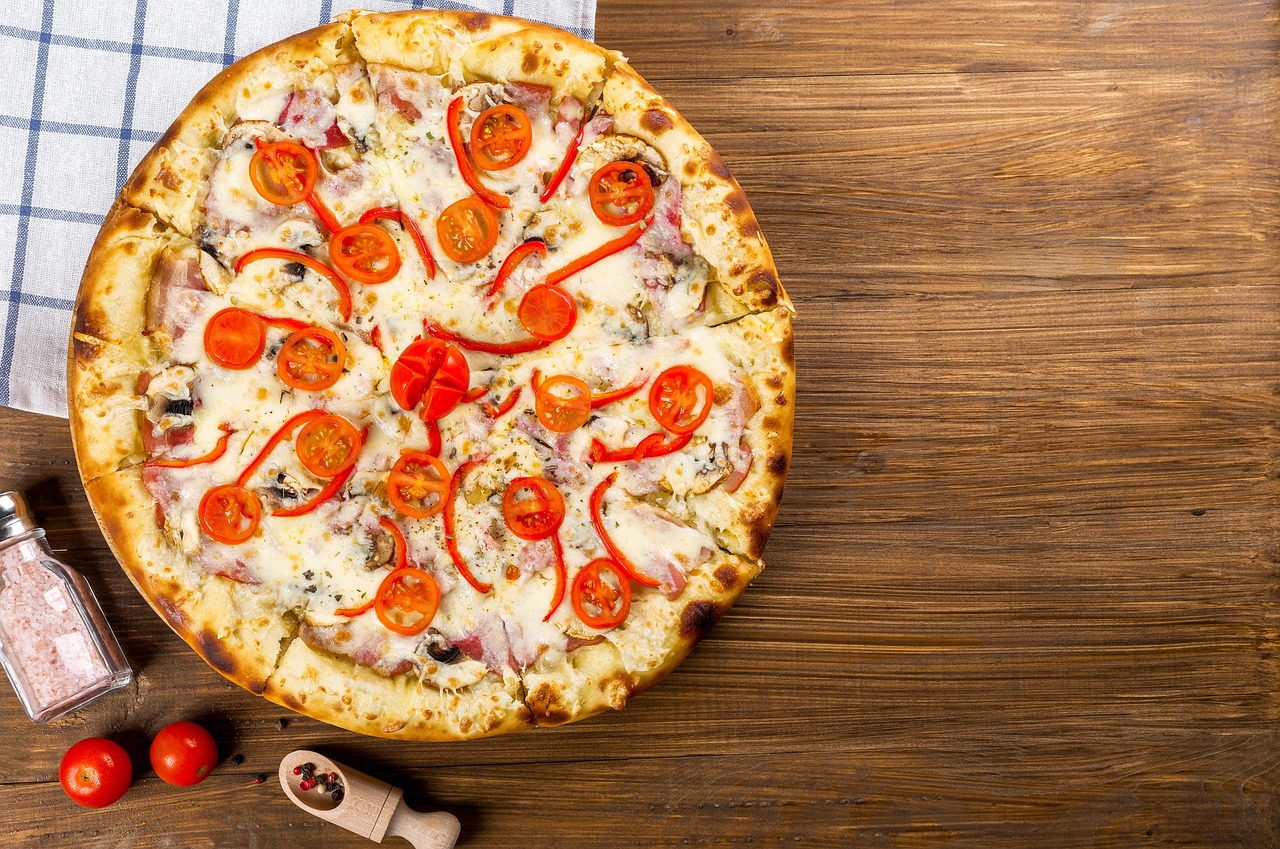
They started sprouting in Dayton, Ohio, circa the 1960s, and when the hungry hit, people were encouraged to hit the Red Barn. The grub was your average fast food consisting of a salad bar, fried chicken, fish sandwiches, and the piece de resistance, juicy hamburgers and cheeseburgers.
The two biggest sellers included the double-decker, triple bun Big Barney, which resembled today’s Big Macs, and the Barnbuster, which was similar to a Quarter Pounder or Whopper with a quarter-pound patty, tomatoes, lettuce, pickles, and special sauce on a sesame seed bun. Plenty of folks were able to get their hands on these signature sandwiches during the mid to late 20th century, as the chain grew to over 300 locations across 19 states and even in parts of Canada and Australia.
The brand has since kicked the can, becoming utterly defunct after its last locations closed in 1988. Red Barn’s rustic appeal couldn’t compete with the marketing might and operational efficiency of larger chains, despite offering similar menu items decades before competitors.
Gino’s Hamburgers: The NFL Star’s Fast-Food Dream
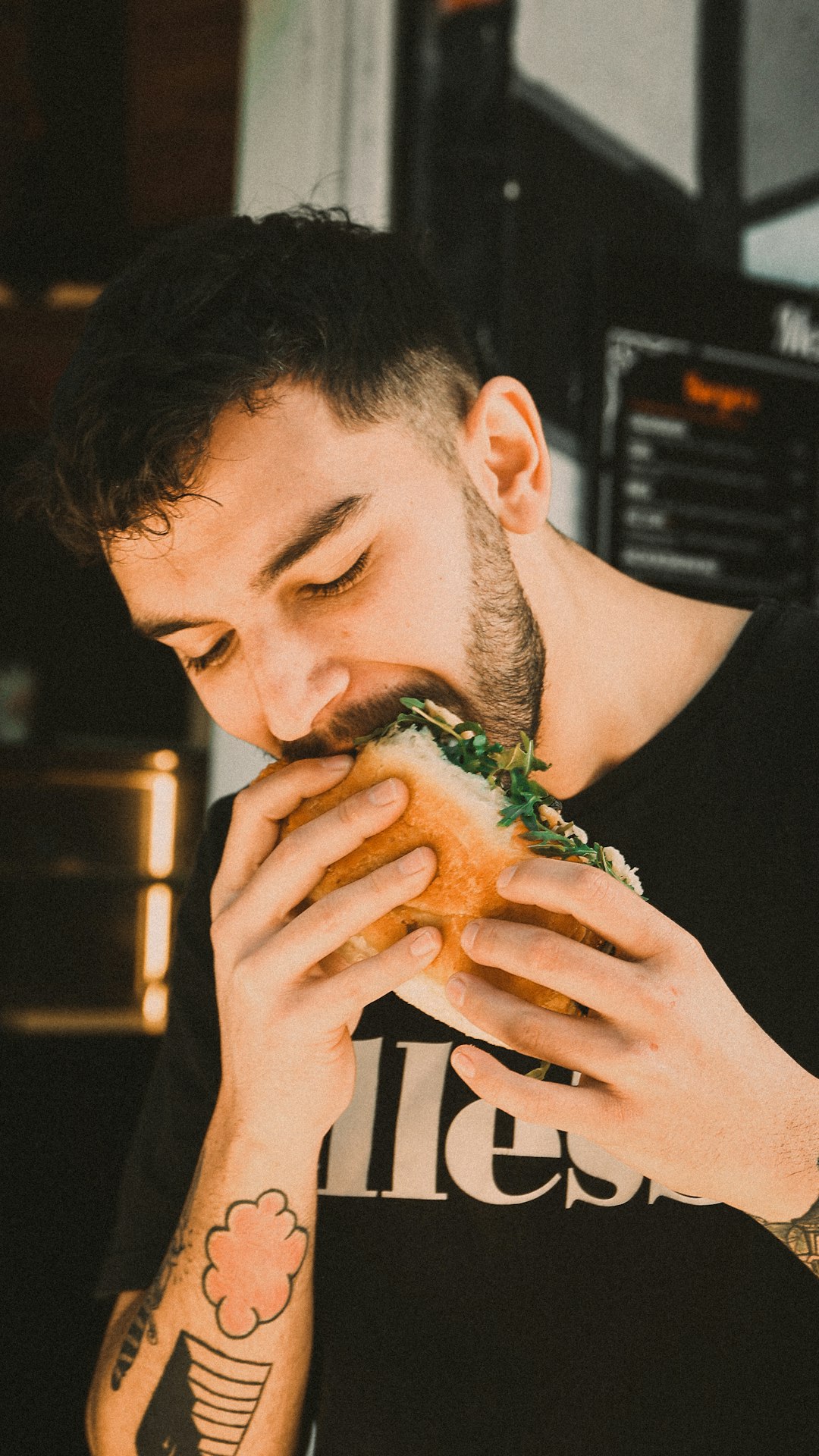
Gino’s Burgers was founded in 1957 by NFL Hall of Famer Gino Marchetti. The chain was off to a solid start, thanks to the smart decision to combine fast food and sports. But even though there were more than 330 Gino’s Burgers across the country by 1972, the glory didn’t last.
In the 1980s, Marriott purchased the chain and merged it with Roy Rogers. A new iteration of Gino’s called Gino’s Burgers and Chicken opened in 2010 with a new menu, and there are still two Gino’s locations in Maryland today. The original chain represented an early example of celebrity endorsement in fast food, pioneering concepts that would later become commonplace.
At its peak, Gino’s Hamburgers had 359 locations open, but it was eventually purchased in 1982 by the Marriott Corporation. Following the deal, the Marriott Corporation rebranded the locations as Roy Rogers restaurants, and the final Gino’s location closed its doors in 1986. Corporate acquisitions and rebranding ultimately erased this pioneering chain from history.
Arthur Treacher’s: Britain’s Gift to American Fast Food
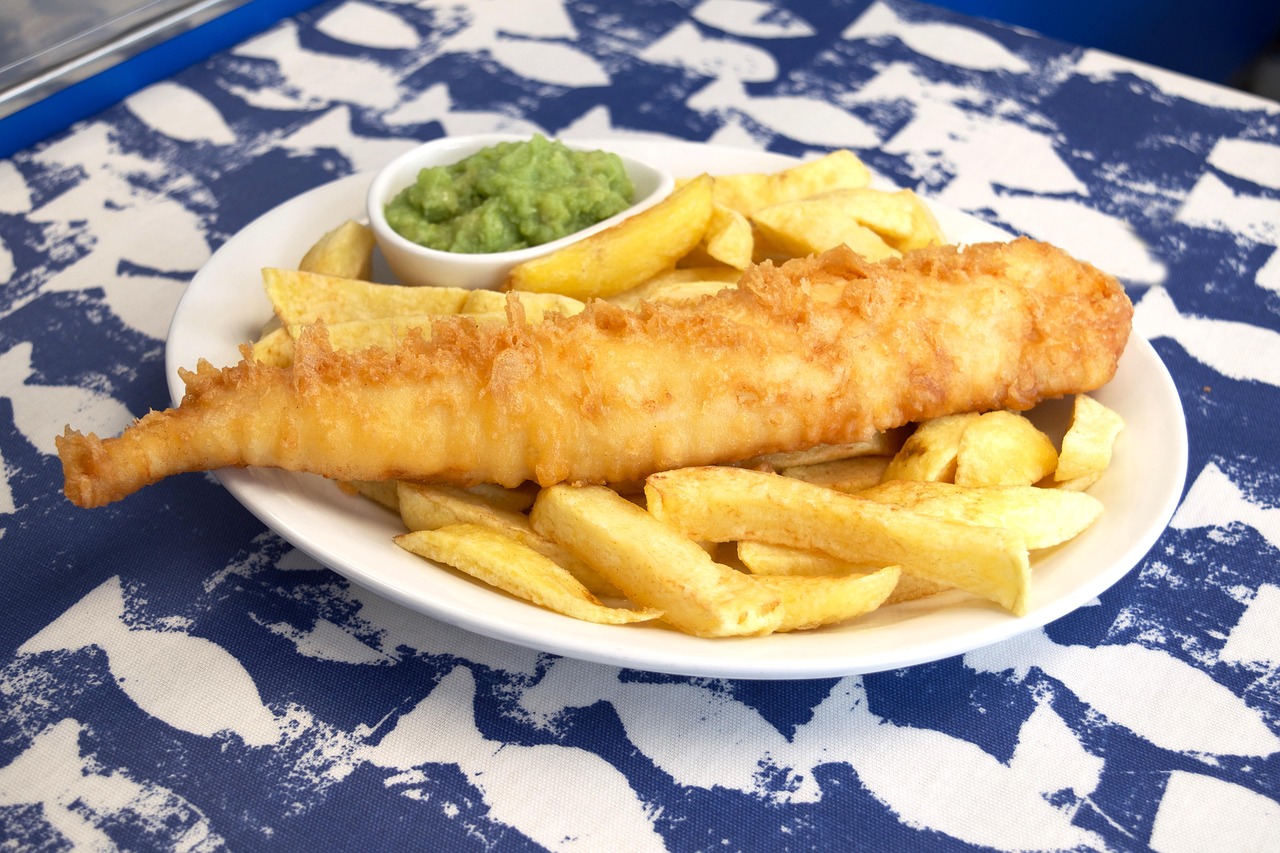
You won’t have seen a sign for Arthur Treacher’s in a while (unless you live in northeast Ohio, where there are a handful left). It was founded in Columbus in 1969 and grew to 826 locations, thanks to the nation’s love of traditional British fish and chips.
Named after the British actor who played the butler on “The Merv Griffin Show,” Arthur Treacher’s capitalized on America’s fascination with British culture. The chain’s signature battered fish and chips satisfied a specific craving that mainstream burger joints couldn’t fulfill, making it a unique player in the fast-food landscape.
However, rising seafood costs and changing consumer preferences gradually eroded the chain’s profitability. The specialized nature of the menu, while initially an advantage, became a liability when economic pressures mounted and customers sought more diverse options.
Pup ‘N’ Taco: California’s Quirky Fusion Pioneer
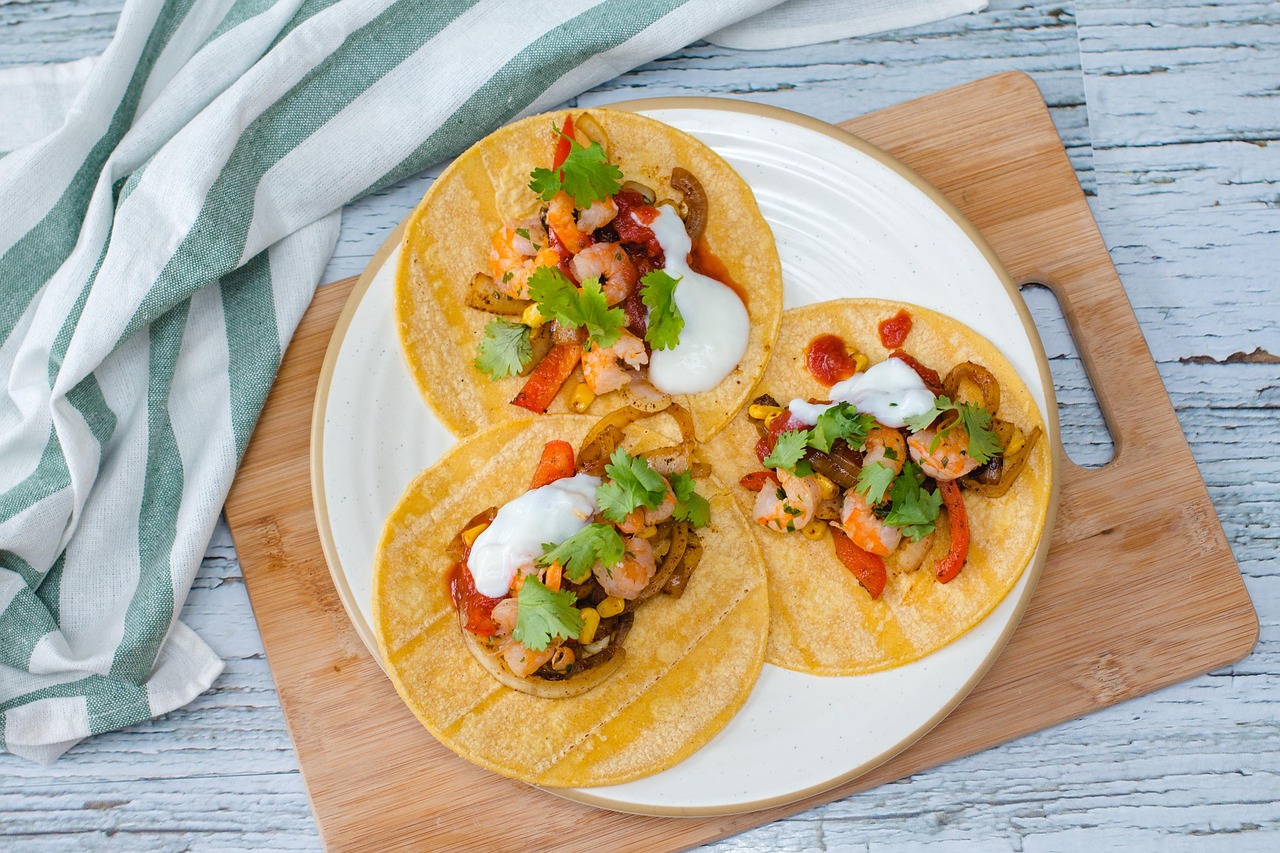
Loved for its tacos, tostadas, hot dogs and pastrami sandwiches, Pup ‘N’ Taco opened in Pasadena, California in 1965. The chain thrived for a good few years, growing to just over 100 stores in its heyday. However, this success wasn’t to last and, in 1984, Taco Bell purchased the majority of the locations, leaving just three in operation in Albuquerque, New Mexico.
Fans still lament the loss of Pup ‘N’ Taco’s South Californian–style pastrami sandwiches served with iceberg lettuce and jalapenos. The chain represented an early attempt at fusion cuisine, combining Mexican and American comfort foods decades before such combinations became trendy.
Taco Bell’s acquisition marked the end of an era for this innovative concept. The surviving locations briefly operated as “Pop ‘N’ Taco,” but even these eventually disappeared, taking with them a unique slice of California’s culinary history.
Doggie Diner: San Francisco’s Beloved Hot Dog Haven
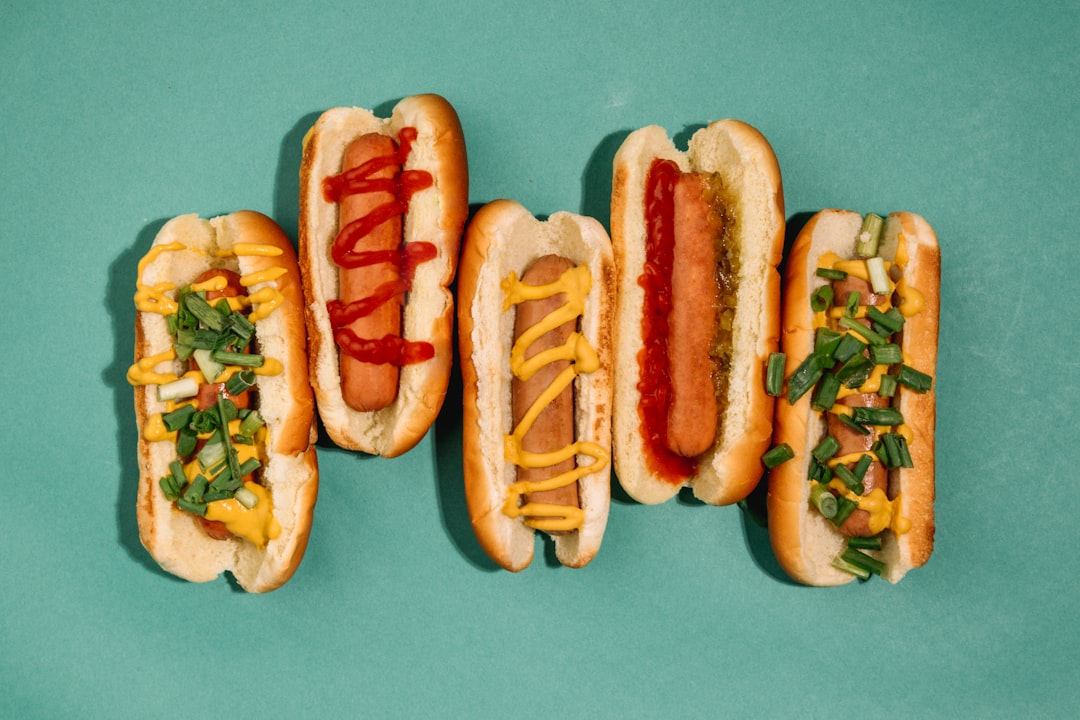
The massive, 300-pound fiberglass dog head loomed over the cute entrance to every location of the small collection of Doggie Diners, a San Francisco-based hot dog chain. This cheerful mascot helped Doggie Diner serve hundreds of its signature hot dogs until it closed its Bay Area locations in 1986.
Doggie Diner was a small fast food restaurant chain serving hot dogs and hamburgers in San Francisco and Oakland, California. The canine-inspired restaurants operated from 1948 to 1986, and at one time there were 30 locations around the San Francisco Bay Area.
I love seeing the Doggie Diner heads pop up still today around San Francisco. The iconic mascot heads have become beloved pieces of San Francisco memorabilia, with preserved examples serving as nostalgic reminders of the city’s quirky past. Despite the chain’s closure, these artifacts keep the memory alive for locals and tourists alike.
While today’s fast-food giants continue expanding globally, these eight chains remind us that success in the restaurant business is never guaranteed. The COVID-19 pandemic’s aftermath and rising food, labor, and other commodity expenses have led to an increasing number of restaurant closures in 2023 and recent years. Its effects, such as labor shortages and bottlenecks in the supply chain, have mainly subsided, but many people have found it difficult to recover completely, if at all. Each lost chain tells a story of innovation, ambition, and ultimately, the unforgiving nature of American capitalism. Their legacies live on in the memories of those who experienced them and in the industry practices they pioneered.