4 Low-Cost Dinners Chefs Recall Quietly Going Viral in the ’90s
The 1990s marked a pivotal era when convenience foods and microwave meals reached their peak, and families across America discovered that feeding everyone didn’t require hours at the stove or deep pockets. While the decade gave us grunge music and dial-up internet, it also gave us something equally memorable: budget-friendly dinners that swept through kitchens faster than anyone expected. There was a time when people were busy, pinching pennies, and felt way less guilt about whipping up something cheap and easy at home, even with a few preservatives, and that time was the 1990s.
These weren’t fancy dishes you’d find in glossy food magazines. They were practical solutions to the eternal question of what’s for dinner when time and money are tight.
Hamburger Helper Became a Weeknight Hero
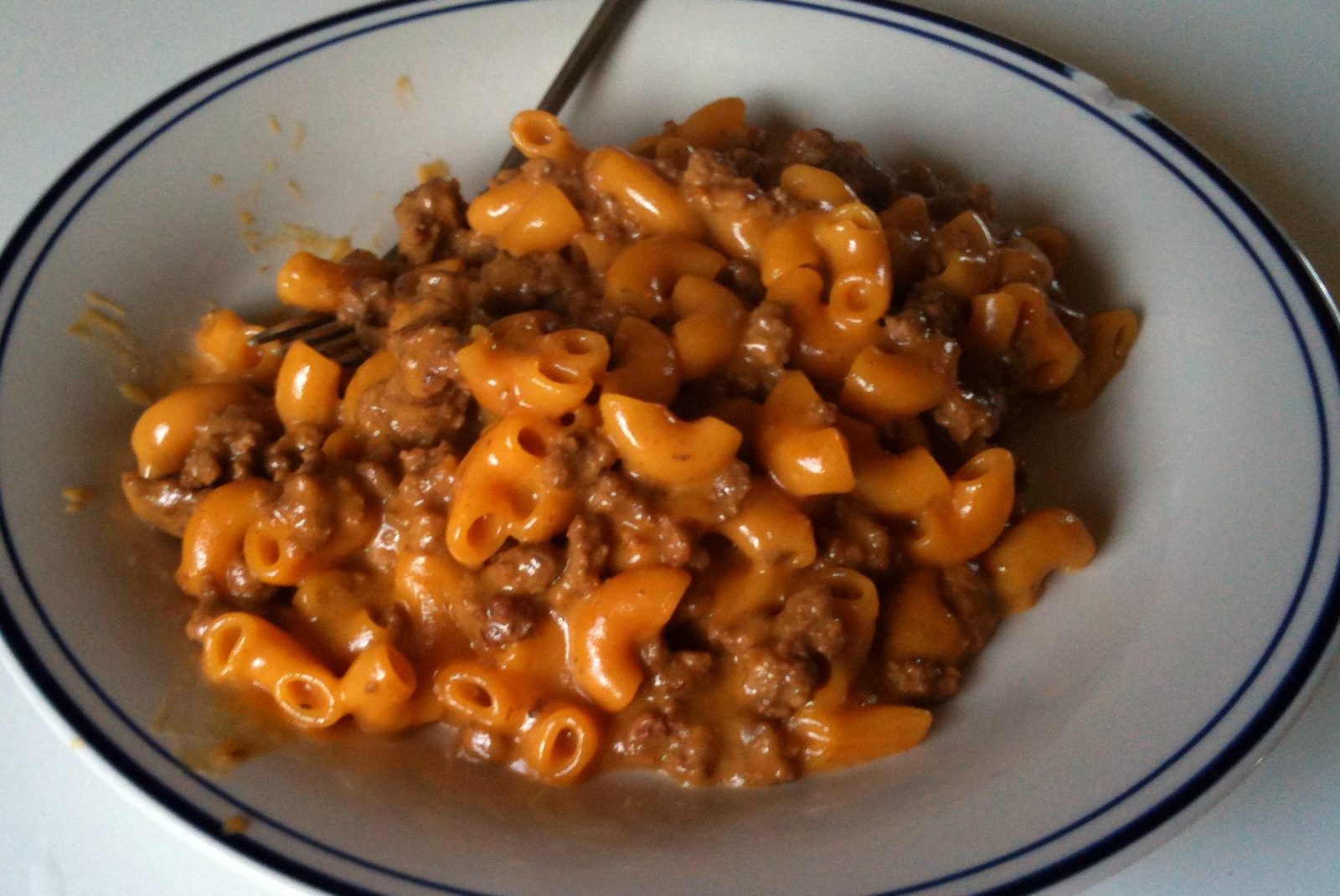
If you sang the jingle “Hamburger Helper makes a great meal!” in your head, you definitely ate it in the ’90s, and there were endless varieties to choose from, though somehow Cheeseburger Macaroni always won out. This boxed pasta and seasoning mix required only one pound of ground beef and transformed it into a complete meal that fed a family of four without breaking a sweat.
The genius of Hamburger Helper lay in its simplicity. One Reddit user recalled that their mom was a single mom working at Walmart with three kids, and it was cheap, easy, and fed all of them. The appeal extended beyond just economics. These meals provided consistency during hectic weekdays when parents juggled work schedules and kids needed dinner on the table promptly.
Culinary purists might have turned up their noses, yet families embraced it because it solved a real problem. Casseroles became popular in the ’90s because they required less meat and were super filling recipes, stretching ingredients further than traditional preparations ever could.
Taco Night Built on Old El Paso Kits
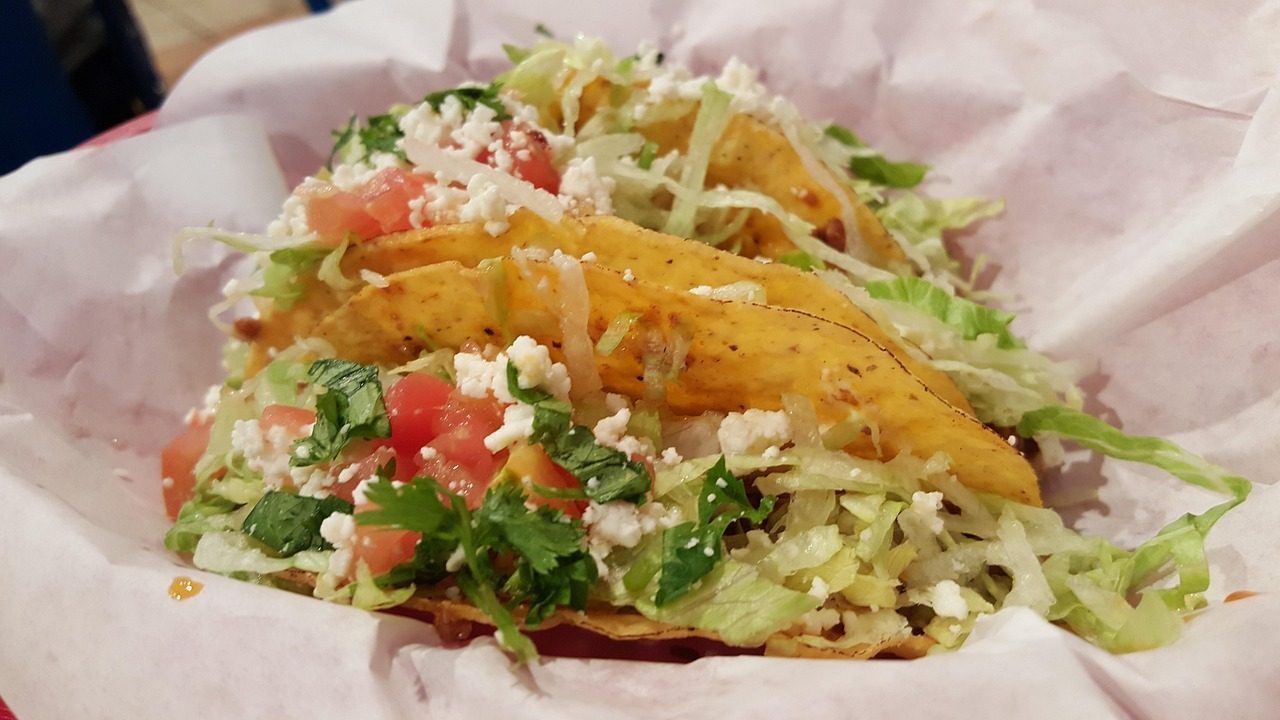
The quintessential American-style taco was at its peak in the 1990s, trendy and popular with very few people disliking it, even kids. Old El Paso’s taco kits became household staples, offering everything needed in one convenient box: seasoning packets, taco shells, and sometimes even salsa.
What made taco night particularly brilliant was its interactive nature. Families loved that it was interactive, so everyone made their own tacos with whatever they wanted in them. This DIY approach meant picky eaters could load up on cheese while heat lovers passed the jalapeños. Parents appreciated that one pound of ground beef could stretch across multiple servings when paired with beans, lettuce, tomatoes, and toppings already sitting in the fridge.
You knew you were in for a special night when your parents came home with the Old El Paso “taco night in a box” kit. The affordability factor combined with the fun of assembly made this meal a weekly ritual in countless homes. It proved that budget cooking didn’t mean sacrificing family engagement or enjoyment at the dinner table.
Stouffer’s Frozen Lasagna Replaced Homemade
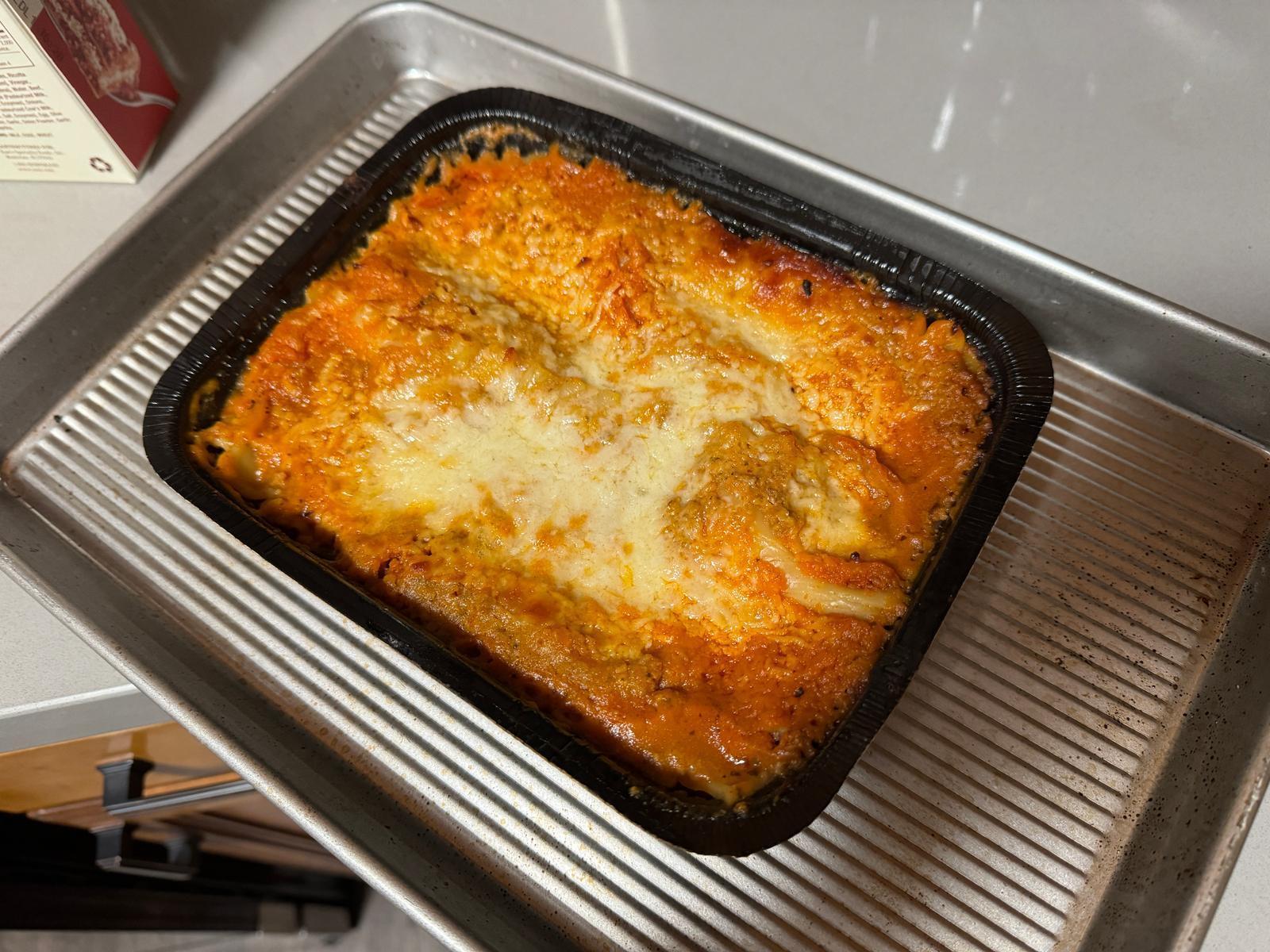
Families in the ’90s put a Stouffer’s frozen lasagna out on the table and treated it as though someone had whipped it up from scratch, and Stouffer’s was cheap, lasted forever in the freezer, and tasted better than most homemade cooking. This frozen dinner represented a massive shift in how middle-class households approached meal planning.
The frozen lasagna solved multiple problems simultaneously. First, it required zero preparation beyond heating. Second, it delivered layers of pasta, cheese, and sauce that genuinely satisfied hungry families. When people found Stouffer’s frozen lasagna, some of them never went back to homemade, and it meant lots of families were eating lasagna a lot more often than they used to.
One Reddit user wrote that as a working, single mom, they raised a family on Stouffer’s, and you can serve that stuff in a restaurant and people would be happy. The acceptance of frozen lasagna as a legitimate dinner option reflected broader cultural changes around convenience and the recognition that parents, especially working mothers, deserved easier solutions.
Sloppy Joes from a Can of Manwich
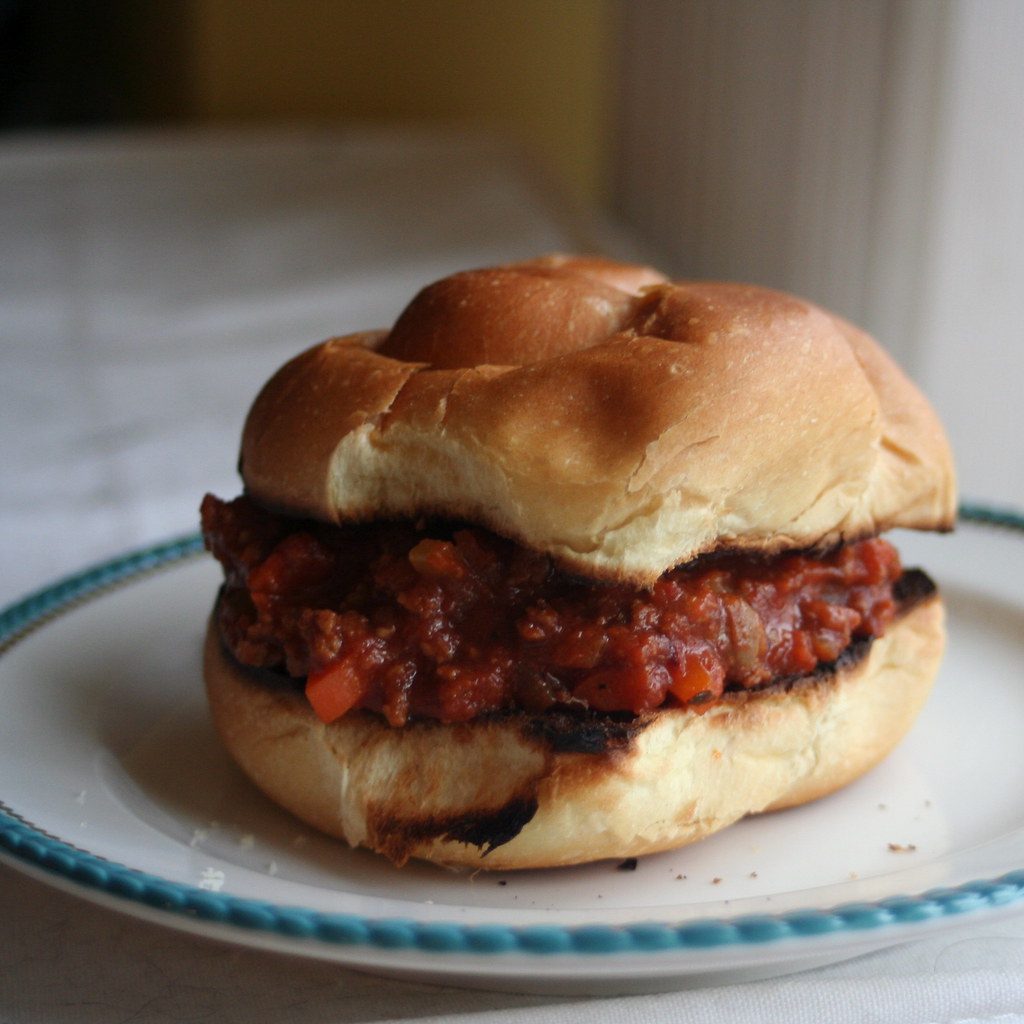
There were two sloppy joe camps, with families either making their joes with a can of Manwich or a homemade sauce concoction, but either way, greasy ground beef and soft white bread buns were always a must. Manwich sauce, which launched decades earlier, found its true calling in 1990s kitchens where speed and budget mattered most.
Ground beef plus ketchup plus a packet equaled Tuesday, and everybody got seconds because buns were cheap and the skillet did most of the work. The meal cost roughly five dollars to make and fed a family of four with minimal cleanup required. The simplicity factor couldn’t be overstated: brown one pound of ground beef, pour in the can, simmer, and serve.
Moms were just as tired in the ’90s as they are today, making easy one-pan dinners like Sloppy Joes a weeknight must, and there was no shame in the Manwich game. These messy sandwiches offered comfort without pretension, acknowledging that not every meal needed to be an elaborate production. When paired with potato chips or tater tots, sloppy joes became the ultimate budget-friendly comfort dinner that kids actually requested.
These four dinners weren’t trying to win culinary awards. They were trying to show up consistently, make ends meet, and bring families together around the table. That honest approach to feeding people on a budget quietly captured the hearts and dinner rotations of an entire generation. What do you think made these meals so memorable in your household?