7 Spices That Lose Their Potency After Six Months (Even Though Most People Keep Them Longer)
Walk into any kitchen and you’ll probably find spice jars that have been sitting there for years. Most of us assume they’re fine because they don’t mold or look obviously spoiled. Here’s the thing though: those seemingly immortal seasonings are quietly losing what makes them valuable in the first place. While they won’t make you sick, they’re basically contributing nothing more than colored dust to your meals. Let’s dive into which spices fade fastest and why that matters more than you might think.
Paprika: Vibrant Red Fading Into Nothing
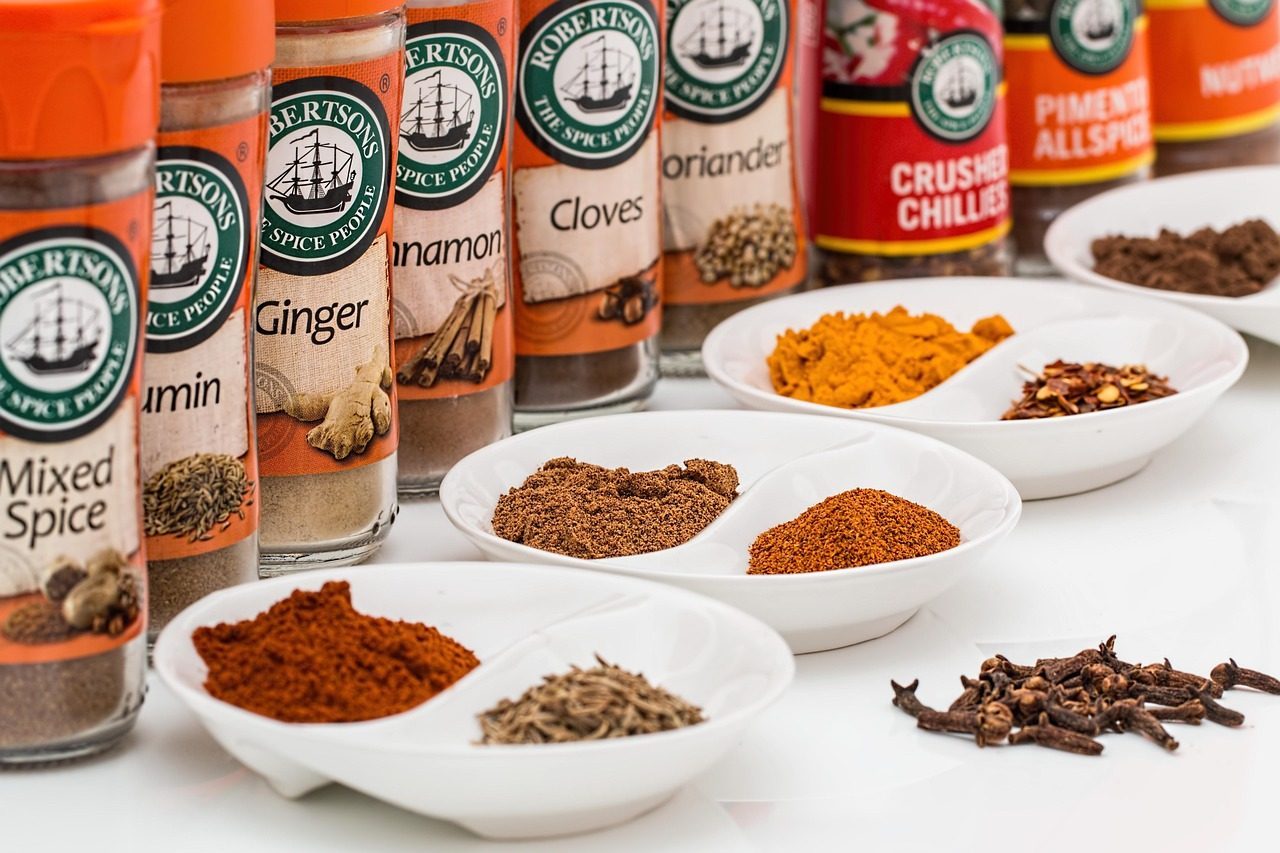
Paprika loses much of its flavor potency within just six months of opening, yet countless families cling to the same jar for years. That bright red powder that once delivered smoky sweetness becomes little more than tinted filler. Paprika loses significant potency within 8 months at room temperature, which explains why your Hungarian goulash tastes so bland despite following grandma’s recipe precisely. Red spices like paprika and cayenne pepper will retain their pigment longer if kept refrigerated, though most people never think to do this. The visible color change tells the story – when that vibrant crimson fades to a dull brick shade, the flavor has already left the building.
Ground Cumin: From Earthy Warmth to Bitter Disappointment
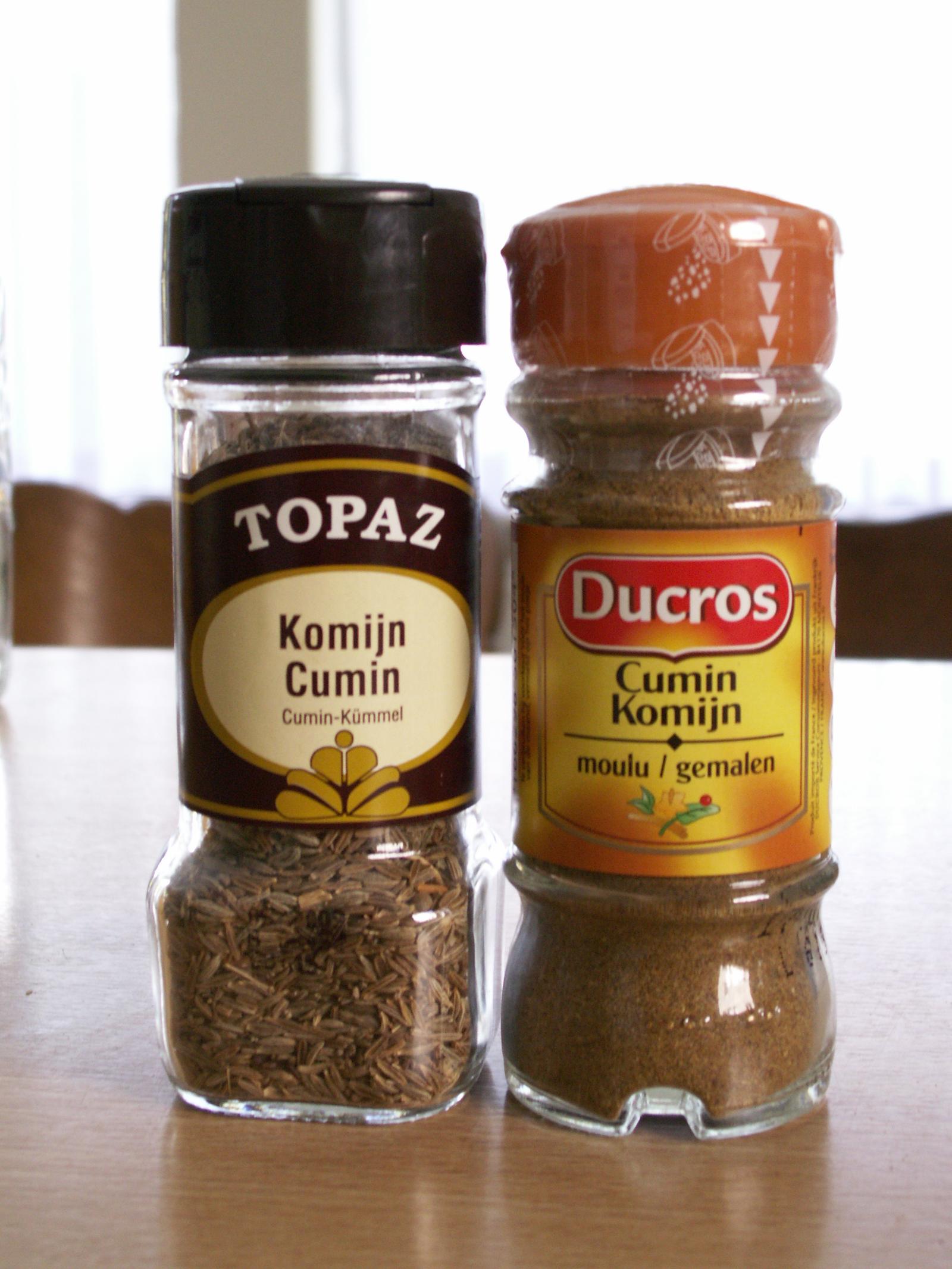
Research from the Journal of Agricultural and Food Chemistry confirms that ground cumin loses much of its key flavor compounds within 6 months under typical kitchen conditions. The sulfur compounds and essential oils that give cumin its distinctive earthiness simply evaporate. High aromatic spices such as cumin shouldn’t be kept any longer than 6 months because after that, they’re essentially dead from a flavor perspective. Ground cumin, with its increased surface area, begins losing volatile compounds immediately after grinding, with noticeable flavor degradation within 6 months. This explains why your homemade tacos might taste flat even when you’re generous with that three-year-old cumin sitting in your spice rack.
Cayenne Pepper: Heat Without the Complexity
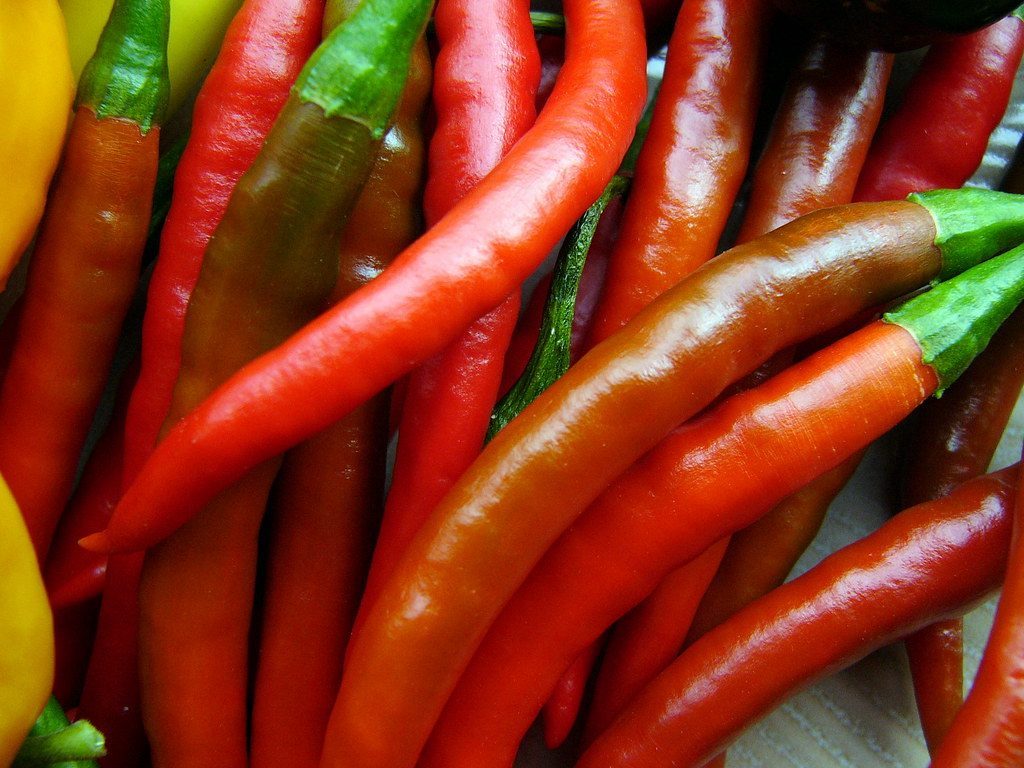
Capsaicin – the active compound responsible for cayenne’s heat – begins degrading immediately after grinding due to oxidation from light, air, and moisture exposure. While cayenne might retain some burn, it loses the nuanced flavor notes that make it interesting. Opened cayenne pepper maintains peak quality for 18-24 months when stored properly in airtight glass containers, with whole pods lasting longer than powdered forms. Still, noticeable degradation happens much earlier than most people realize. The problem isn’t safety – it’s that you’re adding one-dimensional heat instead of the complex, fruity undertones fresh cayenne provides.
Chili Powder: Complex Blend Becoming One Note
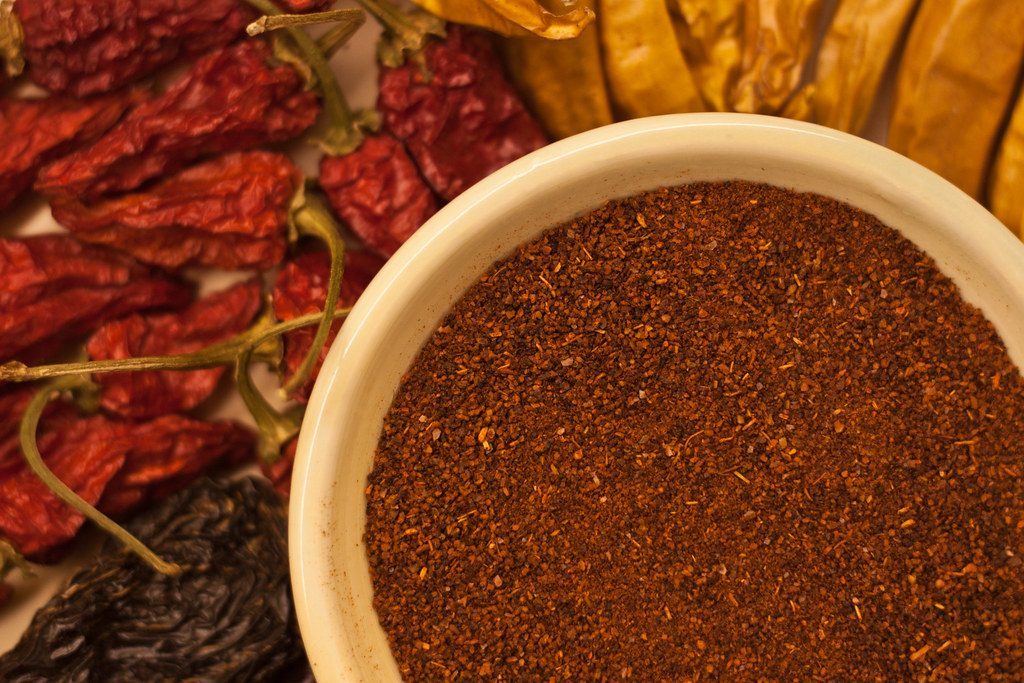
Commercial chili powder blends are particularly vulnerable because they contain multiple spices. Beyond optimal storage time, volatile oils degrade by 50% or more, diminishing aroma and heat. Think about it: chili powder typically contains cayenne, cumin, garlic powder, and oregano. When each component loses potency at different rates, the entire flavor balance shifts. The degradation is due to the volatile oils responsible for its characteristic aroma and heat dissipating over time. What you’re left with is a muddy shadow of what the blend once was, explaining why your chili con carne tastes flat despite adding what seems like enough seasoning.
Garlic Powder: The Umami That Vanishes
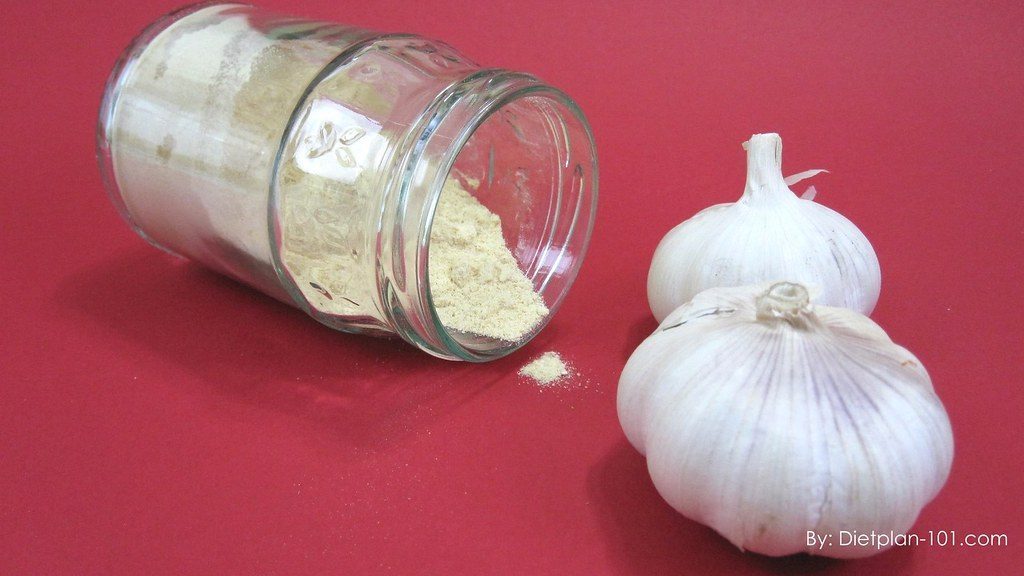
Properly stored garlic powder maintains potency for 2-3 years, but begins losing volatile compounds after 6 months. The savory depth that garlic powder brings to dishes – that umami quality – fades surprisingly fast. The sulfur compounds that give onion powder its savory depth break down rapidly once exposed to air and humidity, with noticeable flavor loss occurring within six months, and garlic powder behaves similarly. Fresh garlic powder should leave a strong scent on your fingers when rubbed together. If you’re getting barely any aroma, you’re basically adding texture rather than flavor to your dishes.
Onion Powder: Savory Depth Disappearing
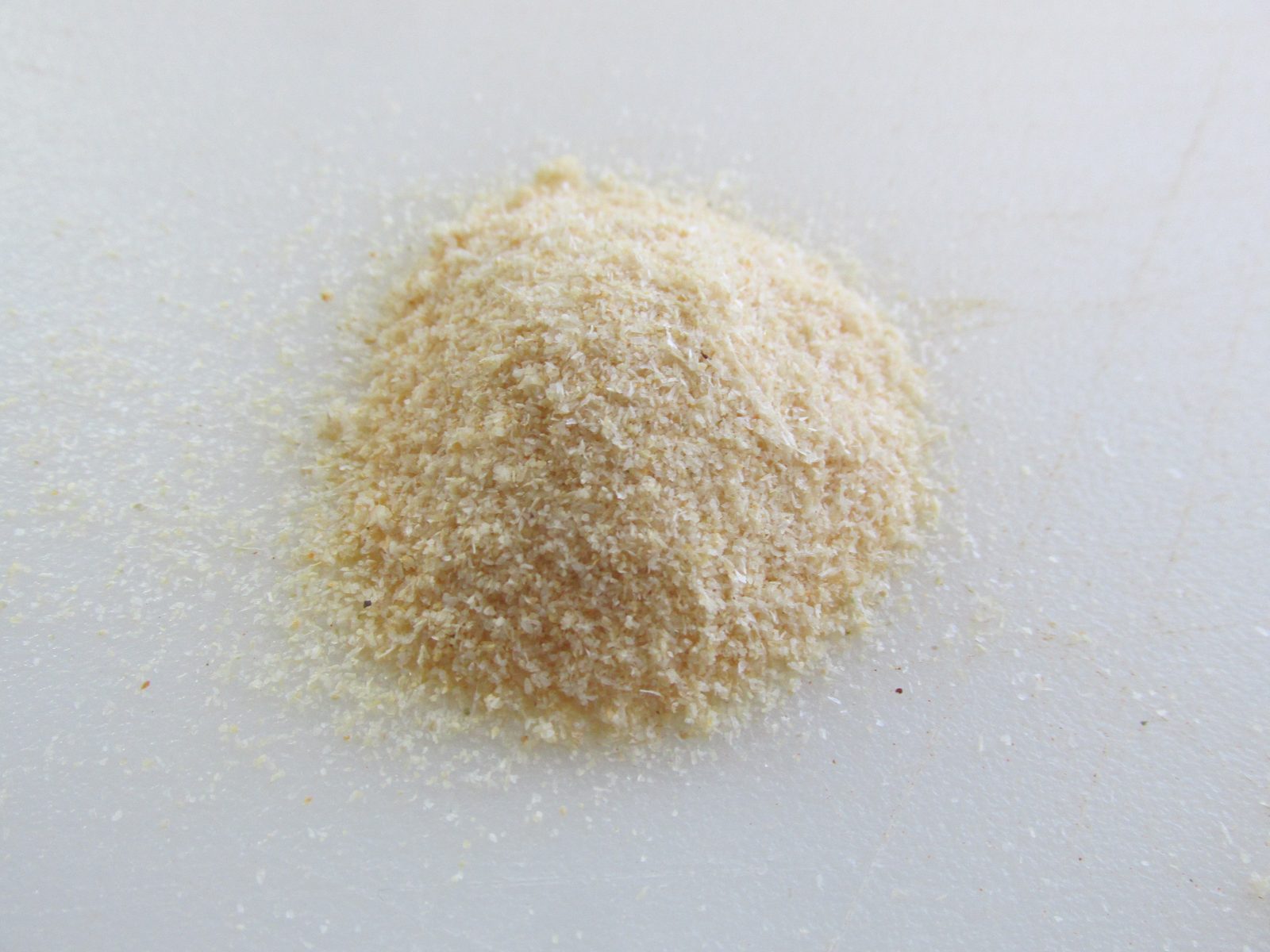
Here’s something most people don’t realize: the sulfur compounds that give onion powder its savory depth break down rapidly once exposed to air and humidity – the same compounds that make you tear up when cutting fresh onions are exactly what disappear first in powdered form. After six months, you’re left with a product that adds bulk but little actual taste. Studies indicate that onion powder stored in typical home conditions loses its umami-boosting properties much faster than most people realize. That container you bought years ago is probably contributing more sodium than genuine onion flavor to your seasoning blends.
Ground Coriander: The Citrusy Spice Going Stale Fast
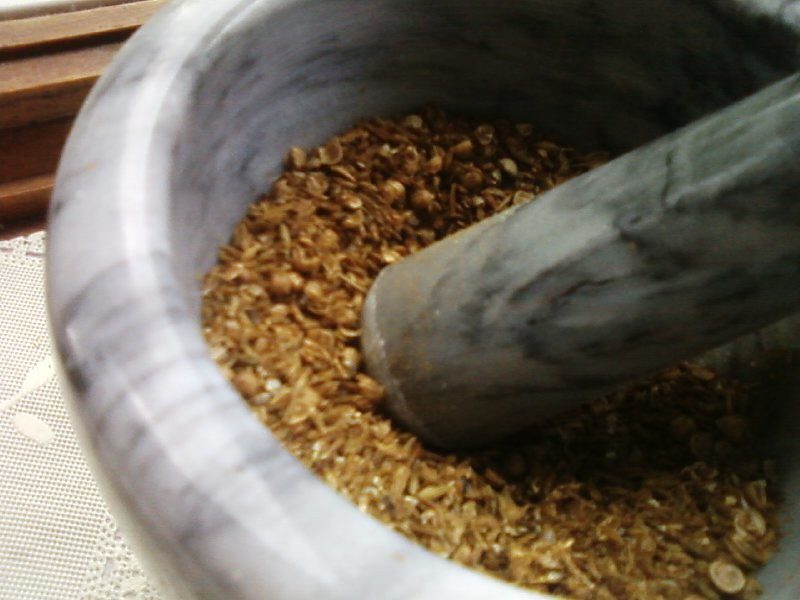
The delicate citrusy and slightly sweet flavor of ground coriander vanishes remarkably quickly, with research from the Journal of Food Science showing significant flavor loss within four to six months of grinding, as its increased surface area makes it vulnerable to rapid oxidation and volatile oil evaporation. Professional chefs know this spice should smell fresh and lemony when you open the container, but old ground coriander often smells musty or completely odorless, essentially contributing nothing but texture to curry dishes. Unlike whole coriander seeds that last for years, the ground version is remarkably fragile. If you’re not getting that bright, lemony aroma, it’s time for a replacement.
The truth is, food science indicates ground spices lose much of their volatile compounds within 6 months of grinding, while whole versions retain greater potency for 2+ years under proper storage. Most families hold onto ground spices for years without realizing they’re cooking with essentially flavorless powder. The solution isn’t complicated: buy smaller quantities, store them in airtight containers away from heat and light, and replace them more often than feels necessary. Your taste buds will notice the difference immediately. Have you checked your spice cabinet lately?