These 5 Rare Quarters From the 1990s Now Sell for Thousands
Ever wonder if that handful of change jingling in your pocket could be hiding something valuable? You’d be surprised how many people have walked past a small fortune without even realizing it. The 1990s produced some quarters that look completely ordinary at first glance. Yet a closer inspection might reveal tiny details that transform a simple 25-cent piece into something worth hundreds, even thousands of dollars.
Here’s the thing: most of us grew up thinking old coins were the only ones worth keeping. Turns out, certain quarters minted just a few decades ago have become incredibly sought after by collectors. These aren’t ancient relics gathering dust in forgotten treasure chests. They’re coins that could still be circulating today, waiting in cash registers, piggy banks, or that jar of loose change sitting on your dresser.
1990 High-Grade Washington Quarter
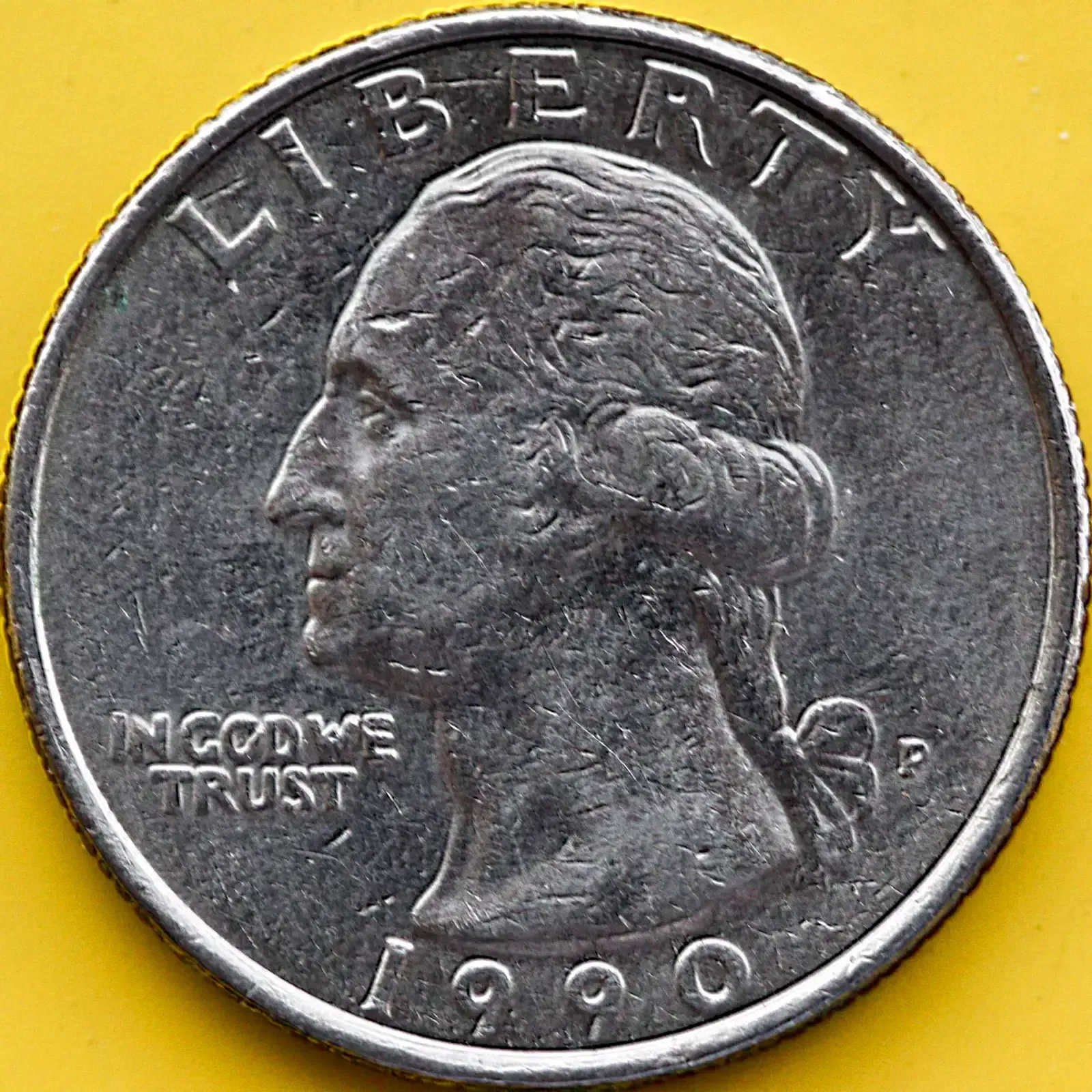
Let’s be real, the typical 1990 quarter you find in your spare change isn’t going to make you rich. 1.49 billion quarters were made in 1990 with a base-metal copper-nickel clad composition, making them incredibly common. However, condition is everything in the coin collecting world.
PCGS MS67 examples have sold for $1,625 in 2021 and around $1,500 in 2023. What makes these special? They’re essentially perfect coins that somehow escaped circulation, maintaining their original mint luster without a single scratch or blemish. Finding one in your change is like discovering a needle in a haystack, but they’re definitely out there.
The key is examining quarters from 1990 that appear untouched. If you spot one that looks like it just left the mint yesterday, you might want to get it professionally graded. Sometimes the difference between 25 cents and fifteen hundred dollars comes down to preservation.
1995 Doubled Die Error Quarter
Minting errors have always fascinated collectors, and the 1995 quarter produced several varieties that command serious premiums. Some 1995 doubled die error quarters easily take $50 to $100 if offered for sale, maybe even more. These errors occur during die preparation when design elements get doubled during the manufacturing process.
A 1995-P doubled die quarter in MS68 condition reportedly sold for $3,600 at a Heritage Auctions sale in June 2019. That’s not pocket change anymore. The doubled die variety shows doubling on lettering or design elements, though you’ll need magnification to spot it clearly.
What’s intriguing about these coins is how they slipped past quality control. The U.S. Mint produces billions of quarters, and occasionally mistakes happen. Those mistakes become tomorrow’s collector treasures. Quarters struck on wrong planchet errors typically are worth $150 to $500, and one example struck on a dime planchet reportedly sold for $646 at auction.
1999 Delaware Spitting Horse Quarter
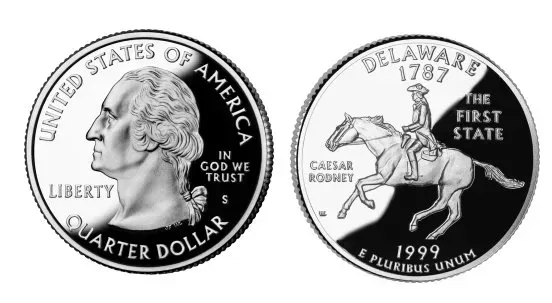
This one has quite a story behind it. The Spitting Horse Delaware quarter error was caused by a die crack running from the mouth of the horse that Caesar Rodney is riding all the way down through the “C” in “Caesar,” and this error is found on only 1999-P Delaware quarters.
The error got its nickname because the raised line created by the die crack genuinely looks like the horse is spitting. It’s one of those things that once you see it, you can’t unsee it. The Delaware state quarter error is worth between $3 and $20, depending on its condition, which might not sound like thousands, but for a coin you could find in circulation for face value, that’s a solid return.
A coin that has been in normal circulation usually sells for around $3 to $10, and if the surfaces are still fairly clean and most of the original shine is intact, the value can move into the $10 to $20 range. Honestly, the appeal goes beyond monetary value. These error coins represent a tangible piece of minting history, capturing a moment when something went slightly wrong at the Philadelphia Mint. Coins graded by a service like PCGS or NGC at MS65 or higher, prices can rise to $50 and sometimes over $200, especially if the “spit” line is bold and easy to see.
1995 Off-Center Strike Quarter
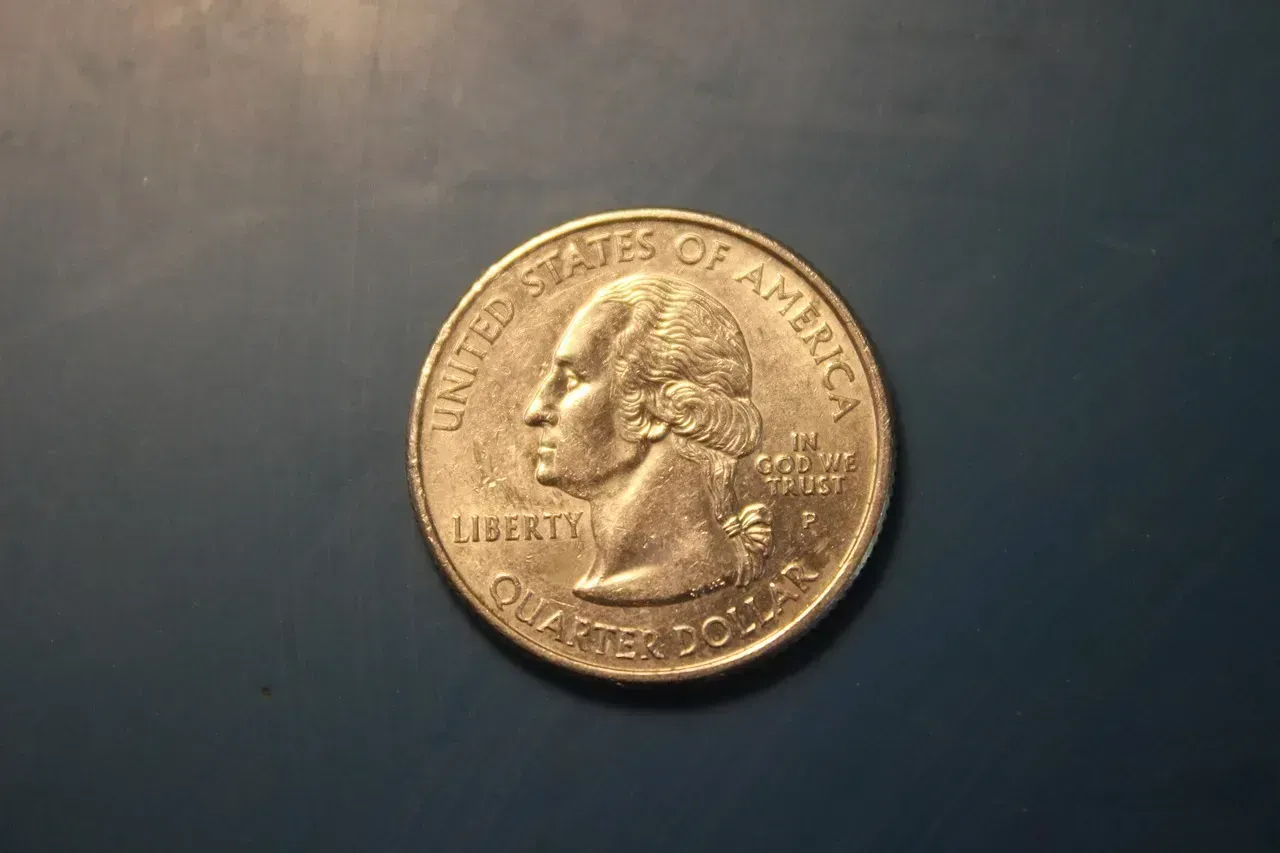
Off-center errors create some of the most visually dramatic mint mistakes. These occur when the blank metal disc isn’t properly aligned with the dies during striking, resulting in a design that’s shifted to one side. Values for off-center errors range on how much of the design is missing and whether or not the date is completely visible, with many worth $30 to $50, and a 1995 off-center error quarter that is around 50% off center and shows a complete date could go for over $250.
The date visibility is crucial. Collectors need to identify exactly which coin they’re looking at, so an off-center quarter without a visible date loses significant value. The most desirable examples show roughly half the design missing while retaining all identifying information.
There’s something almost artistic about these errors. They look intentional, like someone deliberately created an avant-garde coin design. In reality, they’re manufacturing accidents that occurred during high-speed production. The U.S. Mint strikes coins at an incredible pace, and occasionally the machinery simply doesn’t align perfectly.
1998 Wide AM Reverse Quarter Error
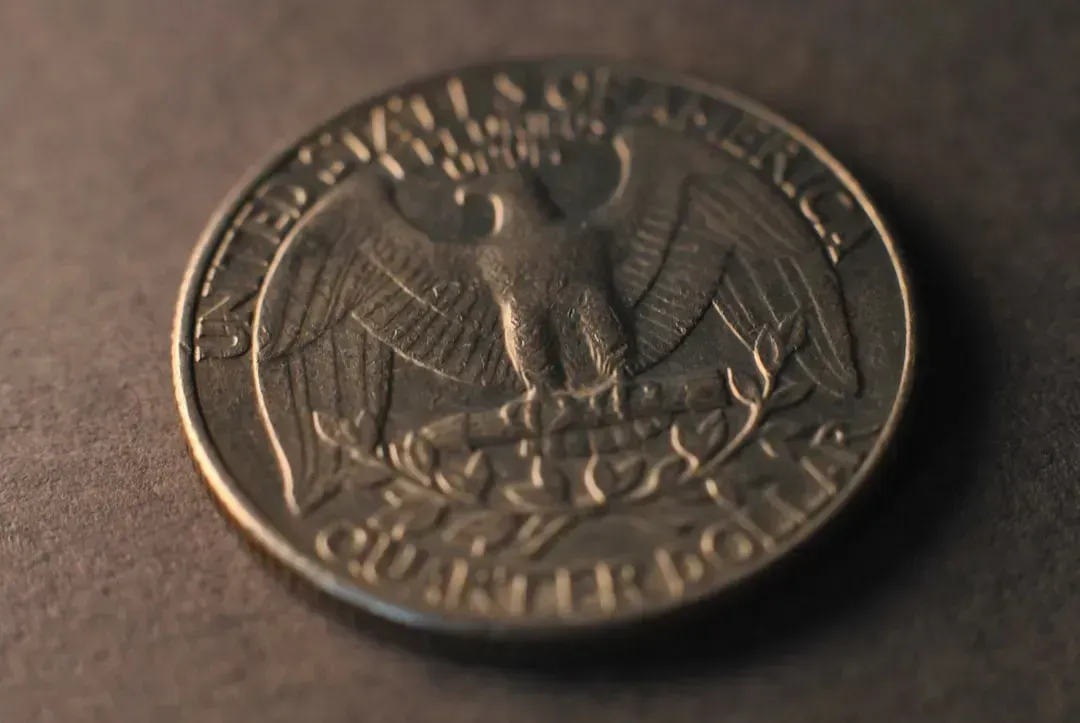
This error requires a keen eye and good lighting to spot. The “Wide AM” refers to the spacing between the letters “A” and “M” in the word “AMERICA” on the coin’s reverse. which is characterized by a wider gap between the “A” and “M” in “America” on the reverse side than on the standard version.
Circulated examples of the coin can be worth several hundred dollars, while uncirculated examples can be worth thousands or more. It is a rare variety that collectors actively hunt. It’s a transitional variety that collectors actively hunt.
A 1998-P Washington quarter with a 20% off-center error graded MS64 reportedly sold for $431, and another with a 30% off-center error graded MS66 sold for $2,040. While the Wide AM variety itself commands premiums, quarters from this year with additional errors can reach even higher values. The lesson? Always examine both sides of your quarters carefully. That tiny spacing difference could represent a significant payday.