7 Countries Where Americans Can Retire Comfortably on Less Than $1,000 a Month
Picture this: trading your crowded commute and skyrocketing bills for a beach town where dinner costs less than a movie ticket back home. Sounds like a fantasy? Here’s the thing: thousands of Americans have already done it. They’re living out their retirement dreams in places most people only see in vacation photos, all while spending less each month than they did on rent alone in the States. The secret isn’t hidden anymore.
As of January 2024, the average Social Security payment stood at just $1,909 per month, which honestly doesn’t go far when the average retiree typically spends $4,345 in the United States. That gap is brutal. Yet there are corners of the world where your Social Security check suddenly feels like a fortune. We’re talking about countries where healthcare costs a fraction, housing won’t drain your savings, and you can actually enjoy life without constantly checking your bank balance. Let’s explore seven remarkable destinations where retiring on less than a grand each month isn’t just possible – it’s surprisingly comfortable.
Mexico: Where Your Dollar Stretches Further Than Ever
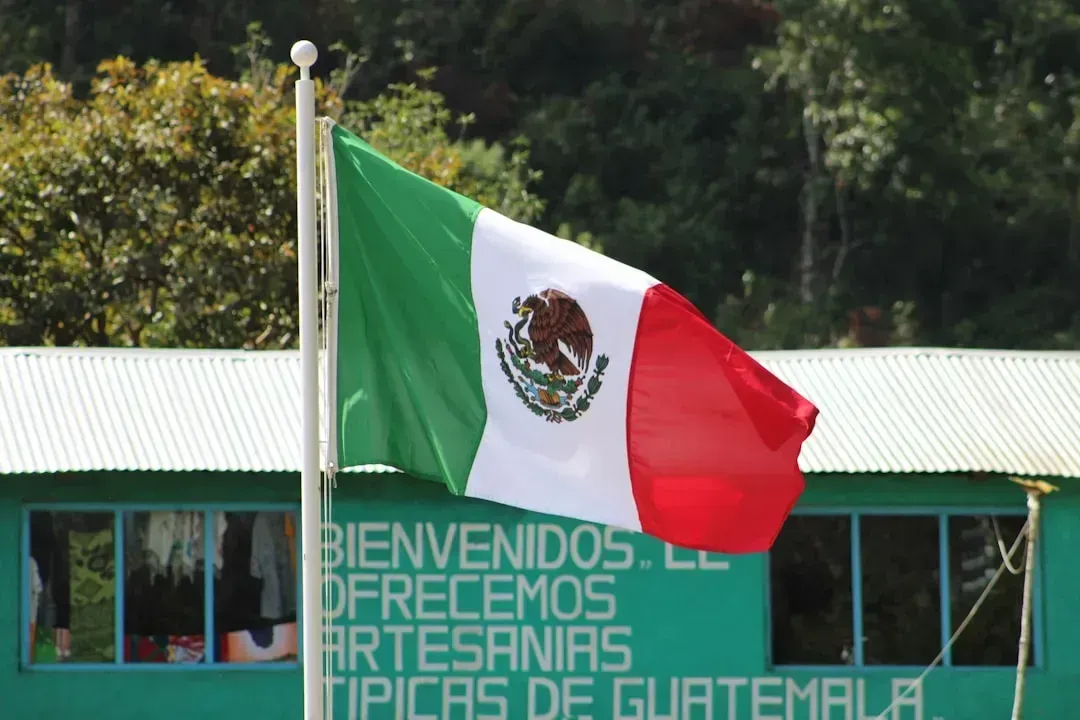
Mexico now ranks 4th globally for retirement in 2025, offering expats affordability, quality healthcare, and vibrant communities, which makes sense when you see the numbers. Some expats live on USD 1,000 a month, especially if they settle outside the tourist hotspots. Cities like Mérida or Lake Chapala offer that perfect blend – established American communities where you won’t feel isolated, yet authentic Mexican culture that keeps life interesting.
Healthcare? Mexico has a well-regarded healthcare system, with affordable private care and access to public healthcare after gaining residency. International hospitals, especially in popular regions like Puerto Vallarta and Mexico City, offer high-quality medical services at lower costs than in the U.S. I know plenty of folks who crossed the border for dental work and never looked back. The proximity to the States means family visits don’t require a twelve-hour flight, which matters more than you might think when grandkids are involved.
Ecuador: Mountain Views on a Shoestring Budget

Let’s be real – Ecuador is basically retirement gold. The low cost of living in this small Andean country is often cited as one of the main draws for overseas retirees choosing it as their new home. A couple can live quite comfortably in Ecuador for less than $23,000 per year, which breaks down to under two grand monthly for two people. A retiring couple can live comfortably for about $1,800 per month. A single person can retire well for around $1,400 per month, according to recent data.
Cuenca stands out as the expat darling, this gorgeous colonial city where you can rent a modern, two-bedroom apartment with a terrace and mountain views for around $750 per month in one of the nicest parts of the city. And that includes internet, building maintenance fees, and all utilities. Ecuador uses the US dollar, so you skip currency conversion headaches entirely. The climate? Year-round spring in the highlands. What’s not to love?
Portugal: Europe Without the European Price Tag

Portugal keeps popping up on retirement lists for good reason, even though calling it “under a thousand” requires some strategic living. In smaller towns, the cost of living in Portugal for retirees is often about €1,400 to €1,800 (~$1,500 to $2,000) per month, though frugal singles absolutely can squeeze under that thousand-dollar mark if they venture beyond Lisbon and Porto. Consumer prices are about 34% cheaper, meaning you can retire comfortably without needing a huge income compared to the US.
Portugal ranks 7th globally for peace in 2024, offering that rare combination of safety and affordability. The healthcare system ranks among Europe’s best, and Portugal’s D7 passive income visa requires around €870/month minimum for one person from pensions or investments. Small towns in the Algarve or central regions give you Mediterranean beaches, incredible wine, and locals who actually appreciate retirees settling in their communities. English is widely spoken in expat areas, smoothing that inevitable culture shock.
Vietnam: Exotic Living at Bargain Prices
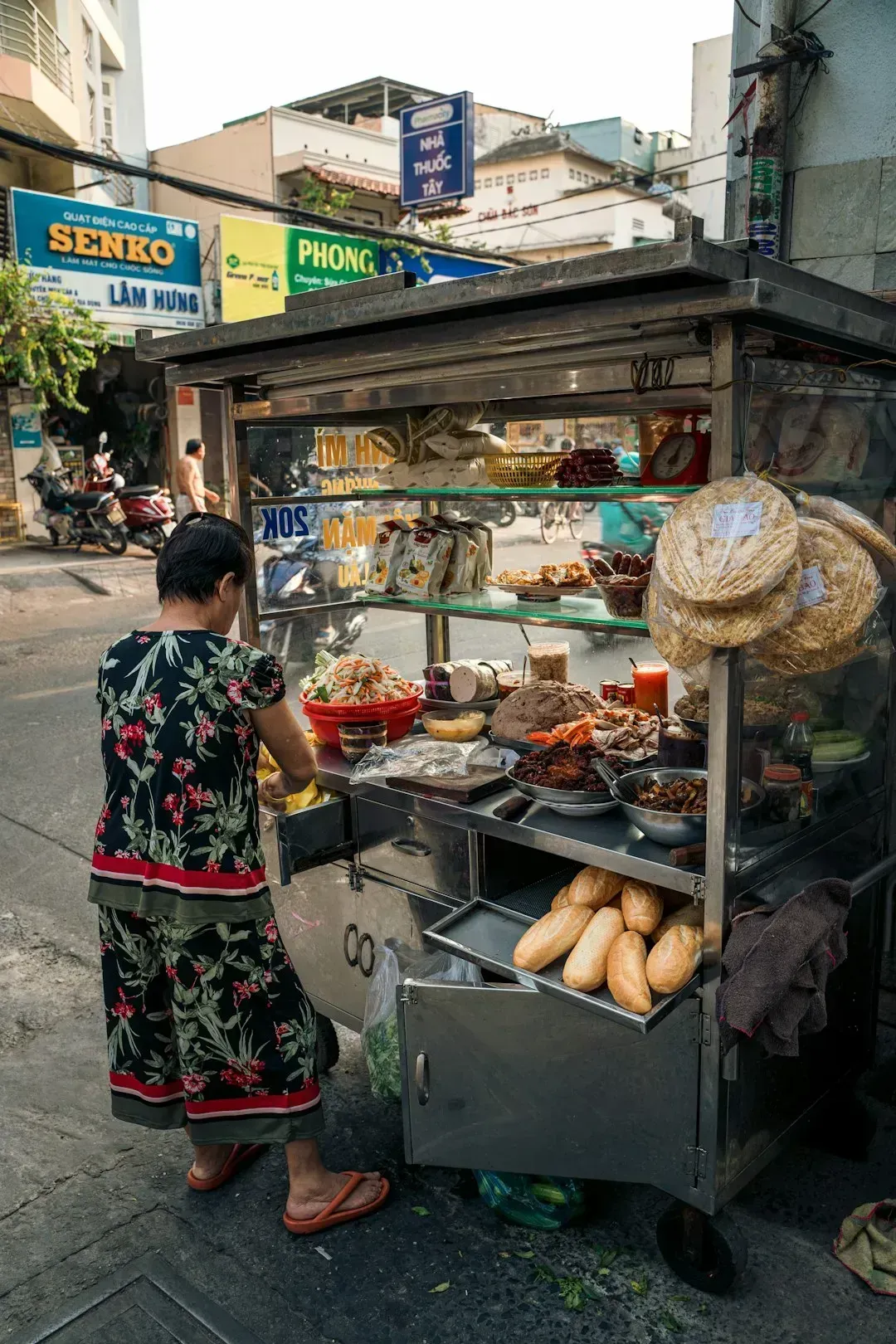
Vietnam doesn’t get enough credit in retirement conversations. The country’s two major population zones are Hanoi, in the north, and Ho Chi Minh City, in the south. Together, they are home to about 18% of Vietnam’s total population of 100 million people, meaning plenty of smaller towns offer incredible value. Living comfortably on $800 to $900 monthly is genuinely achievable if you embrace local markets and street food culture.
The food alone justifies the move – pho for breakfast, banh mi for lunch, all costing less than a Starbucks latte. Healthcare costs are shockingly low compared to Western standards, though quality varies by location. Da Nang and Nha Trang attract growing expat communities, coastal cities where beaches meet modern infrastructure. The climate stays warm year-round, which sounds perfect until you experience your first monsoon season. Still, for adventurous retirees willing to embrace Asian culture, Vietnam offers extraordinary bang for minimal buck.
Thailand: The Original Budget Retirement Paradise

Thailand pioneered the affordable Asian retirement dream decades ago, and it still delivers. Sure, Bangkok and Phuket have gotten pricier, but secondary cities like Chiang Mai remain incredibly affordable. Singles can realistically live on $900 to $1,000 monthly if they rent modest accommodations and eat like locals rather than tourists.
Retirees who move abroad often enjoy a higher quality of life for a lower monthly cost of living. Relocating to a country with a weaker currency than the U.S. dollar enhances the value of every dollar you spend, and Thailand exemplifies this perfectly. The kingdom offers special retirement visas for those over 50, making the bureaucracy surprisingly manageable. Healthcare quality in major cities rivals American standards at a fraction of the cost. The culture respects elders, which creates a welcoming atmosphere American retirees rarely experience back home. Just understand that humidity isn’t everyone’s cup of tea – or iced coffee.
Colombia: South American Charm Meets Low Costs

Colombia has transformed over the past two decades from overlooked to in-demand. Cities like Medellín boast year-round spring weather dubbed “eternal spring,” and it’s not marketing hype. Retired couples should be able to comfortably live in Colombia with a pension income of about $1,200-$3,000 USD per month, depending on where they live – similar figures apply to Colombian cities like Medellín or Cali, with some areas even cheaper.
The cultural scene rivals anything in Europe – museums, theaters, festivals – yet grocery bills stay wonderfully low. Colombian coffee tastes better when it costs pennies per cup. The exchange rate works heavily in your favor when earning dollars. Healthcare infrastructure in major cities is excellent and affordable, with many doctors trained in the US. Safety concerns have diminished significantly in expat-friendly neighborhoods, though research remains essential before choosing your specific location.
Panama: Convenient Living Just South of the Border
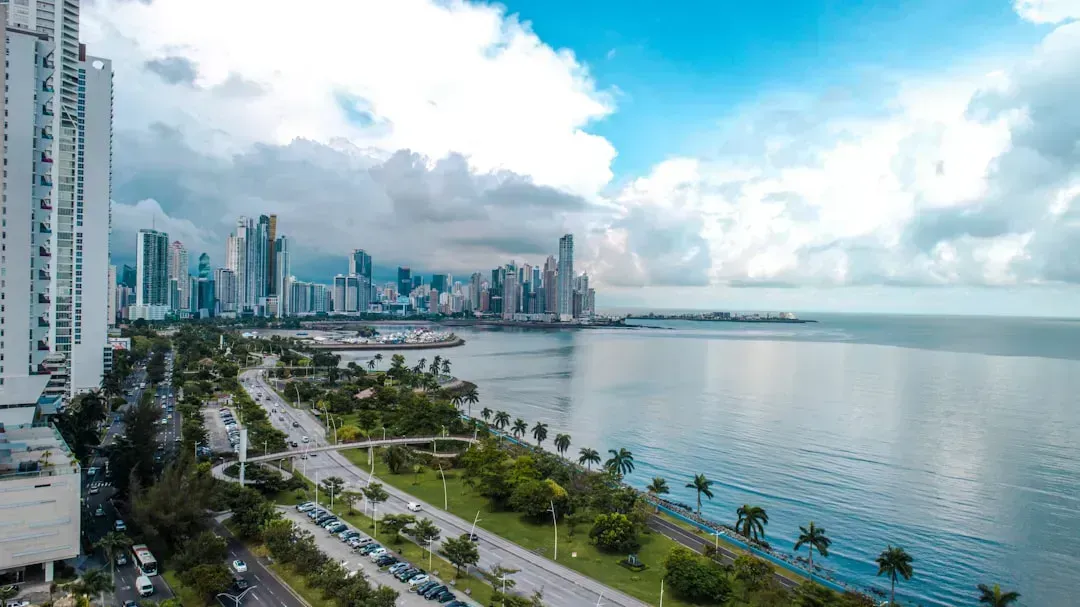
Panama frequently ranks as one of the best places for to retire, recently earning the top spot on the International Living’s 2025 Retirement Index, though cities can push that budget slightly higher. Retired couples should be able to comfortably live in Panama with a pension income of about $1,200-$3,000 USD per month, depending on where they live. If you opt for the countryside, you’ll be able to get by on less, while the city will require a bit more. Singles living rurally can absolutely hit that sub-thousand mark with smart choices.
Panama’s Pensionado visa offers jaw-dropping discounts – think half-price movies, restaurants, hotel stays, and even domestic flights. The country’s warm climate, beaches, modern infrastructure, and stable democracy make it an attractive destination for Americans looking to retire outside the US. Panama is just a three-hour flight away from the US, making it easy for retirees to come back to see their loved ones. Using the US dollar simplifies everything. The Canal Zone area around Panama City feels surprisingly cosmopolitan, while beach towns offer that laid-back Caribbean vibe many retirees crave.
These seven countries prove retirement doesn’t require a massive nest egg or corporate pension. What they do require is flexibility – willingness to adapt to new cultures, embrace different healthcare systems, and let go of some American conveniences. The trade-off? Financial freedom and adventure in your golden years rather than penny-pinching stress. Thousands of Americans have already made this leap. What’s holding you back from at least exploring the possibility?